
What's the Real Difference Between an Air Fryer and a Convection Oven?
Figuring out what's the difference between an air fryer and a convection oven can feel like a guessing game, especially when both promise crispy, delicious results. The truth is, while they share the basic principle of using circulating hot air, their design and intended use mean they excel in different areas of your kitchen. Understanding these nuances can help you choose the right tool for the job and achieve perfect cooking every time.
In our research, we found that many countertop air fryers are essentially compact, high-powered convection ovens with a fan positioned to deliver a more intense blast of hot air. For instance, manufacturer specifications often highlight airflow rates that are significantly higher in air fryers compared to the standard convection setting on a full-sized oven. This difference in airflow is key to how they perform.
Air Fryer vs. Convection Oven: The Core Difference
At their heart, both air fryers and convection ovens work by circulating hot air around your food. This method is fantastic for achieving browning and crispiness more efficiently than a traditional oven's static heat. However, the way they achieve this, and the size of the cooking environment, leads to distinct performance characteristics that matter when you're deciding what to cook.
How Air Fryers Cook
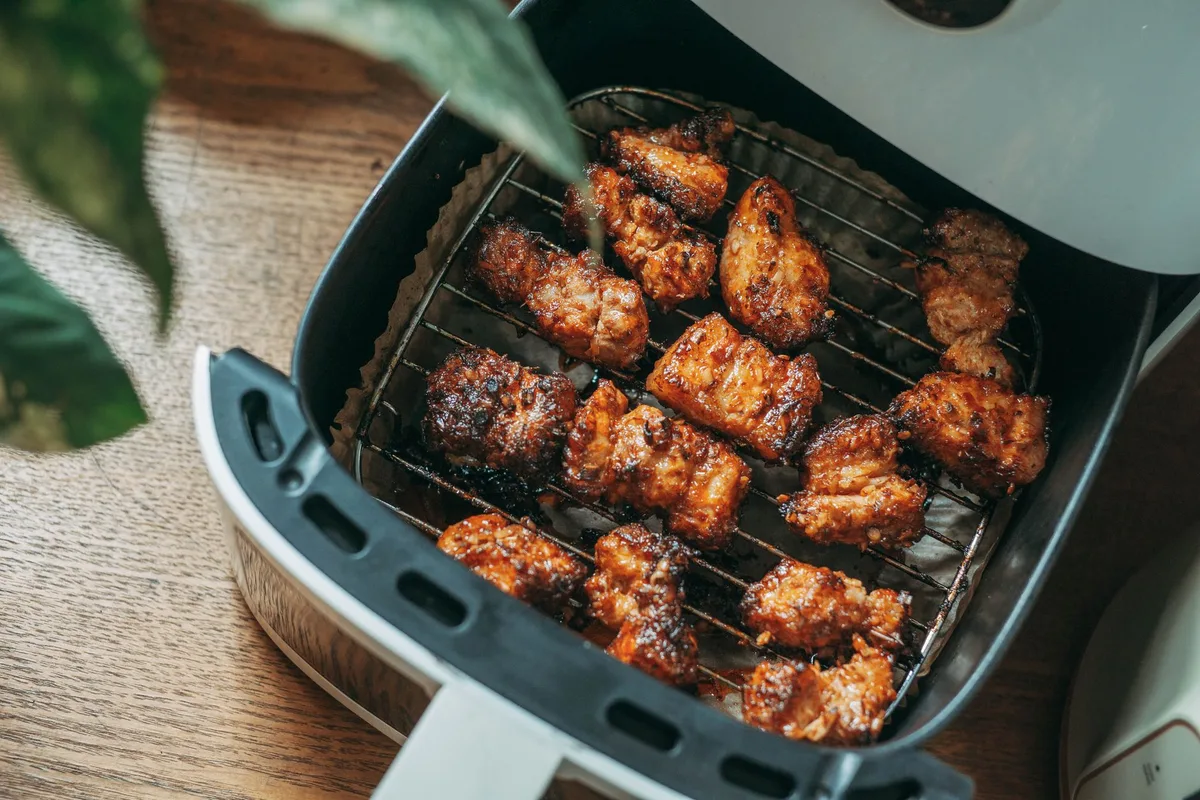
An air fryer is designed for speed and intense crisping. It typically features a heating element at the top and a very powerful fan directly behind it. This fan blasts superheated air downwards and around the food in a relatively small, enclosed basket or chamber. This concentrated, high-velocity airflow mimics the effect of deep-frying without the oil, creating a distinct crispy exterior on foods like fries, chicken wings, or tempura.
How Convection Ovens Cook
A convection oven also uses a fan to circulate air, but it's generally a gentler, more diffused flow. The fan is usually located at the back of the oven cavity, and the heating elements are often in the back and bottom. This system aims to create a more even temperature throughout the larger oven space, preventing hot spots and cooking foods more uniformly on multiple racks. The idea is to improve the efficiency and evenness of traditional baking and roasting, rather than to replicate deep-frying.
Key Features That Set Them Apart
The distinctions between an air fryer and a convection oven come down to their engineering and purpose. While both use fans, the intensity, placement, and size of the cooking cavity create noticeable differences in performance, speed, and the types of results you can expect.
Air Fryer Technology
Air fryers are characterized by their compact countertop design and a focus on rapid, high-heat circulation. They typically have a small cooking basket or tray that sits within the unit, allowing the intense airflow to directly surround smaller food items. This design is optimized for achieving maximum crispness quickly. Aggregate reviews report that many air fryers can preheat in as little as 3 to 5 minutes, a significant advantage for quick meals.
Convection Oven Technology
A convection oven, whether a full-size range or a countertop model, integrates a fan into a larger cooking chamber. The fan, often situated at the rear, works in conjunction with one or more heating elements to distribute heat more evenly throughout the oven. This increased air movement in a larger volume helps reduce cooking times compared to a traditional bake-only oven by about 25% and can lead to more consistent results across multiple dishes placed on different racks.
When to Reach for Your Air Fryer
If you're looking for that perfect crunch on snacks, appetizers, or small portions, your air fryer is likely the hero appliance. Its design is specifically geared towards delivering speedy, crispy results that often go unmatched by larger ovens. Even simple tasks like reheating leftovers can be transformed with an air fryer.
Air Fryer's Best Use Cases
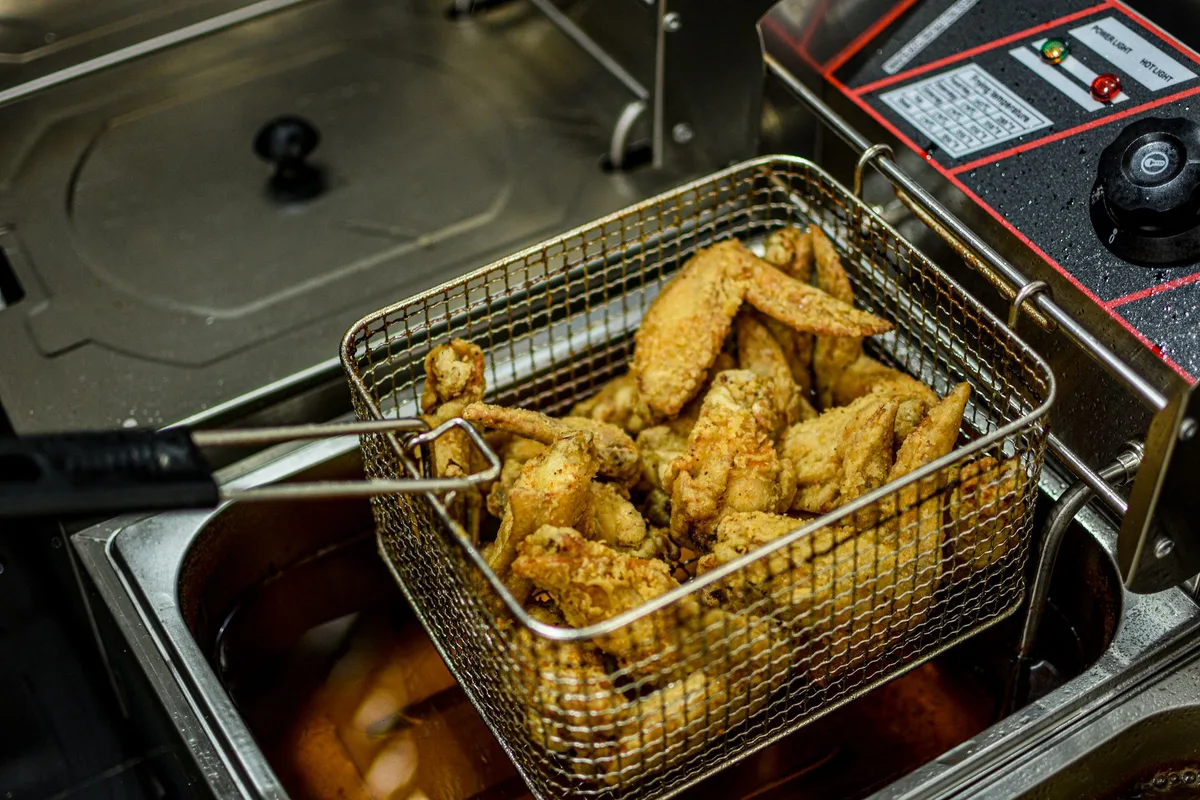
Here's where the air fryer truly shines: anything that needs to be crispy and is being cooked in relatively small quantities. Think about those classic fried foods you love: french fries, onion rings, chicken tenders, mozzarella sticks, and even breaded fish fillets. The concentrated hot air circulates rapidly around these items, creating a beautifully golden-brown and satisfyingly crunchy exterior.
Snacks and Small Bites
For everyday snacking, appetizers before dinner, or quick side dishes, the air fryer is incredibly efficient. It heats up much faster than a full-sized oven, often ready to go in under 10 minutes. This makes it ideal for busy weeknights when you need food on the table quickly.
Reheating Perfection
One of the unsung heroes of the air fryer is its ability to reheat leftovers. Forget the soggy crust of microwaved pizza or the somewhat rubbery texture of oven-reheated fried chicken. An air fryer can revive these dishes, restoring much of their original crispiness and flavor. For example, leftover fries can regain their satisfying crunch in just a few minutes.
When Your Convection Oven Takes the Crown
While the air fryer excels at quick, small-batch crisping, the convection oven is the workhorse for larger meals and more complex baking tasks. Its larger capacity and gentler, more consistent heat distribution make it ideal for cooking for a family or tackling recipes that require precise temperature control over a longer period.

Convection Oven's Strengths for Larger Meals
When you're cooking for more than just one or two people, a convection oven is your best bet. You can fit a whole chicken, a large roast, or multiple trays of vegetables or baked goods inside. The circulating air helps to brown everything more evenly, even on different racks, which is a significant advantage over a traditional oven that often has cooler spots.
Baking Delicate Goods
For baking, precision is key, and a convection oven's ability to maintain a consistent temperature across its larger space is invaluable. Cakes, cookies, bread, and pies benefit from this even heat. The gentler airflow prevents delicate pastry from being disrupted or thin cookies from becoming overly browned on the edges before the center is cooked.
Roasting Big Cuts
Roasting large cuts of meat, like a holiday turkey or a prime rib, is a task that demands a larger, more evenly heated space. The convection setting helps to promote even browning and can reduce overall cooking time compared to a standard bake setting. This ensures that the exterior is beautifully caramelized while the interior cooks to the perfect temperature.
Air Fryer vs. Convection Oven: A Side-by-Side Look
The practical differences in how an air fryer and a convection oven operate lead to distinct advantages and disadvantages depending on what you're trying to achieve in the kitchen. Here's a breakdown to help you see where each appliance truly shines.
| Feature | Air Fryer | Convection Oven (Setting) |
|---|---|---|
| Size & Capacity | Typically small, designed for countertop use. Holds 1-5 quarts in baskets. | Larger, integrated into a full-size range or as a standalone unit. Can hold multiple racks and larger dishes. |
| Airflow | Intense, direct, and rapid. Fan blasts air from the top. | Gentler, more diffused, and consistent. Fan is usually at the rear. |
| Speed for Small Items | Significantly faster due to concentrated heat and airflow. | Can be faster than traditional bake, but takes longer than an air fryer for small tasks. |
| Crispiness Focus | Excellent for achieving hyper-crispy textures. | Good crisping capability, but less intense than an air fryer for small items. |
| Evenness | Great for small, single-layer loads; can be uneven if overloaded. | Better for large batches and multi-rack cooking due to more uniform heat distribution. |
| Primary Use | Snacks, reheating, small portions, quick cooking for 1-2 people. | Main cooking, baking, roasting larger items, cooking for families/groups. |
Common Kitchen Mistakes to Avoid
Mistakes can happen with any kitchen appliance, but understanding common pitfalls can save you time, prevent wasted food, and ensure you get the best results. When using either an air fryer or the convection setting on your oven, a few key errors are worth watching out for.
Air Fryer Pitfalls
Overcrowding the air fryer basket is a common mistake that leads to uneven cooking and less crispiness. If food items are piled too high, the hot air can't circulate effectively around each piece. Also, not patting certain foods dry before air frying, like chicken wings, can result in steaming rather than crisping. Manufacturer specifications often suggest leaving at least an inch of space around food items for optimal airflow.
Convection Oven Oversights
Using the convection setting when it's not beneficial can be a mistake; for very delicate baked goods like angel food cake, traditional bake might be better. Forgetting to adjust cooking times and temperatures when switching to convection is another frequent error; foods often cook faster, so recipes might need a reduction of 15-25°F (about 8-15°C) or a shorter cook time. Additionally, overloading the oven racks can impede airflow, negating the benefits of convection.
Expert Tips for Crispier and Tastier Results
Achieving delicious results with either appliance often comes down to a few smart techniques. These tips, drawn from countless hours of culinary analysis, can elevate your cooking and ensure you're maximizing the potential of your tools.
Getting the Most Out of Your Air Fryer
One key tip is to avoid packing the basket too tightly. For maximum crispiness, your food should be in a single layer with space around it for air circulation. If you're cooking larger quantities, it's better to do two smaller batches than one overloaded one. Shaking the basket midway through the cooking process, particularly for items like fries or wings, also ensures more even browning and crisping.
You might also want to look into what oil to use for air fryer for specific applications.
Optimizing Your Convection Oven Use
When using the convection setting, remember that it cooks hotter and faster. Always check your food a few minutes earlier than the recipe suggests. If a recipe doesn't specify convection, it's generally a good idea to reduce the temperature by 25°F (about 15°C) from what's listed for a traditional bake setting. For multiple racks, ensure there's space for air to circulate between them; consider using thinner baking sheets to allow heat to reach more surfaces.
Research into what is a kitchen range hood can also be useful for overall kitchen ventilation.
Can a Convection Oven Truly "Air Fry"?
It's a common question: can your regular oven's convection setting do what a dedicated air fryer does? The short answer is that it can approximate some of the results, but it won't perfectly replicate the intense crispiness of a true air fryer. A full-sized convection oven has a much larger cooking cavity and a fan that circulates air more gently. This means the hot air doesn't hit the food with the same force or concentration as it does in a compact air fryer.
While you can achieve good browning and a decent level of crispness on foods like roasted vegetables or chicken pieces using your oven's convection mode, don't expect the same hyper-crispy texture you'd get from an air fryer. For example, if you're aiming for the shatteringly crisp skin of wings or the deep-fried crunch of mozzarella sticks, a dedicated air fryer is generally the superior tool for that specific outcome.
Making Your Choice: Which Appliance Fits Your Kitchen?
Deciding whether to invest in a dedicated air fryer, rely on your oven's convection setting, or perhaps even consider a countertop convection oven comes down to your cooking habits and kitchen space. If you primarily cook for one or two, love crispy snacks, and value quick cooking times and easy cleanup, a standalone air fryer might be perfect.
However, if you often cook for a family, bake frequently, or roast larger items, your existing convection oven is likely sufficient. Those interested in compact appliances that offer versatile cooking might look into countertop convection ovens, which bridge some of the gap. For a general idea of how kitchens are laid out, understanding what is the standard height for kitchen countertops can be helpful. As of 2026, the market offers a wide range of both air fryers and convection ovens, so consider your primary cooking needs carefully.