
If you've ever wondered where all that cooking steam, smoke, and strong kitchen smells go, chances are a kitchen range hood is doing the work. This essential kitchen appliance is installed above your stovetop or cooktop to capture and remove airborne grease, combustion products, smoke, heat, and steam from the air, helping to keep your kitchen clean and fresh. Ignoring this crucial ventilation can lead to greasy residue on cabinets and a persistent smell throughout your home.
Understanding what a range hood is and how it functions is key to maintaining a comfortable living space. Manufacturer specifications often highlight a minimum airflow rating, such as 100, 200 CFM (Cubic Feet per Minute), depending on the cooktop's BTU output as of 2026. This airflow metric is a primary indicator of a hood's effectiveness. Let's explore the details to see how these workhorses keep your kitchen air clear.
Why Visuals Help You Understand Range Hoods
When you're trying to grasp what a kitchen range hood is, seeing one in place makes all the difference. It's much easier to understand its purpose and function when you can visualize its typical location and how it integrates with your kitchen setup. A picture can quickly clarify the differences between various styles and show you where the air is being pulled from and where it goes.
Key Identifiers: What to Look For
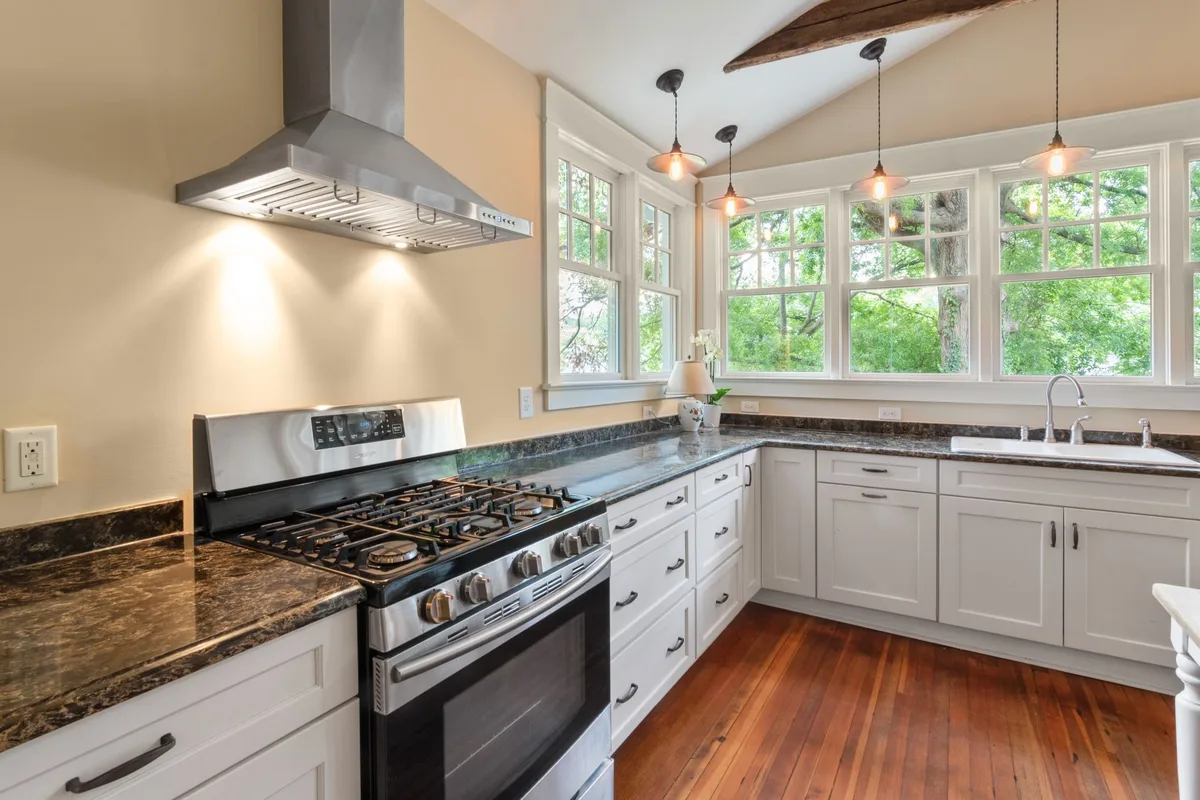
What you're looking for is an appliance mounted directly above your cooking surface. This usually means it's either built into the cabinetry below your upper cabinets, mounted directly onto the wall behind the stove, or suspended from the ceiling if it's above a kitchen island. You'll notice a fan housing, which is where the magic happens, and often a lighting fixture to illuminate your cooking space. The presence of visible ductwork leading away from the hood or filter compartments are also key visual clues.
Common Visual Mistakes to Avoid
Sometimes, people mistake a decorative chimney or a simple microwave for a dedicated range hood. It's important to visually distinguish the functional components: the fan, the filters, and the exhaust or recirculation mechanism. A proper range hood is designed for active air removal, not just storage or passive warming. Understanding these visual differences ensures you're looking at a true ventilation solution.
How Does a Kitchen Range Hood Actually Work?
At its core, a kitchen range hood operates by actively pulling air out of your kitchen. It uses a fan to draw in the air surrounding your cooktop. This air can then be treated in one of two main ways, depending on the type of hood you have.
The primary goal is to remove the airborne grease, smoke, steam, and odors generated during cooking. Without this mechanism, these particles would spread throughout your kitchen, settling on surfaces and making the air less pleasant to breathe. It's a lot like a vacuum cleaner for your kitchen air, but with a crucial step of either filtering or expelling the contaminated air.
Vented vs. Ductless: Two Approaches to Air Cleaning
Range hoods fall into two main categories based on how they handle the air they capture. This distinction is critical for understanding their effectiveness and installation needs.
- Vented (or Ducted) Range Hoods: These systems pull kitchen air through a filter that primarily captures grease. Then, the fan pushes the air through a system of ductwork that vents it directly outside your home. This is generally the most effective method as it physically removes pollutants and moisture from your living space.
- Ductless (or Recirculating) Range Hoods: These hoods also capture grease with a filter, but instead of venting outside, they push the air through additional filters, often including activated charcoal or carbon filters. These filters capture odors and finer particles before recirculating the air back into the kitchen. They're easier to install as they don't require external ducting, but they don't remove moisture and require filter replacements more frequently.
Essential Range Hood Features and Components
Beyond the basic function of air movement, several components and features contribute to a range hood's performance and usability. Understanding these parts helps you appreciate the technology and choose the right hood for your needs.
The Fan and Motor: The Heart of the Hood
The fan, powered by the motor, is the driving force behind any range hood. This component determines how much air the hood can move, measured in CFM. Higher CFM ratings generally mean more powerful suction, which is crucial for effectively clearing the air, especially in kitchens with gas ranges or high-BTU burners. Different speed settings on the fan allow you to adjust suction power based on your cooking activity.
Filters: Your Air's First Line of Defense
Filters are key to a range hood's function. Grease filters, typically made of metal mesh or baffles, are designed to trap airborne grease particles before they can build up in the hood or ductwork. These are usually washable. For ductless hoods, activated charcoal or carbon filters are also essential.
These porous filters trap odor molecules and smaller particles that pass through the grease filter, purifying the air before it's recirculated back into the kitchen.
Lights and Controls: Functionality and Convenience
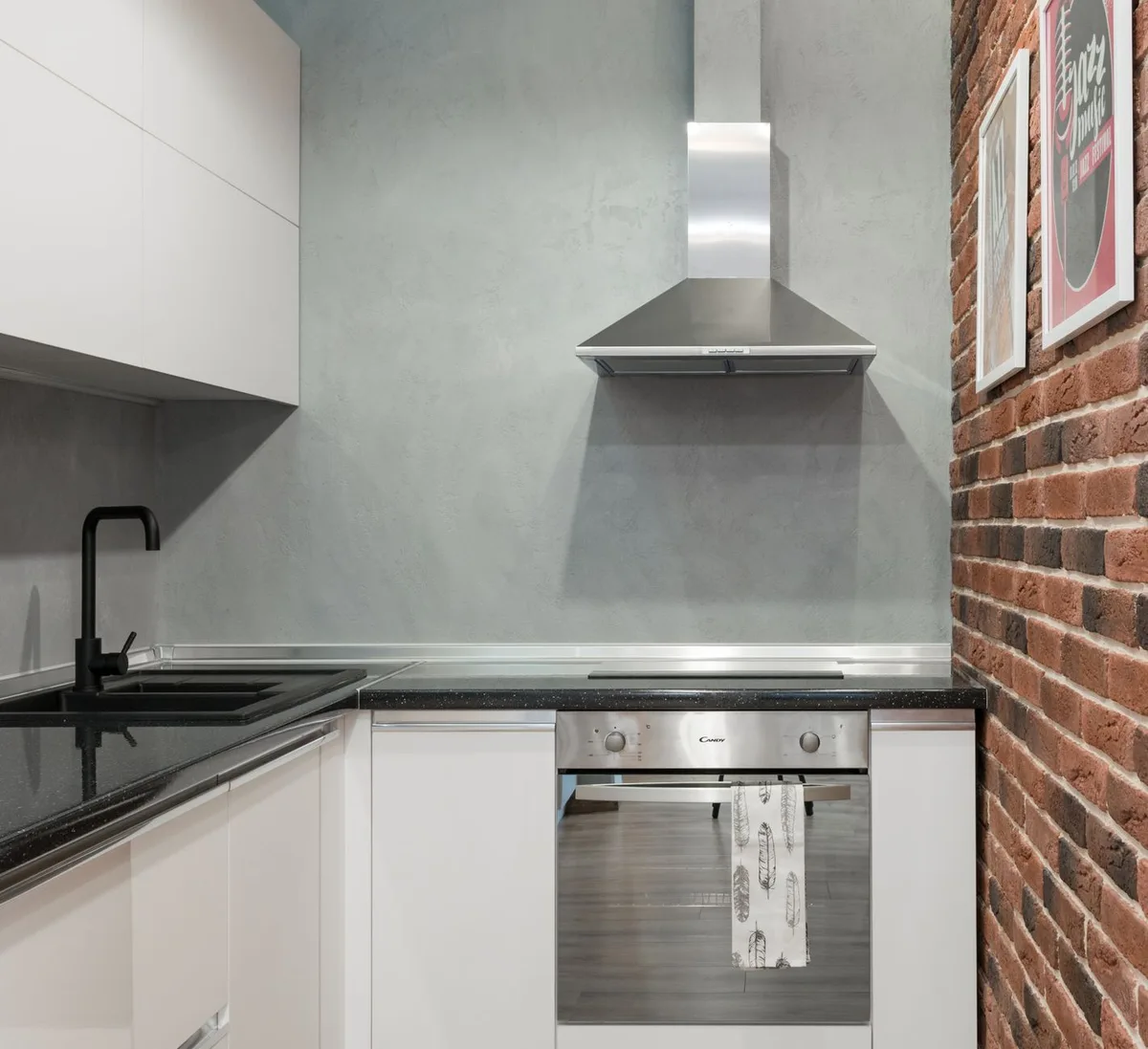
Most range hoods include built-in lighting to illuminate your cooking surface, making food preparation safer and more enjoyable. These lights can range from basic incandescent bulbs to more energy-efficient LEDs. Control panels, often located on the front or underside of the hood, allow you to adjust fan speed, turn lights on and off, and often select between vent or recirculate modes. Modern hoods might feature touch controls or even remote operation.
Real-World Benefits: What a Range Hood Does For Your Kitchen
Installing a range hood offers tangible improvements to your kitchen environment that go beyond just removing smells. They actively contribute to a cleaner, healthier, and more pleasant cooking and living space.
Battling Odors, Grease, and Steam
Think about what happens when you sear a steak or sauté onions. The air becomes thick with cooking odors and grease particles. A range hood's primary job is to capture these emissions at the source. Vented hoods physically move them outside, while ductless ones filter them out.
This prevents odors from permeating your entire home and stops grease from settling on your cabinets, walls, and backsplash, which can make cleaning a constant chore. Removing excess steam also helps prevent moisture damage and the potential for mold growth over time.
Boosting Your Kitchen's Air Quality
Beyond odor and grease, cooking can release other byproducts into the air. While most home cooking isn't a major health hazard, consistently breathing in a smoky, steamy, or greasy environment isn't ideal. By actively removing these airborne contaminants, a range hood contributes to better indoor air quality. This can be particularly beneficial for individuals with respiratory sensitivities or allergies.
An efficient ventilation system means you can cook your favorite meals without worrying about the lingering air quality afterward.
Common Range Hood Styles You'll See
The variety of range hood styles available means you can find a unit that not only performs well but also complements your kitchen's overall design. Each type serves a similar purpose but differs in its mounting and aesthetic appearance.
Under-Cabinet Hoods
These are a very popular choice, especially in kitchens with standard upper cabinetry. The hood is installed directly into the underside of a wall cabinet, positioned above the cooking surface. This placement makes them relatively unobtrusive and can help maintain a clean cabinet line. They are generally easier to install than other types and are available in both vented and ductless configurations.
Wall-Mount Hoods
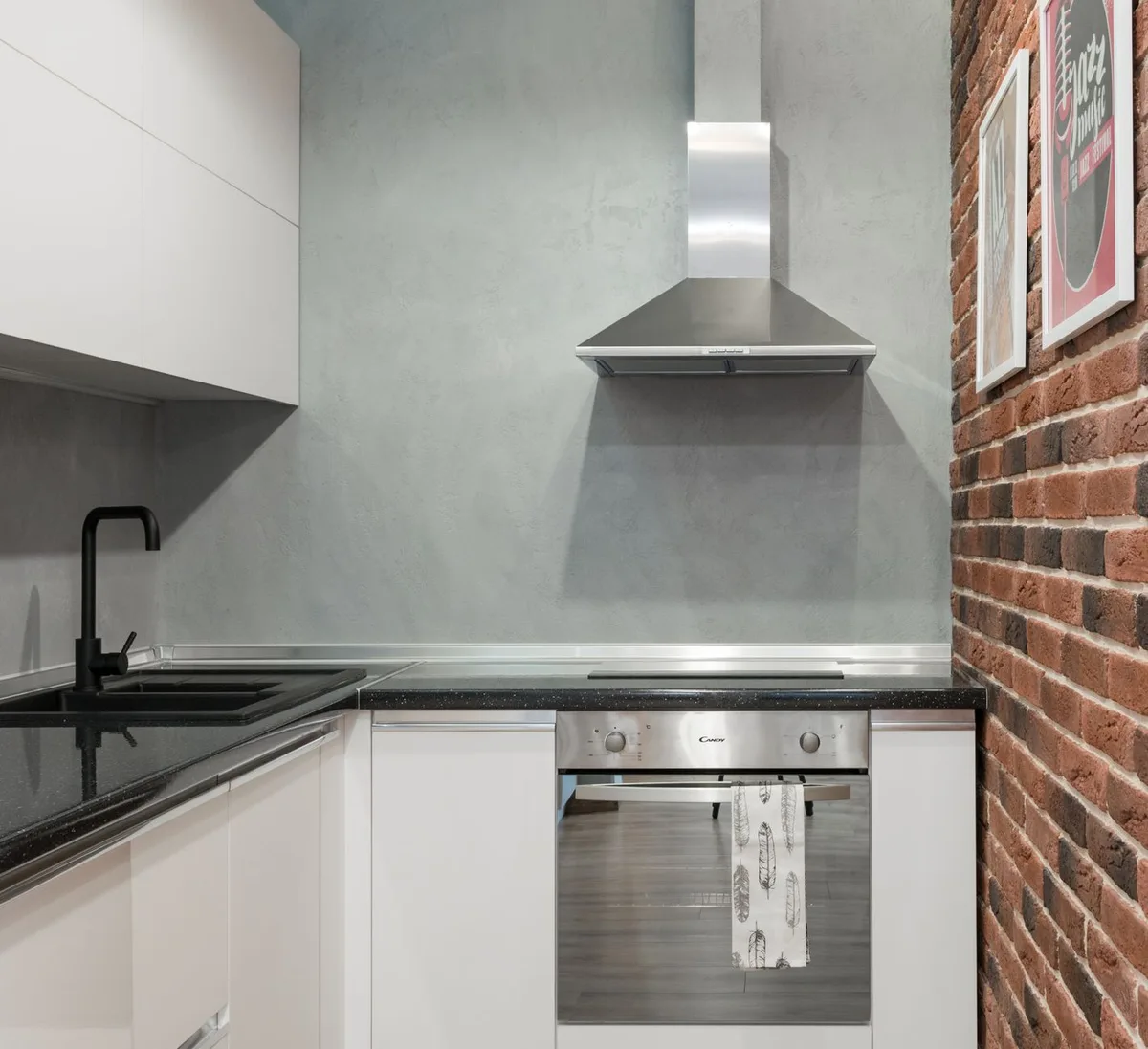
Wall-mount range hoods are designed to be attached directly to the wall above the stove. These often have a more prominent, decorative chimney that extends up towards the ceiling, becoming a design feature in the kitchen. They are a great option when you don't have upper cabinets directly over the cooktop or want to make the hood a focal point. Like under-cabinet hoods, they come in vented and ductless options.
Island Hoods
For kitchens with a cooktop or range situated on an island, an island hood is the solution. These units are typically ceiling-mounted or suspended above the island. Because they are often visible from multiple angles, island hoods tend to be designed with aesthetics in mind and can come in a wide range of styles, from sleek minimalist designs to more elaborate statement pieces. Effective ventilation is crucial here due to the central location of cooking activity.
When Do You Need a Range Hood? (Use Cases)
A range hood isn't just a nice-to-have; it’s often a necessity, especially if you do any significant cooking. If you frequently cook foods that produce a lot of smoke, steam, or strong odors, think frying, searing, stir-frying, or even just boiling pasta regularly, a range hood is definitely for you. Homes with gas stoves also benefit greatly, as these produce combustion byproducts that need to be vented.
Even smaller apartments or kitchens with limited space can benefit immensely. A ductless hood can make a huge difference in maintaining air freshness in compact living areas. If you're looking to protect your cabinetry and walls from grease buildup or simply want a more comfortable and healthier kitchen environment, a range hood is a wise investment.
Simple Range Hood Maintenance to Keep It Running
Just like any appliance, your range hood needs a little care to keep performing its best. Regular maintenance doesn't just keep it looking good; it ensures it's working efficiently to clear your kitchen air. Neglecting this can mean reduced airflow, a buildup of grease in the fan and ductwork, and a shorter lifespan for the unit.
What's the most important maintenance task? Cleaning the filters. Grease filters are usually washable, and this should be done frequently, ideally after every few uses or at least weekly, depending on your cooking habits. For ductless hoods, the charcoal filters are typically not washable and need to be replaced every 3-12 months, depending on the manufacturer's recommendation and how heavily the hood is used.
Always unplug the hood before performing any cleaning or maintenance.
How Often Should You Clean Range Hood Filters?
Grease filters should be cleaned regularly to maintain optimal airflow. For most home cooks, a weekly clean is a good baseline. If you're doing a lot of frying or searing, you might find yourself needing to wash them every few days. Stubborn grease can be tackled with a degreaser and hot water or by running them through a dishwasher.
Make sure the filters are completely dry before putting them back into the hood to prevent any potential moisture issues or damage to the motor. Using a degreasing spray on the exterior of the hood periodically also helps prevent that oily buildup on your cabinets and walls.
Replacing Carbon Filters in Ductless Hoods
If your range hood is a ductless or recirculating model, those carbon filters are your key to odor removal. Unlike grease filters, these can't be washed. Instead, they become saturated with odors and need to be replaced. Manufacturer guidelines vary, but a typical replacement schedule is every 3 to 12 months.
Some hoods will have indicator lights to remind you, which is a handy feature.
Not replacing these filters means your hood will become less effective at capturing smells. It's a bit like using a worn-out sponge; it just doesn't absorb anymore. Checking your owner's manual for the specific filter type and replacement cadence for your model is always best.
Cleaning the Hood Exterior and Interior
Beyond the filters, the hood itself needs attention. The exterior, often stainless steel, can be cleaned with a specialized stainless steel cleaner or a mild degreasing solution. Always wipe with the grain of the metal to avoid scratches. The interior surfaces, where grease can accumulate, should also be wiped down.
Be careful around the fan blades and motor components; use a damp cloth and avoid spraying liquids directly into these areas.
Next Steps: What to Consider Next
So, you've got a handle on what a kitchen range hood is, how it works, and why it's important. Now, if you're looking to get one or upgrade an existing one, there are a few more things to think about. The right choice depends heavily on your cooking habits and kitchen layout.
Consider the size of your cooktop. Range hoods are generally sized to be at least as wide as the cooktop itself, and sometimes a bit wider, to ensure they capture fumes effectively. For example, a 30-inch cooktop might pair best with a 30-inch or 36-inch wide range hood. Also, think about the power required.
Manufacturers often provide guidelines based on the BTU output of your cooktop (for gas) or the wattage (for electric) to help you select an appropriate CFM rating.