
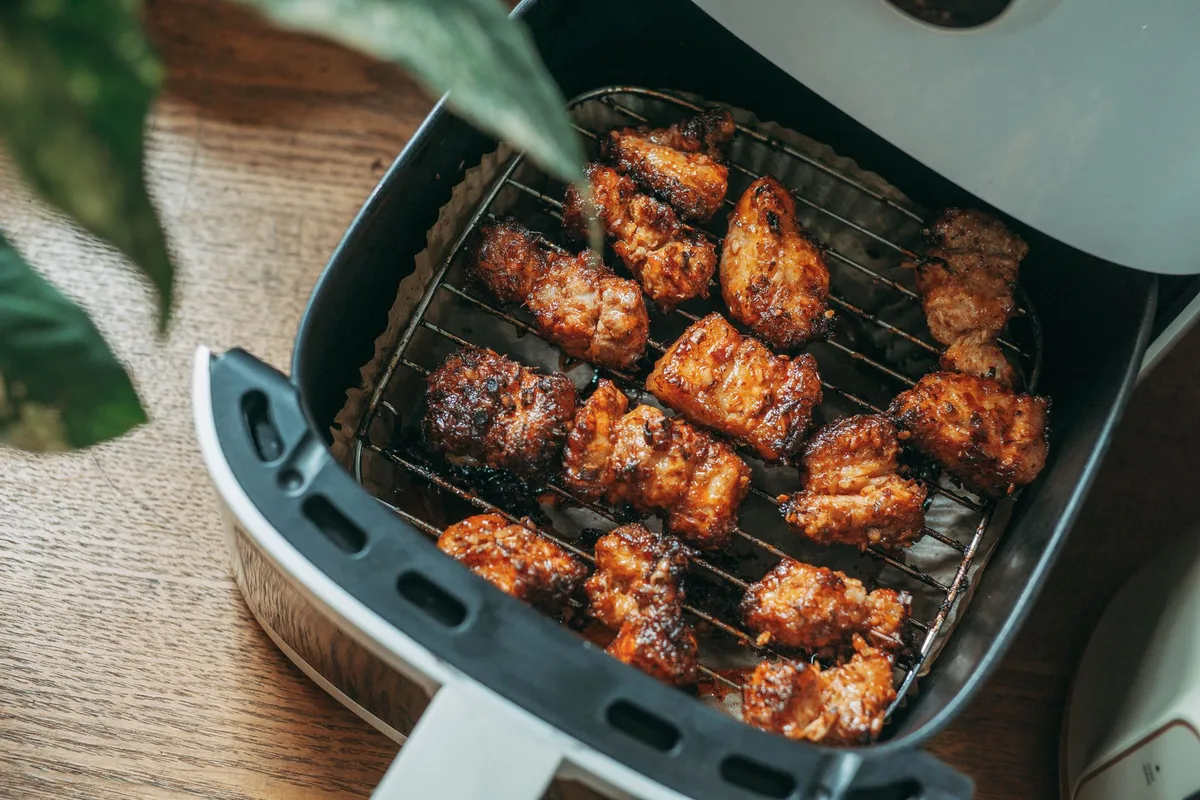
Air Fryer Safety: What Really Matters
When you're looking to buy an air fryer, knowing "what air fryers are safe" is probably at the top of your mind, and for good reason. These popular kitchen appliances can make cooking healthier and faster, but like any electrical device, safety is key. We've gathered information to help you understand what makes an air fryer safe for your home and your family.
Our research shows that most air fryers on the market today meet rigorous safety standards. Manufacturer specifications often confirm that components meet FDA guidelines for food contact, a critical aspect for health-conscious users.
Understanding Air Fryer Safety Concerns
The core of air fryer safety often circles back to two main areas: the materials that directly touch your food and the appliance's overall electrical and thermal design. When we talk about what makes an air fryer safe, it's about ensuring that everyday use doesn't lead to unexpected health risks or appliance malfunctions. Think of it as checking the quality of your cookware before you use it; the same diligence applies here.
Concerns usually arise around the non-stick coatings found on many air fryer baskets and the plastics used in the appliance's construction. Are these materials stable at the high temperatures air fryers reach? Do they leach anything into your food? Addressing these questions is fundamental to making an informed purchase and ensuring safe operation.
Core Materials in Air Fryers: What's Safe?
At the heart of air fryer safety lies the material composition. Beyond just the heating element, the parts that come into contact with your food, primarily the basket and tray, are paramount. Reputable manufacturers focus on materials that are durable, easy to clean, and most importantly, food-safe.
Non-Stick Coatings: The Details
Many air fryer baskets feature a non-stick coating to prevent food from sticking and make cleanup easier. Historically, these coatings were often made with PTFE (polytetrafluoroethylene), and concerns arose about its stability at very high temperatures. This is where understanding product specifications becomes crucial.

Modern non-stick coatings have significantly evolved. You'll commonly see labels like "PFOA-Free." PFOA (perfluorooctanoic acid) was a manufacturing byproduct used in some older PTFE coatings, and it has been phased out due to health and environmental concerns. Products marketed as PFOA-free indicate adherence to updated manufacturing practices. As of 2026, many manufacturers also offer ceramic coatings as an alternative non-stick surface.
Other Food-Contact Materials
Beyond the non-stick layer, the underlying materials of the basket and tray are typically stainless steel or aluminum, which are widely recognized as safe for food contact when properly manufactured. The exterior housing is usually made from food-grade plastics that are designed to withstand the heat generated by the appliance without degrading or releasing harmful substances. When evaluating an appliance, checking manufacturer claims about the food-grade quality of all plastic components can provide confidence.
Understanding Safety Certifications and Standards
For any electrical kitchen appliance, safety certifications are your best friend. These marks indicate that the product has undergone rigorous testing by independent organizations to ensure it meets specific safety and performance benchmarks. They provide assurance that the appliance is built to prevent common hazards like electrical shock or overheating.

The U.S. Food and Drug Administration (FDA) sets standards for materials that come into contact with food, ensuring they are safe for consumption. You'll also frequently see certifications like UL (Underwriters Laboratories) or ETL (Intertek). These certifications specifically address electrical safety, flame resistance, and construction integrity.
A product bearing one of these marks has been vetted to ensure it operates safely under normal conditions.
Choosing a Safe Air Fryer: Key Features to Look For
When you're in the market for a new air fryer, several features directly contribute to its overall safety. Focusing on these will help you make a well-informed decision, ensuring the appliance fits seamlessly and securely into your kitchen routine. Think about what makes an appliance trustworthy beyond just its cooking capabilities.
- Reputable Brands: Stick with well-established manufacturers known for producing quality kitchen appliances. These brands often have dedicated research and development teams focused on safety and compliance. Aggregated consumer reviews often highlight brands with strong safety records.
- Safety Certifications: Always look for recognized safety marks like UL or ETL on the appliance's packaging or in its description. These are visible indicators that the product has passed independent safety tests.
- Thermal Management: A good air fryer will have robust insulation and a design that prevents the exterior from becoming excessively hot to the touch. Features like automatic shut-off if overheating is detected are also invaluable safety mechanisms.
- Material Transparency: Where possible, check the manufacturer's website or product documentation for details on the materials used, especially regarding food-contact surfaces and coatings. Claims about being "PFOA-free" or using "food-grade plastics" are good signs.
Potential Risks with Air Fryers to Be Aware Of
While air fryers are generally safe when used correctly, understanding potential risks helps you operate them more confidently and prevent issues. Our research indicates that most problems stem from misuse or wear and tear on the appliance over time, rather than inherent design flaws in reputable models. Being aware allows you to take proactive steps.
- Coating Degradation: Over time, especially with frequent use and if scrubbed aggressively, non-stick coatings can become scratched or chipped. When this happens, small particles of the coating can flake off. While research suggests single, small ingestions are unlikely to cause harm, it's generally advised to stop using a basket with a significantly damaged coating.
- Overheating and Fire Risk: Like any appliance that generates heat, there's a theoretical risk of fire if the unit malfunctions or is used improperly (e.g., blocked ventilation). However, modern air fryers typically include overheat protection features that automatically shut down the appliance if temperatures exceed safe limits. Always ensure vents are clear.
- Electrical Hazards: Faulty wiring, damaged power cords, or water ingress can lead to electrical hazards. This is why it's crucial to inspect your air fryer's cord regularly and avoid immersing the main unit in water.
Safe Practices for Using Your Air Fryer
Applying a few key safety practices can significantly enhance your air fryer experience, keeping you and your kitchen safe. It's less about complex procedures and more about mindful operation. These habits ensure your appliance performs reliably and safely for a long time.
- Read the Manual: This sounds obvious, but manufacturers provide specific safety guidelines for their models. Always take a few minutes to review your air fryer's instruction booklet before first use.
- Proper Placement: Ensure the air fryer is placed on a stable, heat-resistant surface, with adequate space around it for ventilation. Avoid placing it directly under cabinets or too close to curtains. Proper counter height is also important for comfortable and safe access, much like when considering standard kitchen countertops.
- Avoid Overfilling: Don't pack the basket too full. Overfilling can block air circulation, leading to uneven cooking and potentially straining the appliance. Leave space for the hot air to circulate freely.
- Use Appropriate Utensils: Opt for silicone-tipped tongs or spatulas to avoid scratching the non-stick coating. Metal utensils, while durable, can easily damage the surface over time.
When to Replace or Repair Your Air Fryer
Knowing when an appliance has reached the end of its safe operational life is crucial. Wear and tear are natural, but certain signs indicate it's time to consider a replacement rather than attempting a repair, especially for complex electrical items. For air fryers, visible damage or consistent malfunction are key indicators.
- Damaged Power Cord: If the power cord is frayed, cut, or shows signs of melting or exposed wires, stop using the appliance immediately. This poses a serious electrical shock and fire risk.
- Persistent Malfunctions: If your air fryer repeatedly shuts off unexpectedly, smells of burning plastic, or no longer heats properly, it may indicate an internal issue that's difficult or unsafe to repair at home. Manufacturer specifications indicate that internal component failure typically warrants replacement.
- Severely Damaged Basket/Drawer: As mentioned, a basket with significant peeling, chipping, or deep scratches from the non-stick coating should ideally be replaced. Some manufacturers offer replacement baskets, but if they are no longer available or the overall unit is showing age, a new air fryer might be a safer investment.
Trustworthy Sources for Air Fryer Safety Information
When you're seeking reliable information about air fryer safety, it's important to know where to look. Relying on official documentation, regulatory bodies, and established consumer safety organizations provides the most accurate and trustworthy guidance. This approach helps you cut through misinformation and make informed decisions.
- Manufacturer Websites: The official website for your air fryer brand is a prime source for user manuals, specifications, and information on materials and safety features. They often have dedicated customer support sections.
- Regulatory Agencies: Organizations like the U.S. Food and Drug Administration (FDA) and the Consumer Product Safety Commission (CPSC) provide general guidelines and recalls related to kitchen appliances and food-contact materials.
- Standards Organizations: Bodies such as Underwriters Laboratories (UL) and Intertek (ETL) publish standards for product safety and certify appliances that meet them. Their websites can offer insights into what these certifications mean.