
So, you're trying to figure out what's the difference between convection and air fryer? It's a super common question, especially with so many kitchens upgrading their appliances. Both use hot air to cook your food faster and crispier than a traditional oven, but understanding their specific design and how they circulate that air can really help you decide which one, or if both, are right for your cooking style.
Our research indicates that while both leverage convection (the movement of heated air), dedicated air fryers often employ more powerful fans and compact designs to achieve a more intense crisping action. For instance, manufacturer specifications commonly show air fryer fans operating at speeds far exceeding those in standard convection oven settings, sometimes reaching over 3000 RPM. Let's break down exactly how they differ and what that means for your meals.
Convection Oven vs. Air Fryer: What's Really Different?
At first glance, convection ovens and air fryers seem pretty similar, both blast food with hot air to get it cooked and browned. But there are key distinctions in their design and how they manage that airflow, which dictates their effectiveness for different tasks. Think of a convection oven as a full-scale kitchen architect, while an air fryer is more like a specialist contractor focused on a specific, high-impact job: crisping.
The fundamental difference lies in the intensity and direction of the hot air. A convection oven uses a fan to circulate air evenly around a larger cavity. An air fryer, on the other hand, is designed to shoot that hot air down at high speed, often through a perforated basket, creating an environment that mimics deep-frying results with far less oil.
How Convection and Air Fryers Actually Cook Your Food
The Big Picture: Hot Air in Motion
The core principle behind both appliances is convection, which is simply the transfer of heat through the movement of a fluid, in this case, air. In a traditional oven, heat primarily radiates from heating elements, and some ambient air circulation occurs naturally. This can lead to hot spots and longer cooking times because heat transfer isn't as efficient.
- Traditional Oven: Heat primarily comes from static heating elements (usually at the top and bottom). Air circulation is minimal and natural, meaning cooking can be uneven, and food may take longer to brown.
- Convection System: This adds a fan, typically at the rear of the oven cavity. This fan actively pushes hot air around the food, ensuring more consistent temperatures and faster, more even cooking. Think of it as giving the air a brisk pace to reach every surface of your food.
- Air Fryer System: These appliances are essentially miniature, high-powered convection ovens. They use a very strong fan positioned at the top, directing super-heated air downwards at high velocity. The food usually sits in a perforated basket, allowing air to circulate freely around it from all sides, maximizing crisping.
What's Inside? Key Components of Each Appliance
Understanding the parts helps clarify their function.
| Component | Convection Oven | Air Fryer |
|---|---|---|
| Fan | Usually one fan at the rear | Often a more powerful fan, typically at the top |
| Heating Element | Multiple elements (top, bottom, sometimes rear) | Primarily a single element above the food |
| Cooking Cavity | Full-size oven cavity (range or wall unit) | Compact, countertop unit |
| Food Holder | Baking racks, roasting pans | Perforated basket |
| Airflow Mechanism | Circulates air evenly around the cavity | Directs concentrated hot air stream downwards |
Making the Choice: Convection Oven vs. Air Fryer
When you're deciding between these two, it really comes down to what you want to cook and how much space you have. They aren't interchangeable, though some modern appliances try to bridge the gap. It's more about choosing the right tool for the specific kitchen job you have in mind.
Core Differences at a Glance
The main distinctions aren't just about size; they're about the intensity and method of air circulation, which directly impacts cooking results.
- Size & Capacity: Convection ovens are full-sized kitchen appliances, capable of cooking multiple dishes or large items like a whole turkey. Air fryers are compact countertop units, ideal for smaller portions, think enough fries for two people, or a few chicken tenders at a time.
- Airflow Power: Air fryers typically have much more powerful fans relative to their size, creating a more forceful and concentrated blast of hot air. This drives the rapid crisping effect. Convection ovens have fans that circulate air more broadly throughout the larger cavity.
- Primary Function: While both can air fry (with dedicated settings on newer models), convection ovens excel at baking, roasting, and general cooking where even heat is paramount. Air fryers are specifically engineered to mimic the texture of deep-fried foods with minimal oil.
For Crispy Snacks: Why Air Fryers Shine
If your main goal is achieving that irresistible crispy texture on foods like french fries, chicken wings, or even reheating leftovers to their former glory, a dedicated air fryer is often your best bet. Its compact design and powerful fan force super-heated air with incredible velocity around the food. This intense circulation is what truly makes things crispy.
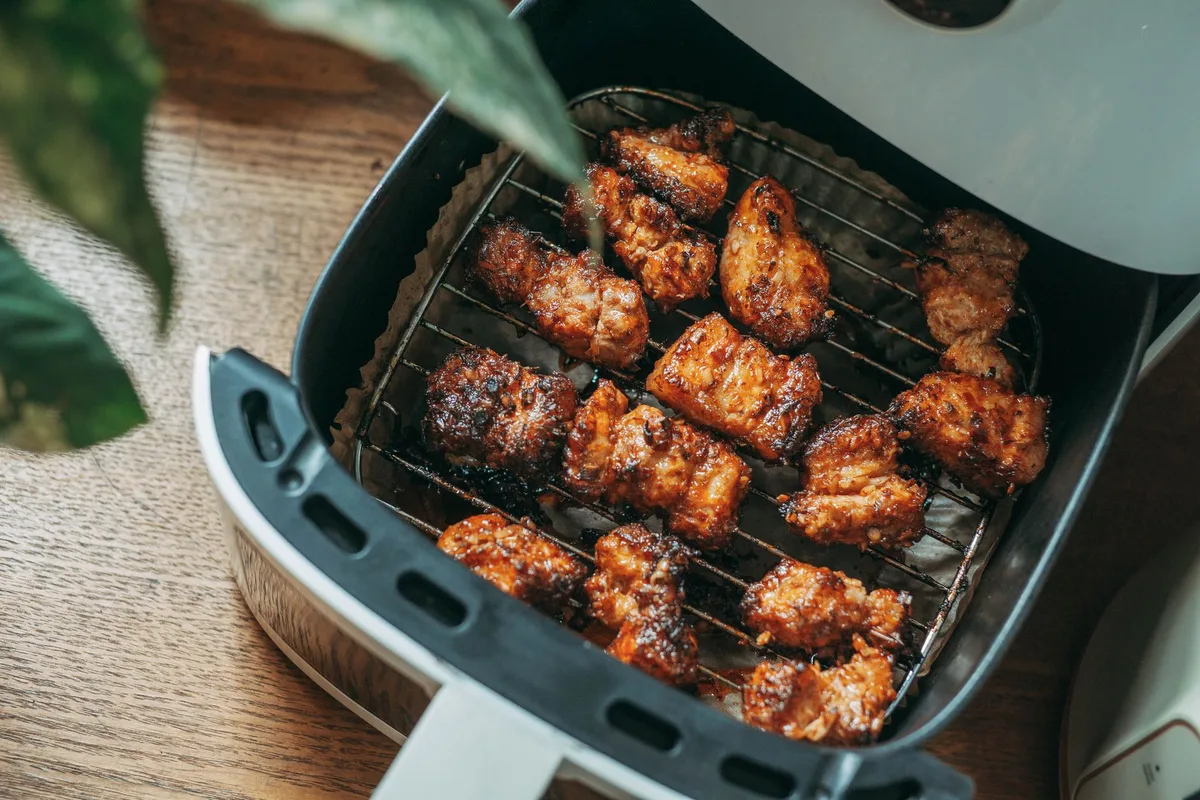
The perforated basket is key here. It ensures that the hot air can reach every angle of the food, preventing the dreaded soggy bottom and delivering an even, crunchy exterior. For single servings or small batches, an air fryer heats up quickly and cooks efficiently, making it a go-to for quick snacks and appetizers.
For Family Feasts: When a Convection Oven Steals the Show
When you're cooking for a crowd or preparing multiple dishes simultaneously, a full-size convection oven is indispensable. Its larger capacity means you can roast a whole chicken, bake a lasagna, and prepare side dishes all at once. The fan in a convection oven distributes heat evenly throughout the entire cavity, ensuring everything cooks uniformly without needing constant attention or rotation.
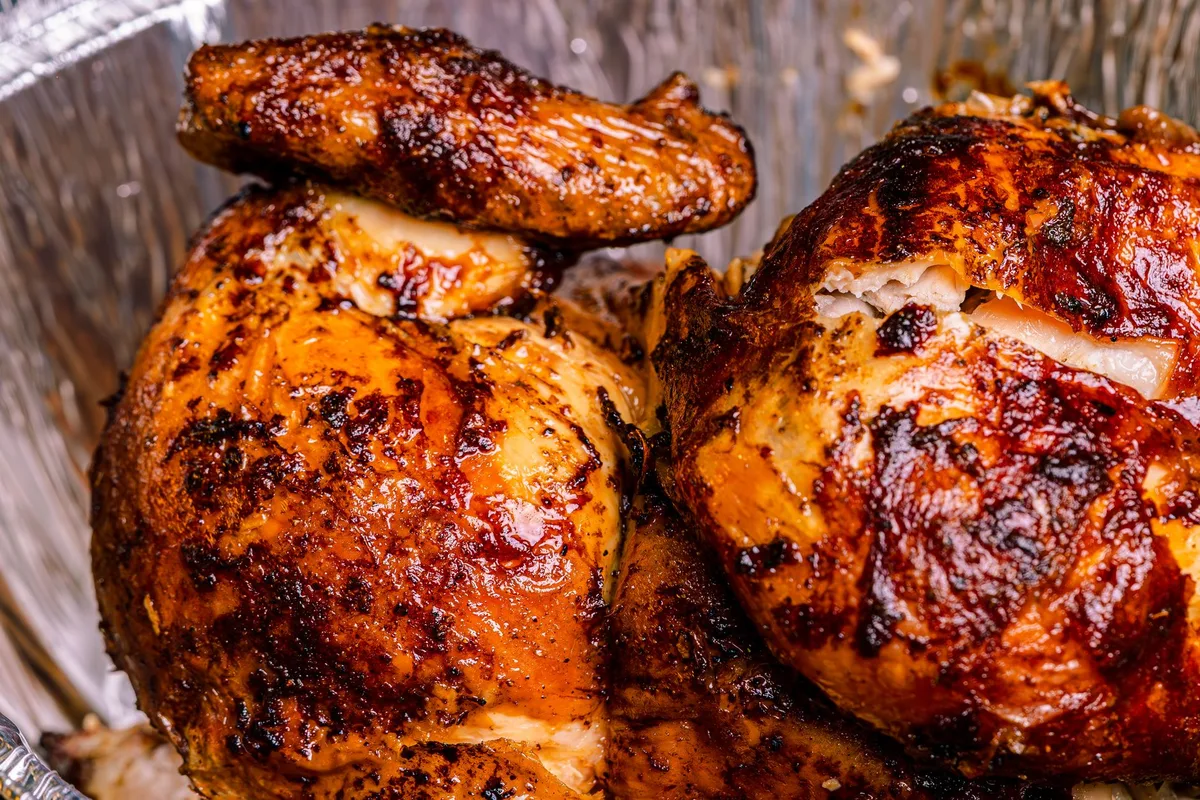
Convection ovens are also generally more versatile for baking. The consistent heat is ideal for cakes, cookies, and bread, producing a tender interior and a perfectly baked crust. While some might have an air fry setting, they usually can't match the speed or intensity of a dedicated air fryer for small, crisp-focused items.
Can My Convection Oven Be an Air Fryer?
This is a question many people ask as they look at their current appliances. Many modern convection ovens come equipped with an "air fry" function. This setting essentially supercharges the convection fan, increasing its speed and sometimes adjusting the heating element's output to mimic the vigorous airflow of a standalone air fryer.
However, it's important to manage expectations. While a convection oven's air fry setting can produce crispier results than regular bake or convection modes, it might not always reach the same level of crunch or speed as a dedicated air fryer. The airflow dynamics and the design of the cooking chamber in a standalone unit are specifically optimized for that high-intensity crisping, something a larger oven cavity, even with a powerful fan, may not perfectly replicate.
Common Kitchen Mistakes to Avoid
Even with the best appliances, simple mistakes can lead to less-than-ideal results. Being aware of these common pitfalls can help you get the most out of your convection oven or air fryer.
Overcrowding Your Air Fryer Basket
This is probably the most frequent mistake people make with air fryers. Trying to cook too much food at once, stuffing that basket completely full, prevents the hot air from circulating properly. Instead of getting crispy, your food will steam, leading to uneven cooking and soggy textures.
If you're cooking for more than two people, it's better to cook in batches. This ensures each piece of food has plenty of space for the hot air to work its magic. Our research shows that leaving at least an inch of space around food items maximizes crisping.
Relying Solely on Traditional Oven Methods
When using a convection oven, don't just set the temperature and time you'd use for a traditional oven. Convection cooking is generally faster and can brown food more intensely. If you use the same settings, you risk overcooking or burning your food.
Start by reducing the recommended temperature from a traditional recipe by about 25°F (15°C) or shortening the cooking time by 15-20%. For example, if a recipe calls for baking cookies at 375°F (190°C) for 10-12 minutes in a standard oven, try 350°F (175°C) for 8-10 minutes in a convection oven.
Expert Tips for Crispier Results
Want to elevate your cooking game with your convection oven or air fryer? A few pointers from experienced users and manufacturers can make a big difference in achieving that perfect texture and flavor.
Using the Right Settings is Key
Always consult your appliance's manual for specific recommendations. Different foods benefit from different approaches. For instance, delicate items like fish fillets might do better with a gentler convection setting, while root vegetables can handle the high-heat intensity of an air fryer.
If your convection oven has a dedicated air fry mode, use it for recipes that specifically call for it. For general roasting or baking, stick to standard convection or bake modes. Understanding the nuances of each setting maximizes your appliance's potential.
Proper Airflow Management Matters
Whether you're using a large convection oven or a countertop air fryer, ensuring good airflow is critical. In a convection oven, avoid placing baking sheets flush against the oven walls; leave space for air to circulate around them. Also, don't overload the oven with too many racks or too much food.
In an air fryer, this means not packing the basket too tightly. For items that might puff up, like pies or pastries, consider using a smaller air fryer pan or ensuring there's ventilation. For very fatty foods, some users place paper towels or parchment paper with holes at the bottom of the basket to catch excess grease while still allowing air to flow.