
Figuring out what temp to cook stuffed peppers in an air fryer can feel a bit like guesswork, but it doesn't have to be. You want that tender pepper and a perfectly cooked filling without scorching the outside or leaving the inside cold. It's a balance, and getting it right means considering a few key factors that influence the cooking process.
In our research, we've found that a good starting point for most air fryer stuffed peppers is around 375°F (190°C). However, this can vary significantly based on your specific air fryer model and the ingredients you're using. The USDA, for instance, recommends an internal temperature of 165°F (74°C) for ground meat fillings to ensure food safety.
What Temp to Cook Stuffed Peppers in Air Fryer
Deciding on the right temperature for your stuffed peppers in the air fryer hinges on a few key variables. Think of it as a mini-decision tree: you start with your peppers and filling, then adjust the temperature and time based on what you're working with. If your peppers are smaller or your filling is already cooked, you might lean towards a slightly lower temp for less time. Conversely, if you're using large bell peppers and a raw meat filling, a higher temperature for a bit longer can help everything cook through evenly.
It's not just about the number on the dial; it's about how that heat circulates and interacts with your ingredients. The goal is to achieve tender, slightly softened peppers with a filling that's heated through and safe to eat, all while getting a hint of that pleasant air fryer crispiness on the edges.
How Big of Peppers Are We Talking? (Pepper Size Variable)
The size of your bell peppers plays a surprisingly big role in how quickly they cook in an air fryer. Smaller peppers, like mini bell peppers or even halves of standard-sized ones, will naturally cook faster than whole, large bell peppers. This is because there's less dense material for the heat to penetrate.
When you're choosing peppers, consider if you want individual servings (halved peppers) or larger, more substantial portions (whole, cored bell peppers). You'll likely need to adjust your cooking time accordingly, often reducing it for smaller halves to prevent them from becoming too soft. You might also find yourself needing to shield the tops if they start to brown too quickly.
Small, Medium, or Large Bell Peppers?
- Small Peppers: If you're using mini bell peppers, they might cook in as little as 10-15 minutes at around 375°F (190°C). Keep a close eye on them, as they can go from tender to mushy in a flash.
- Medium Peppers: Standard-sized bell peppers, halved or quartered, typically need about 15-20 minutes at the same temperature. You're aiming for fork-tender but not falling apart.
- Large Peppers: If you're stuffing whole, large bell peppers, expect a longer cooking time, possibly 20-25 minutes or even a bit more. You might need to lower the temperature slightly after the initial cooking or cover them with foil to prevent the outside from burning before the inside is done.
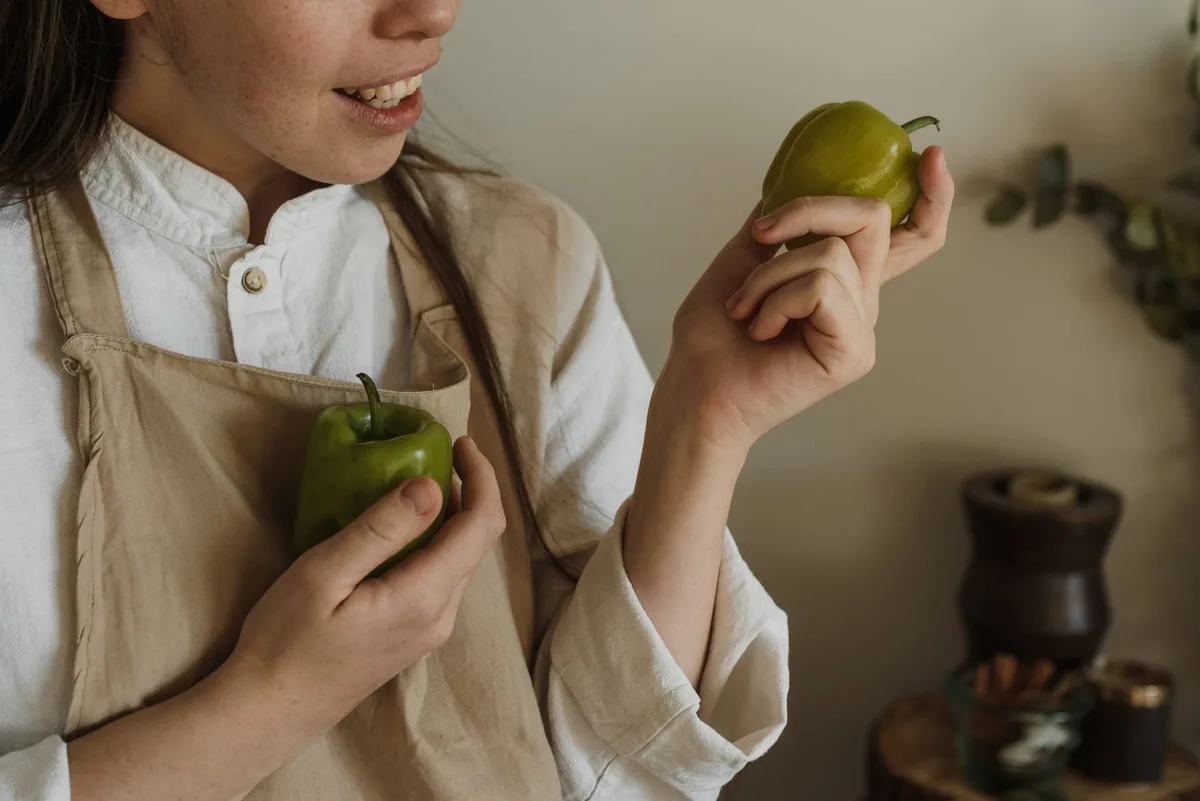
What's Going Inside? (Filling Type Variable)
Your filling is another major factor in determining the right temperature and time. Think about how dense, moist, or pre-cooked your filling is. A filling that's mostly vegetables might cook through quickly, while a dense, raw ground meat mixture will require more time and potentially a slightly more controlled temperature to ensure it cooks safely.
If your filling contains raw meat, you absolutely must ensure it reaches an internal temperature of 165°F (74°C) to prevent foodborne illness. This is a critical food safety standard, and it often dictates the minimum cooking time and temperature required.
Meat, Veggies, Grains: How They Affect Cooking
- Raw Meat Fillings: These require the most attention to temperature and time. You'll typically want to cook at a temperature that allows the meat to cook through without overcooking the pepper. A range of 375°F to 400°F (190°C to 200°C) for 15-25 minutes, depending on pepper size and meat quantity, is common.
- Pre-Cooked Meat/Vegetarian Fillings: If your filling is already cooked (like leftover chili, cooked rice, or sautéed veggies), your main goal is to heat everything through and soften the pepper. This process might be faster, and you can often get away with slightly lower temperatures or shorter cooking times.
- Grain-Based Fillings: Fillings heavy on grains like rice or quinoa often absorb moisture. Ensure there's enough liquid or moisture in the filling to prevent it from drying out during cooking.
Raw Filling or Pre-Cooked? (Filling Prep Variable)
This is one of the biggest forks in the road when it comes to cooking stuffed peppers. If your filling is raw, especially if it involves ground meat, the air fryer needs enough time and consistent heat to cook that filling to a safe internal temperature. This means you can't just throw everything in for a quick blast of heat.
When you're using pre-cooked components, your primary concern shifts to simply heating everything through and making sure the pepper itself becomes tender. This often allows for a bit more flexibility with temperature and time, and sometimes even a lower cooking temperature.
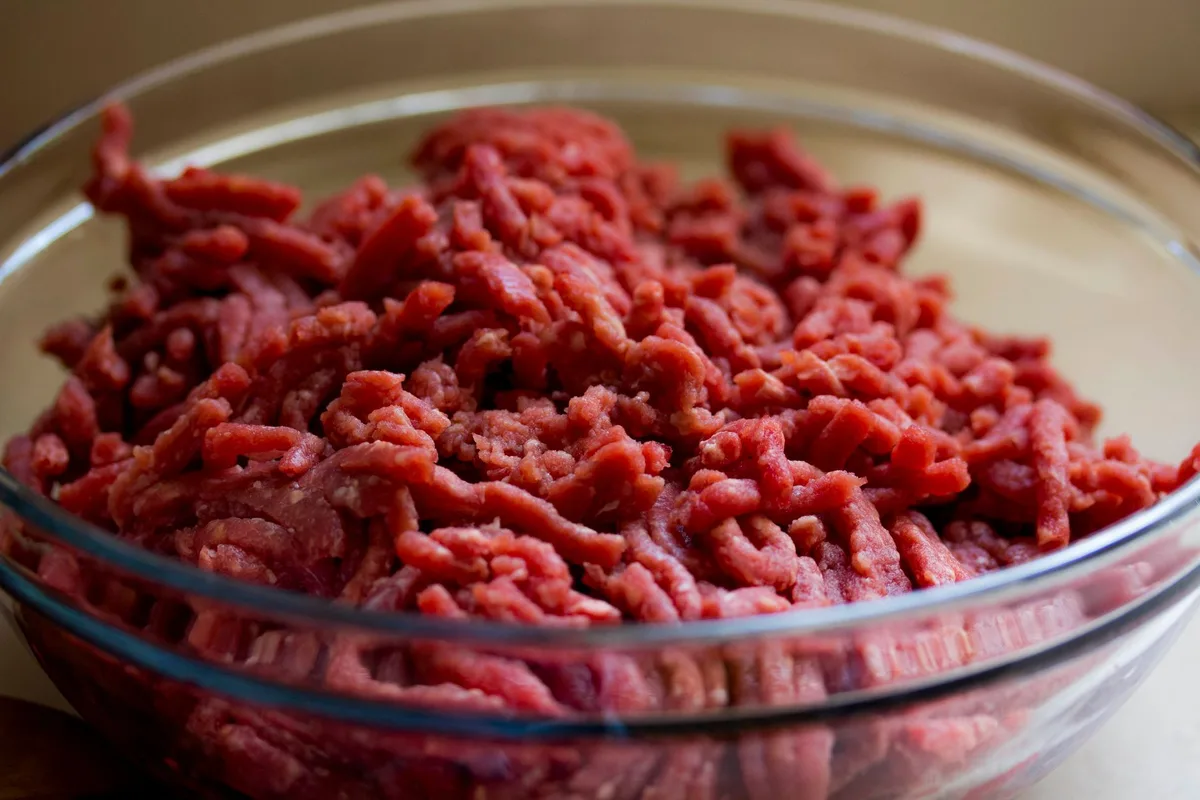
- Raw Meat Fillings: These usually require a longer cook time and often benefit from starting at a slightly higher temperature (like 375°F or 400°F) to help the meat brown and cook through. You'll need to be especially mindful of the internal temperature of the filling.
- Pre-Cooked Fillings: If your filling is already cooked (think leftover taco meat, cooked grains, or vegetables that have been sautéed), you can often get away with a lower temperature, perhaps starting around 350°F (175°C). The focus here is less on cooking and more on heating and softening the pepper. This scenario also means you might finish cooking faster.
Your Air Fryer's Got a Job to Do: Temperature Play
Your air fryer uses rapidly circulating hot air to cook food. This means temperatures can get quite efficient. For stuffed peppers, striking the right balance is key: too low, and your peppers might remain stubbornly firm; too high, and the outside can char before the inside is done or the filling is cooked.
Most air fryer manufacturer manuals provide baseline recommendations, often in the range of 350°F to 400°F (175°C to 200°C). Your best bet is to start with a recipe's suggestion, understand the variables we've just discussed, and be prepared to adjust based on how your specific appliance performs. As of 2026, many newer models offer precise temperature control, which really helps nail this balance consistently.
The 350°F Sweet Spot (and When to Go Higher)
A temperature of 350°F (175°C) is often a safe bet when you're less concerned about cooking raw meat thoroughly, perhaps because your filling is already cooked or entirely vegetarian. At this temperature, you're giving the pepper a good chance to soften without the exterior charring too quickly. If you're using a denser filling or larger peppers and this temp isn't quite cutting it after 15-20 minutes, it's usually a sign you might need to increase the heat or add a few more minutes.
Is 400°F Too Much for Stuffed Peppers?
Cooking at 400°F (200°C) can be excellent for getting a nice char on the pepper and ensuring raw meat fillings cook through quickly. However, you need to be very vigilant. The outer parts of the pepper can burn or become excessively brown before the interior is completely tender, or the filling might not cook evenly if it's very dense. If you opt for 400°F, keep a close eye on them and consider reducing the temperature slightly after the initial cooking if the peppers are browning too fast.
How Long Should They Dance in the Basket? (Time Guide)
Once you've got your temperature dialed in, the next piece of the puzzle is cooking time. This is where those variables, pepper size, filling type, and whether the filling is raw or pre-cooked, really come into play. You're looking for that sweet spot where the pepper is tender enough to easily cut with a fork, but not so soft that it’s falling apart. The filling should also be heated all the way through, especially if it contains meat.
Aggregate reviews suggest that most air fryer stuffed peppers fall within a 15 to 25-minute cooking window. However, this is just a guideline. Your specific air fryer's wattage and how full its basket is can also impact cooking speed. It’s always better to start checking a few minutes early rather than overcooking.
Finding That Perfect "Done" Point
To gauge if your stuffed peppers are ready, pierce the thickest part of the pepper with a fork. It should go in with minimal resistance. For fillings with meat, use an instant-read thermometer to confirm the internal temperature has reached at least 165°F (74°C), as recommended by the USDA for food safety. If you're just reheating or cooking a vegetarian filling, you're primarily looking for the pepper's tenderness and for the filling to be nicely heated through.
Don't Let Your Peppers Turn to Mush: Common Mistakes
One of the most common pitfalls when air frying stuffed peppers is ending up with either undercooked, tough peppers or peppers that have turned into a mushy mess. This often happens when the temperature is too low for too long, or too high with no monitoring. Overcrowding the air fryer basket is another culprit; it prevents hot air from circulating properly, leading to uneven cooking. You might get some parts cooked through while others remain raw.
Another mistake to watch out for is not prepping your peppers correctly. Leaving in too many seeds and membranes can make them bitter, and not trimming the tops evenly can lead to uneven cooking.
Undercooked or Overcooked? Spotting the Signs
- Undercooked: The pepper skin will feel hard and resistant when you try to pierce it. The filling might also be cold or still show signs of being raw, especially if it's meat-based.
- Overcooked: The pepper will be very soft, possibly starting to collapse or look translucent. The edges might be burnt, and the overall texture could be gummy rather than pleasantly tender. The filling might also have dried out.
Pro Tips for Air Fryer Stuffed Pepper Success
Getting consistently great results with stuffed peppers in the air fryer often comes down to a few simple techniques. For instance, if you’re using a very moist filling, consider pre-cooking some of the liquid out of it, or ensure your peppers are well-drained before stuffing. Also, avoid packing the filling too tightly; leave a little room, as some fillings expand slightly as they cook.
When it comes to arranging your peppers, make sure they have a bit of breathing room. Stuffing them too tightly in the basket will block airflow, hindering that signature air fryer crispiness and leading to uneven cooking. It’s better to cook in batches if necessary.
Arranging, Flipping, and Airflow Secrets
- Arrangement: Place your stuffed peppers in a single layer in the air fryer basket. Avoid letting them touch too much. If they’re halves, you can often place them cut-side up.
- Flipping/Rotating: About halfway through the cooking time, it's usually a good idea to carefully flip or rotate your stuffed peppers. This helps ensure even browning and cooking on all sides. Use tongs or a spatula to manage them safely.
- Airflow: Never use solid parchment paper liners that cover the entire bottom of the basket. Cut slits in them or use liners with holes to allow air to circulate. Some people wrap their stuffed peppers loosely in foil to prevent the tops from burning, but this can also reduce crispiness.
When to Pull the Trigger: Making Your Decision
So, what temperature should you aim for when cooking stuffed peppers in your air fryer? Our research points to a decision tree based on your primary ingredients. If you're cooking raw meat or a dense, moist filling in medium-to-large peppers, start with 375°F (190°C) and aim for 20-25 minutes, checking for doneness. If your filling is pre-cooked or you're using smaller peppers, you might opt for 350°F (175°C) for 15-20 minutes.
Always remember to monitor your peppers closely, especially during the last few minutes of cooking. Small adjustments in temperature by 10-15 degrees or for an extra 2-5 minutes can make all the difference between a perfectly cooked meal and one that's just okay.