
Is All-Clad HA1 Nonstick Good?
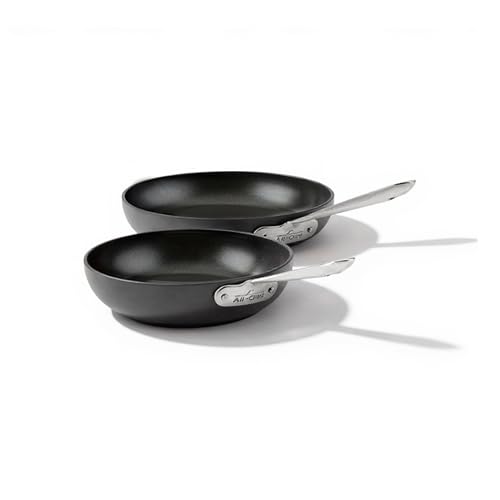
Yes. The All-Clad HA1 Hard Anodized Nonstick Fry Pan Set is a strong pick for cooks who want easy food release and simple cleanup. It includes 8-inch and 10-inch fry pans. The heavy-gauge hard-anodized body helps spread heat well. Its three-layer PFOA-free nonstick surface makes foods such as eggs and fish much easier to turn. The set also works on induction cooktops and is oven safe to 500°F.
I find nonstick especially useful on rushed mornings. Eggs need less oil, and pancakes release with little effort. Cleanup is also quick. That feels like a small win when I am cooking before work. The trade-off is care. I would use silicone, nylon, or wooden tools and avoid treating the coating like bare steel. For the non stick vs stainless steel cookware question, this is the easier option for delicate food.
What Makes It Stand Out / Key Features
- Hard Anodized BodyThe heavy-gauge aluminum body supports even heating and steady everyday cooking.
- Three Layer CoatingThe PFOA-free nonstick surface helps food release with less sticking.
- Induction ReadyA stainless steel base allows use on induction and other common cooktops.
- High Oven LimitThe pans are rated for oven use up to 500°F.
- Two Useful SizesThe 8-inch and 10-inch pans cover many small and medium cooking jobs.
- Riveted HandlesStainless steel handles provide a firm grip while cooking.
My Recommendation
Consider it if easy cooking and fast cleanup matter most. It fits busy home cooks, beginners, and anyone who often makes delicate foods.
| Best For | Why |
|---|---|
| Eggs and fish | Food releases easily with little sticking. |
| Busy families | Quick cooking and cleanup save time. |
| New cooks | The forgiving nonstick surface makes many basic dishes easier. |
Is Calphalon Classic Stainless Good?
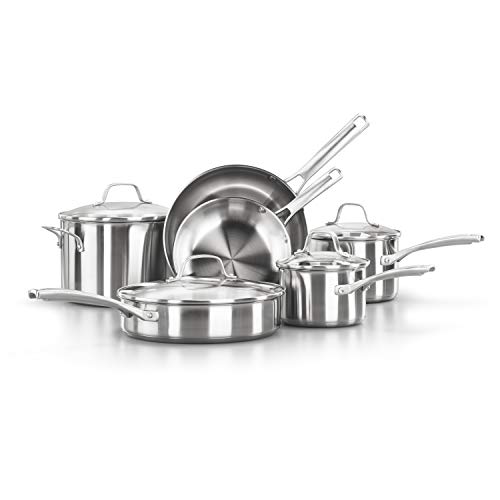
Yes. The Calphalon Classic Stainless Steel 10-Piece Cookware Set is a strong choice for cooks who want durable cookware and better browning. Its impact-bonded base uses aluminum to help spread heat. The set includes two fry pans, two saucepans, a saute pan, and a stock pot with covers. It works on gas, electric, glass, and induction cooktops. It is also dishwasher safe and oven safe up to 450°F.
This is the pan style I reach for when I want a deep brown crust on chicken or steak. Stainless steel can seem tricky at first. Heat the pan, add oil, then add the food. Once I learned that rhythm, stuck food became less scary. The browned bits left in the pan also become the base for a quick sauce. That is a major strength in the non stick vs stainless steel cookware debate.
What Makes It Stand Out / Key Features
- Stainless Steel ConstructionThe stainless steel cooking surface is built for long-term daily use.
- Aluminum CoreThe impact-bonded aluminum base helps distribute heat more evenly.
- Ten Piece SetThe set covers frying, sauteing, sauce making, and larger meals.
- Induction CompatibleThe cookware works across gas, electric, glass, and induction cooktops.
- Oven SafeThe cookware is oven safe up to 450°F.
- Dishwasher SafeThe set can go into the dishwasher for easier cleanup.
- Useful Cooking DetailsMeasuring marks, pour spouts, and straining covers add practical value.
My Recommendation
Choose it if you cook often and want one durable set for many jobs. It suits home chefs who value browning, high-heat cooking, and long service.
| Best For | Why |
|---|---|
| Searing meat | The steel surface supports strong browning and pan sauces. |
| Family meals | The 10-piece set covers many cooking tasks. |
| Long-term use | The stainless steel surface does not rely on a nonstick coating. |
non stick vs stainless steel cookware: Side-by-Side Test
The best choice depends on how you cook. Nonstick feels like a smooth road. Stainless steel feels like a strong truck. One makes delicate food easy. The other handles demanding cooking with confidence.
In this non stick vs stainless steel cookware comparison, I focus on everyday factors that matter in an American home kitchen: food release, heat, cleanup, durability, versatility, and care.
Food Release: Which Is Easier?
For eggs, pancakes, fish, and other delicate foods, the cooking surface matters a lot.
| Feature | Product 1 | Product 2 |
|---|---|---|
| Eggs | Excellent release | Needs good heat control |
| Fish | Very easy | Can stick if rushed |
| Pancakes | Easy | More skill needed |
⭐ Product A – 9.5/10 | Product B – 7/10
Nonstick has the edge when easy food release is the goal.
Searing: Which Browns Better?
Good searing needs strong heat and a surface that can handle it.
| Feature | Product 1 | Product 2 |
|---|---|---|
| Steak | Good | Excellent |
| Chicken | Good | Excellent |
| Pan sauce | Limited browning | Excellent fond |
⭐ Product A – 7.5/10 | Product B – 9.5/10
Stainless steel has the edge for browning, searing, and pan sauces.
Cleanup: Which Saves More Time?
Nobody wants dinner to end with a second cooking session at the sink.
| Feature | Product 1 | Product 2 |
|---|---|---|
| Light cleanup | Very easy | Easy |
| Burned food | Usually easier | May need soaking |
| Dishwasher | Allowed, but handwashing can help coating life | Dishwasher safe |
⭐ Product A – 9/10 | Product B – 8/10
Nonstick has the edge for quick cleanup.
Durability: Which Lasts Longer?
Cookware is an investment, so long service matters.
| Feature | Product 1 | Product 2 |
|---|---|---|
| Cooking surface | Coating can wear | Steel surface is durable |
| Metal tools | Avoid | Generally suitable |
| Long-term use | Needs more care | Strong choice |
⭐ Product A – 7.5/10 | Product B – 9.5/10
Stainless steel has the edge for long-term durability.
Oven Use: Which Is More Flexible?
Oven-safe cookware helps when a dish starts on the stove and finishes in the oven.
| Feature | Product 1 | Product 2 |
|---|---|---|
| Oven rating | Up to 500°F | Up to 450°F |
| Stovetop to oven | Yes | Yes |
| High heat | Good within rating | Very good |
⭐ Product A – 9/10 | Product B – 8.5/10
The All-Clad set has the higher stated oven limit.
Cooktop Use: Where Can They Work?
Modern American kitchens may use gas, electric, glass, or induction heat.
| Feature | Product 1 | Product 2 |
|---|---|---|
| Gas | Yes | Yes |
| Electric | Yes | Yes |
| Induction | Yes | Yes |
⭐ Product A – 9/10 | Product B – 9/10
Both sets offer broad cooktop compatibility.
Learning Curve: Which Feels Simpler?
A pan should help you cook, not make you feel like you need a cooking class.
| Feature | Product 1 | Product 2 |
|---|---|---|
| Beginner use | Very easy | Moderate |
| Heat control | Forgiving | More important |
| Sticking risk | Low | Higher if technique is poor |
⭐ Product A – 9.5/10 | Product B – 7.5/10
Nonstick has the edge for beginners and low-stress cooking.
Final Verdict: Which Should You Buy?
In the non stick vs stainless steel cookware debate, there is no single pan for every cook. The All-Clad HA1 nonstick set is better suited to easy food release, delicate foods, quick meals, and simple cleanup. It feels friendly and forgiving.
The Calphalon Classic stainless steel set is better suited to searing, browning, sauces, high-use cooking, and long-term durability. If I were building a kitchen around one broad-purpose set, I would lean toward stainless steel. If I wanted the easiest pan for eggs, fish, and rushed breakfasts, I would keep nonstick close by.
For many home cooks, the smartest answer to non stick vs stainless steel cookware is not either-or. A mix of both gives you the strengths of each.