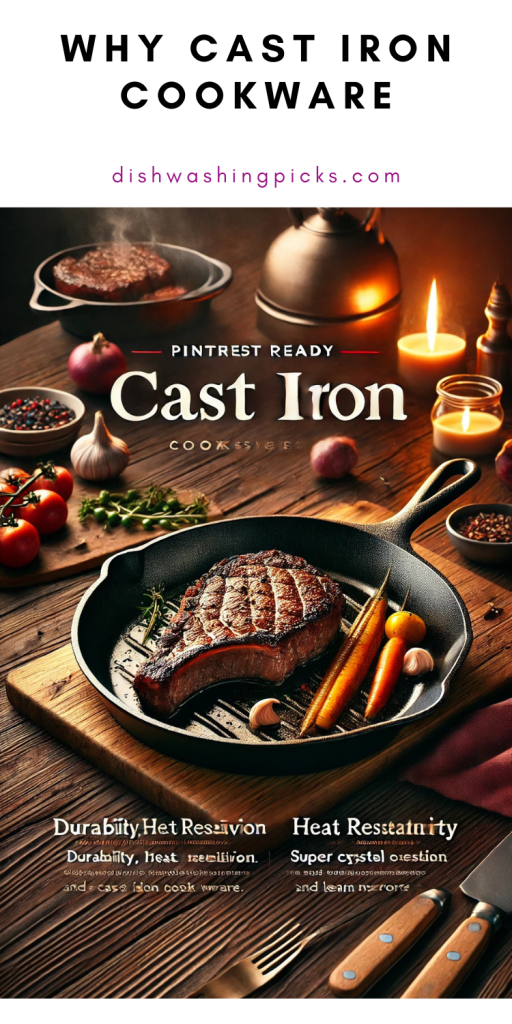
Cast iron cookware offers strong heat retention, even cooking, a durable build, and a naturally nonstick surface when properly seasoned.
From a busy weekday kitchen in New York to a weekend cookout in Texas, cast iron can handle many kinds of American cooking. You can use it to sear steaks, fry eggs, bake cornbread, roast chicken, and cook meals over a campfire. Its thick metal body holds heat well, which helps food cook and brown after the pan gets hot.
Another reason people use cast iron is its long service life. A well-cared-for skillet can last for decades, and many families pass these pans down through generations. Unlike cookware with a coating that can wear away, bare cast iron relies on a layer of seasoned oil that you can maintain and renew.
Still, cast iron is not the right tool for every meal. It is heavy, takes time to heat, and needs basic care to prevent rust. Acidic foods can also react with bare iron, especially when they cook for a long time. Understanding these limits helps you get the most from the pan without expecting it to do everything.
1. Cast Iron Holds Heat Better Than Many Other Pans
One of the main reasons to use cast iron cookware is its ability to hold heat. The metal has a high heat capacity, so it can store a lot of heat once it becomes hot. This helps the pan stay warm when you add food that is cooler than the cooking surface.
This feature is useful when you want a strong sear. A cold steak can lower the surface temperature of a thin pan very fast. A hot cast iron skillet is less likely to lose all its heat at once, which can help meat brown instead of steam.
Heat retention does not mean instant or perfectly even heating. Cast iron often takes longer to warm up than thin aluminum cookware. It can also develop hot spots if you heat it too fast or use a burner that is much smaller than the pan.
Source: linenandwildflowers.com
Better searing
A hot, well-preheated pan helps meat develop a brown crust while the inside cooks.
Stable frying temperature
The pan can help limit sudden temperature drops when you add food in small batches.
Useful for baking
A preheated skillet can help the base of cornbread, biscuits, and other baked foods brown.
How to get the best heat performance
Start with low or medium heat and give the pan time to warm up. Move the pan over the burner if you need to spread heat across a larger area. For a thick steak, preheat the skillet before adding the meat, then adjust the heat as needed.
Avoid turning a cold cast iron pan straight to maximum heat. A slow rise in temperature is easier to control and can reduce the chance of thermal stress. Use an oven mitt because the handle becomes hot along with the pan.
Preheat slowly
Allow several minutes for the pan to warm rather than using the highest setting from the start.
Match the burner
Use a burner that suits the pan’s base so heat can spread more evenly.
2. It Is Excellent for Searing and Browning Food
Cast iron is a useful choice when browning is a key part of the meal. Its ability to store heat helps the cooking surface stay hot as food cooks. This can support the browning reactions that give roasted meat, vegetables, and other foods a rich color and flavor.
You can use a cast iron skillet for steak, pork chops, burgers, chicken thighs, and firm vegetables. It also works well for foods that need a quick transfer from the stovetop to the oven. For example, you can brown chicken on the stove and finish cooking it in the oven if the pan is oven-safe.
A good crust still depends on more than the pan. Dry food, enough space, suitable heat, and the right cooking time all matter. If you crowd the skillet, food releases moisture and may steam instead of brown.
Source: caffeyolly.com
Steak and burgers
A properly heated skillet can create a deeply browned outside.
Roasted vegetables
Cast iron can brown potatoes, onions, mushrooms, and other vegetables.
Chicken and pork
The pan can brown the outside before you finish cooking the food through.
Why food sometimes sticks during searing
Food may stick if the pan is too cool, the surface is poorly seasoned, or you try to turn the food too soon. Protein often releases more easily after its surface has browned. Give it time rather than pulling at it with force.
Use a thin layer of cooking oil suited to the recipe and avoid adding wet food to a pan that is not ready. These small steps can improve browning and make cleanup easier.
Dry the food
Pat meat and vegetables dry when a crisp brown surface is the goal.
Avoid crowding
Cook in batches when needed so food has room to brown.
3. A Seasoned Cast Iron Pan Can Become Naturally Nonstick
Another reason people choose cast iron is its seasoned cooking surface. Seasoning is a thin layer of oil that has been heated until it bonds to the metal and forms a protective coating. This layer helps reduce sticking and protects bare iron from moisture.
Seasoning is not the same as a factory-applied synthetic nonstick coating. It is built up through cooking and care, and you can restore it if it becomes dull or damaged. A well-seasoned pan can release many foods with little sticking, although it may not perform like a new nonstick skillet with delicate eggs.
The surface improves with regular use when you clean and dry the pan well. Foods cooked with a little oil or fat can help maintain the seasoning. Scrubbing away all residue after every meal is not necessary, but old food and loose debris should be removed.
Source: philleighway.co.uk
Less sticking
A sound seasoning layer helps food move across the cooking surface.
Rust protection
The oil layer helps keep water from reaching the bare iron.
Renewable surface
You can add seasoning again when the surface becomes patchy or dull.
How to maintain the seasoning
After cooking, clean the pan with warm water and a brush or sponge. A small amount of mild dish soap is fine for a properly seasoned pan. Remove stuck food without scraping so hard that you damage the surface.
Dry the pan fully, then apply a very thin coat of cooking oil if needed. Wipe away extra oil so the surface does not feel wet or sticky. If you want to build a fresh layer, follow a suitable oven-seasoning method and the pan maker’s temperature guidance.
Use thin oil layers
Too much oil can leave a sticky surface instead of a smooth, hard layer.
Dry after washing
Do not leave water sitting in the pan or let it air-dry for a long time.
4. Cast Iron Is Very Durable and Can Last for Decades
Cast iron cookware is known for its long service life. A bare cast iron skillet has no delicate nonstick layer that must stay intact for the pan to remain useful. The metal body can handle regular home cooking, and a worn seasoning layer can usually be repaired.
This makes cast iron different from cookware that needs replacement when its coating becomes badly scratched or starts to peel. A rusty cast iron pan is not automatically ruined. In many cases, you can remove the rust, clean the pan, and build up a new seasoning layer.
Durability still depends on how you use the pan. Cast iron can crack if it suffers a hard impact or a sudden change in temperature. It can also rust if you store it while wet. Good care protects the pan and reduces the need for replacement.
Source: abodements.com
Long useful life
A sound pan can serve for many years when it is cleaned, dried, and stored well.
Repairable seasoning
You can often restore a worn cooking surface without replacing the whole pan.
Traditional bare cast iron does not depend on a separate synthetic nonstick layer.
Can old or rusty cast iron be restored?
Often, yes. Light surface rust can usually be scrubbed away before the pan is washed, dried, and seasoned again. Heavy rust, deep pitting, cracks, or severe damage need closer inspection before you use the cookware.
If the pan has a crack, stop using it. A cracked skillet can fail under heat and cause burns or spills. Do not assume that seasoning can repair structural damage.
Light rust
Remove loose rust, wash the pan, dry it fully, and restore the seasoning.
Cracks or severe damage
Do not cook with a cracked pan; replace it or seek a suitable repair assessment.
5. You Can Use It for Many Cooking Methods
Cast iron is versatile because many pieces can move between the stovetop, oven, grill, and campfire. A skillet can fry eggs, sear meat, bake cornbread, roast vegetables, and cook a one-pan meal. A Dutch oven can handle stews, soups, braises, and bread.
This range of uses can help reduce the number of pans you need. You can brown food on the stovetop and finish it in the oven without moving it to another dish. A Dutch oven can also hold steady heat during a slow cook.
Check the product instructions before using any pan in the oven or over an open flame. Some cast iron cookware has wood handles, added parts, or enamel finishes with different limits. The pan’s design, not just its material, determines where it can safely go.
Source: karibecompany.com
Stovetop cooking
Use a skillet for searing, sautéing, frying, and browning.
Oven cooking
Bake cornbread, roast vegetables, or finish meat when the full pan is oven-safe.
Outdoor cooking
Suitable bare cast iron can be used on a grill or campfire with safe heat control.
Slow cooking
A cast iron Dutch oven can hold heat for soups, stews, and braised dishes.
Cast iron skillet or Dutch oven?
A skillet has a wide, open cooking area. It is useful for frying, searing, baking, and foods that need space to brown. A Dutch oven has deep sides and a lid, so it is better for soups, stews, braises, and slow cooking.
Both types can be useful, but you do not need to buy both at once. Start with the shape that suits the meals you cook most often.
Choose a skillet
Pick one for steaks, eggs, burgers, cornbread, and everyday stovetop meals.
Choose a Dutch oven
Pick one for soups, stews, braised meat, and covered oven cooking.
6. Cast Iron May Add Some Iron to Your Food
Cooking in bare cast iron can increase the iron content of some foods. Small amounts of iron may move from the pan into food during cooking. The amount is not fixed, and it can change with the food, cooking time, moisture, and acidity.
Acidic and wet foods may take up more iron than dry foods cooked for a short time. This means tomato sauce or another acidic dish can interact with bare cast iron more than a quick sear. The effect may also change as the pan’s seasoning improves.
This does not make cast iron a medical treatment for low iron. The amount that enters food is hard to predict, and iron needs differ from person to person. Anyone with an iron deficiency should follow advice from a qualified health professional rather than relying on cookware.
Source: freetoflower.com
Iron transfer can happen
Bare iron may release some iron into food during cooking.
The amount varies
Food acidity, moisture, cooking time, and pan condition can affect transfer.
It is not a treatment
Do not use cast iron as a substitute for medical testing, diet advice, or prescribed care.
Does cast iron help with iron deficiency?
It may contribute some dietary iron, but you cannot control the amount well enough to treat a deficiency. A person’s iron status depends on diet, absorption, health, and other factors. A blood test and professional advice are more useful than changing cookware alone.
People who have been told to limit iron intake should ask their health professional whether regular cooking with bare cast iron is suitable for them.
For general cooking
Treat any iron transfer as a possible extra, not a measured nutrient dose.
For a health concern
Discuss iron intake and cookware use with a qualified clinician.
7. It Can Be a Practical Long-Term Value
Cast iron can offer good long-term value because it can remain useful for many years. The initial cost is only one part of the decision. You should also consider how often you will use it, how well you will care for it, and whether its weight and heating style suit your kitchen.
A basic skillet can perform several jobs, from frying to baking. You may not need a separate pan for every task. However, a low purchase price does not make cast iron the cheapest option for every cook. A person who wants a light pan for quick meals may get more use from aluminum or stainless steel.
Think of cast iron as a long-term kitchen tool rather than a disposable nonstick pan. It rewards regular care, but it asks you to spend more time on preheating, drying, and storage.
Source: dishwashingpicks.com
Fewer replacements
A well-maintained pan can stay in service for a long time.
Several cooking roles
One skillet can handle stovetop cooking, oven dishes, and some outdoor meals.
Low upkeep cost
Basic care needs common kitchen supplies rather than special cleaning products.
What should you consider before buying?
Check the pan’s weight, size, handle shape, and cooking surface. A large skillet may hold more food, but it can be hard to lift when full. A smaller pan may be easier to use every day.
Also check whether your stove is suitable for cast iron. Most cast iron works on gas, electric, and induction cooktops, but a heavy pan should be lifted rather than dragged across a glass surface. Follow the cooktop maker’s care advice.
Weight
Choose a size you can lift and move safely, even when food is inside.
Cooktop
Confirm compatibility and avoid sliding heavy cookware over glass.
Storage
Keep the pan dry and make sure you have room for its weight and shape.
8. Cast Iron Has Drawbacks You Should Understand
Cast iron is useful, but it is not a universal replacement for every pan. Its weight, slow heating, and care needs can make some tasks less convenient. Knowing these limits helps you choose the right cookware for each meal.
Bare cast iron can also react with acidic ingredients. Long cooking sessions with tomatoes, wine, vinegar, or lemon-based sauces may affect the seasoning and increase iron transfer. A well-seasoned pan may handle brief contact better, but it is not the best tool for every acidic recipe.
Rust is another concern if water stays on the surface. The solution is simple but must be consistent: clean the pan, dry it fully, and store it in a dry place. Do not leave it soaking in a sink or put it away while damp.
Source: freetoflower.com
Heavy construction
Large pans can be difficult to lift, pour from, or clean.
Slow heating
The pan needs time to warm, so it is less suited to rushed cooking.
Rust risk
Moisture left on bare iron can lead to rust.
Acidic food limits
Long acidic cooks may damage seasoning or change the taste of food.
When should you avoid bare cast iron?
Use another pan for long tomato sauces, vinegar-heavy braises, or other highly acidic dishes if your cast iron seasoning is new or weak. Stainless steel or suitable enameled cookware is often a better choice for these meals.
You may also prefer another pan for delicate foods that need very low sticking without much added fat. A well-seasoned skillet can cook eggs, but results depend on the surface, heat, and technique.
Long acidic recipes
Choose stainless steel or enameled cast iron for prolonged cooking with acidic ingredients.
Quick, light tasks
Use a lighter pan when rapid heating and easy handling matter more than heat storage.
9. How to Use Cast Iron Cookware the Right Way
Good results start with slow preheating, suitable oil, and basic surface care. You do not need a complicated routine. A few steady habits help the pan cook well and keep rust away.
Before cooking, check that the pan is clean and dry. Warm it over low or medium heat, then add oil when the surface is ready. Add food in batches if needed, and avoid sudden temperature changes.
After cooking, let the pan cool enough to handle safely. Clean off food, dry it completely, and apply a thin coat of oil if the surface needs it. Store it where air can circulate and moisture cannot collect.
Source: philleighway.co.uk
Step 1: Inspect the surface
Check for rust, loose residue, cracks, or damaged seasoning before use.
Step 2: Preheat with care
Warm the pan gradually over low or medium heat.
Step 3: Add a little oil
Use a suitable cooking oil when the pan is warm.
Step 4: Cook without crowding
Leave enough room for food to brown and turn it when it releases more easily.
Step 5: Clean and dry
Remove food residue, dry the whole pan, and store it in a dry place.
How to tell whether the pan is ready
A properly heated pan should warm across its cooking area, although some variation is normal. A small drop of water may move across a hot surface, but do not rely on water alone as a precise temperature test. Follow the needs of the food and use a thermometer when safe cooking temperature matters.
If food sticks, check the heat, seasoning, and cooking space before blaming the pan. Let meat brown before turning it, use enough oil for the recipe, and avoid adding too much cold food at once.
Food sticks at once
The pan may be too cool, the surface may need seasoning, or the food may be wet.
Food burns before cooking through
Lower the heat and allow the pan to warm more gradually next time.
The surface feels sticky
Too much oil may have built up; clean the surface and use a much thinner layer.
10. Cast Iron Compared With Other Common Cookware
The best cookware depends on what you cook and how you like to work in the kitchen. Cast iron stands out for heat storage and durability, while other materials can be lighter, easier to maintain, or better suited to certain foods.
There is no single material that wins every comparison. Stainless steel is a strong option for acidic sauces and browning. Nonstick cookware is often easier for delicate foods and low-fat cooking. Aluminum heats quickly and is usually lighter to handle.
Source: recipes.net
Cast iron
Best suited to strong searing, oven use, frying, baking, and long service life.
Stainless steel
Useful for acidic sauces, everyday cooking, and a surface that does not need seasoning.
Traditional nonstick
Useful for delicate foods and easy release, but the coating needs care and eventual replacement.
Aluminum
Often lighter and quick to heat, although performance depends on thickness and construction.
Is cast iron better than stainless steel?
Neither material is better for every job. Cast iron holds heat well and is useful for searing, while stainless steel is easier to use with acidic foods and does not need seasoning. Stainless steel can also be lighter, depending on the pan.
If you cook steaks, burgers, cornbread, and roasted vegetables often, cast iron may earn a regular place on your stove. If you make tomato sauces, pan sauces, and dishes with wine or vinegar, stainless steel may be more practical.
Pick cast iron for
Heat retention, strong browning, baking, and a repairable seasoned surface.
Pick stainless steel for
Acidic cooking, easier routine care, and a lighter pan in many designs.
Is enameled cast iron different?
Yes. Enameled cast iron has a glass-like coating over the iron. It keeps much of the material’s heat-retention benefit but does not need the same seasoning routine as bare cast iron.
The enamel surface is useful for soups, stews, and acidic foods. However, it can chip if the cookware is dropped or struck, and the maker’s heat limits still apply.
Bare cast iron
Needs seasoning and careful drying, and can react with long acidic cooks.
Enameled cast iron
Has a coated cooking surface that is easier to clean and more suitable for acidic dishes.
11. Who Should Use Cast Iron Cookware?
Cast iron is a good fit for home cooks who enjoy searing, frying, baking, and making meals that move from the stove to the oven. It can also suit people who want durable cookware and do not mind a short cleaning and drying routine.
It may be less suitable for anyone who finds heavy cookware hard to lift or who wants a pan that heats very quickly with little preparation. People who cook mostly acidic sauces may prefer stainless steel or enameled cast iron.
You do not need to replace your whole cookware set to enjoy its benefits. One skillet can be enough to see whether its weight, heat response, and care needs work in your kitchen.
Source: karibecompany.com
A good fit
People who often cook meat, eggs, vegetables, skillet breads, and oven-finished meals.
A possible poor fit
People who need very light cookware, rapid heating, or a low-care surface.
A flexible starting point
One medium skillet can cover many common home cooking tasks.
12. A Practical Cast Iron Care Checklist
A simple routine can keep cast iron in good shape without taking much time. Focus on removing food, preventing moisture, and protecting the seasoning. The goal is a clean, dry cooking surface, not a perfect showroom finish.
Use this checklist after each cooking session and adjust it if the pan maker gives different instructions. If you see rust or a patchy surface, deal with it before the problem spreads.
Source: abodements.com
Clean
Wash away food with warm water and a brush or sponge. Mild dish soap is acceptable.
Dry
Use a towel and, if needed, gentle heat to remove all moisture.
Oil lightly
Apply a very thin coat when the surface needs protection.
Store
Keep the pan in a dry place and avoid trapping moisture under a tight cover.
Check
Look for rust, cracks, sticky oil, and loose food before the next use.
Common care mistakes to avoid
Do not leave cast iron soaking in water or put it away while damp. Do not pour cold water into a very hot pan, as a sudden temperature change can cause damage. Avoid thick coats of oil during routine care because they can turn sticky.
You also do not need to avoid soap at all costs. A small amount of mild dish soap will not automatically remove sound seasoning. Clean the pan based on how dirty it is, then dry it well.
Do not soak
Long contact with water raises the risk of rust.
Do not shock the pan
Let it cool before washing to reduce sudden temperature changes.
Do not over-oil
Wipe away excess oil to avoid a tacky surface.
Frequently Asked Questions
Q
Why is cast iron cookware so popular?
Cast iron is popular because it holds heat well, supports strong browning, works for many cooking methods, and can last for decades. Its seasoned surface can also release food well when properly maintained. The main trade-offs are weight, slower preheating, and the need to prevent rust.
Q
Is cooking with cast iron healthy?
Cast iron is a useful cooking material, and bare cast iron may add small amounts of iron to food. The amount varies with the recipe and cooking conditions. It is not a treatment for iron deficiency, and people who need to limit iron intake should ask a health professional about regular use.
Q
Can you cook eggs in a cast iron skillet?
Yes. A well-seasoned cast iron skillet can cook eggs, but heat control and surface condition matter. Preheat gently, add a little butter or oil, and avoid cooking over excessive heat. If eggs stick, improve the seasoning or adjust the cooking method.
Q
Can you cook tomatoes in cast iron?
You can cook tomatoes briefly in well-seasoned cast iron, but long simmering is less suitable for bare cast iron. Acid can interact with the iron and weaken seasoning. Stainless steel or enameled cast iron is usually a better choice for long tomato-based sauces.
Q
Does cast iron cookware work on induction stoves?
Yes. Cast iron is magnetic and generally works on induction cooktops. Check that the pan has a flat base and follow the cooktop maker’s instructions. Lift the pan instead of dragging it across a glass surface to reduce the risk of scratches.
Q
Do you need to season cast iron every time you use it?
No. You do not need to carry out a full oven-seasoning process after every meal. Clean and dry the pan after use, then apply a very thin layer of oil if the surface needs it. Full seasoning is useful when the cooking surface becomes worn, patchy, or rusty after proper cleaning.
Q
Can cast iron cookware go in the oven?
Many bare cast iron pans are oven-safe, but you should check the product instructions first. Handles, lids, knobs, and added materials can have different temperature limits. Always use oven mitts because the handle heats up along with the pan.
Q
Is cast iron better than nonstick cookware?
Cast iron is better suited to strong searing, oven cooking, and long-term durability. Nonstick cookware is often easier for delicate foods and quick cleanup. The better option depends on your cooking needs, comfort with maintenance, and the type of food you make most often.
✦ Wrapping Up
Conclusion
The main reason to use cast iron cookware is its mix of heat retention, strong browning, versatility, and long service life. A seasoned skillet can handle many everyday meals, from eggs and burgers to cornbread and roasted vegetables. It can also move from the stovetop to the oven when its design allows.
Cast iron does have limits. It is heavy, takes time to heat, needs to stay dry, and is not ideal for every long acidic recipe. These trade-offs matter more than broad claims that cast iron is always the best or healthiest cookware.
For many home cooks, one well-chosen skillet is a practical way to start. Use it for the foods it handles well, maintain the seasoning, and keep stainless steel or another pan available for tasks that suit it better.
💡 Key Takeaway
Choose a cast iron skillet in a size you can lift safely, preheat it gradually, use it for searing and baking, and clean and dry it after every meal.