Stainless steel is the best overall cookware material for most households because it is durable, versatile, easy to maintain, and suitable for many cooking methods.
Choosing cookware in the United States can feel confusing. American kitchens use gas ranges, electric stoves, glass cooktops, and induction systems. Each type of stove can affect how a pot or pan performs. Your cooking habits, budget, and cleaning routine also matter.
There is no single material that works best for every meal. Stainless steel is a strong choice for everyday cooking, cast iron is excellent for searing, and carbon steel offers a lighter option for high-heat cooking. Nonstick cookware makes eggs and delicate foods easier to prepare, while aluminum offers quick heating at a lower cost.
The best approach is to match the cookware material to the food you prepare most often. You should also consider heat distribution, weight, food reactivity, durability, and care needs. A small collection of different materials can often serve you better than one large matching cookware set.
Stainless steel is the best overall cookware material for most home cooks. It handles many cooking tasks, resists rust and corrosion, and does not react easily with common acidic foods. You can use it for frying, browning, boiling, simmering, and making sauces.
Its biggest strength is its balance. Cast iron holds more heat, aluminum heats quickly, and copper responds faster to temperature changes. Stainless steel offers a useful middle ground with less demanding care.
However, the quality of stainless steel cookware depends on its construction. A thin stainless steel pan may heat unevenly because stainless steel alone does not conduct heat as well as aluminum or copper. Better cookware often combines a stainless steel cooking surface with a conductive inner layer.
For most households, a good stainless steel skillet, saucepan, and stockpot provide a reliable starting point. You can add specialized pans later when your cooking habits call for them.
Source: cookwareguider.com
Best for everyday cooking
Stainless steel works well for vegetables, meat, pasta sauces, soups, rice, and many other meals.
Best for long-term use
Quality uncoated stainless steel can last for many years when cleaned and stored properly.
Main limitation
Food can stick when the pan is too cold, too hot, or used without enough cooking fat.
Why Tri-Ply Stainless Steel Is Worth Considering
Tri-ply cookware uses three bonded layers, commonly stainless steel on the outside and an aluminum core between them. This design combines a durable cooking surface with better heat movement.
The aluminum layer helps spread heat across the pan. The stainless steel surface provides a sturdy area for cooking and cleaning. Many tri-ply designs also work with induction cooktops when their exterior layer is magnetic.
Five-ply cookware uses more layers, but more layers do not automatically mean better cooking. Thickness, core material, bonding quality, and pan design matter more than the layer count alone.
Check the full construction
Look for information about the inner core, sidewall construction, and magnetic exterior.
Consider the weight
Thicker layered cookware may feel heavier, especially when filled with food.
How to Prevent Food From Sticking to Stainless Steel
Preheating and temperature control make a major difference. Warm the pan over moderate heat, add cooking oil, and allow the oil to heat before adding food.
Dry meat and vegetables before cooking when browning is the goal. Food often releases more easily after a crust forms, so avoid turning it too early. Lower the heat if the pan begins smoking heavily.
Use moderate preheating
Avoid heating an empty pan for too long, especially over high heat.
Give food enough space
Overcrowding can lower the pan temperature and create excess moisture.
Comparing the Most Popular Cookware Materials
Different cookware materials have different strengths. Some move heat quickly, while others hold heat for a long time. Some need seasoning, while others require little more than normal washing.
The table below compares the main options by their practical use. These are general material characteristics. Actual performance can vary with thickness, construction, coating, burner size, and cookware quality.
Source: cookwareguider.com
Stainless steel
Best overall for everyday cooking, browning, sauces, and long-term use.
Cast iron
Best for strong searing, frying, baking, and steady heat.
Carbon steel
Best for high-heat cooking, stir-frying, and cooks who want a lighter seasoned pan.
Aluminum
Best for affordable cookware that heats quickly.
Copper
Best for precise temperature control and delicate cooking.
Nonstick
Best for eggs, pancakes, fish, and easy cleanup.
Enameled cast iron
Best for slow cooking, soups, braises, and acidic sauces.
Cookware Material Comparison Table
Use this table as a starting point when choosing pots and pans. Induction compatibility depends on the actual cookware base, not simply the name of the material.
Stainless steel
Heat performance: moderate alone and better with a conductive core. Maintenance: easy. Induction: often compatible. Durability: high.
Cast iron
Heat performance: slow to heat but excellent heat retention. Maintenance: seasoning and drying are needed. Induction: compatible. Durability: very high with care.
Carbon steel
Heat performance: responsive and suitable for high heat. Maintenance: seasoning and drying are needed. Induction: generally compatible. Durability: high.
Aluminum
Heat performance: fast and even when properly made. Maintenance: depends on finish. Induction: generally needs a magnetic base. Durability: varies.
Copper
Heat performance: excellent heat response. Maintenance: regular care and attention to lining. Induction: usually needs a special magnetic base. Durability: depends on construction.
Nonstick
Heat performance: usually fast because of its aluminum body. Maintenance: gentle cleaning. Induction: depends on the base. Durability: limited by coating wear.
Enameled cast iron
Heat performance: slow heating and strong heat retention. Maintenance: no seasoning, but avoid damaging the enamel. Induction: compatible. Durability: high when the enamel remains intact.
Heat Distribution Is Not the Same as Heat Retention
Heat distribution describes how well a pan spreads heat across its cooking surface. Heat retention describes how well it stays hot after absorbing heat. These are two different properties.
Aluminum and copper are good heat conductors. Cast iron is a slower conductor, but its mass helps it hold heat. This explains why a cast iron skillet can be excellent for searing even though it takes longer to warm up.
For everyday cooking, a pan with good heat distribution can help reduce hot spots. For steaks or deep frying, heat retention can be more useful because adding cold food causes less temperature loss.
For quick temperature changes
Copper is especially responsive when the heat needs to rise or fall quickly.
For steady high heat
Cast iron is useful when maintaining a hot cooking surface matters.
Is Cast Iron the Best Cookware Material for High Heat?
Cast iron is one of the best materials for cooking that needs strong, steady heat. It is thick, heavy, and able to retain heat for a long time. These qualities make it useful for searing steaks, frying chicken, cooking cornbread, and baking dishes in the oven.
A cast iron skillet can move from the stovetop to the oven when its design and handle allow it. It is also compatible with most induction cooktops because iron responds to magnetic induction.
The main disadvantage is its weight. A large cast iron skillet can be difficult to lift, especially when full. It also takes longer to heat and cool than many other cookware materials.
Traditional cast iron needs seasoning. Seasoning is a thin layer of baked-on oil that helps protect the surface from rust and improves food release. It is not the same as a factory-applied synthetic nonstick coating.
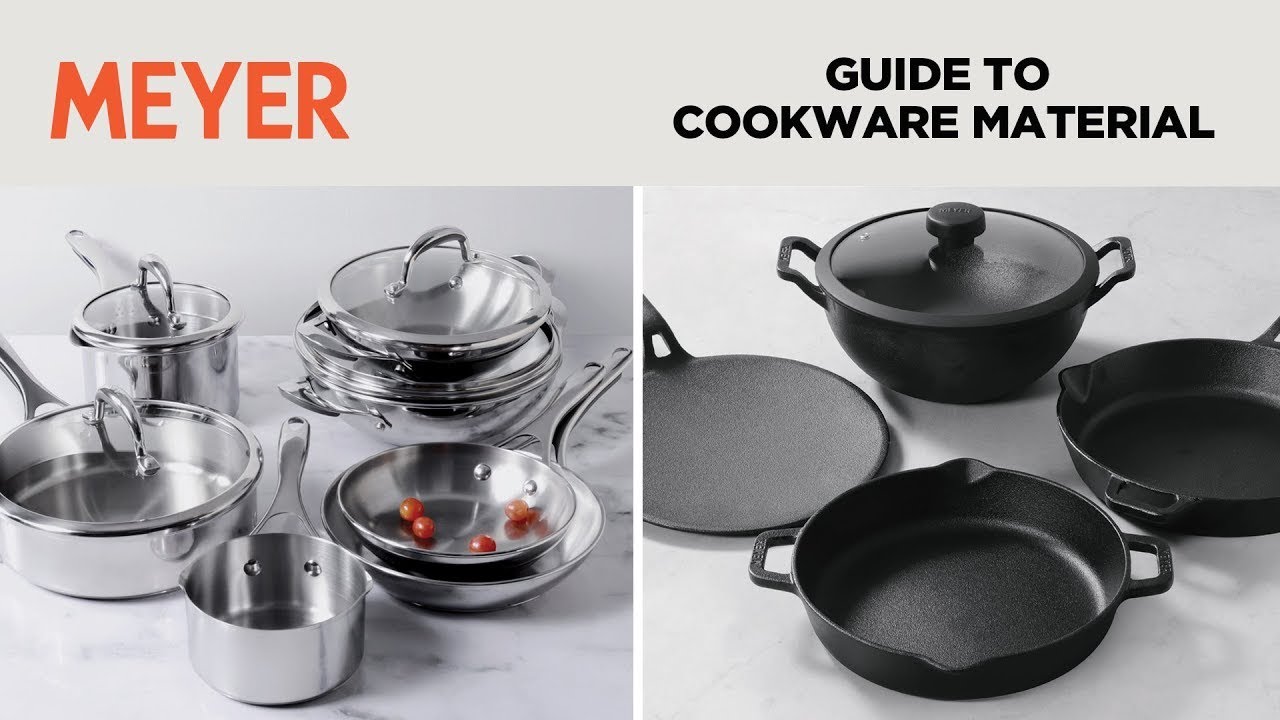
Source: diningtokitchen.com
Excellent heat retention
The heavy body helps maintain cooking temperature when cold food is added.
Long service life
A well-maintained cast iron pan can remain useful for decades and may be restored if surface rust develops.
Needs basic care
Dry the pan after washing, apply a thin layer of oil when needed, and avoid leaving it wet.
Is Cast Iron Good for Everyday Cooking?
Yes, cast iron can be used every day if you are comfortable with its weight and maintenance. It works well for eggs, vegetables, meat, and many baked dishes once its seasoning is established.
However, long cooking with acidic foods such as tomato sauce can affect the seasoning and may increase iron transfer into food. For long acidic recipes, stainless steel or enameled cast iron is usually a more convenient choice.
Use it for
Steaks, burgers, roasted vegetables, cornbread, and shallow frying.
Avoid careless storage
Moisture can cause rust, so dry the pan completely before putting it away.
Why Enameled Cast Iron Is Different
Enameled cast iron has a glass-like coating over its iron body. This surface removes the need for seasoning and makes it easier to cook tomato-based dishes, soups, and acidic sauces.
It also keeps the strong heat retention of cast iron. The trade-offs are weight, higher purchase cost for some products, and the possibility of chipped or cracked enamel if the cookware is dropped or handled roughly.
Use wooden, silicone, or other suitable utensils when recommended by the manufacturer. Avoid sudden temperature changes that could damage the enamel.
Best for slow cooking
Dutch ovens and enameled pots are useful for stews, soups, braises, and bread.
No seasoning required
The enamel protects the iron and provides a smooth cooking surface.
Is Stainless Steel Better Than Aluminum Cookware?
Stainless steel is usually better for long-term durability, while aluminum is better at moving heat quickly and keeping cookware lightweight. The right option depends on what you value most.
Aluminum is widely used in cookware because it heats quickly and spreads heat well. It is also relatively affordable. Manufacturers often use it as the core of stainless steel pans or as the body of nonstick cookware.
Bare aluminum can react with acidic or salty foods under some conditions. It may also discolor or develop surface marks over time. Anodized aluminum has a treated surface that is harder and more resistant to wear than ordinary aluminum, although it still needs proper care.
Stainless steel is generally less reactive with food and better suited to a wide range of recipes. It can also handle more demanding cleaning and cooking routines, depending on its construction.
Source: prudentreviews.com
Choose stainless steel
If you want durable cookware for browning, sauces, boiling, and frequent daily use.
Choose aluminum
If you want lightweight cookware that heats quickly and costs less.
Choose hard-anodized aluminum
If you want a more durable aluminum body for everyday cooking and prefer its lighter weight.
Does Aluminum Cookware Work on Induction?
Most ordinary aluminum cookware does not work directly on induction cooktops because aluminum is not magnetic. Induction systems need a suitable magnetic cooking base to transfer energy into the pan.
Some aluminum pans have a bonded stainless steel base designed for induction use. Check the manufacturer’s compatibility information before purchasing. You can also test a pan with a magnet, although the manufacturer’s instructions remain the best source for compatibility.
Check the bottom
Look for an induction-compatible symbol or a clearly stated induction rating.
Use a magnet as a basic check
A magnet that sticks firmly to the cooking base suggests that the pan may work with induction.
Is Hard-Anodized Aluminum Safe?
Hard-anodized aluminum is treated through an electrochemical process that creates a harder surface. It is commonly used in cookware because it offers good heat transfer and better surface durability than untreated aluminum.
The safety and care instructions depend on the full product design. Some hard-anodized pans have a separate nonstick coating, while others have an uncoated cooking surface. Follow the manufacturer’s instructions and replace cookware when the cooking surface becomes badly damaged.
Identify the surface
Do not assume every hard-anodized pan has the same coating or cooking properties.
Avoid rough cleaning
Use cleaning tools and detergents approved for the specific finish.
Are Ceramic and Nonstick Cookware Materials Good Choices?
Ceramic and traditional nonstick cookware are good choices when easy food release and quick cleanup are priorities. They are especially useful for eggs, pancakes, fish, and other foods that can stick to uncoated metal.
However, ceramic and traditional nonstick cookware are not the same material. Traditional nonstick pans commonly use a PTFE-based coating over an aluminum or other metal body. Ceramic nonstick pans usually have a different coating designed to provide a nonstick surface without PTFE.
Many products marketed as ceramic cookware are not made entirely from ceramic. They often have an aluminum body with a ceramic-based nonstick finish. True ceramic cookware, such as certain clay-based pots, has different heat and handling characteristics.
Both types of coated cookware can lose their food-release performance with regular use. Their useful life depends on coating quality, cooking temperature, utensils, cleaning methods, and storage.
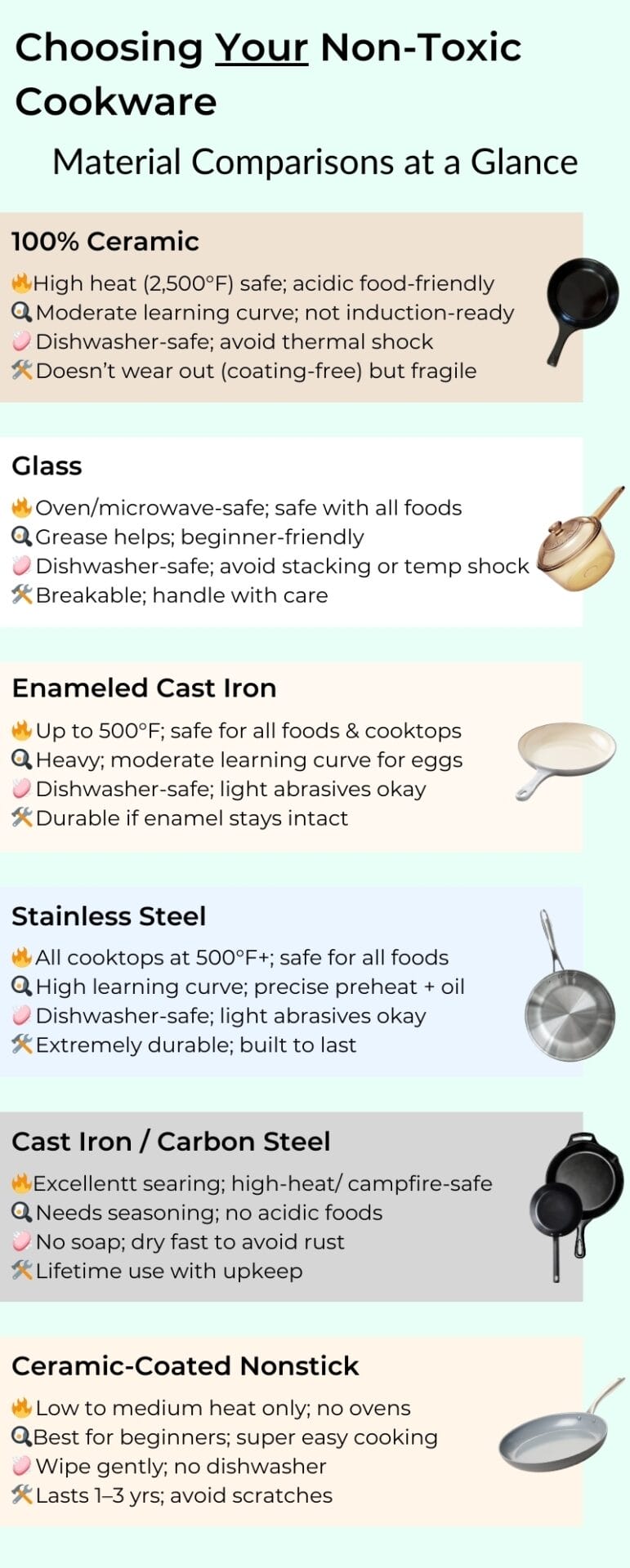
Source: www.pinterest.com
Easy food release
Nonstick coatings help delicate foods move across the cooking surface with less sticking.
Less demanding cleanup
Most coated pans can be cleaned with warm water, mild dish soap, and a soft sponge.
Limited coating life
The cooking surface can wear down, so coated pans may need replacement sooner than uncoated stainless steel or cast iron.
Ceramic Nonstick vs. Traditional Nonstick
Traditional PTFE nonstick cookware is known for its smooth food-release properties. It is useful for low-to-medium-heat cooking and can make delicate recipes easier to manage.
Ceramic nonstick cookware is often chosen by people who prefer a coating made without PTFE. Its food-release performance can decline with use, and some products lose their nonstick properties faster than expected.
Neither type should be treated as indestructible. Avoid overheating, empty-pan preheating, abrasive cleaners, and rough utensils unless the manufacturer specifically allows them.
Traditional PTFE
Useful for eggs, fish, and foods that need a smooth release. Follow the stated temperature limits.
Ceramic nonstick
An alternative coating option, but its release performance can decline with repeated use.
How to Use Nonstick Cookware Safely
Use coated cookware according to its instructions. Avoid leaving an empty nonstick pan over a hot burner, and do not use excessive heat. High temperatures can damage coatings and may create harmful fumes when some PTFE cookware is severely overheated.
Use an exhaust fan or open a suitable window for ventilation. Do not place a pan in the oven unless its manufacturer confirms that the body, handle, lid, and coating are all rated for the intended temperature.
Replace a pan when its coating is badly peeling, flaking, or damaged. Minor surface wear does not automatically establish a specific health risk, but a damaged pan may no longer perform as intended.
Keep the heat controlled
Low and medium heat are suitable for most nonstick cooking tasks.
Choose suitable utensils
Wooden, silicone, and other manufacturer-approved utensils help reduce surface damage.
Store pans carefully
Use pan protectors or separate cookware when stacking to reduce scratches.
Why Carbon Steel and Copper Are Worth Considering
Carbon steel and copper are useful specialty materials for cooks who want more control over particular cooking tasks. They are not necessary for every household, but both offer benefits that can be difficult to match with other cookware.
Carbon steel combines a relatively light body with good heat response. Copper provides excellent thermal conductivity and responds quickly when you change the burner setting. The main difference is that carbon steel requires seasoning, while copper usually needs a protective lining and more careful maintenance.
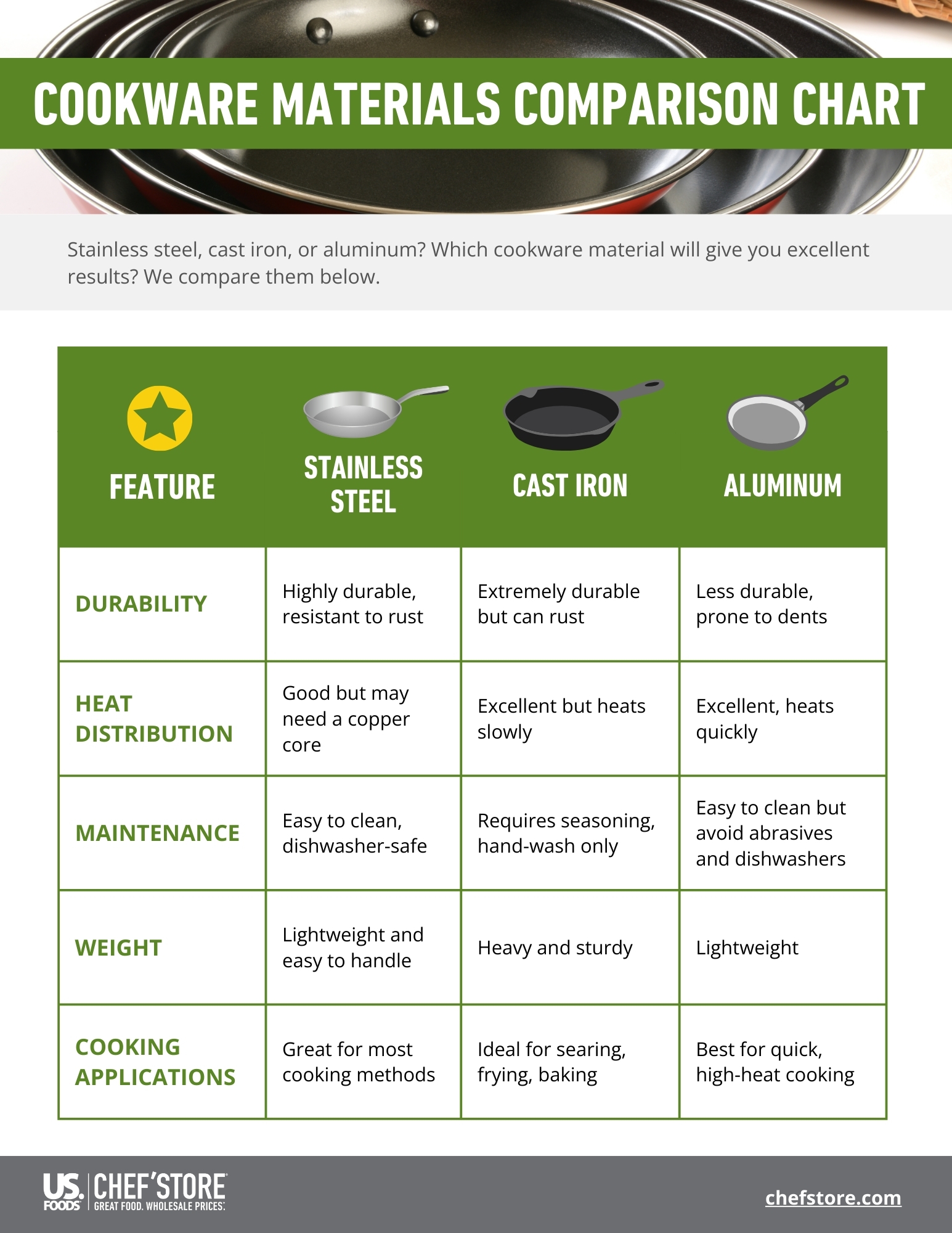
Source: chefstore.com
Carbon steel
A strong option for stir-frying, searing, pancakes, and high-heat cooking.
Copper
A specialist option for delicate sauces, sugar work, and precise temperature control.
Carbon Steel vs. Cast Iron
Carbon steel and cast iron are both iron-based cookware materials. They can handle high heat and develop seasoning through repeated cooking and proper oil treatment.
The main difference is construction. Carbon steel is generally thinner and lighter, so it responds to heat changes more quickly. Cast iron is usually thicker and heavier, which helps it retain heat for longer.
Carbon steel can be a practical option if you enjoy the cooking performance of cast iron but want a pan that is easier to lift and move. Both materials can rust if left wet and both need suitable care.
Pick carbon steel
For lighter handling, quick response, stir-frying, and versatile stovetop cooking.
Pick cast iron
For strong heat retention, heavy-duty searing, and oven-based recipes.
Is Copper Cookware Worth the Cost?
Copper can be worth the cost for cooks who need precise heat control. It responds quickly to burner adjustments, which is useful when preparing custards, delicate sauces, and recipes that can scorch easily.
Most copper cookware used for general cooking has a stainless steel or tin lining. This lining separates the food from the copper body. The condition of the lining matters, because exposed copper should not be treated like an ordinary stainless steel cooking surface.
Copper is usually more expensive than stainless steel or aluminum. It can also tarnish and may require polishing. Pure copper cookware is generally not induction-compatible unless it has a suitable magnetic base.
Best for experienced cooks
It provides responsive temperature control for recipes that need careful heat adjustment.
Check the lining
Inspect tin or stainless steel lining condition and follow the manufacturer’s care instructions.
What Is the Safest Material for Cookware?
For people who want to avoid synthetic nonstick coatings, uncoated stainless steel, properly maintained cast iron, and sound enameled cast iron are practical choices. These materials have long histories of use in home kitchens and do not depend on a conventional nonstick coating for their cooking performance.
However, no cookware material should be described as completely risk-free in every situation. Safety depends on the material, manufacturing quality, food type, temperature, surface condition, and how the cookware is used.
The U.S. Food and Drug Administration regulates food-contact substances used in products such as cookware. Its review process considers information about how much of a substance may migrate into food under its intended conditions of use, along with relevant toxicological information.
This does not mean that every cookware product has been individually tested by the FDA. It also does not mean that a material name alone proves that a particular pan is safe. Buyers should check the actual product construction, intended use, and manufacturer instructions.
Source: chefstore.com
Uncoated stainless steel
A practical option for people who want durable cookware without a synthetic nonstick cooking surface.
Cast iron
A useful uncoated option, although acidic foods and excessive iron intake may matter in some circumstances.
Enameled cast iron
A smooth, coated option that does not need seasoning and is suitable for acidic recipes when the enamel is intact.
Coated nonstick
Can be used as intended, but temperature limits and surface care are important.
Does Stainless Steel Leach Metals Into Food?
Stainless steel contains iron, chromium, and often nickel. Small amounts of metals may transfer into food under certain cooking conditions, particularly when the cookware is new or when acidic ingredients are cooked for longer periods.
The amount can vary with the steel grade, cooking time, food acidity, and pan condition. People with a known nickel allergy or specific medical concerns may wish to discuss suitable cookware choices with a qualified healthcare professional.
For most general cooking needs, quality stainless steel remains a practical material because it is durable and relatively resistant to corrosion and food reactions.
Check the steel grade
Look for clear material specifications rather than relying only on broad marketing claims.
Consider personal sensitivities
People with specific metal allergies may need individual advice about cookware selection.
Is Cast Iron Safe for Cooking Every Day?
Cast iron is widely used for everyday cooking. It can release some iron into food, and the amount can vary based on the condition of the seasoning, cooking time, and acidity of the food.
For some people, this additional iron may be relevant. People with conditions that cause iron overload should ask their healthcare professional whether regular use of cast iron is appropriate for them.
A properly maintained skillet is generally suitable for many recipes. For long-simmered tomato sauces and other acidic foods, enameled cast iron or stainless steel is often more convenient.
Maintain the seasoning
A sound seasoned surface helps protect the pan and supports better food release.
Avoid long acidic cooking
Use stainless steel or enameled cookware for recipes that simmer acidic ingredients for a long time.
What Does Non-Toxic Cookware Actually Mean?
Non-toxic cookware is a broad marketing phrase, not a complete description of a product’s construction or safety. A pan may be marketed as non-toxic because it avoids a particular coating, but that alone does not establish that every part of the product has been assessed under all cooking conditions.
Look for specific details about the cooking surface, underlying metal, coatings, intended temperature range, and food-contact suitability. Avoid relying on vague labels such as natural, chemical-free, or completely safe without supporting product information.
A well-made pan used within its intended conditions is more useful than a product chosen only because its packaging uses reassuring words.
Read the material description
Check whether the pan is fully stainless steel, coated aluminum, enameled iron, or another combination.
Check product instructions
Use the cookware within its stated heat limits and replace it when important protective surfaces are damaged.
How to Choose the Best Cookware Material for Your Kitchen
The best cookware material for your kitchen depends on the meals you prepare, the stove you own, and how much care you are willing to provide. A person who cooks eggs every morning has different needs from someone who prepares large family meals or sears meat several times a week.
Start with your main cooking tasks instead of buying a complete set. Choose the material that handles your most common recipes, then add another type when you find a real need for it.
Also consider the weight of each pan. A heavy skillet may perform well, but it is not a practical choice if you struggle to lift it safely. Handle comfort, lid fit, storage space, and oven compatibility all affect everyday use.
Source: cookwareguider.com
For everyday family meals
Choose stainless steel for versatility, with a nonstick skillet for foods that need easy release.
For frequent steak cooking
Choose cast iron or carbon steel for strong searing and high-heat performance.
For simple cleanup
Choose a quality nonstick pan for eggs, pancakes, and delicate fish.
For soups and slow cooking
Choose a stainless steel stockpot or an enameled cast iron Dutch oven.
For a lighter cookware collection
Consider aluminum-based cookware or thinner carbon steel, depending on your stove and cooking needs.
Choose Cookware Based on Your Stove Type
Your cooktop can limit which materials will work properly. Gas and traditional electric ranges can use most cookware materials, provided the pan is suitable for the burner and the manufacturer allows that use.
Induction cooktops are different. They require cookware with a magnetic base. Cast iron and many stainless steel pans work, while ordinary copper and aluminum usually need a special induction-compatible base.
Glass and ceramic electric cooktops also need suitable cookware. Very rough or damaged pan bottoms can scratch the cooking surface, while cookware that is too small or too large for the heating zone may perform poorly.
Gas stove
Stainless steel, cast iron, carbon steel, copper, and aluminum are commonly suitable.
Electric coil stove
Most standard cookware materials work when the base is flat and suitable for the heating element.
Glass-top electric stove
Use flat-bottom cookware and avoid dragging heavy pans across the surface.
Induction stove
Choose cookware with a compatible magnetic base and confirm the manufacturer’s rating.
Consider Your Budget and Long-Term Value
The lowest purchase price does not always mean the best value. A very cheap coated pan may need replacement sooner, while a good stainless steel skillet may remain useful for many years.
Cast iron can offer strong long-term value because many basic skillets are affordable and can last for decades. Copper cookware often costs much more and makes sense mainly when its heat response is useful for your cooking style.
Instead of spending heavily on a large cookware set, consider buying a few useful pieces. A practical collection can include a stainless steel skillet, a saucepan, a stockpot, and one specialized pan.
Set a practical budget
Spend more on the pans you use most often instead of paying for unused pieces.
Check replacement needs
Include the shorter working life of coated cooking surfaces in your long-term cost.
Compare construction
A well-made pan with suitable thickness and a secure handle may provide better value than a larger but poorly made set.
A Practical Starter Cookware Collection
Most home cooks do not need every cookware material. A few well-chosen pieces can handle breakfast, lunch, dinner, and weekend cooking without taking over the kitchen.
Start with a stainless steel skillet for browning and general cooking. Add a saucepan for oatmeal, rice, and sauces, plus a stockpot for pasta and soup. A nonstick skillet can make delicate breakfast foods easier, while a cast iron pan is useful if you often cook meat or baked dishes.
One stainless steel skillet
Use it for browning meat, sautéing vegetables, and making pan sauces.
One stainless steel saucepan
Use it for reheating food, cooking grains, and preparing small batches of sauce.
One stockpot
Use it for pasta, soups, broth, and larger family meals.
One nonstick or seasoned skillet
Choose according to whether easy food release or high-heat cooking matters more to you.
Common Cookware Buying Mistakes to Avoid
Buying cookware based only on appearance, price, or a large number of pieces can lead to disappointment. The best pan is one that suits your actual cooking needs and can be maintained without difficulty.
Before buying, read the material description and check the construction. A stainless steel pan with a conductive core is different from a thin pan made only from stainless steel. Likewise, a ceramic-coated aluminum pan is different from a solid ceramic cooking vessel.
Source: prudentreviews.com
Buying a large set without checking the pieces
You may pay for several pans that have similar sizes or uses. Choose individual pieces when that offers better value.
Assuming every stainless steel pan heats evenly
Heat distribution depends on thickness, core materials, and construction.
Ignoring induction compatibility
Not every aluminum or copper pan works with induction. Confirm compatibility before purchasing.
Choosing heavy cookware without testing its weight
A pan that is difficult to lift can become inconvenient or unsafe during daily cooking.
Using metal utensils on every surface
Some coated pans can be scratched by metal tools. Follow the manufacturer’s utensil guidance.
Assuming expensive cookware is always better
A high price does not guarantee better performance for your particular stove or cooking style.
Check Oven and Dishwasher Compatibility
Oven safety depends on the complete cookware design. A pan may have a metal body but still include a handle, lid knob, or coating with a lower temperature limit.
Dishwasher compatibility also varies. Stainless steel may be dishwasher-safe, but some manufacturers recommend hand washing to preserve the finish. Cast iron generally needs hand washing and thorough drying, while wooden handles and certain coated surfaces need extra care.
Always check the specific manufacturer’s instructions rather than assuming that all cookware made from the same material has identical limits.
Check handle materials
Wood, plastic, silicone, and metal handles can have different oven temperature limits.
Check lid instructions
Glass lids and knobs may have lower temperature limits than the pan body.
Follow cleaning guidance
Use the recommended cleaning method to protect the surface and extend cookware life.
Frequently Asked Questions
Q
What Is the Best Material for Cookware for Everyday Use?
Stainless steel is the best overall material for everyday cookware because it is durable, versatile, and suitable for many cooking methods. It works well for meat, vegetables, sauces, soups, and boiling water.
For easier cooking of eggs and delicate foods, add a separate nonstick skillet. This combination covers most everyday kitchen tasks.
Q
What Is the Healthiest Material for Pots and Pans?
Uncoated stainless steel, properly maintained cast iron, and intact enameled cast iron are practical options for people who prefer cookware without conventional synthetic nonstick coatings.
The healthiest choice can depend on individual needs, food type, and cooking habits. People with metal allergies or conditions involving iron levels should consider their specific circumstances when selecting cookware.
Q
Is Stainless Steel Better Than Ceramic Cookware?
Stainless steel is generally better for long-term durability, browning, and versatile cooking. Ceramic nonstick cookware is more convenient for foods that tend to stick and is usually easier to clean.
However, ceramic nonstick coatings can lose their food-release properties over time. Stainless steel does not have this same coating-related replacement concern.
Q
Which Cookware Material Lasts the Longest?
Uncoated stainless steel and cast iron can both last for decades with proper care. Carbon steel can also have a very long service life when it is kept dry and properly seasoned.
Coated nonstick cookware usually has a shorter useful life because its cooking surface can wear down. Copper cookware can also last a long time, but its lining may need repair or replacement depending on its construction.
Q
What Is the Best Cookware Material for Induction Cooktops?
Cast iron and magnetic stainless steel are among the best choices for induction cooking. Some multi-layer stainless steel cookware also works when its outer base contains suitable magnetic material.
Ordinary aluminum and copper generally do not work directly with induction. Choose products that clearly state induction compatibility and check the cookware base before buying.
Q
Is Cast Iron Better Than Stainless Steel?
Cast iron is better for retaining heat and searing foods that benefit from a hot cooking surface. Stainless steel is better for general versatility, lighter handling in many designs, and cooking acidic foods.
Neither material is better for every task. A kitchen with both materials can handle a wider range of recipes.
Q
Is Aluminum Cookware a Good Choice?
Yes. Aluminum is a useful cookware material because it heats quickly, spreads heat well, and is often affordable. It is commonly used in nonstick cookware and as the conductive core in stainless steel pans.
For greater surface durability, hard-anodized aluminum is worth considering. If you have an induction cooktop, make sure the pan has a compatible magnetic base.
Q
Do I Need Different Cookware Materials for Different Foods?
You do not need a separate pan for every type of food, but different materials can make certain cooking tasks easier. Stainless steel handles many recipes, cast iron is useful for searing, and nonstick cookware helps with eggs and delicate foods.
A small mixed collection is usually more practical than buying a full set made from only one material.
✦ Wrapping Up
Conclusion
The best material for cookware depends on how you cook, but stainless steel is the strongest overall choice for most households. It offers durability, versatility, and reliable performance across a wide range of everyday recipes.
Cast iron is worth adding if you enjoy searing meat, frying, and baking. Carbon steel is a lighter alternative for high-heat cooking, while aluminum offers fast heating at a lower cost. Ceramic and traditional nonstick pans make delicate foods easier to prepare, and copper provides excellent heat control for specialized cooking.
You do not need to buy every type of cookware to build a useful kitchen. Start with a few reliable pieces that suit your stove, budget, and regular meals. Add specialty materials only when they solve a real cooking problem.
💡 Key Takeaway
For a practical starting collection, choose a quality tri-ply stainless steel skillet, a stainless steel saucepan, and a stockpot. Add one nonstick skillet for eggs and delicate foods, or choose a cast iron skillet if searing and high-heat cooking are more important. Check induction compatibility, oven limits, material details, and care instructions before purchasing.