
What's actually in your kitchen? It's more than just a room with appliances; it's a carefully arranged ecosystem of tools, surfaces, and systems designed for one purpose: preparing food. Understanding these core components, from the big-ticket appliances to the smallest whisk, is key to creating a space that's as functional as it is inviting. Getting this right means less frustration and more joy in the kitchen, whether you're a seasoned chef or just starting out as of 2026.
Our research shows that kitchens generally break down into a few key areas. We've got the powerhouses like refrigerators and stoves, the workhorses like pots and pans, and then all the handy bits and pieces that make cooking smoother. This breakdown helps clarify what makes a kitchen work, visually and functionally.
Major Appliances: The Big Stuff That Powers Your Kitchen
These are the large, energy-consuming pieces that define a kitchen's primary functions. They take up the most space and often represent the biggest investment. When you think of a kitchen, these are usually the first things that come to mind.
Refrigeration: Keeping it Fresh
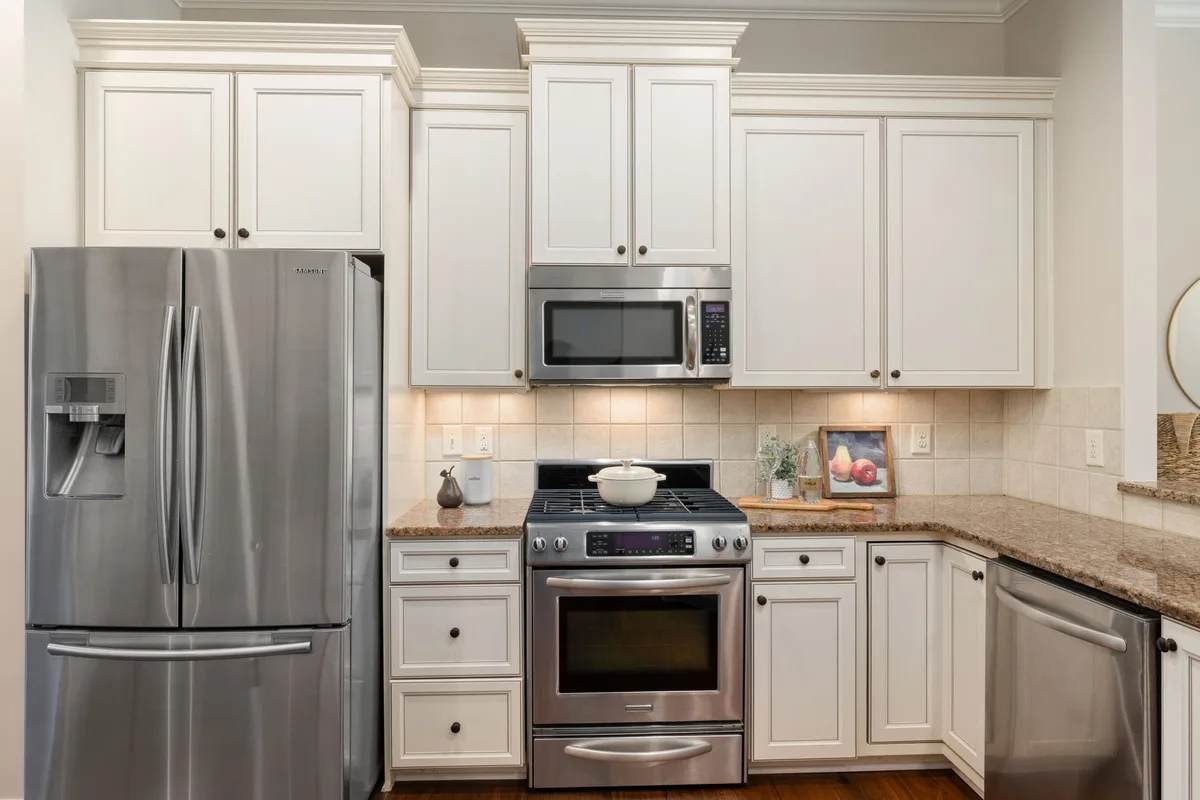
This is your food's primary guardian against spoilage. Refrigerators work by circulating a coolant, which absorbs heat from the interior and dispels it outside, keeping your groceries at optimal low temperatures.
- Types: You'll find configurations like top-freezer, bottom-freezer, side-by-side, and French door models. Each offers different accessibility and storage layouts.
- Capacity: Measured in cubic feet, capacity ranges widely. A good rule of thumb is about 4-6 cubic feet per adult in the household for standard refrigeration needs.
Cooking & Baking: Your Stove, Oven, and Microwave
This group handles the transformation of raw ingredients into meals.
- Stovetop/Range: This is where direct heat is applied to cookware. Ranges combine a stovetop with an oven below.
- Fuel Types: Electric resistance coils, smooth ceramic or glass cooktops, or gas burners are common. Gas burners offer immediate heat control, while electric and induction tops provide consistent, even heating. Induction cooktops, a newer technology, heat cookware directly via magnetic fields, offering speed and efficiency.
- Burner Count: Most residential ranges have four burners, though some offer five for extra flexibility.
- Oven: Used for baking, roasting, and broiling. Ovens heat a larger, enclosed space.
- Heating Elements: Electric ovens typically use elements at the top and bottom; convection ovens add a fan to circulate hot air for more even cooking and faster times.
- Capacity: Measured in cubic feet, like refrigerators, with standard ovens typically ranging from 4.0 to 5.8 cubic feet. As of 2026, energy efficiency standards for ovens are becoming increasingly stringent.
- Microwave: Heats food using microwave radiation.
- Wattage: Higher wattage (typically 700-1200W) means faster cooking times.
- Placement: Countertop, over-the-range, or built-in models exist.
Dishwashing: The Chore Saver
The dishwasher automates the cleaning of dishes, cutlery, and glassware.
- Wash Cycles: Modern dishwashers offer various cycles like Normal, Heavy Duty, Light/China, Rinse-Only, and Quick Wash.
- Capacity: Often measured in place settings. A standard dishwasher can hold 10-16 place settings.
- Energy Efficiency: Look for ENERGY STAR certified models. These typically use less water and energy than older or non-certified units. For example, an ENERGY STAR certified dishwasher uses no more than 3.5 gallons of water per cycle.
Essential Kitchen Tools: From Prep to Plate
These are the hands-on items you'll use constantly for preparing, cooking, and serving food. Having the right collection of these makes a significant difference in how smoothly your cooking process goes.
Cookware & Bakeware: Your Cooking Vessels
These are the containers that go directly onto or into the heat source.
- Cookware:
- Saucepans: For boiling, simmering, and making sauces. Typically come with lids.
- Skillets/Frying Pans: For sautéing, searing, and frying. Available in various materials like non-stick, stainless steel, and cast iron.
- Stockpots/Dutch Ovens: Large, deep pots for soups, stews, and large batches. Cast iron versions are excellent for even heating and retention.
- Bakeware: Designed for oven use.
- Baking Sheets/Cookie Sheets: Flat pans for cookies, pastries, and roasting vegetables. Usually aluminum or steel.
- Muffin Tins: For muffins, cupcakes, and mini quiches.
- Casserole Dishes: For baked pasta dishes, gratins, and sweet casseroles. Available in ceramic, glass, and stoneware.
- Loaf Pans: For bread and meatloaves.
Utensils & Gadgets: The Little Helpers
This catch-all category includes items used for measuring, mixing, turning, and serving.
- Measuring Tools: Measuring cups (dry and liquid), measuring spoons are crucial for recipe accuracy.
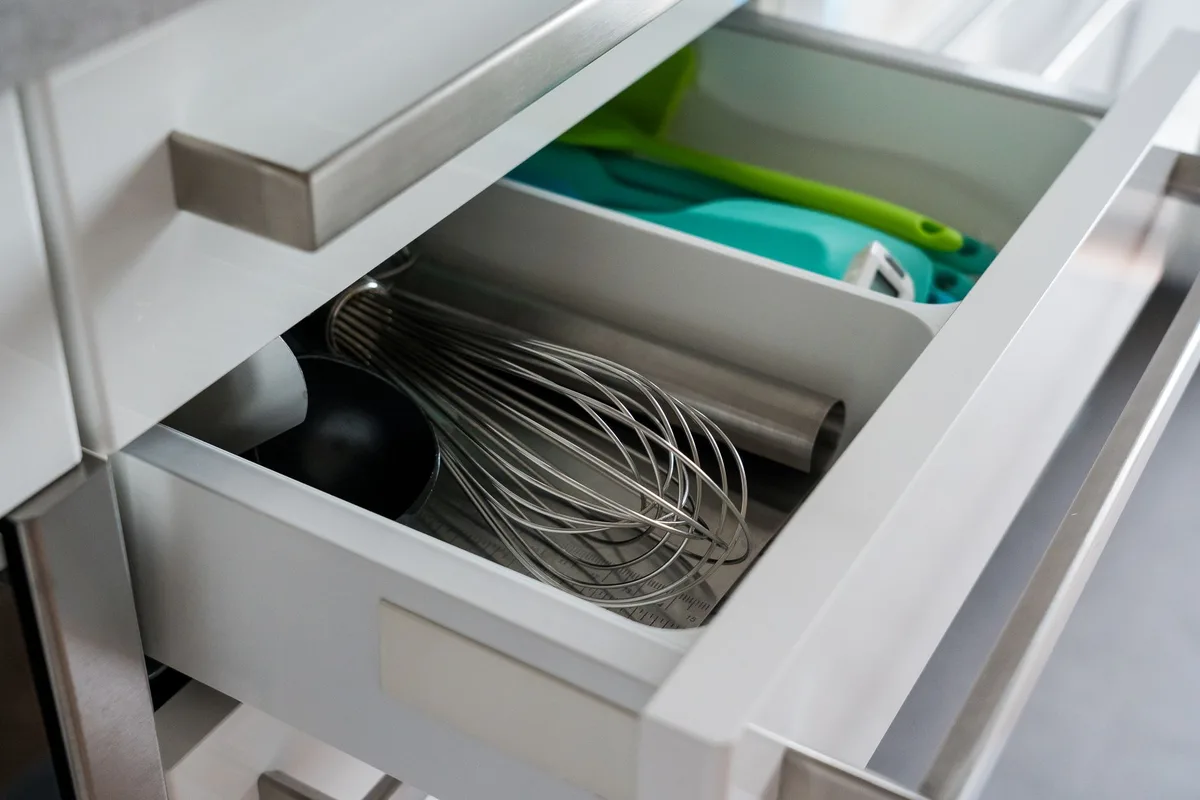
- Mixing Utensils: Spatulas (silicone, rubber, metal), whisks, wooden spoons.
- Turning/Serving Utensils: Ladles, slotted spoons, serving spoons, tongs.
- Peeling/Cutting Tools: Vegetable peelers, graters, can openers, bottle openers.
Knives: The Sharpest Tools in the Shed
A good set of knives can elevate your entire cooking experience.
- Chef's Knife: Your all-purpose workhorse for chopping, slicing, and dicing. Generally 8-10 inches long.
- Paring Knife: For small, intricate tasks like peeling and trimming. Usually 3-4 inches long.
- Serrated Knife: Ideal for slicing bread and delicate items like tomatoes without crushing them.
- Knife Block/Storage: Proper storage protects the blades and is safer than loose knives in a drawer.
Dinnerware, Flatware, and Glassware: Setting the Table
Once your food is prepared, you need the items to serve and eat it. While perhaps not as critical to the cooking process itself, these are essential for the dining experience.
- Dinnerware: This includes plates (dinner, salad, dessert), bowls (soup, cereal, serving), and sometimes cups or mugs. Materials vary from durable stoneware and porcelain to elegant bone china.
- Flatware: Commonly known as silverware or cutlery, this set includes forks, knives (table knives), and spoons (teaspoons, soup spoons). Stainless steel is the most common material due to its durability and resistance to corrosion.
- Glassware: For beverages. This category ranges from everyday drinking glasses (tumblers) to specialized items like wine glasses, champagne flutes, and highball glasses. Borosilicate glass is often preferred for its resistance to thermal shock.
Kitchen Storage Solutions: Taming the Clutter
Effective storage is crucial for a functional and pleasant kitchen. It keeps your workspace clear and ensures you can find what you need quickly.
- Cabinets and Drawers: These are the primary built-in storage.
- Base Cabinets: Sit below the countertops. They typically house pots, pans, small appliances, and cleaning supplies. Depth is usually around 24 inches, with interior widths often varying from 12 to 36 inches.
- Wall Cabinets: Mounted above the countertop. Used for storing dinnerware, glassware, dry goods, and lesser-used items. Standard depths are about 12 inches.
- Drawer Organizers: Inserts for cutlery, utensils, and other tools can drastically improve drawer efficiency.
- Pantry Storage: If you have a dedicated pantry, shelving systems are key. Adjustable shelves allow for customization based on item size.
- Container Storage: Airtight containers, whether plastic or glass, are vital for preserving dry goods like flour, sugar, pasta, and for storing leftovers. Look for BPA-free plastics and food-grade glass.
- Specialty Storage: Items like spice racks, pot lid organizers, and pull-out shelves can make accessing items much easier.
Kitchen Linens and Cleaning Supplies: The Practical Necessities
These are the unsung heroes of kitchen hygiene and safety. They might not be glamorous, but you can't manage without them.
Kitchen Linens:
- Dish Towels: For drying dishes, hands, and surfaces. Cotton is a popular choice for absorbency.
- Oven Mitts/Pot Holders: Essential for safely handling hot cookware and bakeware to prevent burns. Look for heat-resistant materials.
- Aprons: Protect your clothing from spills and splatters during cooking.
Cleaning Supplies: A clean kitchen is a safe and pleasant kitchen.
- Dish Soap: For hand-washing dishes.
- Sponges/Scrub Brushes: For tackling food residue.
- All-Purpose Cleaner: For wiping down countertops, sinks, and appliance exteriors.
- Trash Can and Bags: A necessary fixture for waste disposal.
Countertops, Cabinets, and Sinks: The Kitchen's Structure
These elements form the physical bones of your kitchen, dictating workflow and providing the surfaces you interact with most during food preparation and cleaning. Their material, placement, and condition significantly impact the kitchen's overall usability and aesthetic.
Countertops: Your Main Workspace
This is where most of the active prep work happens, so durability, heat resistance, and ease of cleaning are key factors.
- Materials:
- Granite: A natural stone known for its durability, heat resistance, and unique patterns. Each slab is different. It requires sealing to prevent staining.
- Quartz: Engineered stone made from crushed quartz, resin, and pigments. It's non-porous, highly stain-resistant, and generally more uniform in appearance than granite. Manufacturer specifications often rank its scratch resistance high.
- Laminate: A more budget-friendly option, often mimicking wood or stone. It's less durable against heat and scratches than stone but is widely available and easy to replace.
- Wood (Butcher Block): Offers a warm aesthetic and can be used for chopping directly on if properly maintained (oiled regularly and sealed). It's more susceptible to stains and water damage.
Cabinets and Drawers: Storage Hubs
These provide the essential enclosed storage for nearly everything in your kitchen.
- Construction: Cabinets are generally made from particleboard, MDF, or solid wood. Solid wood offers the best durability.
- Hardware: Hinges and drawer slides determine how smoothly doors and drawers open and close and how long they last. Full-extension drawer slides are a valuable feature for accessing the back of drawers.
- Layout: The arrangement impacts workflow. An efficient layout places frequently used items within easy reach, often near their relevant appliance.
Sinks and Faucets: The Cleaning Station
This is the central hub for washing dishes, food, and hands.
- Sink Materials: Stainless steel is popular for its durability and hygienic properties. Other options include composite granite, fireclay, and cast iron.
- Sink Types:
- Top-mount (Drop-in): The rim sits on top of the countertop. Easier to install but can trap debris.
- Undermount: Installed beneath the countertop, creating a seamless transition and making counter cleanup easier.
- Farmhouse (Apron-front): A large sink with a distinctive exposed front, often a design focal point.
- Faucet Functionality: Consider features like pull-down or pull-out sprayers, touchless operation, and multiple spray patterns.
Lighting: Making Your Kitchen Functional and Inviting
Proper lighting is critical for safety, task performance, and ambiance in the kitchen. Without adequate light, even the best-equipped kitchen feels frustrating to use.
Task Lighting
This is focused illumination for specific work areas, preventing shadows where you're prepping food or cooking.
- Under-Cabinet Lights: A game-changer for illuminating countertops. LED strips are energy-efficient and provide bright, even light.
- Pendant Lights: Often hung over islands or peninsulas, these provide direct overhead light for task work and add a decorative element.
- Recessed Lighting: General overhead lighting that provides even illumination across the entire kitchen space.
Ambient and Accent Lighting
These lights set the mood and highlight architectural features.
- Ambient Lighting: Often provided by ceiling fixtures or general recessed lighting, it creates a comfortable overall brightness.
- Accent Lighting: Used to draw attention to features like artwork, decorative shelves, or glass-front cabinets. Small spotlights or strip lights can be used for this.
- Dimmers: Installing dimmers on most kitchen lights allows you to adjust the brightness for different activities, from intense meal prep to a relaxed evening atmosphere.
Mistakes to Avoid When Equipping Your Kitchen
It's easy to get caught up in the excitement of setting up a new kitchen or upgrading an old one. However, a few common missteps can lead to long-term frustration.
- Ignoring Workflow: One of the biggest mistakes is buying items or arranging things without considering the natural flow of cooking. If your most-used tools are far from your prep area, or the dishwasher is across from the sink, it creates unnecessary steps. Our editorial analysis of common kitchen complaints consistently points to poor layout as a major pain point.
- Over-buying Gadgets: The market is flooded with single-purpose kitchen gadgets. While a specific tool might be useful occasionally, accumulating too many can lead to clutter and wasted space. Ask yourself if you'll use it more than once a month before purchasing.
- Skimping on Knives: A few high-quality knives are far better than a drawer full of mediocre ones. Poorly made knives are less safe and make prep work arduous. A sharp chef's knife, paring knife, and serrated bread knife form a solid foundation.
- Insufficient Counter Space: It's hard to have too much counter space. If you consistently find yourself running out of room to chop vegetables or plate food, consider how to optimize your existing layout or if a kitchen cart could help.
Common Kitchen Layouts and Workflows
The physical arrangement of your kitchen significantly impacts its efficiency. Understanding standard layouts helps in evaluating your current space or planning a renovation. The goal for most kitchens is to create an efficient "work triangle" connecting the refrigerator, sink, and stove.
The Work Triangle
This classic concept suggests that the key work centers, refrigerator (storage), sink (cleaning), and stove (cooking), should form a triangle with each leg between 4 and 9 feet long. The total length of the triangle's sides should ideally be between 13 and 26 feet.
Common Layout Types
- Galley Kitchen: Two parallel walls or counters with a walkway between them. It's very efficient for a single cook but can feel cramped and is not ideal for multiple people.
- L-Shaped Kitchen: Features counters and cabinets along two adjacent walls. It opens up the space and often allows for a dining nook or island.
- U-Shaped Kitchen: Offers extensive counter and cabinet space along three walls, creating a very efficient work triangle. It can sometimes feel enclosed if the space isn't large enough.
- Island Kitchen: Combines one of the above layouts with a freestanding island in the center. The island can add prep space, storage, seating, or even a secondary sink or cooktop.
Kitchen Design: Where Function Meets Feel
The visual appeal of a kitchen is about more than just good looks; it's deeply tied to how inviting and comfortable the space feels, which in turn affects how much you want to use it. A well-designed kitchen, with cohesive materials and finishes, makes tasks more enjoyable. This aspect ties together the choices in countertops, cabinets, lighting, and even the arrangement of your appliances and tools.
Considering Color Palettes and Finishes
The colors and materials you choose create the overall mood. Whites and grays often offer a clean, modern feel, while wood tones can add warmth. Stainless steel appliances are popular for their durability and modern appearance, but black stainless and colorful finishes are also available.
The Role of Backsplash
The backsplash, typically installed behind the stove and sink, protects walls from splatters. It’s also a prime area for adding visual interest with tile, stone, or other materials, tying together the kitchen's color scheme.
Cabinet Styles
Door styles range from sleek, flat-panel (shaker style) for a modern look to more traditional raised-panel designs. Hardware, like knobs and pulls, can also significantly change the cabinet's appearance.
Small Appliances: The Convenience Crew
While major appliances handle the heavy lifting, small appliances are the convenience kings, streamlining specific tasks and expanding your cooking capabilities. These often sit on countertops or are tucked away in cabinets when not in use.
- Toasters/Toaster Ovens: For quick browning of bread, bagels, and more. Toaster ovens offer added versatility for small baking or broiling tasks.
- Blenders: Used for smoothies, soups, sauces, and purées. Power, measured in wattage, is a key spec, typically ranging from 300 to 1500 watts or more for high-performance models.
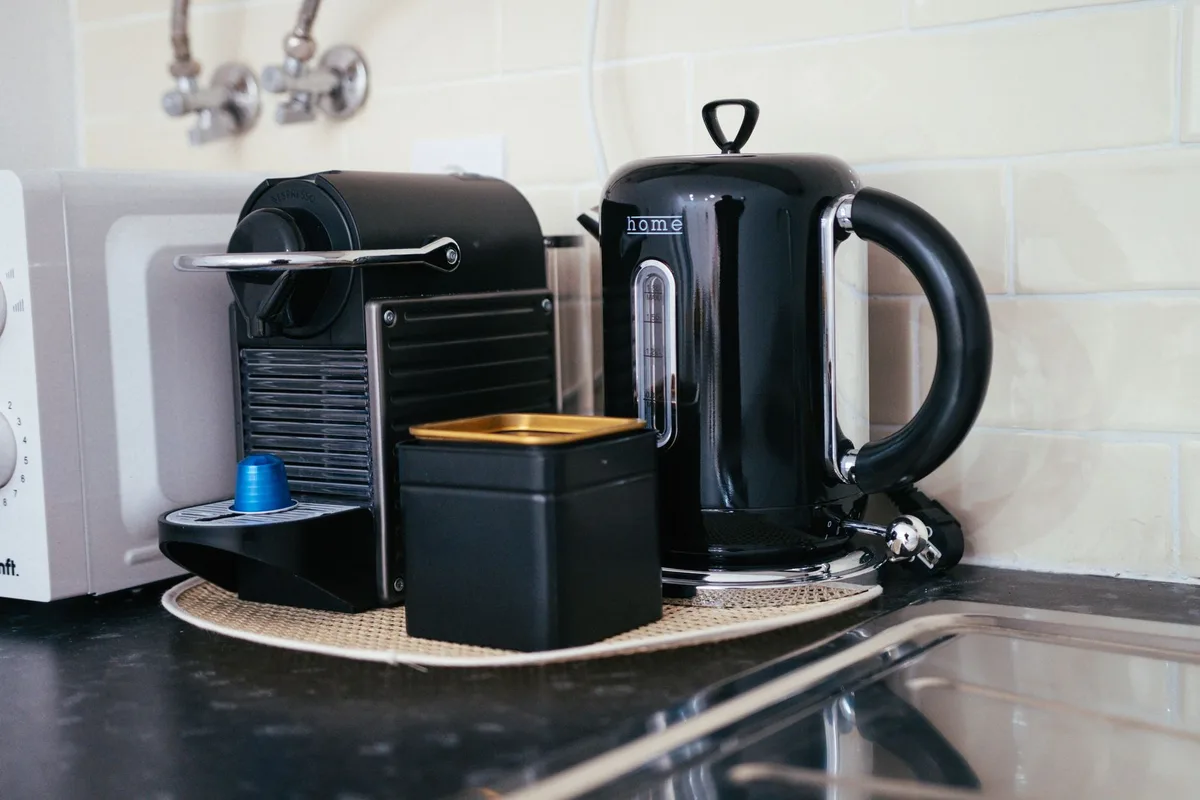
- Coffee Makers: From simple drip machines to sophisticated espresso makers, these are essential for many. Look for capacity (number of cups), brew speed, and features like programmability.
- Microwave Ovens (Countertop): Discussed earlier as a major appliance, but countertop models often function as a primary "small" appliance for quick heating.
What About the Surfaces? Countertops, Tiles, and More
You interact with your kitchen surfaces constantly, from chopping ingredients to wiping down spills. Their durability, ease of cleaning, and aesthetic are paramount.
Countertop Materials and Their Pros/Cons
| Material | Pros | Cons | Best For |
|---|---|---|---|
| Granite | Durable, heat-resistant, unique patterns | Porous (needs sealing), can chip, expensive | High-traffic kitchens, those seeking natural beauty |
| Quartz | Non-porous, stain-resistant, consistent look | Can be damaged by extreme heat, repair is difficult | Low-maintenance kitchens, consistent design |
| Laminate | Affordable, wide variety of designs | Less heat/scratch resistant, can peel | Budget-conscious renovators, rental properties |
| Wood (Butcher Block) | Warm aesthetic, can chop directly on | Prone to stains/water damage, requires oiling | Rustic kitchens, dedicated chopping zones |
Backsplashes: Protection and Style
Tiles are the most common material, offering endless design possibilities. Ceramic, porcelain, glass, and natural stone are popular choices. Choosing a material that's easy to wipe down is key, especially behind the stove, to handle grease and splatters.
Safety First: Protecting Yourself in the Kitchen
A kitchen, by nature, involves heat, sharp objects, and electrical appliances. Being aware of potential hazards and practicing safe habits is crucial for everyone.
Knife Safety
- Always use a sharp knife; dull knives require more force and are more likely to slip.
- Cut on a stable surface, like a cutting board, and never a wet or uneven one.
- Never try to catch a falling knife. Make sure it falls to the floor.
- When passing a knife, always hand it to someone else with the sharp edge pointing down and the handle towards them.
Heat and Fire Safety
- Always use oven mitts or pot holders when handling hot cookware.
- Never leave cooking unattended, especially when frying or using high heat.
- Keep flammable materials (towels, paper products) away from heat sources.
- Know how to handle a grease fire: never use water. Smother the flames with a lid or baking soda.
Appliance Safety
- Read and follow manufacturer guidelines for all appliances.
- Ensure electrical cords are not frayed and are kept away from heat and water.
- Never overload electrical outlets.
- Regularly clean appliance vents, especially on ovens and toasters, to prevent fire hazards.