
Ever grabbed a sponge and thought, "What is this thing made from?" It's a question many of us ponder while tackling the sink full of dishes. Understanding what makes up your kitchen sponges isn't just trivia; it impacts how well they clean, how long they last, and even your kitchen's environmental footprint. As of 2026, materials in everyday items are under more scrutiny than ever.
Research into common kitchen tools reveals that most sponges fall into a few distinct categories, each with unique properties derived from their core components. We'll break down the materials used, why they matter for your cleaning tasks, and what common options are available.
The Usual Suspects: What Makes Up Most Sponges
These everyday cleaning companions are surprisingly engineered, using a variety of materials to get the job done.
Cellulose Sponges: Nature's Cleaners
Cellulose sponges are often favored for their natural origins. They’re made from wood pulp, a renewable resource that forms the backbone of paper products. This plant-based fiber is processed and pressed into the porous, absorbent material we recognize.
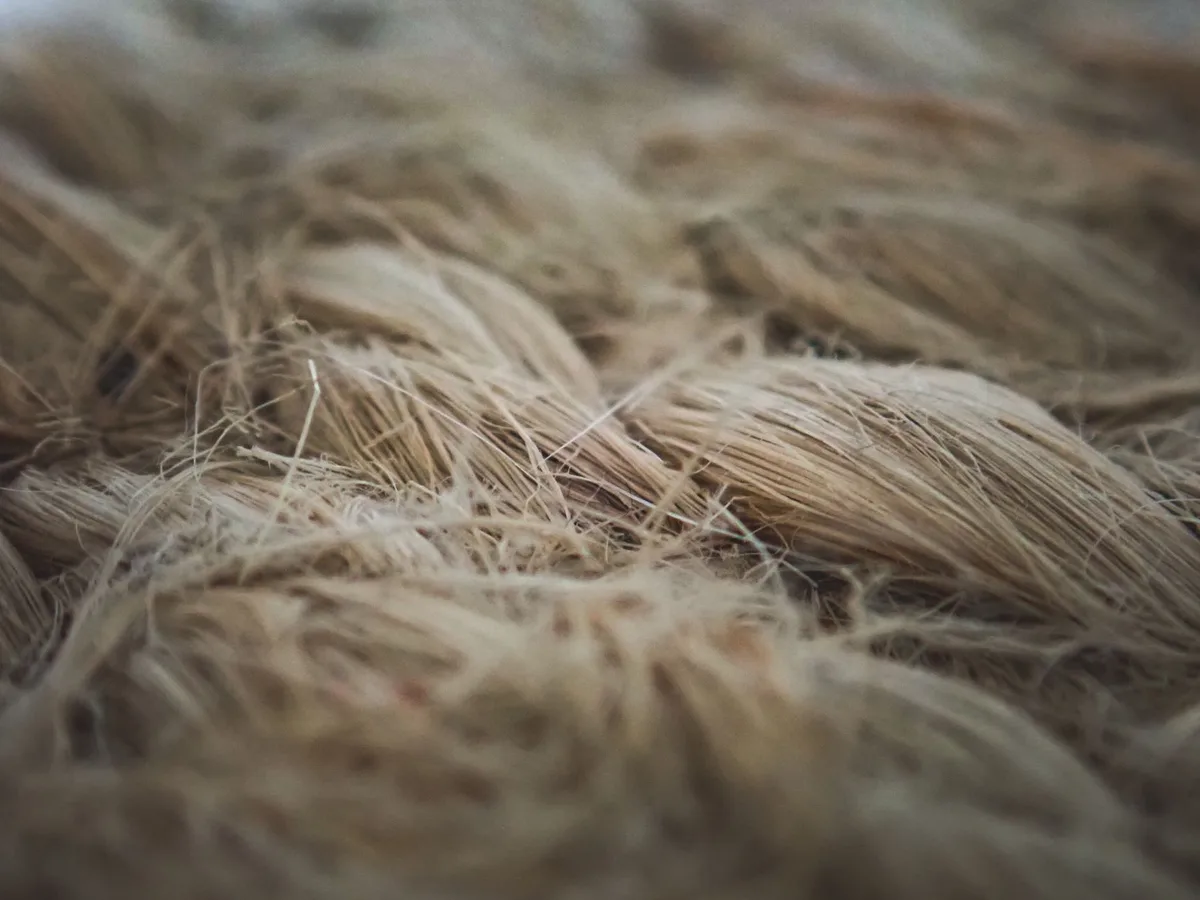
Because they’re derived from natural cellulose, these sponges are generally biodegradable, which appeals to those looking for more eco-friendly kitchen solutions. Their open-cell structure makes them highly absorbent, great for soaking up spills or holding soapy water for washing.
Synthetic Sponges: Engineered for Scrubbing
Most of the sponges you'll find at the supermarket are synthetic. These are typically constructed from petroleum-based plastics like polyurethane or polyester. Manufacturers choose these materials for their durability and ability to be molded into specific shapes and textures.
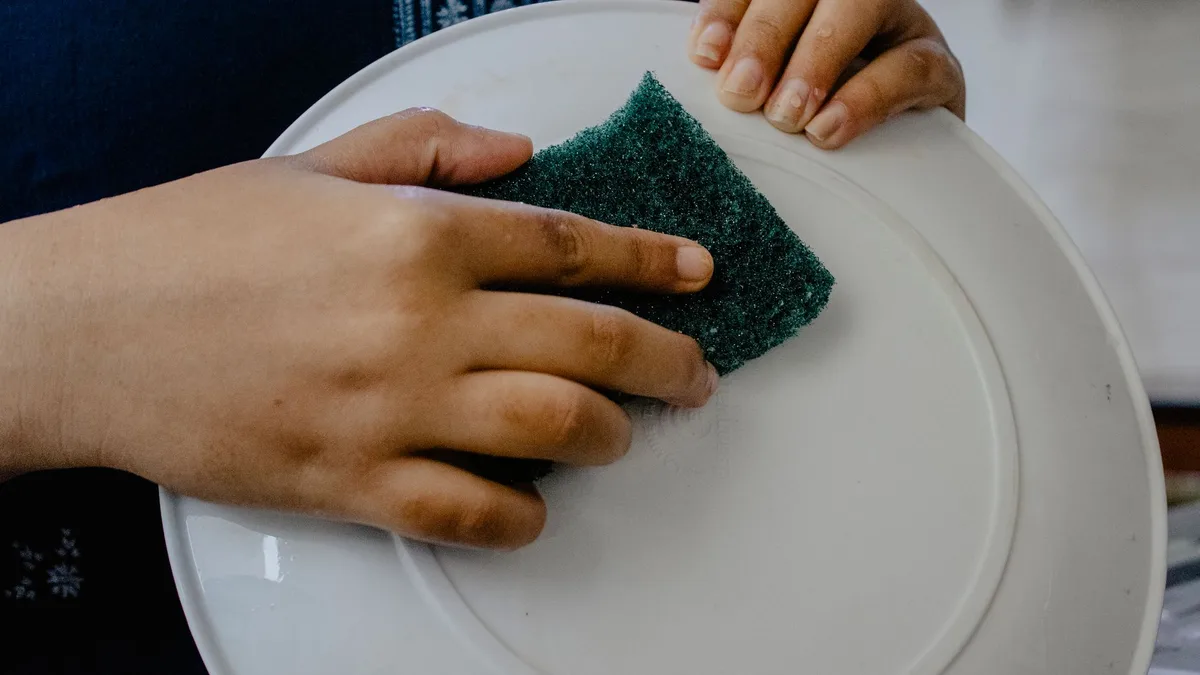
Polyurethane is a common choice because it offers a good balance of flexibility, absorbency, and cost-effectiveness. Polyester fibers are often used, especially in the abrasive "scrubber" side of dual-sided sponges, providing the toughness needed to tackle stubborn food residues.
Why Does the Material Matter?
The materials packed into your sponge directly influence how it performs during that nightly dish-scrubbing marathon. It’s not just about looks; it's about function.
Absorbency Factors
When it comes to soaking up liquids, the sponge's cellular structure and material composition are key. Cellulose sponges, with their open, interconnected pores derived from wood pulp, excel at wicking up water and holding it. This makes them great for general wiping and spill management. Synthetic sponges, particularly those made from polyurethane, also offer significant absorbency due to their engineered foam structure, though the rate at which they release liquid can sometimes differ.
Durability Expectations
How long your sponge holds up against daily use and vigorous scrubbing is largely down to its material. Synthetic sponges, especially those with polyester fibers, tend to be more robust and resistant to tearing or breaking down quickly. They maintain their shape and scrubbing integrity for longer periods compared to some natural cellulose options, which can become degraded or mushy with heavy use over time.
Scrubbing Power Play
The ability to remove tough, stuck-on food is often the primary reason for a sponge's existence. This function is almost always handled by an abrasive layer, typically found on the reverse side of softer sponges. These scourer pads are usually made from tough synthetic fibers, like polyester, often combined with resins to create a rigid yet effective scrubbing surface. The choice of material here is critical for cutting through grease and burnt-on messes without disintegrating.
Common Sponge Types and Their Uses
Knowing the material breakdown helps you pick the right sponge for the task at hand. A sponge isn't just a sponge; different types are best suited for different cleaning scenarios.
When to Grab a Cellulose Sponge
Cellulose sponges are your go-to for lighter cleaning tasks. Their high absorbency makes them fantastic for wiping down counters, soaking up spills from the dinner table, or general dishwashing where you're dealing with light grease and food particles. Their natural composition means they often feel softer on surfaces and are a good choice if you're trying to minimize plastic use in your kitchen. They’re excellent for tasks that require a good amount of liquid holding capacity.
When a Synthetic Sponge is Your Best Bet
For everyday dishwashing and general counter wiping, synthetic sponges offer reliability and durability. Their consistent structure means they typically perform predictably, offering good lathering with dish soap. They often come with a dual-sided design, featuring a softer, absorbent side for most washing and a rougher side for tougher spots. If you're looking for a sponge that feels sturdy and can withstand regular use without falling apart quickly, a synthetic option is usually the way to go.
Tackling Tough Messes with Scrubber Pads
When faced with baked-on food, greasy pans, or stubborn grime that won't budge with a soft sponge, the abrasive scrubber pad comes into play. These are typically made from dense, strong synthetic fibers, engineered for maximum abrasion. It's crucial to use these with care, as their rough texture can easily scratch delicate surfaces like non-stick cookware or certain types of countertops. They’re workhorses for serious cleaning jobs but require a mindful approach to avoid damage.