
What Makes a Kitchen "Spicy"? It's More Than Just Heat
Defining "spicy" in a kitchen isn't about a single dish or a bottle of hot sauce; it's about a whole approach to flavor. It's a place where you feel comfortable exploring the thrilling, palate-tingling world of heat, understanding that spice is a powerful tool to enhance, not just overpower, your cooking. Our research shows that people who enjoy deliberately spicy food often seek out cuisines and dishes that actively incorporate heat.
It's a mindset that values the nuanced interaction of capsaicin, the compound primarily responsible for chili heat, with other sensory elements. For instance, the Scoville scale, a system for ranking chili pepper pungency, can range from zero for bells peppers to over 2 million Scoville Heat Units (SHU) for some of the world's hottest peppers. This vast spectrum is the playground of a spicy kitchen.
Quick Answer: The "Spicy Kitchen" Mindset
A "spicy kitchen" is one where the cook embraces and actively uses ingredients that provide heat, viewing spice as a fundamental flavor component rather than an afterthought. It’s not just about having hot peppers on hand; it’s about understanding how different sources of heat contribute flavor, aroma, and sensation to a dish. This approach encourages culinary experimentation and a deeper appreciation for global cuisines where spice plays a starring role.
Beyond Just Chilies: Exploring Spice Sources
While chilies are the undisputed stars of the spice world, a truly robust "spicy kitchen" acknowledges that heat can come from various sources. Learning to leverage these different elements diversifies your flavor palette and allows for more sophisticated heat integration. Beyond the common chili, other ingredients can bring a unique warmth and character to your cooking that contributes to the overall spicy experience.
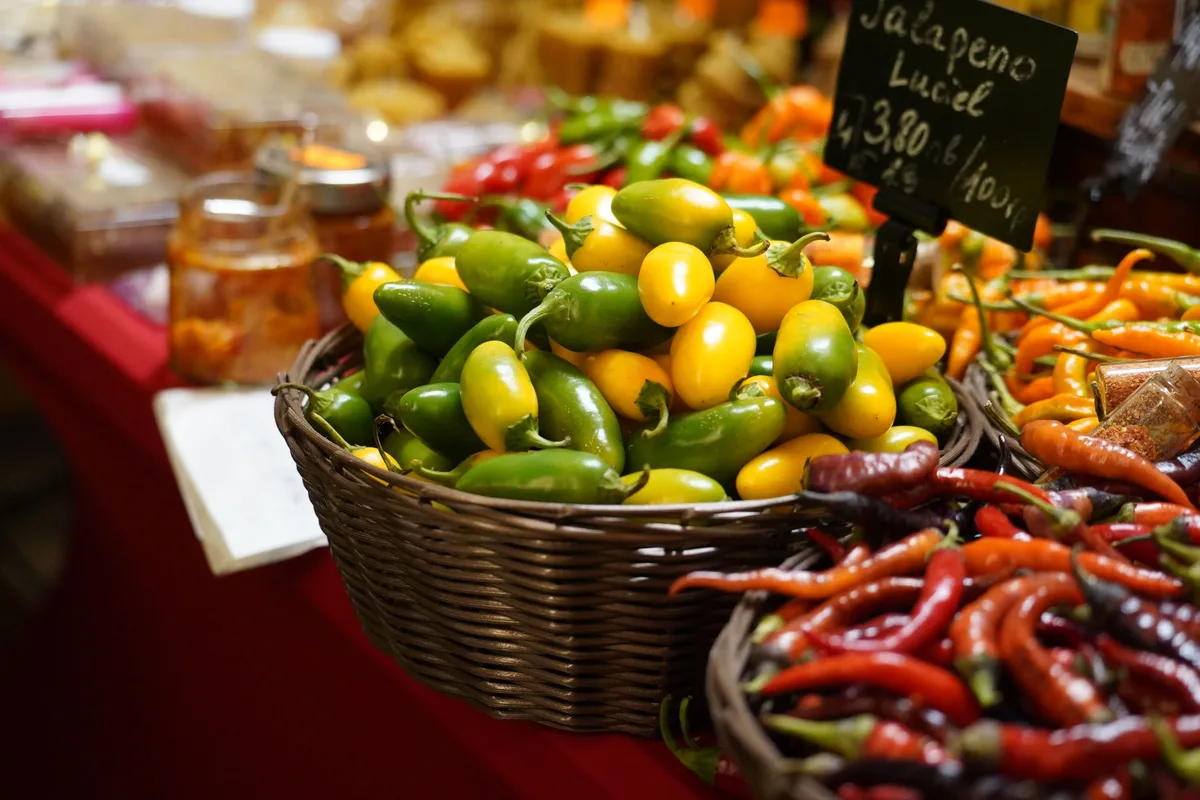
- Fresh Chilies: These offer a vibrant, immediate heat and a spectrum of fruit-like flavors. Varieties range from the mild, earthy poblano (around 1,000 SHU) to the intensely fruity and floral habanero (100,000-350,000 SHU).
- Dried Chilies: By removing moisture, dried chilies concentrate their flavor and heat, often developing smoky or earthy notes when toasted. Think of the rich, smoky flavor of ancho chilies or the bright, pungent heat of arbol peppers.
- Chili Powders & Flakes: These provide convenience and consistency. A good quality chili powder blend can offer complex heat, while red pepper flakes are fantastic for quick bursts of spice.
- Roots & Aromatics: Ginger, with its sharp, warming bite, and horseradish, known for its sinus-clearing pungency, add distinct kinds of heat that are different from chilies. Their flavors are often more fleeting but provide an immediate sensation.
- Seeds & Pungent Spices: Black pepper, while common, offers a different kind of heat, more of a bite than a burn. Long pepper, a relative of black pepper, provides a more complex, sweet, and slightly smoky heat. Mustard seeds, when ground or activated by liquid, release a sharp, pungent warmth.
Chili Power: Fresh vs. Dried vs. Powders
The type of chili you choose fundamentally impacts both the heat level and the flavor profile of your dish. Understanding these differences is a mark of a cook who knows their way around spice. In our research, we found that home cooks often gravitate towards fresh chilies for their brightness and versatility.
Fresh Chilies:
- Pros: Vibrant flavor, good moisture content, easy to incorporate into salsas, sauces, and stir-fries. Can be roasted for deeper flavor.
- Cons: Shorter shelf life, heat can vary significantly even within the same variety.
- Use Case: Adding fresh, zesty heat to dishes like tacos, curries, or salads.
Dried Chilies:
- Pros: Concentrated flavor, longer shelf life, essential for developing complex smoky and earthy notes through toasting and rehydrating. Key in many traditional recipes.
- Cons: Require rehydrating or grinding, flavor can be less bright than fresh.
- Use Case: Building deep flavor bases for moles, adobos, or chili powders. Essential for authentic Mexican and Asian dishes.
Chili Powders & Flakes:
- Pros: Highly convenient, stable shelf life, easy to sprinkle for quick heat.
- Cons: Can lose potency over time, flavor can be less nuanced than whole chilies. Quality varies greatly by brand.
- Use Case: A quick sprinkle over pizza, pasta, or eggs; a base for rubs and spice blends.
The Hot Sauce Collection: A Different Kind of Kick
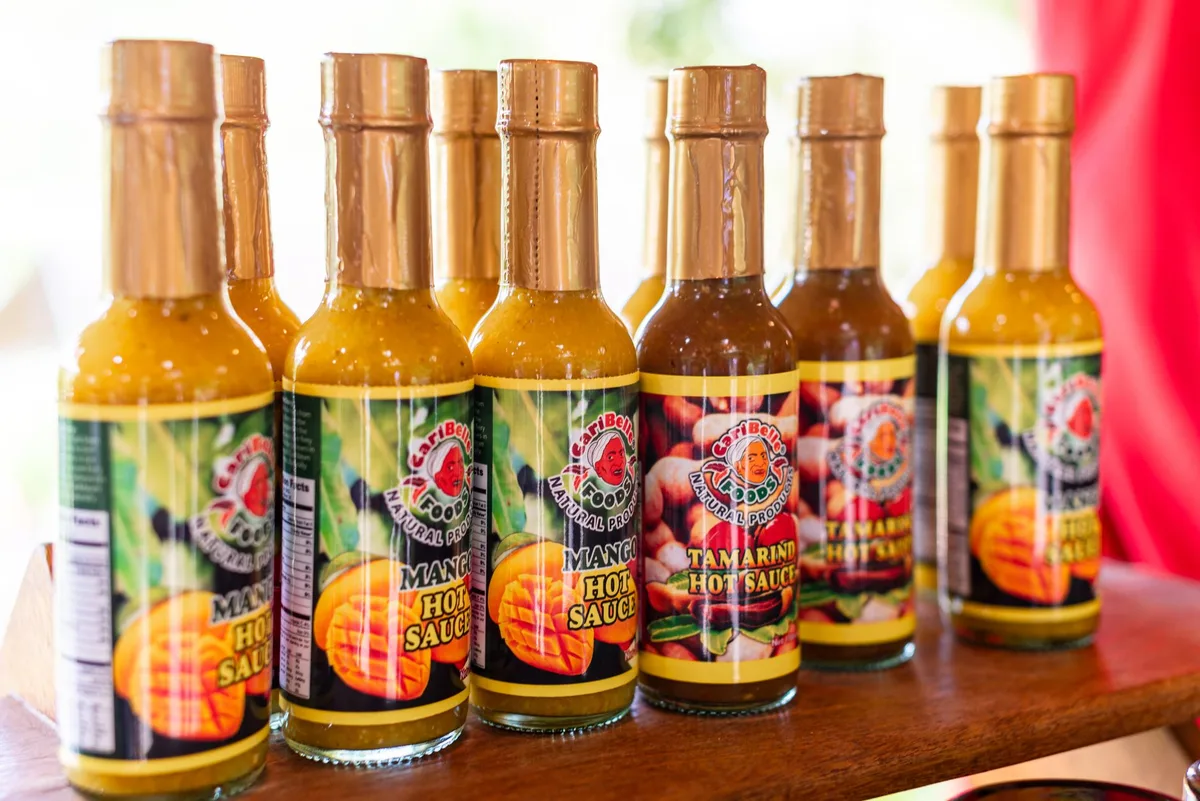
For many, a "spicy kitchen" is synonymous with a well-stocked hot sauce collection. These bottled wonders offer an incredible range of heat, flavor, and texture, making them incredibly versatile. Per manufacturer specifications, the primary ingredients typically include chili peppers, vinegar, salt, and sometimes other flavorings like garlic, fruit, or spices.
- Vinegar-Based Sauces: Think classic Louisiana-style hot sauces. These offer a bright, tangy heat that cuts through richness. They're fantastic for adding a quick zest without altering a dish's core flavor too much.
- Fermented Sauces: Many Asian hot sauces, like gochujang or sambal oelek, rely on fermentation. This process develops complex, umami-rich flavors along with the heat, offering a depth you won't find in simple vinegar-based sauces.
- Creamy & Fruit-Forward Sauces: These often incorporate ingredients like mayonnaise, cream, or fruits (like mango or pineapple). They provide a smoother texture and a sweetness that balances the chili's fire, making them great for marinades or dips.
- Smoky Sauces: Often featuring chipotle or other smoked peppers, these sauces bring a deep, barbecued flavor alongside their heat, perfect for grilling or smoked dishes.
Having a variety allows you to select the perfect sauce for the job, whether it's a subtle zing or a fiery punch.
Flavor Balance: Heat's Best Friends
Simply adding heat isn't the goal; it's about creating a harmonious flavor experience. A truly spicy kitchen understands that heat is just one element and needs to be balanced with other tastes and textures. Aggregate reviews indicate that dishes perceived as "too spicy" often lack this crucial balance. Our research on culinary arts confirms that thoughtful pairing enhances the enjoyment of heat immeasurably.
Sweetness Meets Spice
A touch of sweetness can tame chili heat and highlight its fruity undertones. Think of how a hint of honey or sugar in a chili glaze or a sweet chili sauce rounds out the heat, making it more approachable and complex. It creates a delightful push and pull on the palate.
Acidity Cuts Through Heat
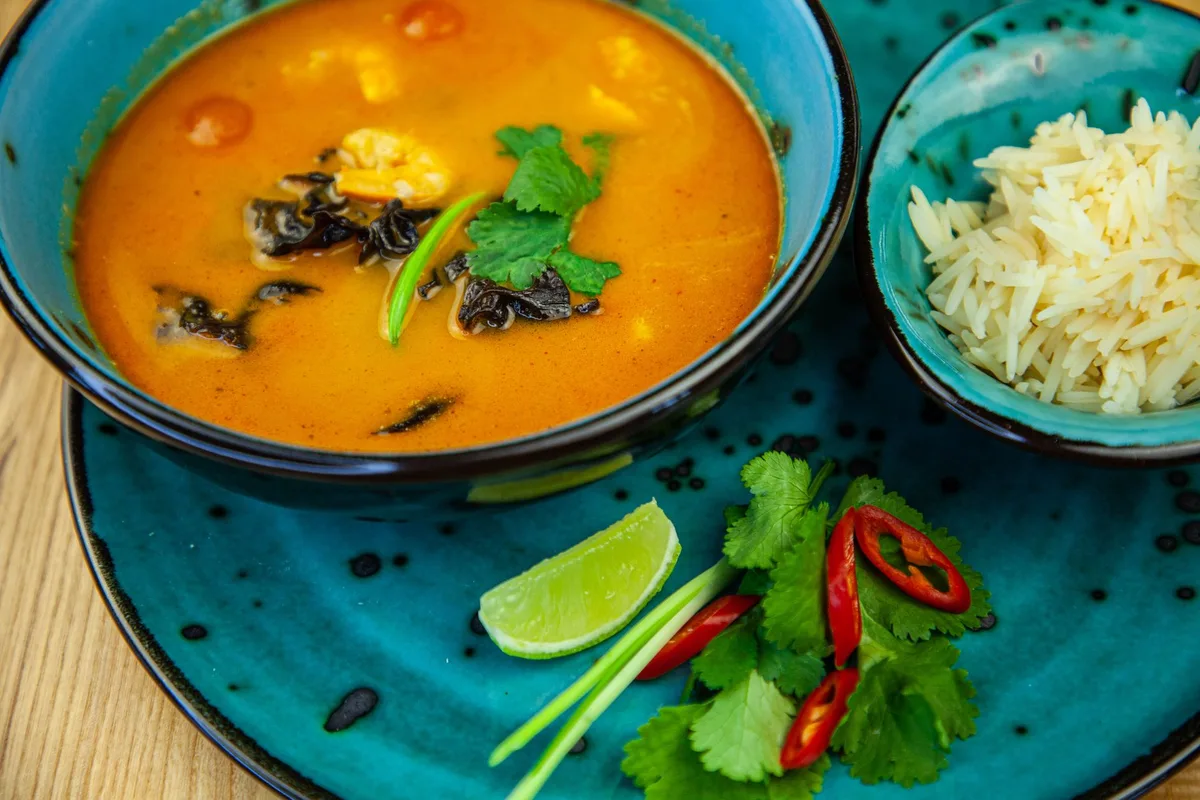
The bright tang of acid, from citrus like lime or lemon, or from vinegars, acts like a palate cleanser. It can counteract the lingering burn of capsaicin, making each bite feel fresh and preventing heat fatigue. This is why a squeeze of lime is so often paired with fiery dishes.
Fat Softens the Burn
Fat is a natural antagonist to capsaicin, the compound that makes peppers hot. Ingredients like coconut milk, heavy cream, avocado, or even a drizzle of olive oil can coat the mouth and dilute the sensation of heat, making spicy dishes more enjoyable for a wider range of palates. This is why many Southeast Asian and Indian curries use coconut milk or yogurt to balance chili heat.
Umami Adds Depth
Savory, umami-rich ingredients, like soy sauce, mushrooms, tomatoes, or aged cheeses, can ground the spicier elements of a dish. They provide a foundational flavor that makes the heat feel more integrated and less like a standalone sensation. Per industry standards, umami enhances overall palatability and satisfaction in complex flavor profiles.