
You've probably had that moment: after a glorious session of grinding whole spices or sautéing a hefty amount of garlic and onions for a curry, your entire house smells like it. You love the flavors, but maybe not the aromatic aftermath lingering for days. That's where the concept of a spice kitchen comes in. It's not just a trend; it's a practical solution for cooks who enjoy exploring intense flavors without overwhelming their living spaces.
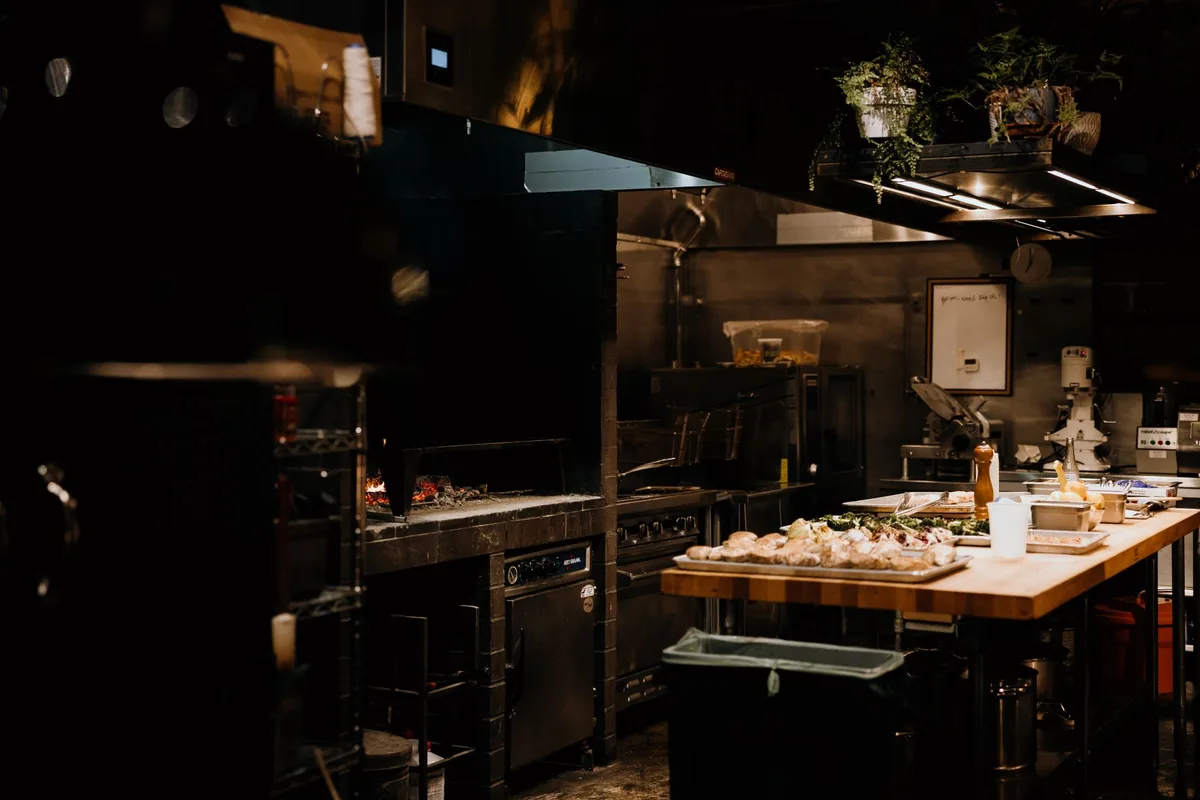
Essentially, a spice kitchen, also known as a prep kitchen or second kitchen, is a dedicated preparation area for aromatic and often messy cooking tasks. Manufacturer specifications for commercial-grade ventilation systems, often required in professional settings, highlight airflow rates of 150-200 cubic feet per minute per linear foot. This kind of robust system is key to what makes a spice kitchen work, allowing intense cooking to happen without the smells and grease permeating your main home. Transitioning from this core idea, let's explore what makes a spice kitchen so effective.
The Big Picture: Why a Dedicated Prep Space Matters
Think about your main cooking area. It’s likely designed for a comfortable, pleasant experience, good lighting, maybe appealing finishes, and ventilation that handles everyday cooking. Now, imagine intentionally taking on tasks that produce strong odors or fine dust, like toasting cumin seeds or finely grinding chiles. Without a specialized setup, these activities can quickly saturate fabrics, surfaces, and the air in your entire home.
A dedicated spice kitchen acts as a buffer. It’s a strategic layout that isolates these high-impact culinary processes. This isolation preserves the freshness and appeal of your main kitchen and living areas, ensuring that after a cooking session, you're left with good memories of the meal, not an overpowering scent.
Core Idea: A Kitchen Within Your Kitchen
At its heart, a spice kitchen is about containment and focus. It’s not necessarily about duplicating your entire main kitchen setup. Instead, it’s about creating a highly functional zone for specific types of food preparation that are either too aromatic, too messy, or require specialized equipment that might not fit aesthetically or practically in your primary kitchen. This could be anything from chopping onions and garlic in bulk to simmering intensely flavored sauces.
The core principle is to divert the most potent olfactory or physically messy operations away from where you entertain or relax.
Key Features of a Spice Kitchen
The effectiveness of a spice kitchen hinges on a few critical design elements that distinguish it from just another countertop. These features are engineered to handle the demands of cooks who frequently work with strong ingredients.
Ventilation: The Unsung Hero
This is arguably the single most important feature. A spice kitchen needs a ventilation system that goes above and beyond what’s typical for a residential kitchen. We're talking about commercial-grade range hoods or extraction systems designed to capture and remove strong fumes, grease particles, and fine dust at the source. These systems are built for high airflow rates, often measured in cubic feet per minute (CFM), to quickly clear the air.
Without this robust ventilation, the primary benefit of odor containment is lost.
Materials Built for the Job
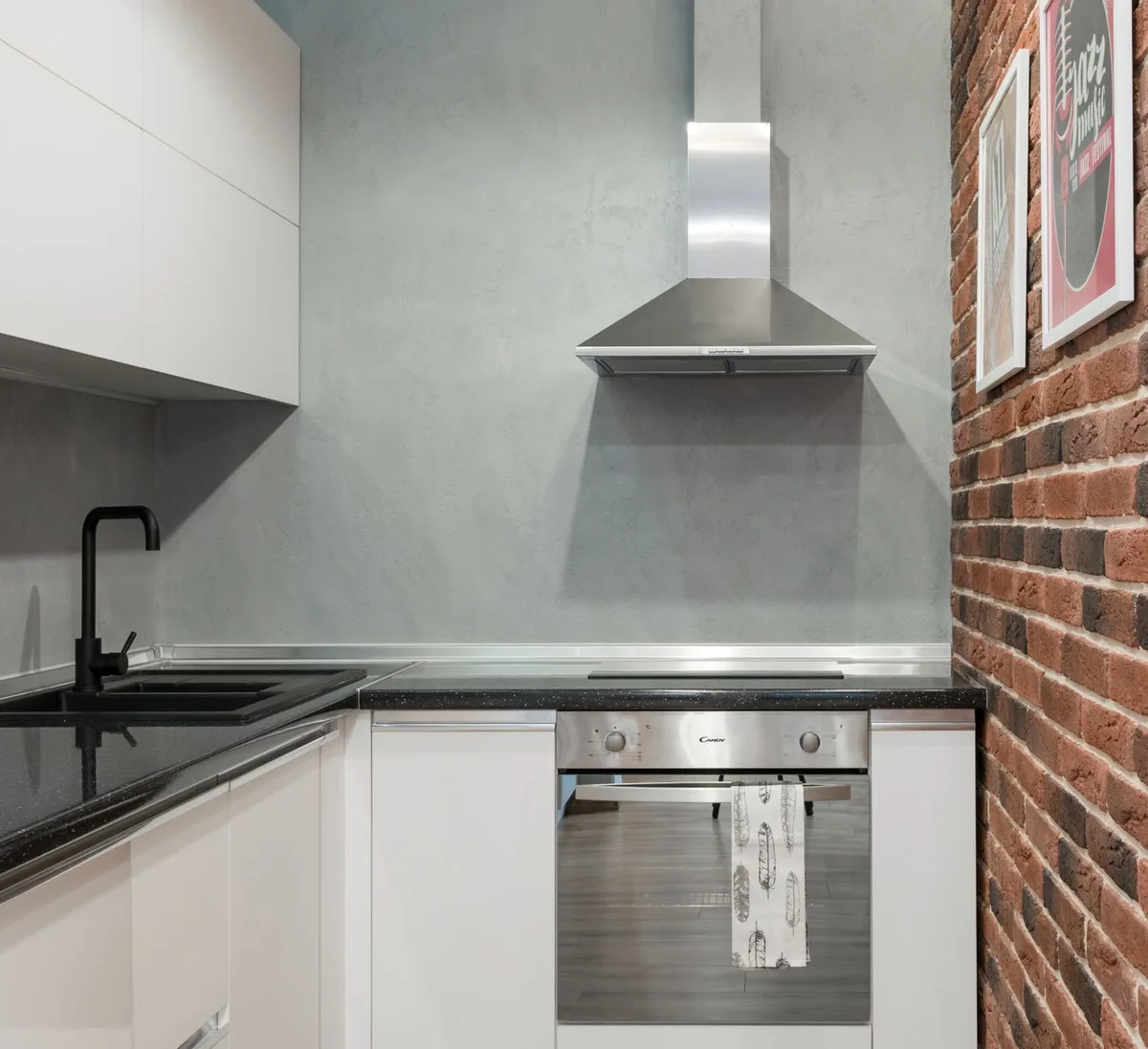
Forget pristine marble countertops or delicate finishes. The materials in a spice kitchen are chosen for durability and ease of cleaning. Stainless steel is a popular choice for countertops and backsplashes because it’s non-porous, resistant to stains and odors, and can withstand rigorous cleaning. Tile is also common for backsplashes and flooring, as it’s hardy and simple to wipe down.
The goal is surfaces that can handle spills, aggressive scrubbing, and the occasional errant dusting of spices without showing wear or holding onto scents.
Storage That Works Hard
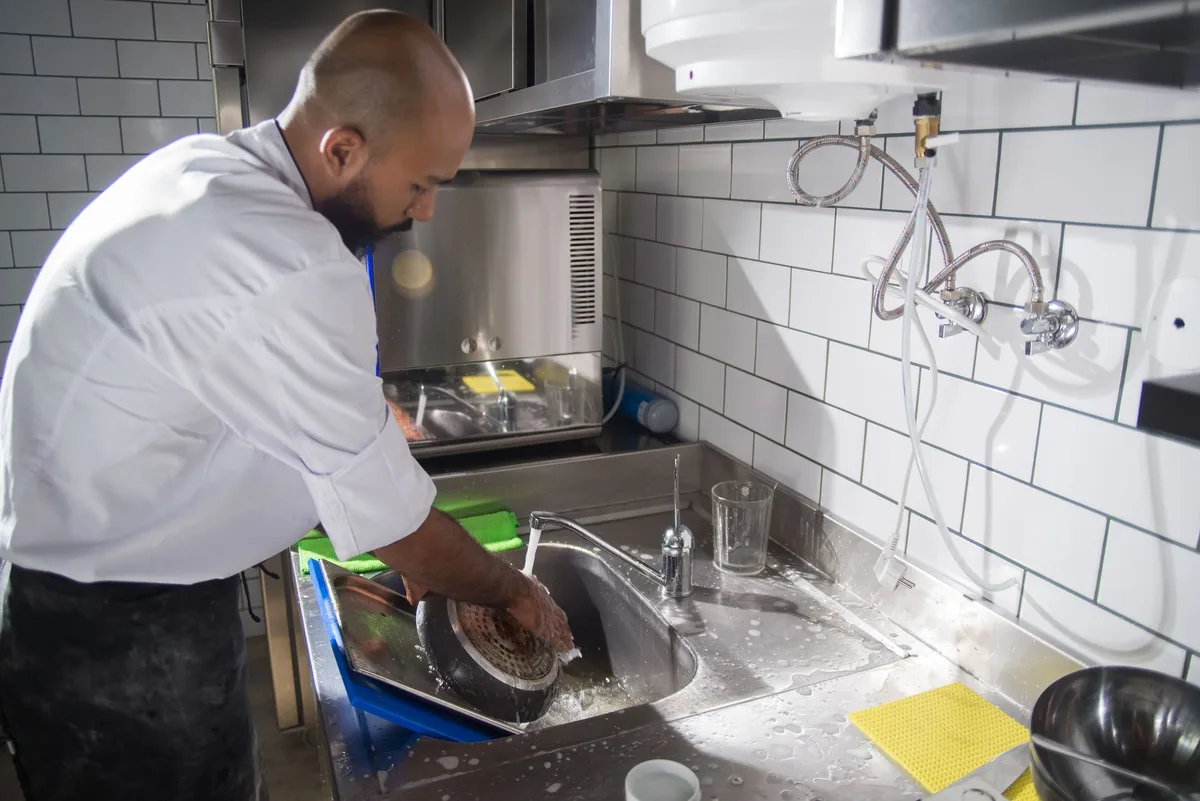
While your main kitchen might have stylish cabinetry for everyday dishes, a spice kitchen often prioritizes functional storage. This often means deep shelves or pull-out drawers designed to hold bulk bags of grains, large containers of spices, or specialized cooking equipment. Many homeowners who set up a spice kitchen find themselves dedicating significant pantry space for their extensive spice collections, keeping them organized and accessible for grinding or immediate use. This isn't about aesthetics; it's about efficient access during intensive prep work.
Real Cooking Needs: When a Spice Kitchen Shines
The decision to incorporate a spice kitchen isn't usually for casual cooks. It's for those whose culinary passions involve ingredients that, while delicious, can be a bit… aromatically challenging. If your cooking frequently involves pungent elements, a dedicated space can transform your kitchen experience.
Taming Pungent Aromas
This is the classic use case. Think about preparing authentic Indian curries, spicy Thai pastes, or simmering a rich French mirepoix for hours. These dishes develop incredible flavor profiles but also fill the air with potent aromas. A spice kitchen, with its superior ventilation, captures these smells.
This means you can make your favorite fragrant dishes without worrying about the scent clinging to your curtains or upholstery for the next week. It allows for a more adventurous and less compromising approach to flavor.
Tackling Messy Prep Work
Beyond just smells, some cooking activities are inherently messy. Grinding whole spices, especially dried chiles or dried turmeric, can create very fine dust that gets everywhere. Chopping large quantities of onions or garlic can leave a residue. A spice kitchen provides a controlled environment for these tasks.
You can be less concerned about making a mess on expensive countertops or tracking fine powders into your main living areas. It’s about creating a functional space where you can be thorough and a bit less tidy without consequence.
Spice Kitchen vs. Your Main Kitchen: Side-by-Side
Understanding what a spice kitchen is also means understanding what it isn't, especially when compared to your everyday cooking space. Your main kitchen is typically the heart of the home, designed for both function and form, balancing daily meal preparation with entertaining guests. It needs to be inviting and relatively neutral in terms of pervasive scents.
A spice kitchen, on the other hand, prioritizes pure functionality for specific, often intense, culinary tasks. While your main kitchen might feature aesthetic cabinetry and perhaps a standard range hood of around 300-400 CFM, a spice kitchen is all about robust performance. Aggregate reviews across professional kitchen equipment suppliers often point to commercial-grade ventilation units designed for high-heat, high-volume cooking, capable of moving 600+ CFM of air. Materials are selected for extreme durability and ease of sanitation rather than visual appeal.
Storage is often utilitarian, designed for bulk ingredients rather than curated display. Ultimately, your main kitchen is for living and general cooking; your spice kitchen is for serious, pungent, or messy food preparation.
Real Cooking Needs: When a Spice Kitchen Shines
This is the classic use case. Think about preparing authentic Indian curries, spicy Thai pastes, or simmering a rich French mirepoix for hours. These dishes develop incredible flavor profiles but also fill the air with potent aromas. A spice kitchen, with its superior ventilation, captures these smells.
This means you can make your favorite fragrant dishes without worrying about the scent clinging to your curtains or upholstery for the next week. It allows for a more adventurous and less compromising approach to flavor.
Taming Pungent Aromas
This is the classic use case. Think about preparing authentic Indian curries, spicy Thai pastes, or simmering a rich French mirepoix for hours. These dishes develop incredible flavor profiles but also fill the air with potent aromas. A spice kitchen, with its superior ventilation, captures these smells.
This means you can make your favorite fragrant dishes without worrying about the scent clinging to your curtains or upholstery for the next week. It allows for a more adventurous and less compromising approach to flavor.
Tackling Messy Prep Work
Beyond just smells, some cooking activities are inherently messy. Grinding whole spices, especially dried chiles or dried turmeric, can create very fine dust that gets everywhere. Chopping large quantities of onions or garlic can leave a residue. A spice kitchen provides a controlled environment for these tasks.
You can be less concerned about making a mess on expensive countertops or tracking fine powders into your main living areas. It’s about creating a functional space where you can be thorough and a bit less tidy without consequence.
Spice Kitchen vs. Your Main Kitchen: Side-by-Side
Understanding what a spice kitchen is also means understanding what it isn't, especially when compared to your everyday cooking space. Your main kitchen is typically the heart of the home, designed for both function and form, balancing daily meal preparation with entertaining guests. It needs to be inviting and relatively neutral in terms of pervasive scents.
A spice kitchen, on the other hand, prioritizes pure functionality for specific, often intense, culinary tasks. While your main kitchen might feature aesthetic cabinetry and perhaps a standard range hood of around 300-400 CFM, a spice kitchen is all about robust performance. Aggregate reviews across professional kitchen equipment suppliers often point to commercial-grade ventilation units designed for high-heat, high-volume cooking, capable of moving 600+ CFM of air. Materials are selected for extreme durability and ease of sanitation rather than visual appeal.
Storage is often utilitarian, designed for bulk ingredients rather than curated display. Ultimately, your main kitchen is for living and general cooking; your spice kitchen is for serious, pungent, or messy food preparation.
Who Needs a Spice Kitchen?
For the Home Cook Who Loves to Experiment
If you find yourself constantly branching out into new cuisines or experimenting with complex recipes that call for numerous fresh spices, a spice kitchen is your ally. It means you can get adventurous with recipes without worrying about the olfactory impact on your home. Think of it as a dedicated lab for flavor creation. This setup is especially beneficial for those who appreciate the nuanced difference that freshly ground spices make.
For the Serious Foodie
For individuals who truly see cooking as a serious hobby or a passion, the distinction becomes clear. They understand that certain ingredients and techniques are better suited to a more robust, less aesthetically driven environment. A serious foodie might dedicate a smaller room or a well-equipped pantry area to function as their spice kitchen, ensuring their main kitchen remains pristine for everyday use or for when guests are over. This is about optimizing workflow and preserving the ambiance of their primary living spaces.
Common Mistakes When Setting Up or Using a Spice Kitchen
One of the biggest missteps is skimping on the ventilation. Our research indicates that even a high-CFM residential hood might not be sufficient for truly pungent cooking tasks. If odors and grease still become an issue, the primary benefit is defeated. Another common error is choosing materials that look nice but are difficult to clean or prone to staining from strong spices like turmeric or paprika.
Finally, not dedicating enough space for bulk storage of spices, grains, and other ingredients can negate the efficiency gains. It needs to be practical storage, not just pretty.
Making the Most of Your Spice Kitchen: Pro Tips
To truly maximize the utility of your spice kitchen, think about workflow. Position your spice grinder and your primary cooking elements (like a powerful burner or induction hob) close together. Expert culinary environments, like those seen in professional training kitchens, often emphasize ergonomic layouts. Consider setting up dedicated zones: one for grinding and toasting spices, another for chopping aromatics, and a third for initial sautéing or simmering.
As of 2026, many advanced home kitchens are also integrating commercial-grade exhaust canopies that extend further over cooking surfaces to ensure maximum capture of airborne particles. Keep cleaning supplies readily accessible; that way, immediate wipe-downs after a task are simple.