
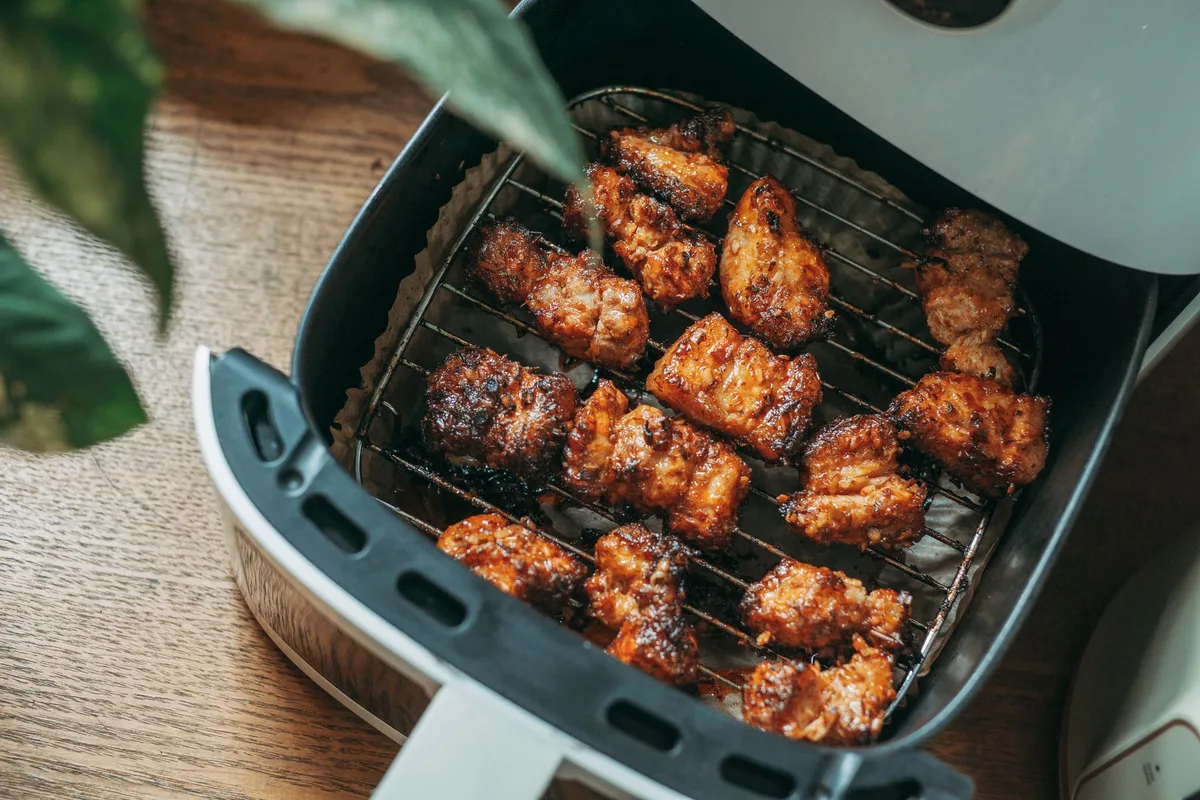
So, you've got an air fryer and you've seen that "dehydrate" setting. You're probably wondering, "What does dehydrate mean on an air fryer?" It's not just a fancy word; it means your air fryer can do more than just crisp things up. It can actually remove moisture from foods at a low, steady temperature.
In our research, we've found that this dehydrate function typically operates between 90°F and 160°F (32°C to 71°C), significantly lower than standard air frying temperatures. This capability opens up a whole new world for homemade snacks and food preservation right in your kitchen. Let's break down what that means for you.
Air Fryer Dehydrating: The Quick Answer
When your air fryer has a dehydrate setting, it means the appliance is designed to operate at prolonged, low temperatures with consistent, gentle airflow. This specific function is intended to slowly evaporate moisture from food without cooking it, transforming items like fruits, vegetables, and meats into dried goods. It's essentially a way to use your air fryer as a compact dehydrator.
How Your Air Fryer Becomes a Dehydrator
A standard air fryer cooks food by rapidly circulating hot air around it, creating a crisp exterior. However, when you switch to the dehydrate mode, the appliance's internal workings shift. The fan speed often adjusts to a gentler, more continuous setting, and crucially, the temperature drops significantly.
Understanding Low Temps and Airflow
The core principle of dehydration is sustained, low-heat moisture removal. Unlike baking or roasting, where high heat cooks the food, dehydration aims to expel water molecules over an extended period. The convection fan in your air fryer is key here; it continuously circulates the low-temperature air, ensuring that the moisture released from the food doesn't get trapped and create a humid environment, which would hinder the drying process. This steady, gentle environment is what allows ingredients to dry out over several hours, rather than cook.
Features That Enable Dehydrating
Not all air fryers come with a dedicated dehydrate setting, but many modern models do. These units typically feature controls allowing you to select very low temperatures, often as low as 90°F (32°C). Beyond just a low temperature, the appliance's ability to maintain that temperature consistently for hours is vital. Look for models that offer programmable timers that can run for extended periods, sometimes up to 24 hours, which is common for effective dehydration.
Why You'd Want to Dehydrate with Your Air Fryer
The ability to dehydrate food with your air fryer is more than just a novelty; it offers practical advantages for anyone looking to make their own snacks, preserve ingredients, or reduce food waste. It brings the functionality of a specialized appliance into a multi-cooker you likely already own.
Benefits of Air Fryer Dehydration
This function is fantastic for creating healthy, homemade snacks. You can dry fruits into leathers or chips, make your own beef jerky, or preserve herbs. It's often more cost-effective than buying commercially dehydrated products, and you have complete control over the ingredients, avoiding added sugars or preservatives. Plus, it's a great way to use up produce that's about to go bad before it spoils.
What You Might Not Love (Drawbacks)
While convenient, air fryer dehydrators aren't always perfect. The capacity is usually quite small compared to standalone dehydrators, meaning you can only process a limited amount of food at once. Achieving perfectly even dryness can also be a challenge due to the smaller space and airflow patterns within the air fryer basket. Some units might also struggle to maintain the very lowest temperatures consistently over many hours, leading to slightly uneven results.
Dehydrating Food: Step-by-Step
Using your air fryer to dehydrate food is pretty straightforward, but it requires a bit of prep and attention. The goal is to remove as much moisture as possible from the food over a long period.
Preparing Your Ingredients
First, wash and thoroughly dry all your produce or meat. Thin, even slicing is absolutely critical for dehydration. For fruits and vegetables, aim for slices about 1/8 to 1/4 inch thick. For jerky, meat should be sliced thinly against the grain.
This ensures uniform drying. Remove any pits, seeds, or tough cores from fruits.
Setting Up Your Air Fryer for Dehydration
Once your food is prepped, arrange it in a single layer on the air fryer basket or any provided dehydrating racks. Make sure there's space between each piece for air to circulate well. Overcrowding will lead to uneven drying. If your air fryer doesn't have a specific dehydrate setting, you'll typically select the lowest temperature available and set the longest timer duration your unit offers.
Consult your air fryer's manual to confirm the correct settings for dehydrating.
The Drying Process: Temps and Times
Set your air fryer to its lowest temperature setting, often around 90°F to 160°F (32°C to 71°C), and the longest timer available. Drying times vary significantly depending on the type of food, its thickness, and the humidity in your kitchen. Fruits can take anywhere from 4 to 12 hours, while jerky might need 6 to 10 hours. It's a process that requires patience.
Checking and Storing Your Dehydrated Goods
Periodically check your food, usually every couple of hours, to ensure it's drying evenly. You might need to flip or rearrange pieces. Dehydrated food is ready when it's no longer sticky to the touch and is pliable but not tough or brittle. Once cooled completely, store your dehydrated items in airtight containers in a cool, dark place for maximum shelf life.
When Air Fryer Dehydrating Isn't Enough: Alternatives
While an air fryer with a dehydrate function is convenient, it has limitations, especially for larger batches or specific food types. If you find yourself dehydrating frequently or needing more capacity, it might be time to look at other options.
Considering a Standalone Dehydrator
Standalone food dehydrators are designed specifically for this purpose and offer several advantages. They typically have multiple tiered racks, allowing you to dehydrate a much larger quantity of food at once. Their fans and heating elements are optimized for consistent, low-temperature airflow over long periods, often leading to more even drying than what's achievable in an air fryer. Many also offer more precise temperature controls.
Dehydrating in Your Oven
Your standard kitchen oven can also function as a dehydrator if it has a "warm" or lowest setting usually around 150°F (65°C) or below. To keep the oven temperature low and encourage moisture escape, prop the oven door open slightly with a wooden spoon or oven mitt. This method requires closer monitoring than a dedicated dehydrator or air fryer function, as oven temperatures can fluctuate more easily. If you're looking to upgrade your kitchenware, ensure your oven meets these low-temperature requirements.
What Food is Best for Air Fryer Dehydrating?
The air fryer's dehydrate function is incredibly versatile, perfect for creating a variety of homemade treats and preserving ingredients. It’s especially great for those who want to experiment with small batches before investing in a larger, dedicated dehydrator.
Drying Fruits and Veggies
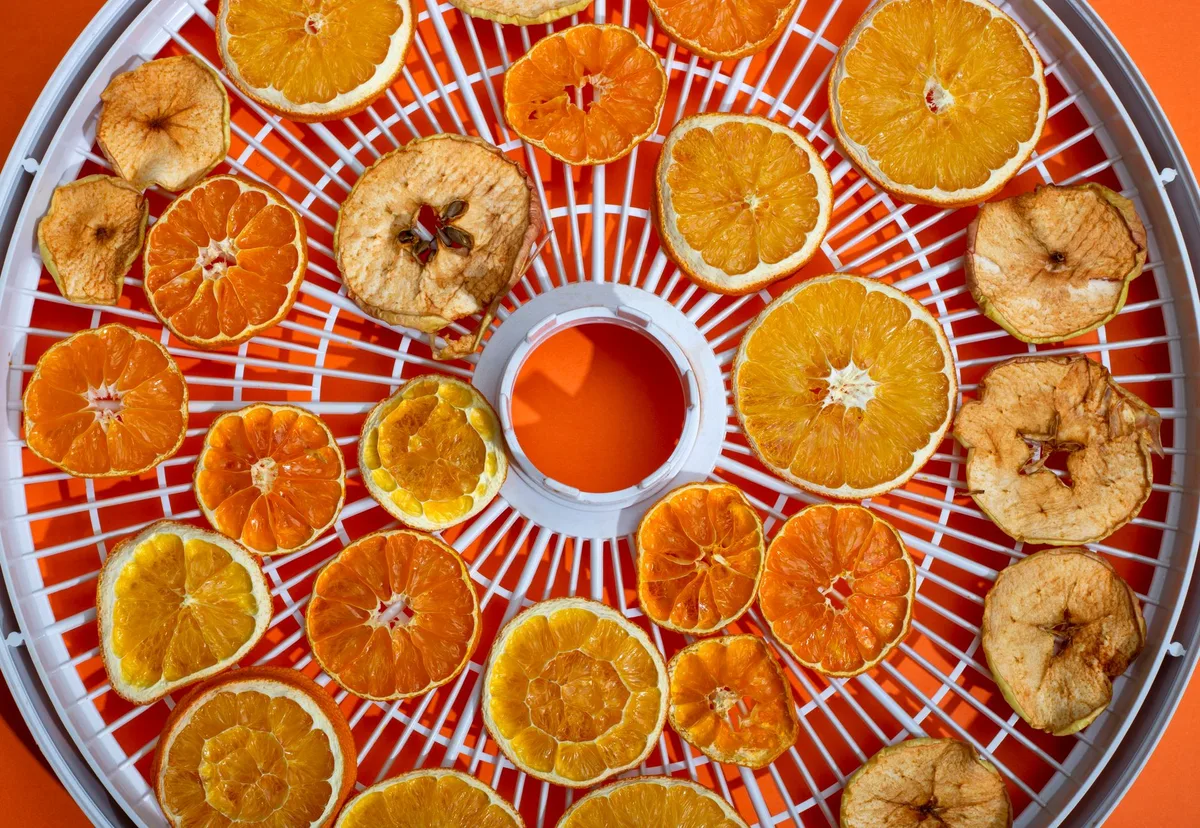
Fruits like apples, bananas, strawberries, and mangoes work wonderfully. Slice them thinly and evenly. They'll turn into delicious, chewy snacks or fruit chips. Many vegetables can also be dehydrated, though they might require blanching first depending on the type.
Think of making your own vegetable crisps or dried tomato slices. The goal is to retain flavor while significantly reducing moisture.
Making Jerky
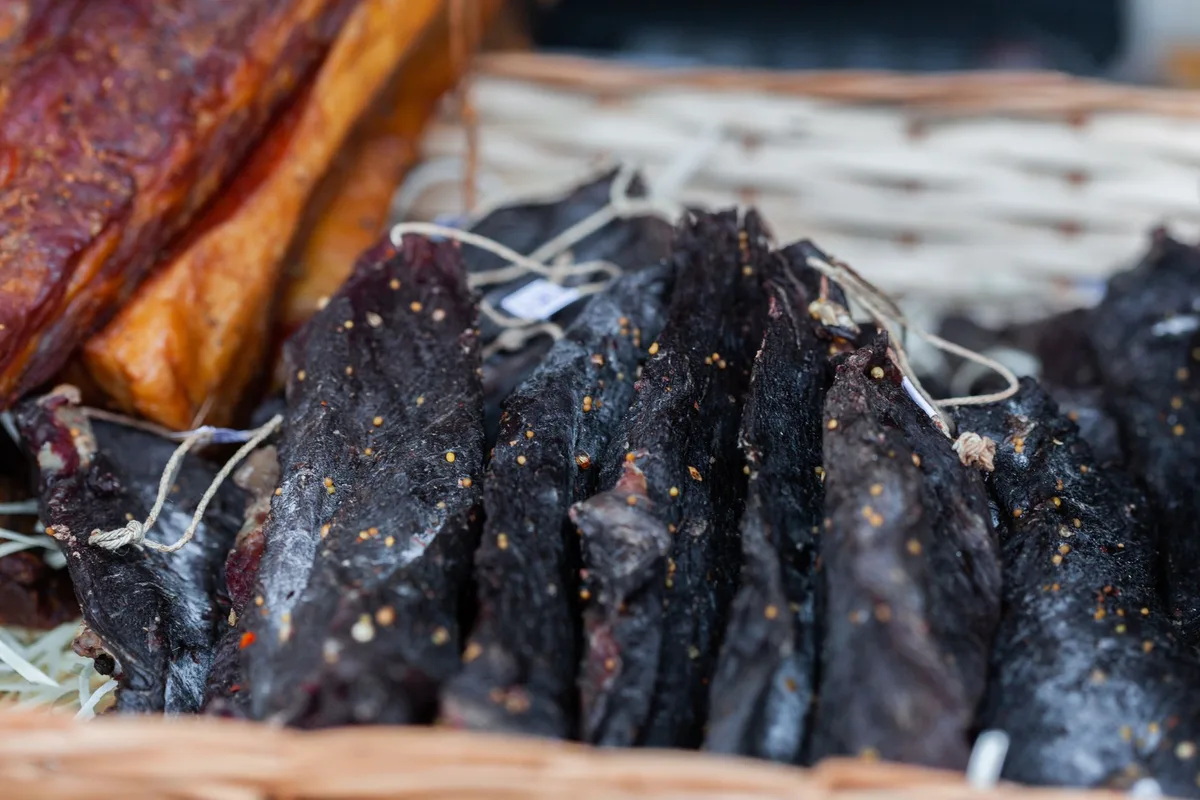
Air fryers are a popular choice for making small batches of homemade jerky, especially beef. Slice your chosen meat very thinly against the grain. Marinate it for several hours, then arrange the strips on the air fryer rack, ensuring they don't touch. The low temperature gently cooks and dries the meat, transforming it into chewy, flavorful jerky.
It's a much healthier alternative to store-bought jerky, which often contains high levels of sodium.
Preserving Herbs
Delicate herbs like basil, parsley, and oregano can be beautifully preserved in an air fryer. Simply place the fresh herb leaves in a single layer on the dehydrator tray or basket. Keep the temperature very low, around 90-100°F (32-38°C), and watch them closely. They'll become brittle and crumble easily within a few hours, retaining their potent aroma for future use.
Common Mistakes When Dehydrating in an Air Fryer
Even with a dedicated button, it's easy to mess up dehydration in an air fryer. The most frequent problem we see reported is using temperatures that are simply too high. Standard air frying is all about heat and speed, but dehydration needs the opposite.
Too Much Heat, Too Fast
If you set your air fryer too high, you'll end up cooking or burning the outside of your food before the inside has a chance to dry. This results in a product that might look dry but is still moist and potentially spoilage-prone within. Always double-check that you've engaged the dehydrate function or set the absolute lowest temperature your air fryer offers.
Overcrowding the Basket
This is a major roadblock to successful dehydration. When you pile food too high or too close together in the air fryer basket, the airflow can't reach all the pieces effectively. This leads to uneven drying, where some parts are bone dry and others remain stubbornly moist. Aim for a single layer with space between each item; you might need to work in batches.
In our research, units with multiple racks generally perform better for achieving uniformity.
Forgetting to Check
Dehydrating is a slow process, and it's tempting to just set it and forget it for hours. However, even with the right temperature, items can dry out at different rates depending on their thickness and water content. You'll need to check periodically, especially towards the end of the estimated drying time, to flip pieces or remove them as they reach the desired dryness.
Expert Tips for Better Dehydrated Snacks
Making consistently good dehydrated food in an air fryer comes down to a few key practices. These aren't complicated, but they make a noticeable difference in the final product.
Even Slices are Key
This can't be stressed enough: thin and uniform slices are your best friend. If you're slicing apples or zucchini, try to keep them all the same thickness. A mandoline slicer can be a fantastic tool here, ensuring consistency that's hard to achieve with a knife. This consistency is paramount because it means all your pieces will dry at roughly the same rate, preventing some from becoming tough while others are still damp.
Watch for Hot Spots
Air fryers, by their nature, can have hot spots due to how the fan circulates air. This is especially true for dehydration, where you're dealing with longer cook times. If you notice certain areas of your food are drying out much faster than others, don't hesitate to pause the air fryer and rotate your trays or flip your food pieces. This simple step helps ensure a more uniform result across the entire batch.
What Food is Best for Air Fryer Dehydrating?
The air fryer's dehydrate function is incredibly versatile, perfect for creating a variety of homemade treats and preserving ingredients. It’s especially great for those who want to experiment with small batches before investing in a larger, dedicated dehydrator.
Drying Fruits and Veggies
Fruits like apples, bananas, strawberries, and mangoes work wonderfully. Slice them thinly and evenly. They'll turn into delicious, chewy snacks or fruit chips. Many vegetables can also be dehydrated, though they might require blanching first depending on the type.
Think of making your own vegetable crisps or dried tomato slices. The goal is to retain flavor while significantly reducing moisture.
Making Jerky
Air fryers are a popular choice for making small batches of homemade jerky, especially beef. Slice your chosen meat very thinly against the grain. Marinate it for several hours, then arrange the strips on the air fryer rack, ensuring they don't touch. The low temperature gently cooks and dries the meat, transforming it into chewy, flavorful jerky.
It's a much healthier alternative to store-bought jerky, which often contains high levels of sodium.
Preserving Herbs
Delicate herbs like basil, parsley, and oregano can be beautifully preserved in an air fryer. Simply place the fresh herb leaves in a single layer on the dehydrator tray or basket. Keep the temperature very low, around 90-100°F (32-38°C), and watch them closely. They'll become brittle and crumble easily within a few hours, retaining their potent aroma for future use.
Common Mistakes When Dehydrating in an Air Fryer
Even with a dedicated button, it's easy to mess up dehydration in an air fryer. The most frequent problem we see reported is using temperatures that are simply too high. Standard air frying is all about heat and speed, but dehydration needs the opposite.
Too Much Heat, Too Fast
If you set your air fryer too high, you'll end up cooking or burning the outside of your food before the inside has a chance to dry. This results in a product that might look dry but is still moist and potentially spoilage-prone within. Always double-check that you've engaged the dehydrate function or set the absolute lowest temperature your air fryer offers.
Overcrowding the Basket
This is a major roadblock to successful dehydration. When you pile food too high or too close together in the air fryer basket, the airflow can't reach all the pieces effectively. This leads to uneven drying, where some parts are bone dry and others remain stubbornly moist. Aim for a single layer with space between each item; you might need to work in batches.
In our research, units with multiple racks generally perform better for achieving uniformity.
Forgetting to Check
Dehydrating is a slow process, and it's tempting to just set it and forget it for hours. However, even with the right temperature, items can dry out at different rates depending on their thickness and water content. You'll need to check periodically, especially towards the end of the estimated drying time, to flip pieces or remove them as they reach the desired dryness.
Expert Tips for Better Dehydrated Snacks
Making consistently good dehydrated food in an air fryer comes down to a few key practices. These aren't complicated, but they make a noticeable difference in the final product.
Even Slices are Key
This can't be stressed enough: thin and uniform slices are your best friend. If you're slicing apples or zucchini, try to keep them all the same thickness. A mandoline slicer can be a fantastic tool here, ensuring consistency that's hard to achieve with a knife. This consistency is paramount because it means all your pieces will dry at roughly the same rate, preventing some from becoming tough while others are still damp.
Watch for Hot Spots
Air fryers, by their nature, can have hot spots due to how the fan circulates air. This is especially true for dehydration, where you're dealing with longer cook times. If you notice certain areas of your food are drying out much faster than others, don't hesitate to pause the air fryer and rotate your trays or flip your food pieces. This simple step helps ensure a more uniform result across the entire batch.
What Food is Best for Air Fryer Dehydrating?
The air fryer's dehydrate function is incredibly versatile, perfect for creating a variety of homemade treats and preserving ingredients. It’s especially great for those who want to experiment with small batches before investing in a larger, dedicated dehydrator.
Drying Fruits and Veggies
Fruits like apples, bananas, strawberries, and mangoes work wonderfully. Slice them thinly and evenly. They'll turn into delicious, chewy snacks or fruit chips. Many vegetables can also be dehydrated, though they might require blanching first depending on the type.
Think of making your own vegetable crisps or dried tomato slices. The goal is to retain flavor while significantly reducing moisture.
Making Jerky
Air fryers are a popular choice for making small batches of homemade jerky, especially beef. Slice your chosen meat very thinly against the grain. Marinate it for several hours, then arrange the strips on the air fryer rack, ensuring they don't touch. The low temperature gently cooks and dries the meat, transforming it into chewy, flavorful jerky.
It's a much healthier alternative to store-bought jerky, which often contains high levels of sodium.
Preserving Herbs
Delicate herbs like basil, parsley, and oregano can be beautifully preserved in an air fryer. Simply place the fresh herb leaves in a single layer on the dehydrator tray or basket. Keep the temperature very low, around 90-100°F (32-38°C), and watch them closely. They'll become brittle and crumble easily within a few hours, retaining their potent aroma for future use.
Common Mistakes When Dehydrating in an Air Fryer
Even with a dedicated button, it's easy to mess up dehydration in an air fryer. The most frequent problem we see reported is using temperatures that are simply too high. Standard air frying is all about heat and speed, but dehydration needs the opposite.
Too Much Heat, Too Fast
If you set your air fryer too high, you'll end up cooking or burning the outside of your food before the inside has a chance to dry. This results in a product that might look dry but is still moist and potentially spoilage-prone within. Always double-check that you've engaged the dehydrate function or set the absolute lowest temperature your air fryer offers.
Overcrowding the Basket
This is a major roadblock to successful dehydration. When you pile food too high or too close together in the air fryer basket, the airflow can't reach all the pieces effectively. This leads to uneven drying, where some parts are bone dry and others remain stubbornly moist. Aim for a single layer with space between each item; you might need to work in batches.
In our research, units with multiple racks generally perform better for achieving uniformity.
Forgetting to Check
Dehydrating is a slow process, and it's tempting to just set it and forget it for hours. However, even with the right temperature, items can dry out at different rates depending on their thickness and water content. You'll need to check periodically, especially towards the end of the estimated drying time, to flip pieces or remove them as they reach the desired dryness.
Expert Tips for Better Dehydrated Snacks
Making consistently good dehydrated food in an air fryer comes down to a few key practices. These aren't complicated, but they make a noticeable difference in the final product.
Even Slices are Key
This can't be stressed enough: thin and uniform slices are your best friend. If you're slicing apples or zucchini, try to keep them all the same thickness. A mandoline slicer can be a fantastic tool here, ensuring consistency that's hard to achieve with a knife. This consistency is paramount because it means all your pieces will dry at roughly the same rate, preventing some from becoming tough while others are still damp.
Watch for Hot Spots
Air fryers, by their nature, can have hot spots due to how the fan circulates air. This is especially true for dehydration, where you're dealing with longer cook times. If you notice certain areas of your food are drying out much faster than others, don't hesitate to pause the air fryer and rotate your trays or flip your food pieces. This simple step helps ensure a more uniform result across the entire batch.
What Food is Best for Air Fryer Dehydrating?
The air fryer's dehydrate function is incredibly versatile, perfect for creating a variety of homemade treats and preserving ingredients. It’s especially great for those who want to experiment with small batches before investing in a larger, dedicated dehydrator.
Drying Fruits and Veggies
Fruits like apples, bananas, strawberries, and mangoes work wonderfully. Slice them thinly and evenly. They'll turn into delicious, chewy snacks or fruit chips. Many vegetables can also be dehydrated, though they might require blanching first depending on the type.
Think of making your own vegetable crisps or dried tomato slices. The goal is to retain flavor while significantly reducing moisture.
Making Jerky
Air fryers are a popular choice for making small batches of homemade jerky, especially beef. Slice your chosen meat very thinly against the grain. Marinate it for several hours, then arrange the strips on the air fryer rack, ensuring they don't touch. The low temperature gently cooks and dries the meat, transforming it into chewy, flavorful jerky.
It's a much healthier alternative to store-bought jerky, which often contains high levels of sodium.
Preserving Herbs
Delicate herbs like basil, parsley, and oregano can be beautifully preserved in an air fryer. Simply place the fresh herb leaves in a single layer on the dehydrator tray or basket. Keep the temperature very low, around 90-100°F (32-38°C), and watch them closely. They'll become brittle and crumble easily within a few hours, retaining their potent aroma for future use.
Common Mistakes When Dehydrating in an Air Fryer
Even with a dedicated button, it's easy to mess up dehydration in an air fryer. The most frequent problem we see reported is using temperatures that are simply too high. Standard air frying is all about heat and speed, but dehydration needs the opposite.
Too Much Heat, Too Fast
If you set your air fryer too high, you'll end up cooking or burning the outside of your food before the inside has a chance to dry. This results in a product that might look dry but is still moist and potentially spoilage-prone within. Always double-check that you've engaged the dehydrate function or set the absolute lowest temperature your air fryer offers.
Overcrowding the Basket
This is a major roadblock to successful dehydration. When you pile food too high or too close together in the air fryer basket, the airflow can't reach all the pieces effectively. This leads to uneven drying, where some parts are bone dry and others remain stubbornly moist. Aim for a single layer with space between each item; you might need to work in batches.
In our research, units with multiple racks generally perform better for achieving uniformity.
Forgetting to Check
Dehydrating is a slow process, and it's tempting to just set it and forget it for hours. However, even with the right temperature, items can dry out at different rates depending on their thickness and water content. You'll need to check periodically, especially towards the end of the estimated drying time, to flip pieces or remove them as they reach the desired dryness.
Expert Tips for Better Dehydrated Snacks
Making consistently good dehydrated food in an air fryer comes down to a few key practices. These aren't complicated, but they make a noticeable difference in the final product.
Even Slices are Key
This can't be stressed enough: thin and uniform slices are your best friend. If you're slicing apples or zucchini, try to keep them all the same thickness. A mandoline slicer can be a fantastic tool here, ensuring consistency that's hard to achieve with a knife. This consistency is paramount because it means all your pieces will dry at roughly the same rate, preventing some from becoming tough while others are still damp.
Watch for Hot Spots
Air fryers, by their nature, can have hot spots due to how the fan circulates air. This is especially true for dehydration, where you're dealing with longer cook times. If you notice certain areas of your food are drying out much faster than others, don't hesitate to pause the air fryer and rotate your trays or flip your food pieces. This simple step helps ensure a more uniform result across the entire batch.
What Food is Best for Air Fryer Dehydrating?
The air fryer's dehydrate function is incredibly versatile, perfect for creating a variety of homemade treats and preserving ingredients. It’s especially great for those who want to experiment with small batches before investing in a larger, dedicated dehydrator.
Drying Fruits and Veggies
Fruits like apples, bananas, strawberries, and mangoes work wonderfully. Slice them thinly and evenly. They'll turn into delicious, chewy snacks or fruit chips. Many vegetables can also be dehydrated, though they might require blanching first depending on the type.
Think of making your own vegetable crisps or dried tomato slices. The goal is to retain flavor while significantly reducing moisture.
Making Jerky
Air fryers are a popular choice for making small batches of homemade jerky, especially beef. Slice your chosen meat very thinly against the grain. Marinate it for several hours, then arrange the strips on the air fryer rack, ensuring they don't touch. The low temperature gently cooks and dries the meat, transforming it into chewy, flavorful jerky.
It's a much healthier alternative to store-bought jerky, which often contains high levels of sodium.
Preserving Herbs
Delicate herbs like basil, parsley, and oregano can be beautifully preserved in an air fryer. Simply place the fresh herb leaves in a single layer on the dehydrator tray or basket. Keep the temperature very low, around 90-100°F (32-38°C), and watch them closely. They'll become brittle and crumble easily within a few hours, retaining their potent aroma for future use.
Common Mistakes When Dehydrating in an Air Fryer
Even with a dedicated button, it's easy to mess up dehydration in an air fryer. The most frequent problem we see reported is using temperatures that are simply too high. Standard air frying is all about heat and speed, but dehydration needs the opposite.
Too Much Heat, Too Fast
If you set your air fryer too high, you'll end up cooking or burning the outside of your food before the inside has a chance to dry. This results in a product that might look dry but is still moist and potentially spoilage-prone within. Always double-check that you've engaged the dehydrate function or set the absolute lowest temperature your air fryer offers.
Overcrowding the Basket
This is a major roadblock to successful dehydration. When you pile food too high or too close together in the air fryer basket, the airflow can't reach all the pieces effectively. This leads to uneven drying, where some parts are bone dry and others remain stubbornly moist. Aim for a single layer with space between each item; you might need to work in batches.
In our research, units with multiple racks generally perform better for achieving uniformity.
Forgetting to Check
Dehydrating is a slow process, and it's tempting to just set it and forget it for hours. However, even with the right temperature, items can dry out at different rates depending on their thickness and water content. You'll need to check periodically, especially towards the end of the estimated drying time, to flip pieces or remove them as they reach the desired dryness.
Expert Tips for Better Dehydrated Snacks
Making consistently good dehydrated food in an air fryer comes down to a few key practices. These aren't complicated, but they make a noticeable difference in the final product.
Even Slices are Key
This can't be stressed enough: thin and uniform slices are your best friend. If you're slicing apples or zucchini, try to keep them all the same thickness. A mandoline slicer can be a fantastic tool here, ensuring consistency that's hard to achieve with a knife. This consistency is paramount because it means all your pieces will dry at roughly the same rate, preventing some from becoming tough while others are still damp.
Watch for Hot Spots
Air fryers, by their nature, can have hot spots due to how the fan circulates air. This is especially true for dehydration, where you're dealing with longer cook times. If you notice certain areas of your food are drying out much faster than others, don't hesitate to pause the air fryer and rotate your trays or flip your food pieces. This simple step helps ensure a more uniform result across the entire batch.
What Food is Best for Air Fryer Dehydrating?
The air fryer's dehydrate function is incredibly versatile, perfect for creating a variety of homemade treats and preserving ingredients. It’s especially great for those who want to experiment with small batches before investing in a larger, dedicated dehydrator.
Drying Fruits and Veggies
Fruits like apples, bananas, strawberries, and mangoes work wonderfully. Slice them thinly and evenly. They'll turn into delicious, chewy snacks or fruit chips. Many vegetables can also be dehydrated, though they might require blanching first depending on the type.
Think of making your own vegetable crisps or dried tomato slices. The goal is to retain flavor while significantly reducing moisture.
Making Jerky
Air fryers are a popular choice for making small batches of homemade jerky, especially beef. Slice your chosen meat very thinly against the grain. Marinate it for several hours, then arrange the strips on the air fryer rack, ensuring they don't touch. The low temperature gently cooks and dries the meat, transforming it into chewy, flavorful jerky.
It's a much healthier alternative to store-bought jerky, which often contains high levels of sodium.
Preserving Herbs
Delicate herbs like basil, parsley, and oregano can be beautifully preserved in an air fryer. Simply place the fresh herb leaves in a single layer on the dehydrator tray or basket. Keep the temperature very low, around 90-100°F (32-38°C), and watch them closely. They'll become brittle and crumble easily within a few hours, retaining their potent aroma for future use.
Common Mistakes When Dehydrating in an Air Fryer
Even with a dedicated button, it's easy to mess up dehydration in an air fryer. The most frequent problem we see reported is using temperatures that are simply too high. Standard air frying is all about heat and speed, but dehydration needs the opposite.
Too Much Heat, Too Fast
If you set your air fryer too high, you'll end up cooking or burning the outside of your food before the inside has a chance to dry. This results in a product that might look dry but is still moist and potentially spoilage-prone within. Always double-check that you've engaged the dehydrate function or set the absolute lowest temperature your air fryer offers.
Overcrowding the Basket
This is a major roadblock to successful dehydration. When you pile food too high or too close together in the air fryer basket, the airflow can't reach all the pieces effectively. This leads to uneven drying, where some parts are bone dry and others remain stubbornly moist. Aim for a single layer with space between each item; you might need to work in batches.
In our research, units with multiple racks generally perform better for achieving uniformity.
Forgetting to Check
Dehydrating is a slow process, and it's tempting to just set it and forget it for hours. However, even with the right temperature, items can dry out at different rates depending on their thickness and water content. You'll need to check periodically, especially towards the end of the estimated drying time, to flip pieces or remove them as they reach the desired dryness.
Expert Tips for Better Dehydrated Snacks
Making consistently good dehydrated food in an air fryer comes down to a few key practices. These aren't complicated, but they make a noticeable difference in the final product.
Even Slices are Key
This can't be stressed enough: thin and uniform slices are your best friend. If you're slicing apples or zucchini, try to keep them all the same thickness. A mandoline slicer can be a fantastic tool here, ensuring consistency that's hard to achieve with a knife. This consistency is paramount because it means all your pieces will dry at roughly the same rate, preventing some from becoming tough while others are still damp.
Watch for Hot Spots
Air fryers, by their nature, can have hot spots due to how the fan circulates air. This is especially true for dehydration, where you're dealing with longer cook times. If you notice certain areas of your food are drying out much faster than others, don't hesitate to pause the air fryer and rotate your trays or flip your food pieces. This simple step helps ensure a more uniform result across the entire batch.
What Food is Best for Air Fryer Dehydrating?
The air fryer's dehydrate function is incredibly versatile, perfect for creating a variety of homemade treats and preserving ingredients. It’s especially great for those who want to experiment with small batches before investing in a larger, dedicated dehydrator.
Drying Fruits and Veggies
Fruits like apples, bananas, strawberries, and mangoes work wonderfully. Slice them thinly and evenly. They'll turn into delicious, chewy snacks or fruit chips. Many vegetables can also be dehydrated, though they might require blanching first depending on the type.
Think of making your own vegetable crisps or dried tomato slices. The goal is to retain flavor while significantly reducing moisture.
Making Jerky
Air fryers are a popular choice for making small batches of homemade jerky, especially beef. Slice your chosen meat very thinly against the grain. Marinate it for several hours, then arrange the strips on the air fryer rack, ensuring they don't touch. The low temperature gently cooks and dries the meat, transforming it into chewy, flavorful jerky.
It's a much healthier alternative to store-bought jerky, which often contains high levels of sodium.
Preserving Herbs
Delicate herbs like basil, parsley, and oregano can be beautifully preserved in an air fryer. Simply place the fresh herb leaves in a single layer on the dehydrator tray or basket. Keep the temperature very low, around 90-100°F (32-38°C), and watch them closely. They'll become brittle and crumble easily within a few hours, retaining their potent aroma for future use.
Common Mistakes When Dehydrating in an Air Fryer
Even with a dedicated button, it's easy to mess up dehydration in an air fryer. The most frequent problem we see reported is using temperatures that are simply too high. Standard air frying is all about heat and speed, but dehydration needs the opposite.
Too Much Heat, Too Fast
If you set your air fryer too high, you'll end up cooking or burning the outside of your food before the inside has a chance to dry. This results in a product that might look dry but is still moist and potentially spoilage-prone within. Always double-check that you've engaged the dehydrate function or set the absolute lowest temperature your air fryer offers.
Overcrowding the Basket
This is a major roadblock to successful dehydration. When you pile food too high or too close together in the air fryer basket, the airflow can't reach all the pieces effectively. This leads to uneven drying, where some parts are bone dry and others remain stubbornly moist. Aim for a single layer with space between each item; you might need to work in batches.
In our research, units with multiple racks generally perform better for achieving uniformity.
Forgetting to Check
Dehydrating is a slow process, and it's tempting to just set it and forget it for hours. However, even with the right temperature, items can dry out at different rates depending on their thickness and water content. You'll need to check periodically, especially towards the end of the estimated drying time, to flip pieces or remove them as they reach the desired dryness.
Expert Tips for Better Dehydrated Snacks
Making consistently good dehydrated food in an air fryer comes down to a few key practices. These aren't complicated, but they make a noticeable difference in the final product.
Even Slices are Key
This can't be stressed enough: thin and uniform slices are your best friend. If you're slicing apples or zucchini, try to keep them all the same thickness. A mandoline slicer can be a fantastic tool here, ensuring consistency that's hard to achieve with a knife. This consistency is paramount because it means all your pieces will dry at roughly the same rate, preventing some from becoming tough while others are still damp.
Watch for Hot Spots
Air fryers, by their nature, can have hot spots due to how the fan circulates air. This is especially true for dehydration, where you're dealing with longer cook times. If you notice certain areas of your food are drying out much faster than others, don't hesitate to pause the air fryer and rotate your trays or flip your food pieces. This simple step helps ensure a more uniform result across the entire batch.
What Food is Best for Air Fryer Dehydrating?
The air fryer's dehydrate function is incredibly versatile, perfect for creating a variety of homemade treats and preserving ingredients. It’s especially great for those who want to experiment with small batches before investing in a larger, dedicated dehydrator.
Drying Fruits and Veggies
Fruits like apples, bananas, strawberries, and mangoes work wonderfully. Slice them thinly and evenly. They'll turn into delicious, chewy snacks or fruit chips. Many vegetables can also be dehydrated, though they might require blanching first depending on the type.
Think of making your own vegetable crisps or dried tomato slices. The goal is to retain flavor while significantly reducing moisture.
Making Jerky
Air fryers are a popular choice for making small batches of homemade jerky, especially beef. Slice your chosen meat very thinly against the grain. Marinate it for several hours, then arrange the strips on the air fryer rack, ensuring they don't touch. The low temperature gently cooks and dries the meat, transforming it into chewy, flavorful jerky.
It's a much healthier alternative to store-bought jerky, which often contains high levels of sodium.
Preserving Herbs
Delicate herbs like basil, parsley, and oregano can be beautifully preserved in an air fryer. Simply place the fresh herb leaves in a single layer on the dehydrator tray or basket. Keep the temperature very low, around 90-100°F (32-38°C), and watch them closely. They'll become brittle and crumble easily within a few hours, retaining their potent aroma for future use.
Common Mistakes When Dehydrating in an Air Fryer
Even with a dedicated button, it's easy to mess up dehydration in an air fryer. The most frequent problem we see reported is using temperatures that are simply too high. Standard air frying is all about heat and speed, but dehydration needs the opposite.
Too Much Heat, Too Fast
If you set your air fryer too high, you'll end up cooking or burning the outside of your food before the inside has a chance to dry. This results in a product that might look dry but is still moist and potentially spoilage-prone within. Always double-check that you've engaged the dehydrate function or set the absolute lowest temperature your air fryer offers.
Overcrowding the Basket
This is a major roadblock to successful dehydration. When you pile food too high or too close together in the air fryer basket, the airflow can't reach all the pieces effectively. This leads to uneven drying, where some parts are bone dry and others remain stubbornly moist. Aim for a single layer with space between each item; you might need to work in batches.
In our research, units with multiple racks generally perform better for achieving uniformity.
Forgetting to Check
Dehydrating is a slow process, and it's tempting to just set it and forget it for hours. However, even with the right temperature, items can dry out at different rates depending on their thickness and water content. You'll need to check periodically, especially towards the end of the estimated drying time, to flip pieces or remove them as they reach the desired dryness.
Expert Tips for Better Dehydrated Snacks
Making consistently good dehydrated food in an air fryer comes down to a few key practices. These aren't complicated, but they make a noticeable difference in the final product.
Even Slices are Key
This can't be stressed enough: thin and uniform slices are your best friend. If you're slicing apples or zucchini, try to keep them all the same thickness. A mandoline slicer can be a fantastic tool here, ensuring consistency that's hard to achieve with a knife. This consistency is paramount because it means all your pieces will dry at roughly the same rate, preventing some from becoming tough while others are still damp.
Watch for Hot Spots
Air fryers, by their nature, can have hot spots due to how the fan circulates air. This is especially true for dehydration, where you're dealing with longer cook times. If you notice certain areas of your food are drying out much faster than others, don't hesitate to pause the air fryer and rotate your trays or flip your food pieces. This simple step helps ensure a more uniform result across the entire batch.
What Food is Best for Air Fryer Dehydrating?
The air fryer's dehydrate function is incredibly versatile, perfect for creating a variety of homemade treats and preserving ingredients. It’s especially great for those who want to experiment with small batches before investing in a larger, dedicated dehydrator.
Drying Fruits and Veggies
Fruits like apples, bananas, strawberries, and mangoes work wonderfully. Slice them thinly and evenly. They'll turn into delicious, chewy snacks or fruit chips. Many vegetables can also be dehydrated, though they might require blanching first depending on the type.
Think of making your own vegetable crisps or dried tomato slices. The goal is to retain flavor while significantly reducing moisture.
Making Jerky
Air fryers are a popular choice for making small batches of homemade jerky, especially beef. Slice your chosen meat very thinly against the grain. Marinate it for several hours, then arrange the strips on the air fryer rack, ensuring they don't touch. The low temperature gently cooks and dries the meat, transforming it into chewy, flavorful jerky.
It's a much healthier alternative to store-bought jerky, which often contains high levels of sodium.
Preserving Herbs
Delicate herbs like basil, parsley, and oregano can be beautifully preserved in an air fryer. Simply place the fresh herb leaves in a single layer on the dehydrator tray or basket. Keep the temperature very low, around 90-100°F (32-38°C), and watch them closely. They'll become brittle and crumble easily within a few hours, retaining their potent aroma for future use.
Common Mistakes When Dehydrating in an Air Fryer
Even with a dedicated button, it's easy to mess up dehydration in an air fryer. The most frequent problem we see reported is using temperatures that are simply too high. Standard air frying is all about heat and speed, but dehydration needs the opposite.
Too Much Heat, Too Fast
If you set your air fryer too high, you'll end up cooking or burning the outside of your food before the inside has a chance to dry. This results in a product that might look dry but is still moist and potentially spoilage-prone within. Always double-check that you've engaged the dehydrate function or set the absolute lowest temperature your air fryer offers.
Overcrowding the Basket
This is a major roadblock to successful dehydration. When you pile food too high or too close together in the air fryer basket, the airflow can't reach all the pieces effectively. This leads to uneven drying, where some parts are bone dry and others remain stubbornly moist. Aim for a single layer with space between each item; you might need to work in batches.
In our research, units with multiple racks generally perform better for achieving uniformity.
Forgetting to Check
Dehydrating is a slow process, and it's tempting to just set it and forget it for hours. However, even with the right temperature, items can dry out at different rates depending on their thickness and water content. You'll need to check periodically, especially towards the end of the estimated drying time, to flip pieces or remove them as they reach the desired dryness.
Expert Tips for Better Dehydrated Snacks
Making consistently good dehydrated food in an air fryer comes down to a few key practices. These aren't complicated, but they make a noticeable difference in the final product.
Even Slices are Key
This can't be stressed enough: thin and uniform slices are your best friend. If you're slicing apples or zucchini, try to keep them all the same thickness. A mandoline slicer can be a fantastic tool here, ensuring consistency that's hard to achieve with a knife. This consistency is paramount because it means all your pieces will dry at roughly the same rate, preventing some from becoming tough while others are still damp.
Watch for Hot Spots
Air fryers, by their nature, can have hot spots due to how the fan circulates air. This is especially true for dehydration, where you're dealing with longer cook times. If you notice certain areas of your food are drying out much faster than others, don't hesitate to pause the air fryer and rotate your trays or flip your food pieces. This simple step helps ensure a more uniform result across the entire batch.
What Food is Best for Air Fryer Dehydrating?
The air fryer's dehydrate function is incredibly versatile, perfect for creating a variety of homemade treats and preserving ingredients. It’s especially great for those who want to experiment with small batches before investing in a larger, dedicated dehydrator.
Drying Fruits and Veggies
Fruits like apples, bananas, strawberries, and mangoes work wonderfully. Slice them thinly and evenly. They'll turn into delicious, chewy snacks or fruit chips. Many vegetables can also be dehydrated, though they might require blanching first depending on the type.
Think of making your own vegetable crisps or dried tomato slices. The goal is to retain flavor while significantly reducing moisture.
Making Jerky
Air fryers are a popular choice for making small batches of homemade jerky, especially beef. Slice your chosen meat very thinly against the grain. Marinate it for several hours, then arrange the strips on the air fryer rack, ensuring they don't touch. The low temperature gently cooks and dries the meat, transforming it into chewy, flavorful jerky.
It's a much healthier alternative to store-bought jerky, which often contains high levels of sodium.
Preserving Herbs
Delicate herbs like basil, parsley, and oregano can be beautifully preserved in an air fryer. Simply place the fresh herb leaves in a single layer on the dehydrator tray or basket. Keep the temperature very low, around 90-100°F (32-38°C), and watch them closely. They'll become brittle and crumble easily within a few hours, retaining their potent aroma for future use.
Common Mistakes When Dehydrating in an Air Fryer
Even with a dedicated button, it's easy to mess up dehydration in an air fryer. The most frequent problem we see reported is using temperatures that are simply too high. Standard air frying is all about heat and speed, but dehydration needs the opposite.
Too Much Heat, Too Fast
If you set your air fryer too high, you'll end up cooking or burning the outside of your food before the inside has a chance to dry. This results in a product that might look dry but is still moist and potentially spoilage-prone within. Always double-check that you've engaged the dehydrate function or set the absolute lowest temperature your air fryer offers.
Overcrowding the Basket
This is a major roadblock to successful dehydration. When you pile food too high or too close together in the air fryer basket, the airflow can't reach all the pieces effectively. This leads to uneven drying, where some parts are bone dry and others remain stubbornly moist. Aim for a single layer with space between each item; you might need to work in batches.
In our research, units with multiple racks generally perform better for achieving uniformity.
Forgetting to Check
Dehydrating is a slow process, and it's tempting to just set it and forget it for hours. However, even with the right temperature, items can dry out at different rates depending on their thickness and water content. You'll need to check periodically, especially towards the end of the estimated drying time, to flip pieces or remove them as they reach the desired dryness.
Expert Tips for Better Dehydrated Snacks
Making consistently good dehydrated food in an air fryer comes down to a few key practices. These aren't complicated, but they make a noticeable difference in the final product.
Even Slices are Key
This can't be stressed enough: thin and uniform slices are your best friend. If you're slicing apples or zucchini, try to keep them all the same thickness. A mandoline slicer can be a fantastic tool here, ensuring consistency that's hard to achieve with a knife. This consistency is paramount because it means all your pieces will dry at roughly the same rate, preventing some from becoming tough while others are still damp.
Watch for Hot Spots
Air fryers, by their nature, can have hot spots due to how the fan circulates air. This is especially true for dehydration, where you're dealing with longer cook times. If you notice certain areas of your food are drying out much faster than others, don't hesitate to pause the air fryer and rotate your trays or flip your food pieces. This simple step helps ensure a more uniform result across the entire batch.
What Food is Best for Air Fryer Dehydrating?
The air fryer's dehydrate function is incredibly versatile, perfect for creating a variety of homemade treats and preserving ingredients. It’s especially great for those who want to experiment with small batches before investing in a larger, dedicated dehydrator.
Drying Fruits and Veggies
Fruits like apples, bananas, strawberries, and mangoes work wonderfully. Slice them thinly and evenly. They'll turn into delicious, chewy snacks or fruit chips. Many vegetables can also be dehydrated, though they might require blanching first depending on the type.
Think of making your own vegetable crisps or dried tomato slices. The goal is to retain flavor while significantly reducing moisture.
Making Jerky
Air fryers are a popular choice for making small batches of homemade jerky, especially beef. Slice your chosen meat very thinly against the grain. Marinate it for several hours, then arrange the strips on the air fryer rack, ensuring they don't touch. The low temperature gently cooks and dries the meat, transforming it into chewy, flavorful jerky.
It's a much healthier alternative to store-bought jerky, which often contains high levels of sodium.
Preserving Herbs
Delicate herbs like basil, parsley, and oregano can be beautifully preserved in an air fryer. Simply place the fresh herb leaves in a single layer on the dehydrator tray or basket. Keep the temperature very low, around 90-100°F (32-38°C), and watch them closely. They'll become brittle and crumble easily within a few hours, retaining their potent aroma for future use.
Common Mistakes When Dehydrating in an Air Fryer
Even with a dedicated button, it's easy to mess up dehydration in an air fryer. The most frequent problem we see reported is using temperatures that are simply too high. Standard air frying is all about heat and speed, but dehydration needs the opposite.
Too Much Heat, Too Fast
If you set your air fryer too high, you'll end up cooking or burning the outside of your food before the inside has a chance to dry. This results in a product that might look dry but is still moist and potentially spoilage-prone within. Always double-check that you've engaged the dehydrate function or set the absolute lowest temperature your air fryer offers.
Overcrowding the Basket
This is a major roadblock to successful dehydration. When you pile food too high or too close together in the air fryer basket, the airflow can't reach all the pieces effectively. This leads to uneven drying, where some parts are bone dry and others remain stubbornly moist. Aim for a single layer with space between each item; you might need to work in batches.
In our research, units with multiple racks generally perform better for achieving uniformity.
Forgetting to Check
Dehydrating is a slow process, and it's tempting to just set it and forget it for hours. However, even with the right temperature, items can dry out at different rates depending on their thickness and water content. You'll need to check periodically, especially towards the end of the estimated drying time, to flip pieces or remove them as they reach the desired dryness.
Expert Tips for Better Dehydrated Snacks
Making consistently good dehydrated food in an air fryer comes down to a few key practices. These aren't complicated, but they make a noticeable difference in the final product.
Even Slices are Key
This can't be stressed enough: thin and uniform slices are your best friend. If you're slicing apples or zucchini, try to keep them all the same thickness. A mandoline slicer can be a fantastic tool here, ensuring consistency that's hard to achieve with a knife. This consistency is paramount because it means all your pieces will dry at roughly the same rate, preventing some from becoming tough while others are still damp.
Watch for Hot Spots
Air fryers, by their nature, can have hot spots due to how the fan circulates air. This is especially true for dehydration, where you're dealing with longer cook times. If you notice certain areas of your food are drying out much faster than others, don't hesitate to pause the air fryer and rotate your trays or flip your food pieces. This simple step helps ensure a more uniform result across the entire batch.
What Food is Best for Air Fryer Dehydrating?
The air fryer's dehydrate function is incredibly versatile, perfect for creating a variety of homemade treats and preserving ingredients. It’s especially great for those who want to experiment with small batches before investing in a larger, dedicated dehydrator.
Drying Fruits and Veggies
Fruits like apples, bananas, strawberries, and mangoes work wonderfully. Slice them thinly and evenly. They'll turn into delicious, chewy snacks or fruit chips. Many vegetables can also be dehydrated, though they might require blanching first depending on the type.
Think of making your own vegetable crisps or dried tomato slices. The goal is to retain flavor while significantly reducing moisture.
Making Jerky
Air fryers are a popular choice for making small batches of homemade jerky, especially beef. Slice your chosen meat very thinly against the grain. Marinate it for several hours, then arrange the strips on the air fryer rack, ensuring they don't touch. The low temperature gently cooks and dries the meat, transforming it into chewy, flavorful jerky.
It's a much healthier alternative to store-bought jerky, which often contains high levels of sodium.
Preserving Herbs
Delicate herbs like basil, parsley, and oregano can be beautifully preserved in an air fryer. Simply place the fresh herb leaves in a single layer on the dehydrator tray or basket. Keep the temperature very low, around 90-100°F (32-38°C), and watch them closely. They'll become brittle and crumble easily within a few hours, retaining their potent aroma for future use.
Common Mistakes When Dehydrating in an Air Fryer
Even with a dedicated button, it's easy to mess up dehydration in an air fryer. The most frequent problem we see reported is using temperatures that are simply too high. Standard air frying is all about heat and speed, but dehydration needs the opposite.
Too Much Heat, Too Fast
If you set your air fryer too high, you'll end up cooking or burning the outside of your food before the inside has a chance to dry. This results in a product that might look dry but is still moist and potentially spoilage-prone within. Always double-check that you've engaged the dehydrate function or set the absolute lowest temperature your air fryer offers.
Overcrowding the Basket
This is a major roadblock to successful dehydration. When you pile food too high or too close together in the air fryer basket, the airflow can't reach all the pieces effectively. This leads to uneven drying, where some parts are bone dry and others remain stubbornly moist. Aim for a single layer with space between each item; you might need to work in batches.
In our research, units with multiple racks generally perform better for achieving uniformity.
Forgetting to Check
Dehydrating is a slow process, and it's tempting to just set it and forget it for hours. However, even with the right temperature, items can dry out at different rates depending on their thickness and water content. You'll need to check periodically, especially towards the end of the estimated drying time, to flip pieces or remove them as they reach the desired dryness.
Expert Tips for Better Dehydrated Snacks
Making consistently good dehydrated food in an air fryer comes down to a few key practices. These aren't complicated, but they make a noticeable difference in the final product.
Even Slices are Key
This can't be stressed enough: thin and uniform slices are your best friend. If you're slicing apples or zucchini, try to keep them all the same thickness. A mandoline slicer can be a fantastic tool here, ensuring consistency that's hard to achieve with a knife. This consistency is paramount because it means all your pieces will dry at roughly the same rate, preventing some from becoming tough while others are still damp.
Watch for Hot Spots
Air fryers, by their nature, can have hot spots due to how the fan circulates air. This is especially true for dehydration, where you're dealing with longer cook times. If you notice certain areas of your food are drying out much faster than others, don't hesitate to pause the air fryer and rotate your trays or flip your food pieces. This simple step helps ensure a more uniform result across the entire batch.
What Food is Best for Air Fryer Dehydrating?
The air fryer's dehydrate function is incredibly versatile, perfect for creating a variety of homemade treats and preserving ingredients. It’s especially great for those who want to experiment with small batches before investing in a larger, dedicated dehydrator.
Drying Fruits and Veggies
Fruits like apples, bananas, strawberries, and mangoes work wonderfully. Slice them thinly and evenly. They'll turn into delicious, chewy snacks or fruit chips. Many vegetables can also be dehydrated, though they might require blanching first depending on the type.
Think of making your own vegetable crisps or dried tomato slices. The goal is to retain flavor while significantly reducing moisture.
Making Jerky
Air fryers are a popular choice for making small batches of homemade jerky, especially beef. Slice your chosen meat very thinly against the grain. Marinate it for several hours, then arrange the strips on the air fryer rack, ensuring they don't touch. The low temperature gently cooks and dries the meat, transforming it into chewy, flavorful jerky.
It's a much healthier alternative to store-bought jerky, which often contains high levels of sodium.
Preserving Herbs
Delicate herbs like basil, parsley, and oregano can be beautifully preserved in an air fryer. Simply place the fresh herb leaves in a single layer on the dehydrator tray or basket. Keep the temperature very low, around 90-100°F (32-38°C), and watch them closely. They'll become brittle and crumble easily within a few hours, retaining their potent aroma for future use.
Common Mistakes When Dehydrating in an Air Fryer
Even with a dedicated button, it's easy to mess up dehydration in an air fryer. The most frequent problem we see reported is using temperatures that are simply too high. Standard air frying is all about heat and speed, but dehydration needs the opposite.
Too Much Heat, Too Fast
If you set your air fryer too high, you'll end up cooking or burning the outside of your food before the inside has a chance to dry. This results in a product that might look dry but is still moist and potentially spoilage-prone within. Always double-check that you've engaged the dehydrate function or set the absolute lowest temperature your air fryer offers.
Overcrowding the Basket
This is a major roadblock to successful dehydration. When you pile food too high or too close together in the air fryer basket, the airflow can't reach all the pieces effectively. This leads to uneven drying, where some parts are bone dry and others remain stubbornly moist. Aim for a single layer with space between each item; you might need to work in batches.
In our research, units with multiple racks generally perform better for achieving uniformity.
Forgetting to Check
Dehydrating is a slow process, and it's tempting to just set it and forget it for hours. However, even with the right temperature, items can dry out at different rates depending on their thickness and water content. You'll need to check periodically, especially towards the end of the estimated drying time, to flip pieces or remove them as they reach the desired dryness.
Expert Tips for Better Dehydrated Snacks
Making consistently good dehydrated food in an air fryer comes down to a few key practices. These aren't complicated, but they make a noticeable difference in the final product.
Even Slices are Key
This can't be stressed enough: thin and uniform slices are your best friend. If you're slicing apples or zucchini, try to keep them all the same thickness. A mandoline slicer can be a fantastic tool here, ensuring consistency that's hard to achieve with a knife. This consistency is paramount because it means all your pieces will dry at roughly the same rate, preventing some from becoming tough while others are still damp.
Watch for Hot Spots
Air fryers, by their nature, can have hot spots due to how the fan circulates air. This is especially true for dehydration, where you're dealing with longer cook times. If you notice certain areas of your food are drying out much faster than others, don't hesitate to pause the air fryer and rotate your trays or flip your food pieces. This simple step helps ensure a more uniform result across the entire batch.
What Food is Best for Air Fryer Dehydrating?
The air fryer's dehydrate function is incredibly versatile, perfect for creating a variety of homemade treats and preserving ingredients. It’s especially great for those who want to experiment with small batches before investing in a larger, dedicated dehydrator.
Drying Fruits and Veggies
Fruits like apples, bananas, strawberries, and mangoes work wonderfully. Slice them thinly and evenly. They'll turn into delicious, chewy snacks or fruit chips. Many vegetables can also be dehydrated, though they might require blanching first depending on the type.
Think of making your own vegetable crisps or dried tomato slices. The goal is to retain flavor while significantly reducing moisture.
Making Jerky
Air fryers are a popular choice for making small batches of homemade jerky, especially beef. Slice your chosen meat very thinly against the grain. Marinate it for several hours, then arrange the strips on the air fryer rack, ensuring they don't touch. The low temperature gently cooks and dries the meat, transforming it into chewy, flavorful jerky.
It's a much healthier alternative to store-bought jerky, which often contains high levels of sodium.
Preserving Herbs
Delicate herbs like basil, parsley, and oregano can be beautifully preserved in an air fryer. Simply place the fresh herb leaves in a single layer on the dehydrator tray or basket. Keep the temperature very low, around 90-100°F (32-38°C), and watch them closely. They'll become brittle and crumble easily within a few hours, retaining their potent aroma for future use.
Common Mistakes When Dehydrating in an Air Fryer
Even with a dedicated button, it's easy to mess up dehydration in an air fryer. The most frequent problem we see reported is using temperatures that are simply too high. Standard air frying is all about heat and speed, but dehydration needs the opposite.
Too Much Heat, Too Fast
If you set your air fryer too high, you'll end up cooking or burning the outside of your food before the inside has a chance to dry. This results in a product that might look dry but is still moist and potentially spoilage-prone within. Always double-check that you've engaged the dehydrate function or set the absolute lowest temperature your air fryer offers.
Overcrowding the Basket
This is a major roadblock to successful dehydration. When you pile food too high or too close together in the air fryer basket, the airflow can't reach all the pieces effectively. This leads to uneven drying, where some parts are bone dry and others remain stubbornly moist. Aim for a single layer with space between each item; you might need to work in batches.
In our research, units with multiple racks generally perform better for achieving uniformity.
Forgetting to Check
Dehydrating is a slow process, and it's tempting to just set it and forget it for hours. However, even with the right temperature, items can dry out at different rates depending on their thickness and water content. You'll need to check periodically, especially towards the end of the estimated drying time, to flip pieces or remove them as they reach the desired dryness.
Expert Tips for Better Dehydrated Snacks
Making consistently good dehydrated food in an air fryer comes down to a few key practices. These aren't complicated, but they make a noticeable difference in the final product.
Even Slices are Key
This can't be stressed enough: thin and uniform slices are your best friend. If you're slicing apples or zucchini, try to keep them all the same thickness. A mandoline slicer can be a fantastic tool here, ensuring consistency that's hard to achieve with a knife. This consistency is paramount because it means all your pieces will dry at roughly the same rate, preventing some from becoming tough while others are still damp.
Watch for Hot Spots
Air fryers, by their nature, can have hot spots due to how the fan circulates air. This is especially true for dehydration, where you're dealing with longer cook times. If you notice certain areas of your food are drying out much faster than others, don't hesitate to pause the air fryer and rotate your trays or flip your food pieces. This simple step helps ensure a more uniform result across the entire batch.
What Food is Best for Air Fryer Dehydrating?
The air fryer's dehydrate function is incredibly versatile, perfect for creating a variety of homemade treats and preserving ingredients. It’s especially great for those who want to experiment with small batches before investing in a larger, dedicated dehydrator.
Drying Fruits and Veggies
Fruits like apples, bananas, strawberries, and mangoes work wonderfully. Slice them thinly and evenly. They'll turn into delicious, chewy snacks or fruit chips. Many vegetables can also be dehydrated, though they might require blanching first depending on the type.
Think of making your own vegetable crisps or dried tomato slices. The goal is to retain flavor while significantly reducing moisture.
Making Jerky
Air fryers are a popular choice for making small batches of homemade jerky, especially beef. Slice your chosen meat very thinly against the grain. Marinate it for several hours, then arrange the strips on the air fryer rack, ensuring they don't touch. The low temperature gently cooks and dries the meat, transforming it into chewy, flavorful jerky.
It's a much healthier alternative to store-bought jerky, which often contains high levels of sodium.
Preserving Herbs
Delicate herbs like basil, parsley, and oregano can be beautifully preserved in an air fryer. Simply place the fresh herb leaves in a single layer on the dehydrator tray or basket. Keep the temperature very low, around 90-100°F (32-38°C), and watch them closely. They'll become brittle and crumble easily within a few hours, retaining their potent aroma for future use.
Common Mistakes When Dehydrating in an Air Fryer
Even with a dedicated button, it's easy to mess up dehydration in an air fryer. The most frequent problem we see reported is using temperatures that are simply too high. Standard air frying is all about heat and speed, but dehydration needs the opposite.
Too Much Heat, Too Fast
If you set your air fryer too high, you'll end up cooking or burning the outside of your food before the inside has a chance to dry. This results in a product that might look dry but is still moist and potentially spoilage-prone within. Always double-check that you've engaged the dehydrate function or set the absolute lowest temperature your air fryer offers.
Overcrowding the Basket
This is a major roadblock to successful dehydration. When you pile food too high or too close together in the air fryer basket, the airflow can't reach all the pieces effectively. This leads to uneven drying, where some parts are bone dry and others remain stubbornly moist. Aim for a single layer with space between each item; you might need to work in batches.
In our research, units with multiple racks generally perform better for achieving uniformity.
Forgetting to Check
Dehydrating is a slow process, and it's tempting to just set it and forget it for hours. However, even with the right temperature, items can dry out at different rates depending on their thickness and water content. You'll need to check periodically, especially towards the end of the estimated drying time, to flip pieces or remove them as they reach the desired dryness.
Expert Tips for Better Dehydrated Snacks
Making consistently good dehydrated food in an air fryer comes down to a few key practices. These aren't complicated, but they make a noticeable difference in the final product.
Even Slices are Key
This can't be stressed enough: thin and uniform slices are your best friend. If you're slicing apples or zucchini, try to keep them all the same thickness. A mandoline slicer can be a fantastic tool here, ensuring consistency that's hard to achieve with a knife. This consistency is paramount because it means all your pieces will dry at roughly the same rate, preventing some from becoming tough while others are still damp.
Watch for Hot Spots
Air fryers, by their nature, can have hot spots due to how the fan circulates air. This is especially true for dehydration, where you're dealing with longer cook times. If you notice certain areas of your food are drying out much faster than others, don't hesitate to pause the air fryer and rotate your trays or flip your food pieces. This simple step helps ensure a more uniform result across the entire batch.
What Food is Best for Air Fryer Dehydrating?
The air fryer's dehydrate function is incredibly versatile, perfect for creating a variety of homemade treats and preserving ingredients. It’s especially great for those who want to experiment with small batches before investing in a larger, dedicated dehydrator.
Drying Fruits and Veggies
Fruits like apples, bananas, strawberries, and mangoes work wonderfully. Slice them thinly and evenly. They'll turn into delicious, chewy snacks or fruit chips. Many vegetables can also be dehydrated, though they might require blanching first depending on the type.
Think of making your own vegetable crisps or dried tomato slices. The goal is to retain flavor while significantly reducing moisture.
Making Jerky
Air fryers are a popular choice for making small batches of homemade jerky, especially beef. Slice your chosen meat very thinly against the grain. Marinate it for several hours, then arrange the strips on the air fryer rack, ensuring they don't touch. The low temperature gently cooks and dries the meat, transforming it into chewy, flavorful jerky.
It's a much healthier alternative to store-bought jerky, which often contains high levels of sodium.
Preserving Herbs
Delicate herbs like basil, parsley, and oregano can be beautifully preserved in an air fryer. Simply place the fresh herb leaves in a single layer on the dehydrator tray or basket. Keep the temperature very low, around 90-100°F (32-38°C), and watch them closely. They'll become brittle and crumble easily within a few hours, retaining their potent aroma for future use.
Common Mistakes When Dehydrating in an Air Fryer
Even with a dedicated button, it's easy to mess up dehydration in an air fryer. The most frequent problem we see reported is using temperatures that are simply too high. Standard air frying is all about heat and speed, but dehydration needs the opposite.
Too Much Heat, Too Fast
If you set your air fryer too high, you'll end up cooking or burning the outside of your food before the inside has a chance to dry. This results in a product that might look dry but is still moist and potentially spoilage-prone within. Always double-check that you've engaged the dehydrate function or set the absolute lowest temperature your air fryer offers.
Overcrowding the Basket
This is a major roadblock to successful dehydration. When you pile food too high or too close together in the air fryer basket, the airflow can't reach all the pieces effectively. This leads to uneven drying, where some parts are bone dry and others remain stubbornly moist. Aim for a single layer with space between each item; you might need to work in batches.
In our research, units with multiple racks generally perform better for achieving uniformity.
Forgetting to Check
Dehydrating is a slow process, and it's tempting to just set it and forget it for hours. However, even with the right temperature, items can dry out at different rates depending on their thickness and water content. You'll need to check periodically, especially towards the end of the estimated drying time, to flip pieces or remove them as they reach the desired dryness.
Expert Tips for Better Dehydrated Snacks
Making consistently good dehydrated food in an air fryer comes down to a few key practices. These aren't complicated, but they make a noticeable difference in the final product.
Even Slices are Key
This can't be stressed enough: thin and uniform slices are your best friend. If you're slicing apples or zucchini, try to keep them all the same thickness. A mandoline slicer can be a fantastic tool here, ensuring consistency that's hard to achieve with a knife. This consistency is paramount because it means all your pieces will dry at roughly the same rate, preventing some from becoming tough while others are still damp.
Watch for Hot Spots
Air fryers, by their