
Is Your Air Fryer Secretly "Toxic"? Let's Find Out.
Curious about what air fryers are toxic? It's a valid question many of us have as we embrace these popular kitchen gadgets for quicker, healthier meals. The good news is that most air fryers on the market today are designed with safety in mind, using materials tested for food contact.
The manufacturer's specifications often confirm compliance with rigorous testing, ensuring components can withstand typical cooking temperatures.
Quick Answer: Are Air Fryers Actually Toxic?
Generally, no, most commercially available air fryers are not considered toxic when used as intended. Reputable brands prioritize safety by using food-grade materials that don't leach harmful chemicals under normal cooking conditions, typically up to around 400°F (200°C). Concerns usually arise from damaged components or extremely poor-quality manufacturing.
Understanding Air Fryer Safety: What You Need to Know
The safety of your air fryer boils down to the materials used and how it's manufactured and operated. Most modern units are built with consumer safety as a top priority by established brands that adhere to strict industry guidelines.
Key Components: What's Inside Your Air Fryer?
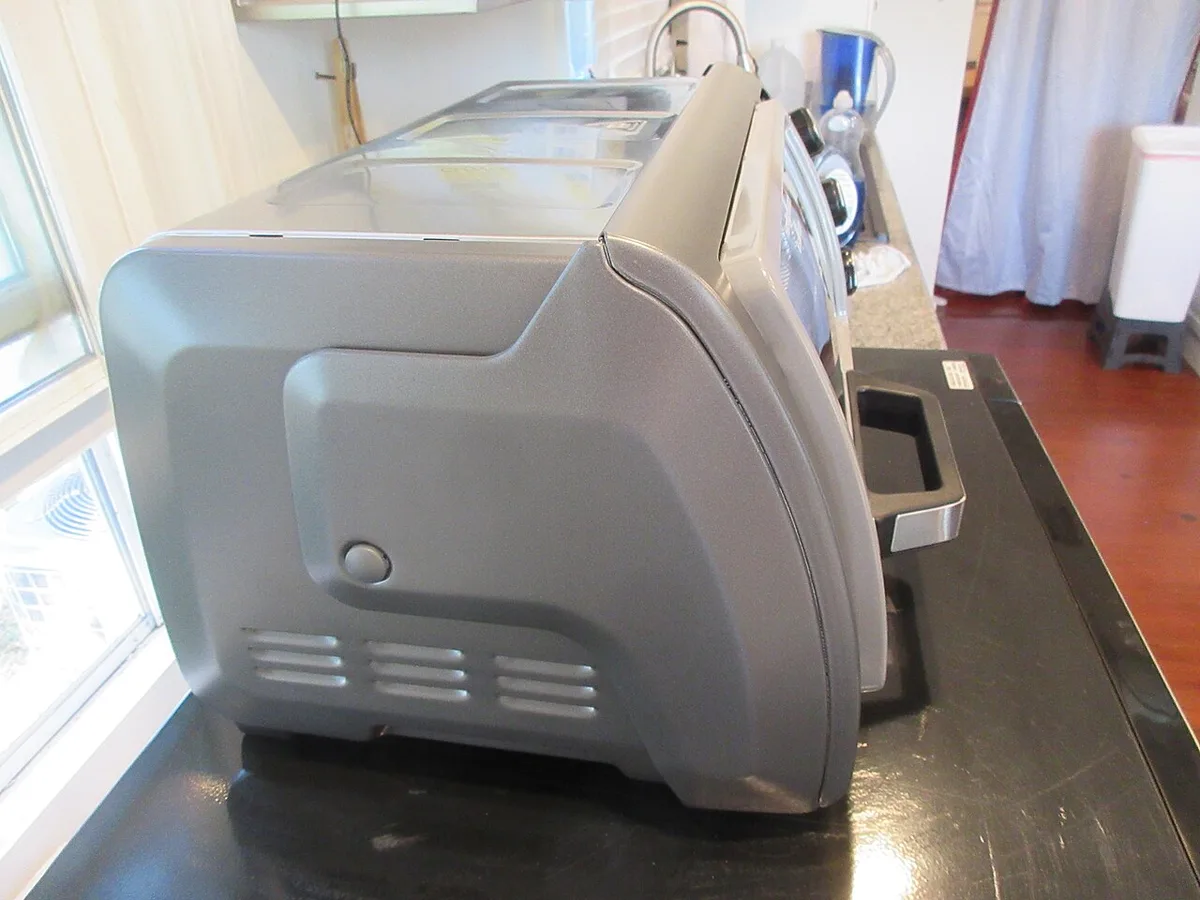
An air fryer is essentially a compact, high-powered convection oven. Its main parts include a heating element (usually at the top), a fan to circulate hot air, a cooking basket or tray, and an outer casing. These components are constructed from various materials, each with its own safety considerations.
Non-Stick Coatings: The Main Concern
The most commonly discussed material when it comes to air fryer safety is the non-stick coating on the cooking basket and tray. These coatings are designed to prevent food from sticking, making cleanup much easier. Historically, some older non-stick cookware contained PFOA (perfluorooctanoic acid), a chemical that raised significant health concerns, but PFOA has been phased out by manufacturers in most countries for many years.
Today, the vast majority of non-stick coatings are based on PTFE (polytetrafluoroethylene). PTFE itself is a very stable compound and is considered safe when used within its designed temperature range. The primary concern with PTFE coatings arises if they become significantly scratched, chipped, or overheated to extreme temperatures, which could potentially lead to small particles flaking off or fumes being released.
Plastics and Other Materials
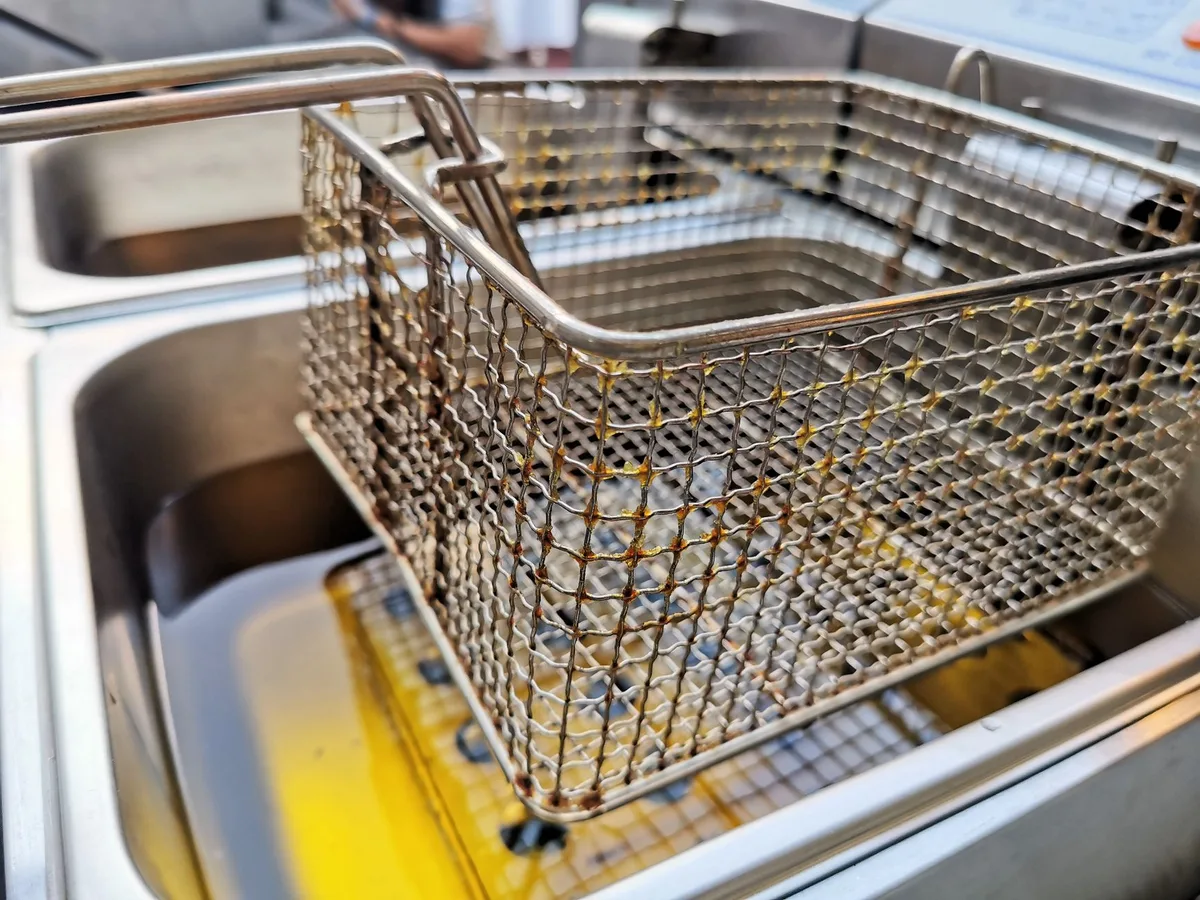
Beyond the non-stick surfaces, air fryers also incorporate plastic components, particularly for the outer casing, control knobs, or internal insulation. Manufacturers typically use food-grade, heat-resistant plastics that are tested to ensure they don't leach harmful chemicals. These plastics are selected to withstand the heat generated during operation without degrading.
Similarly, the internal wiring and heating elements are constructed from materials designed for high temperatures and electrical insulation, and these are generally not in direct contact with food.
Potential Risks & Warning Signs: What to Watch For
While the risk is low with reputable brands, understanding potential warning signs can help you identify when an air fryer might not be performing safely. These situations are rare but worth being aware of.
Scratched or Peeling Non-Stick: When to Worry
If the non-stick coating on your air fryer basket or tray is heavily scratched, chipped, or visibly peeling, that's a clear indicator to proceed with caution. Tiny flakes of the coating could potentially end up in your food, and while generally considered inert, it’s best to avoid consuming them. Repeated overheating or using abrasive cleaning tools are common culprits for damaging these surfaces. If you notice significant wear and tear, it may be time to replace the basket or the entire unit.
Overheating: Pushing the Limits
Air fryers are designed to operate at specific temperatures, typically ranging from around 150°F to 400°F (65°C to 200°C). Running the appliance empty at its highest setting for prolonged periods, or using it for tasks that require significantly higher temperatures for extended durations, could potentially stress the materials and coatings. While PTFE is stable at normal cooking temperatures, extremely high heat can cause it to break down, releasing fumes that are unpleasant and potentially irritating. Always follow recommended cooking times and temperatures.
Low-Quality Materials: The Knock-Off Risk
The biggest potential for "toxic" air fryers comes from exceptionally cheap, unbranded, or counterfeit units. These products may not adhere to safety standards, could use inferior plastics, or employ non-stick coatings that degrade quickly or contain banned substances. Manufacturer specifications for approved appliances detail the materials and testing protocols, which these lower-quality items often bypass. Aggregate user feedback for such items often points to rapid wear and tear or concerning smells.
Making Your Air Fryer Safe: Practical Steps
Ensuring your air fryer remains safe for your kitchen is straightforward when you adopt a few simple practices. It’s less about avoiding a "toxic" appliance and more about smart usage and knowledgeable purchasing.
Choosing a Safe Air Fryer: Reputable Brands & Certifications
The most crucial step in ensuring your air fryer is safe is purchasing from well-established, reputable brands. Companies like Philips, Cosori, Ninja, and Cuisinart, among others, invest heavily in product safety and compliance testing. Look for certifications like UL, ETL, or CE on the product packaging or in the user manual.
These markings indicate that the appliance has met specific safety and performance standards set by independent testing organizations. For instance, an appliance with UL certification has undergone testing that includes evaluating the materials used for heat resistance and emissions, ensuring they meet stringent requirements. This reassures consumers that the product has been vetted for typical household use. As of 2026, these certifications remain the bedrock of consumer appliance safety.
Safe Operation: How to Use It Right
Proper operation is key to minimizing any potential risks. Always use your air fryer in a well-ventilated area, as this helps dissipate heat and any minor fumes that might be released, especially during the initial uses or when cooking particularly greasy foods. Avoid running the air fryer empty at its maximum temperature for extended periods; instead, preheat it for the recommended duration and then add your food. Reading and following the manufacturer's instructions for your specific model is paramount.
Careful Cleaning: Preserving Non-Stick Surfaces
To maintain the integrity of the non-stick coating and prevent damage, gentle cleaning is essential.
- Use soft tools: Always use a soft sponge or cloth for washing. Avoid abrasive scrubbers, steel wool, or harsh cleaning chemicals, as these can scratch and degrade the coating.
- Avoid metal utensils: When cooking in the air fryer basket, opt for silicone, wood, or plastic utensils instead of metal, which can easily scratch the non-stick surface.
- Allow to cool: Let the air fryer basket cool down before washing to prevent thermal shock, which can also damage the coating.
- Inspect regularly: Before each use, quickly check the basket for any signs of significant scratches or peeling.
When to Replace Your Air Fryer Basket or Unit
Recognizing when a part of your air fryer has reached the end of its safe lifespan is important. The most common reason for replacement is damage to the non-stick coating on the basket or tray. If you notice deep scratches, significant chipping, or areas where the coating is visibly peeling away, it’s best to replace that part. Many manufacturers sell replacement baskets or trays directly, extending the life of your appliance.
If the outer casing is damaged, electrical cords are frayed, or the unit is making unusual noises or smells (beyond the initial cosmetic odors of new plastic), it might be a sign of internal issues and could warrant replacement of the entire air fryer. Always prioritize safety over continued use of a compromised appliance.
Expert Tips for Air Fryer Longevity and Safety
To get the most out of your air fryer while ensuring it remains a safe appliance for your kitchen, consider these expert tips. They focus on maintaining the appliance and making informed choices.
- Invest in quality: Opting for air fryers from reputable brands that hold certifications like UL or ETL significantly reduces the risk of encountering materials that could be problematic. While they might cost a bit more upfront, the longevity and safety assurance are well worth it.
- Read the manual thoroughly: Every air fryer model is slightly different. The user manual is your best source of information regarding specific usage instructions, recommended temperatures, cleaning methods, and troubleshooting for your exact unit.
- Don't overcrowd the basket: Overfilling the air fryer basket can lead to uneven cooking and can sometimes cause food particles to come into contact with the heating element, potentially leading to smoke or degradation of components over time. Ensure there's enough space for air to circulate freely.
- Inspect for damage after each use: A quick visual check of the basket and tray after cooking can help you spot minor scratches or wear early on, allowing you to address them before they become major issues.
- Consider accessories carefully: If you purchase aftermarket accessories like parchment liners or silicone inserts, ensure they are specifically designed for air fryer use and are made from food-grade, heat-resistant materials. Poorly fitting or low-quality accessories could impede airflow or pose their own safety risks.
What About Newer Technologies?
Some newer air fryers boast advanced features or materials, but the core safety principles remain the same. Whether it's a digital display with pre-set functions or enhanced airflow designs, the critical elements are still the food-contact surfaces and the overall build quality. Always verify the materials used and look for safety certifications, regardless of how technologically advanced the unit appears.
Best Practices for Air Fryer Maintenance
Maintaining your air fryer properly is directly linked to its safe operation. Regular care ensures that components function as intended and don't degrade prematurely.
- Regular Cleaning: Wash the basket and tray after each use with warm, soapy water. For stubborn bits, a non-abrasive sponge can be used. Let all parts dry completely before reassembling.
- Wipe Down the Exterior: The outside of the appliance can be wiped with a damp cloth. Ensure the unit is unplugged and cool before cleaning the exterior.
- Check Heating Element: Occasionally, unplug the unit and look at the heating element at the top. Remove any large food debris that might have fallen inside, as this can cause smoke or foul odors. Be very gentle here; the element is delicate.
- Inspect Cords: Ensure the power cord is free from fraying or damage. If you notice any issues, discontinue use immediately and contact the manufacturer.
When Might Overheating Be a Real Concern?
Overheating in an air fryer typically means exceeding the temperatures the materials are designed to handle, particularly the non-stick coating. While a PTFE coating is stable up to around 500°F (260°C), official manufacturer guidelines usually cap air fryer use at a maximum of 400°F (200°C). Pushing beyond this, for extended periods, can cause the coating to degrade faster.
This degradation can manifest as flaking, which, as discussed, is a reason to consider replacement. It can also, at extreme temperatures, lead to the release of fumes. These fumes are usually noticeable as a strong, acrid smell and would prompt you to ventilate the area immediately. For day-to-day cooking at recommended settings, this is highly unlikely to occur.
The Role of Certifications: What UL and ETL Mean
The presence of certifications like UL (Underwriters Laboratories) or ETL (Intertek) on your air fryer is a significant indicator of its safety. These are not just stickers; they represent a commitment by the manufacturer to have their product rigorously tested against established safety standards. These tests assess risks such as electrical shock, fire hazards, and the potential for materials to release harmful substances.
For example, an appliance with UL certification has undergone testing that includes evaluating the materials used for heat resistance and emissions, ensuring they meet stringent requirements. This reassures consumers that the product has been vetted for typical household use. Always look for these markings when purchasing any electrical kitchen appliance.