
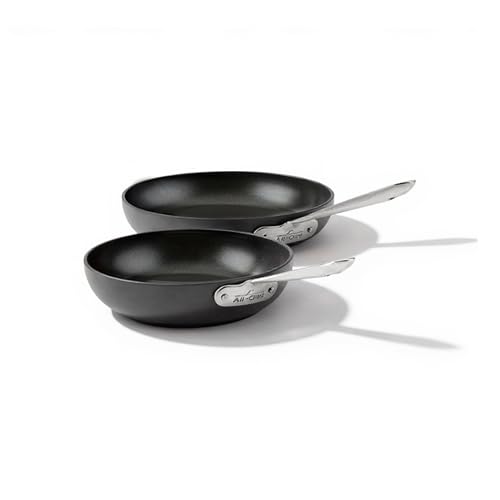
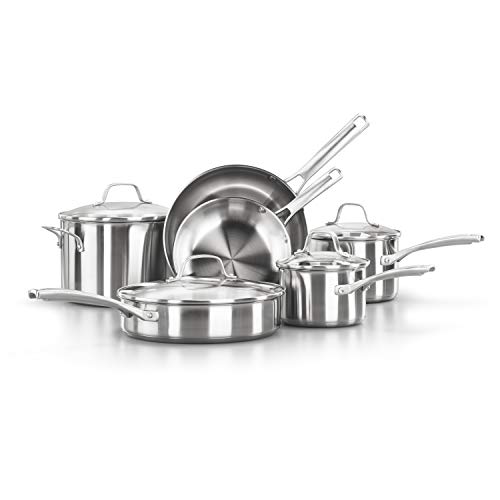
Is Nonstick Cookware Good?
Yes, for many home cooks. I reach for nonstick when I want fast, simple cooking with little fuss. Eggs slide out with ease. Pancakes turn without much effort. Fish is also less likely to tear when I use a gentle touch. That ease is the main reason nonstick cookware remains popular in American kitchens.
In my own cooking routine, a nonstick pan feels like a shortcut on a busy morning. I can make eggs before work and clean the pan in minutes. The tradeoff is care. I avoid very high heat, metal tools, and rough scrubbing. A nonstick coating can wear over time, so I see it as a convenience tool rather than an heirloom pan.
What Makes It Stand Out / Key Features
- Low Stick SurfaceFood releases easily when the pan is used at suitable heat and with proper care.
- Easy CleanupMost food residue wipes away with little effort, which helps on busy weeknights.
- Less Fat NeededThe slick surface can reduce the need for added oil or butter in many dishes.
- Gentle CookingIt works well for eggs, pancakes, delicate fish, and other foods that can stick.
- Beginner FriendlyIt requires less heat control and technique than stainless steel for many simple meals.
- Light Daily UseMany nonstick pans feel easy to lift and move during quick home cooking.
My Recommendation
Consider nonstick cookware if you want easy meals, quick cleanup, and simple control. It is especially useful for breakfast foods and delicate ingredients.
| Best For | Why |
|---|---|
| Eggs and pancakes | Food releases easily and needs less technique. |
| Busy home cooks | Fast cooking and cleanup save time. |
| Beginner cooks | The surface is forgiving and easy to manage. |
Is Stainless Steel Cookware Good?
Yes, especially if you want a pan that can take heat and stay useful for years. Stainless steel gives me more control when I want deep browning, a hard sear, or a pan sauce. It does ask more from the cook. Preheating, oil, and timing matter. If I rush those steps, food can stick.
The first time I made a good sear in stainless steel, I understood the appeal. The pan felt less like a shortcut and more like a tool I could learn to master. It is not always the easiest choice, but it is highly flexible. That makes stainless steel a strong part of a larger cookware set.
What Makes It Stand Out / Key Features
- High Heat UseStainless steel is well suited to high heat cooking when the pan and cookware design allow it.
- Strong SearingIt can build strong browning on meat and vegetables with proper heat control.
- Durable SurfaceThe cooking surface does not rely on a nonstick coating that can wear away.
- Versatile CookingIt works well for searing, sautéing, browning, pan sauces, and many other tasks.
- Long Service LifeGood stainless steel cookware can remain useful for many years with normal care.
- Metal Utensil FriendlyA plain stainless steel cooking surface generally handles normal metal utensils well.
My Recommendation
Consider stainless steel if you enjoy learning cooking technique and want strong performance for searing, browning, high heat, and long-term use.
| Best For | Why |
|---|---|
| Searing meat | It supports strong browning with good heat control. |
| Serious home cooks | It rewards technique and supports many cooking methods. |
| Long-term cookware | The cooking surface can remain useful for many years. |
nonstick cookware vs stainless steel: Side-by-Side Test
When I compare nonstick cookware vs stainless steel, I look at the jobs I ask a pan to do. A pan can be easy to use yet limited in some areas. Another can be tough and flexible yet need more skill.
The nonstick cookware vs stainless steel choice becomes much clearer when each category has a real cooking task behind it.
Ease of Cooking: Which Feels Simpler?
For quick meals, I care about how much attention the pan needs from the first minute to the last.
| Feature | Product 1 | Product 2 |
|---|---|---|
| Food release | Very easy for many foods | Needs good heat and oil control |
| Learning curve | Low | Moderate |
| Quick breakfast | Excellent | Good with practice |
⭐ Product A – 9/10 | Product B – 7/10
Nonstick has the edge when simple cooking matters most.
Searing: Which Browns Better?
A good sear needs strong heat and steady contact, so this is where the two styles feel very different.
| Feature | Product 1 | Product 2 |
|---|---|---|
| High heat cooking | Limited by coating care | Very capable when cookware permits |
| Meat browning | Good for lighter browning | Excellent with proper technique |
| Pan sauce work | Less suited to fond-based sauces | Very well suited |
⭐ Product A – 6/10 | Product B – 9/10
Stainless steel has the edge for strong browning and searing.
Cleanup: Which Takes Less Work?
After dinner, I want the sink to feel like a short stop, not another full chore.
| Feature | Product 1 | Product 2 |
|---|---|---|
| Food residue | Usually easy to remove | Can need soaking or scrubbing |
| Daily cleanup | Very easy | Easy to moderate |
| Stuck food | Less common with proper use | More common without good heat control |
⭐ Product A – 9/10 | Product B – 7/10
Nonstick has the edge for fast cleanup.
Durability: Which Lasts Longer?
For durability, I think about how a pan handles years of heat, utensils, cleaning, and daily use.
| Feature | Product 1 | Product 2 |
|---|---|---|
| Coating wear | Possible over time | No nonstick coating to wear away |
| Metal utensil use | Usually best avoided | Generally suitable |
| Long-term use | Depends strongly on care | Often well suited |
⭐ Product A – 7/10 | Product B – 9/10
Stainless steel has the edge for long-term durability.
Delicate Foods: Which Works Better?
Eggs, fish, and pancakes can turn a normal breakfast into a sticky mess, so surface release matters.
| Feature | Product 1 | Product 2 |
|---|---|---|
| Eggs | Excellent | Good with technique |
| Pancakes | Excellent | Good with proper heat |
| Delicate fish | Very good | Good with careful handling |
⭐ Product A – 9/10 | Product B – 7/10
Nonstick has the edge for delicate foods.
Versatility: Which Does More?
A good pan should fit more than one recipe, from weekday vegetables to weekend steaks.
| Feature | Product 1 | Product 2 |
|---|---|---|
| Sautéing | Very good | Excellent |
| Searing | Good | Excellent |
| Low-stick cooking | Excellent | Good with technique |
| Pan sauces | Good | Excellent |
⭐ Product A – 8/10 | Product B – 9/10
Stainless steel has a broader range of high-heat cooking tasks.
Care: Which Is Easier to Protect?
The best pan is still a poor choice if its care rules do not fit your kitchen habits.
| Feature | Product 1 | Product 2 |
|---|---|---|
| Heat caution | More important | Less restrictive |
| Utensil care | Use suitable utensils | Generally less restrictive |
| Cleaning | Usually simple | Can require more work |
⭐ Product A – 8/10 | Product B – 8/10
The edge depends on whether you value easy cleaning or fewer surface restrictions.
Final Verdict: Which Should You Buy?
The nonstick cookware vs stainless steel choice comes down to how you cook. Nonstick is a strong fit for eggs, pancakes, fish, fast meals, and easy cleanup. Stainless steel is a strong fit for searing, browning, high heat, pan sauces, and long-term use.
I would keep both if my kitchen budget allows it. A nonstick pan handles the gentle jobs while stainless steel handles the tough ones. If you want one simple answer, think about your most common meals first. The best cookware is the one that matches your daily habits, not the one with the most hype.