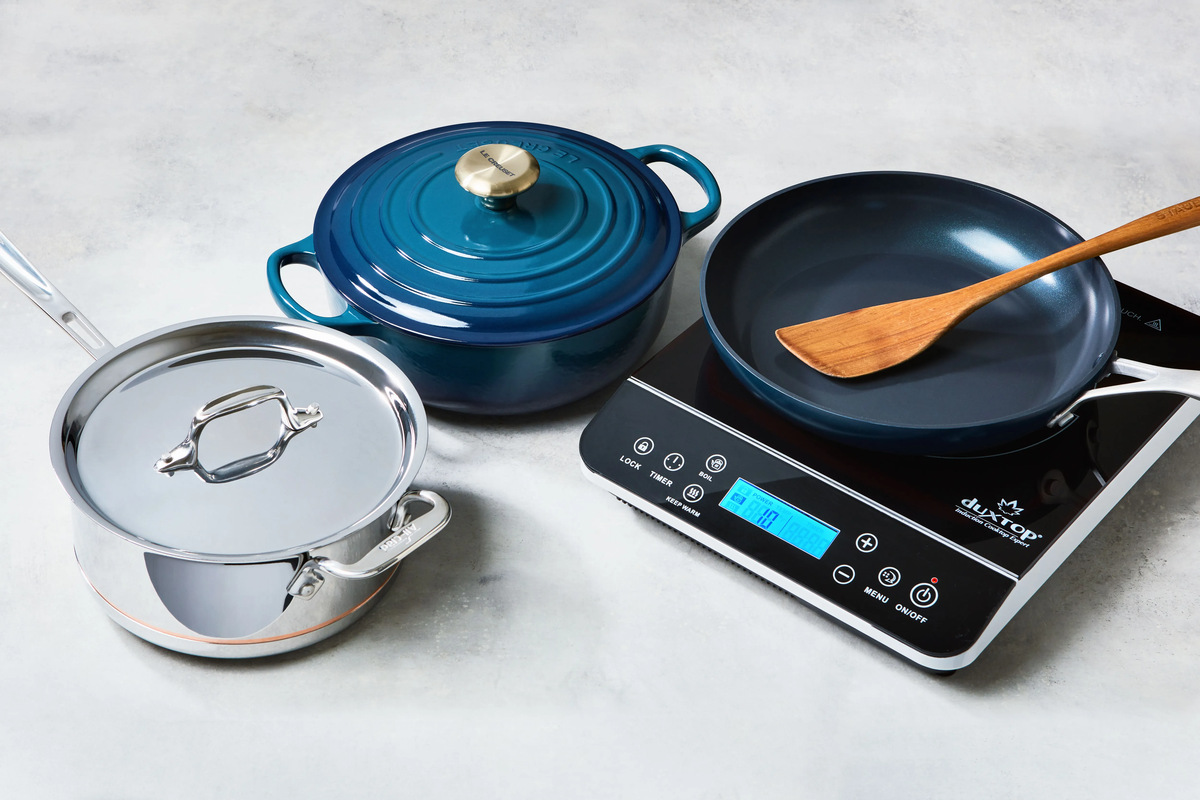
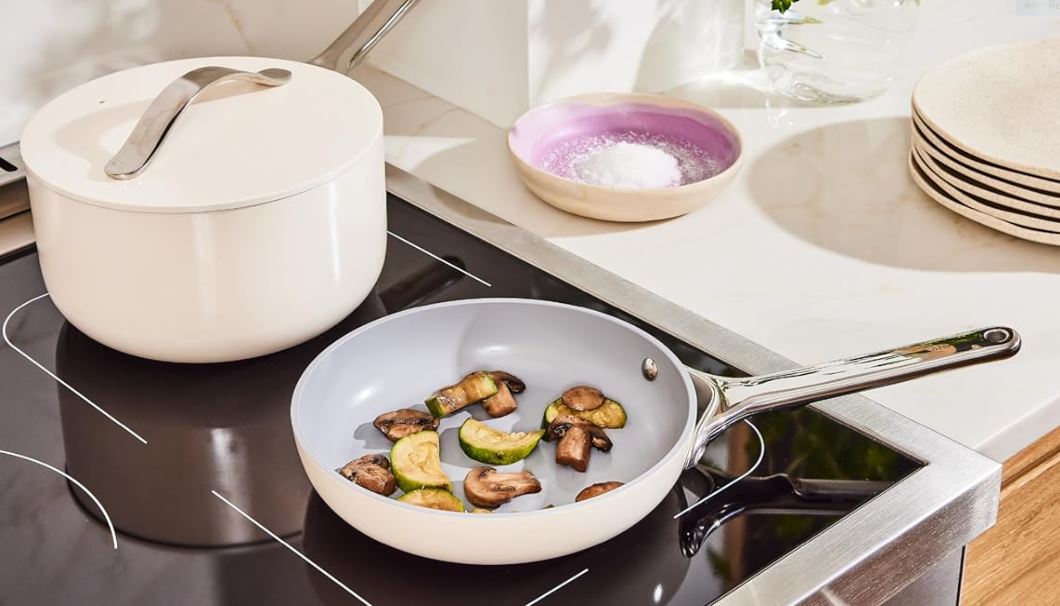
Yes, induction cooktops need magnetic cookware, but you may already own pots and pans that work. You do not need to replace everything.
If you are replacing a gas or electric stove in your American kitchen, you may wonder whether your old pots and pans will work on an induction cooktop. The answer depends on the metal in the cookware, not its brand, price, or appearance. Induction cooking uses a magnetic field to heat the pan directly, so ordinary cookware does not always work.
The good news is that many common kitchen items are already compatible. Cast iron, enameled cast iron, and some stainless steel cookware can work well. You can often check your existing pans with a simple refrigerator magnet before spending money on a new set. A flat bottom and the right pan size also help your cooktop work as intended.
Do You Need Special Cookware for Induction Cooktops?
Yes, induction cooktops need special cookware in the sense that the pots and pans must contain a magnetic material. However, this does not mean you must buy cookware made by a special brand or purchase an expensive induction-only collection. Many standard pots and pans already meet the basic requirement.
The main difference between induction cooking and traditional electric or gas cooking is how heat reaches your food. A gas stove heats the pan with a flame, while a traditional electric stove transfers heat through a hot element or glass surface. An induction cooktop creates a magnetic field that heats compatible cookware directly.
This means the metal at the bottom of your pan matters more than its color, shape, or marketing label. If the base does not respond to the magnetic field, the cooktop may not recognize the pan or heat it properly.
For American households switching from gas or standard electric ranges, checking existing cookware is a sensible first step. You may only need to replace a few pieces instead of buying an entirely new kitchen set.
Magnetic base
The bottom of the pot or pan must contain a suitable magnetic metal, usually iron or magnetic stainless steel.
Flat cooking surface
A flat bottom helps the cookware sit properly on the glass surface and maintain good contact with the cooking zone.
Suitable pan size
The magnetic base must meet the minimum size requirements of the induction cooking zone.
Why Regular Cookware Does Not Always Work
Traditional cookware comes in many materials. Some metals respond to magnets, while others do not. A regular aluminum saucepan, for example, may work perfectly on a gas stove but fail to heat on an induction cooktop.
The reason is simple: induction needs a magnetic material to generate heat inside the cookware. A metal pan that does not have the right magnetic properties cannot perform this task on its own.
Some modern pans solve this problem by using a magnetic steel layer beneath an aluminum or copper body. These combination designs can work on induction even though most of the pan is made from another metal.
Does Induction Cookware Need a Special Brand?
No. Induction compatibility is based on cookware construction, not the manufacturer’s name. A basic cast iron skillet may work just as well as a more expensive induction-ready pan, provided its base meets the cooktop’s requirements.
When shopping, look for an induction-compatible label or the induction symbol on the packaging. These markings are useful, but checking the product specifications is still a good idea.
How Does Induction Cookware Work?
Induction cookware works by responding to an electromagnetic field created beneath the cooktop’s glass surface. Inside the appliance, an electric current passes through a coil and produces a changing magnetic field. When a suitable pan sits above that coil, the field produces electrical currents in the magnetic base of the cookware.
The electrical resistance of the metal turns this energy into heat. The pan then transfers that heat to the food inside it. Unlike a traditional electric burner, the induction system does not need to heat a separate burner first.
This direct heating method helps explain why cookware compatibility matters. The pan is an active part of the heating system, not just a container placed over a hot surface.
It also explains why an induction cooktop may display a warning or refuse to start when you place an incompatible pan on it. The appliance needs to detect suitable cookware before it can operate that cooking zone.
Source: in.pinterest.com
The cooktop creates a magnetic field
An electrical coil beneath the glass surface produces a changing magnetic field when the cooking zone is switched on.
The pan responds to the field
A magnetic cookware base allows electrical currents to form within the metal.
The cookware produces heat
Electrical resistance generates heat in the pan, which cooks the food.
Does the Glass Surface Heat Up?
The glass surface is not the main source of heat. The cookware produces heat directly, although the glass can become hot from contact with a hot pan or spilled food. Therefore, an induction cooktop should never be treated as completely cool during or immediately after cooking.
This design can reduce wasted heat and help keep the kitchen more comfortable than some traditional cooking methods. ENERGY STAR explains that induction transfers heating energy directly to compatible cookware and that many existing cast iron and stainless steel pans may already work.
Which Types of Cookware Work on Induction Cooktops?
Cookware made from magnetic iron or suitable magnetic steel is generally compatible with induction cooking. However, not every pan made from the same broad material category will work. Stainless steel is a good example because different stainless steel alloys have different magnetic properties.
Before buying new cookware, check the bottom of each piece. The manufacturer’s induction label and a magnet test can help you identify suitable options. The following table explains how common cookware materials perform.
Source: warmmass.com
Cast iron
Most traditional cast iron skillets, Dutch ovens, and griddles work because cast iron is magnetic. Their weight and rough bottoms require extra care when placing them on glass cooktops.
Enameled cast iron
Enameled cast iron generally works because the underlying iron is magnetic. Check the base and follow the cookware and cooktop instructions.
Magnetic stainless steel
Many induction-ready stainless steel pots and pans work well. The exact alloy and base construction determine compatibility.
Induction-ready aluminum
Some aluminum pans have a magnetic stainless steel plate or layer built into the bottom. These can work even though the main body is aluminum.
Induction-ready copper
Some copper cookware includes a magnetic steel base. Plain copper cookware does not work directly on most induction cooktops.
Cast Iron Cookware
Cast iron is one of the easiest cookware materials to use on induction. Its iron content makes it magnetic, so most traditional cast iron pans can activate an induction cooking zone.
You can use a compatible cast iron skillet for frying eggs, searing meat, browning vegetables, and preparing many one-pan meals. Cast iron also retains heat well, which can be useful when you want steady cooking temperatures.
However, cast iron can be heavy. Avoid dropping it or dragging it across the glass surface. Lift the pan when moving it to reduce the chance of scratches or other damage.
Stainless Steel Cookware
Stainless steel is common in American kitchens, but not every stainless steel pot works on induction. Some stainless steel alloys are magnetic, while others are weakly magnetic or nonmagnetic.
Many induction-ready stainless steel pans use a layered base. For example, a pan may have an aluminum core for heat distribution and a magnetic stainless steel exterior layer for induction compatibility.
This construction allows cookware makers to combine the useful properties of different metals. Check the product label and test the bottom rather than assuming every stainless steel pan will work.
Aluminum and Copper Cookware
Plain aluminum and copper cookware are generally not compatible with induction cooktops because these metals are not ferromagnetic. A standard aluminum saucepan will not become induction-ready simply because it has a thick bottom.
However, manufacturers can add a magnetic steel plate or layer to the base. This design allows certain aluminum and copper pans to work on induction. The important part is whether the magnetic layer is suitable and large enough for the cooking zone.
If you own expensive copper cookware, test it before deciding to replace it. Some modern designs are specifically made for induction use.
Glass and Ceramic Cookware
Ordinary glass and ceramic pots are not compatible with induction cooking. These materials do not provide the magnetic metal base that the appliance needs.
A ceramic-coated metal pan is different from a solid ceramic pot. If its underlying base is magnetic, it may work on induction even though its cooking surface has a ceramic coating.
This distinction matters when shopping. The coating describes the food-contact surface, while induction compatibility depends mainly on the material in the base.
How to Check If Your Existing Cookware Is Induction Compatible
You can test most existing pots and pans with a refrigerator magnet. This simple check takes only a few seconds and can help you avoid buying cookware you do not need.
However, a magnet test is a screening method, not a complete performance test. A pan may attract a magnet but still have a base that is too small, uneven, or only partly magnetic for your particular cooktop.
For the most reliable result, combine the magnet test with the cookware label and the instructions for your induction appliance.
Source: cookwareguider.com
Step 1: Find a refrigerator magnet
Use a small magnet that is strong enough to hold against a metal surface. A standard household refrigerator magnet is usually sufficient for an initial check.
Step 2: Turn the pan upside down
Place the pan on a stable surface so you can reach its flat bottom. Do not test only the handle or side wall.
Step 3: Place the magnet against the base
Check the center and other parts of the flat cooking base. Notice whether the magnet holds firmly or barely attracts.
Step 4: Check the full magnetic area
A magnet that sticks only to a small central disc may indicate limited compatibility. The magnetic area should meet the cooktop’s requirements.
Step 5: Check the cookware label
Look for induction-ready wording or the induction symbol on the original packaging, product label, or manufacturer’s website.
Step 6: Confirm with your cooktop manual
Check the minimum pan diameter and any material restrictions before using the cookware.
What Does the Magnet Test Tell You?
If the magnet sticks firmly to the flat bottom, the pan is likely to contain a suitable magnetic material. This is a good sign that it may work on an induction cooktop.
If the magnet does not stick, the pan is unlikely to work unless it has another compatible feature that the magnet test has not identified. For ordinary cookware, a lack of magnetic attraction usually means you should not expect induction compatibility.
If the magnet sticks weakly, do not assume the pan will perform well. Check the manufacturer’s induction rating and test the cookware according to the appliance manual.
Can You Test a Pan by Heating Water?
A water test can provide another practical check, but it should only be performed after confirming that the pan is suitable for the cooktop. Place the pan on the correct cooking zone, add a small amount of water, and select a suitable setting.
If the cooktop recognizes the pan and heats the water, the cookware is functioning on that zone. If the appliance displays a pan-detection warning or does not heat, turn it off and check the cookware size, position, and compatibility.
Never run an empty pan on high heat just to test it. Follow the appliance instructions and avoid leaving the cookware unattended.
Does Pan Size and Bottom Shape Matter?
Yes. Even magnetic cookware may fail to work properly if its base is too small, warped, or poorly positioned. Induction cooktops use sensors to detect suitable cookware, and each model has its own minimum pan-size requirements.
For example, a large frying pan may have a magnetic base that is much smaller than its advertised top diameter. The top measurement alone does not tell you how much of the bottom can interact with the induction coil.
A flat, stable base that matches the cooking zone is generally a better choice than a curved or badly warped pan. This can help the cooktop detect the pan and deliver heat more effectively.
Flat bottoms
Choose cookware with a flat base that sits evenly on the glass surface. Warped or rounded bottoms can cause poor contact and uneven results.
Correct diameter
Match the actual magnetic base diameter to the cooking zone’s recommended size. Do not rely only on the diameter measured across the top rim.
Centered placement
Place the pan in the middle of the marked cooking zone so the appliance can detect it correctly.
Stable construction
A balanced pan should sit without rocking or tilting. A heavy handle should not lift one side of the base.
Can You Use a Small Pan on a Large Induction Burner?
Sometimes, but it depends on the cooktop. Many induction models have a minimum cookware diameter. A small saucepan may not activate a large cooking zone if its magnetic base is below that limit.
Even when the appliance recognizes a smaller pan, the heating power may be reduced. For example, an 8-inch pan on an 11-inch cooking zone may not receive the full available output, depending on the appliance design.
Check the manual for the minimum diameter of each cooking zone. If you often use small saucepans, consider a model with a smaller cooking zone.
Can You Use Large Pots and Griddles?
Large pots can work if their magnetic bases meet the cooktop’s requirements. However, a very large pan may extend beyond the active heating area, so the center can heat more effectively than the outer edges.
Some induction cooktops include bridge functions that connect two cooking zones. These can help accommodate larger griddles or long cookware, but the feature is not available on every model.
Never let cookware overlap the controls or rest on the metal trim unless the appliance manual specifically permits the setup.
What Happens If You Use the Wrong Cookware?
Using incompatible cookware usually means the induction cooktop will not heat the pan. The appliance may show a warning, flash a display, or switch the cooking zone off because it cannot detect a suitable magnetic base.
In some cases, a pan may be partly compatible. The cooktop may recognize it, but the limited magnetic area can lead to poor heating or uneven results. This is especially relevant to cookware with a small magnetic disc attached to a larger aluminum body.
Using unsuitable cookware does not automatically mean the cooktop is damaged. The more common result is that the appliance cannot deliver heat as intended. Still, you should follow the manufacturer’s instructions and avoid forcing cookware to work with an unsupported setup.
No heating
The pan may not contain magnetic material or may fall below the cooking zone’s minimum size.
Flashing display
The appliance may not recognize the cookware or may detect a placement or compatibility problem.
Uneven heating
A partly magnetic base or poor cookware construction may create different heating patterns.
Unusual sounds
Some compatible pans make clicking, humming, or buzzing sounds during induction cooking. These sounds can depend on the pan’s construction and power setting.
Why Does My Induction Cooktop Keep Turning Off?
If your induction cooktop switches off when you place a pan on it, cookware detection is one of the first things to check. The pan may be nonmagnetic, too small, or poorly positioned.
A warped bottom can also prevent the cookware from sitting properly. Move the pan to the center of the cooking zone and try another compatible pot of the correct size.
If the cooktop still switches off with cookware that meets the manual’s requirements, consult the appliance troubleshooting guide. A persistent problem may need service from a qualified appliance technician.
Are Buzzing and Clicking Sounds Normal?
Some sound is normal during induction cooking. A magnetic field interacts with the metal layers in the pan, and certain cookware designs may vibrate slightly during operation.
The sound can change with the heat setting, pan construction, and amount of food inside the cookware. Layered stainless steel pans may sound different from heavy cast iron pans.
Stop using the appliance and check its manual if you notice unusual burning smells, visible damage, sparks, or persistent error messages. Do not assume every new sound is harmless.
Do You Need to Replace Your Entire Cookware Set?
No. Most households do not need to replace every pot and pan when switching to induction. Start by testing the cookware you already own, then replace only the pieces that fail the compatibility check or do not meet your cooking needs.
This approach can save money and reduce waste. A compatible cast iron skillet, stainless steel saucepan, or enameled Dutch oven may remain useful for years without any need for a special replacement.
Make a simple list of the cookware you use most often. Check the magnet response, base condition, and size for each piece. You can then decide whether you need a new frying pan, stockpot, or complete set.
Keep compatible cast iron
Traditional cast iron cookware usually works on induction, provided the base is suitable and the pan is handled carefully.
Keep compatible stainless steel
Retain stainless steel pieces that have a magnetic base and meet your cooktop’s size requirements.
Replace incompatible essentials
If your main saucepan or everyday frying pan does not work, replace that piece first rather than buying an unnecessary full set.
Consider your cooking habits
Choose replacement cookware based on the meals you prepare, the pan sizes you need, and how much storage space you have.
Should You Buy a Complete Induction Cookware Set?
A complete set can make sense if most of your current cookware is incompatible or damaged. It can also be useful when you are moving into a new home and need several sizes at once.
However, buying a full set is not always the best financial choice. Some households use only a few pans regularly, so replacing those pieces individually may be more practical.
Before buying a set, confirm that each included piece is induction-compatible. Check the base diameter of the smallest saucepan and the largest frying pan, since these sizes can affect everyday use.
What Should You Look for When Buying New Cookware?
Look for a clear induction-compatible label, a magnetic base, and a flat cooking surface. A well-made layered base can help distribute heat while providing the magnetic material needed for induction.
Check the cookware’s care instructions as well. Some pieces are dishwasher-safe, while others require hand washing. Cast iron and some coated pans need specific care to maintain their cooking surfaces.
Also consider weight and handle design. Heavy pans may work well but can be difficult to lift, while poorly balanced handles may cause the cookware to tilt on a smooth cooktop.
Can You Use an Induction Adapter Plate With Regular Cookware?
An induction adapter plate is a metal disc placed between a noncompatible pan and an induction cooktop. The disc is designed to respond to the magnetic field and transfer heat to cookware that would not otherwise work directly on the appliance.
Although these adapters may offer a way to use certain older pans, they change the heating process. Instead of heating the cookware directly, the induction system heats the adapter, which then transfers heat to the pot.
This extra step can reduce the advantages of direct induction heating. The adapter itself becomes hot, and cooking response may be slower or less precise.
Adapter plates are not approved for every induction cooktop. Some manufacturers specifically advise against them because they can affect appliance performance or safety. Check your owner’s manual before considering one.
Possible benefit
An approved adapter may let you use certain noncompatible cookware without replacing it immediately.
Main limitation
The adapter adds another heated surface between the cooktop and the pan, which can change response time and cooking performance.
Safety concern
The adapter can remain very hot after cooking. It must be handled and cooled according to its instructions.
Are Adapter Plates Better Than Buying Compatible Cookware?
For regular everyday cooking, compatible cookware is generally the more straightforward option. It allows the induction cooktop to heat the pan directly and avoids an extra piece of hot metal.
An adapter may be useful in limited situations if the cooktop manufacturer allows it. However, it should not be treated as a universal solution for glass, ceramic, aluminum, or copper cookware.
If you are buying a new induction range, choosing compatible cookware is usually a better long-term approach than relying on an adapter for every meal.
Safety and Care Tips for Induction Cookware
Compatible cookware should be used with care, especially on a glass-top induction range. The magnetic heating system does not remove the need for normal kitchen safety steps.
A heavy cast iron skillet can scratch or crack a glass surface if dropped. Rough or dirty pan bottoms can also leave marks, so keeping cookware clean and lifting it rather than dragging it is a useful habit.
Follow the cooktop and cookware manuals for temperature limits, cleaning methods, and placement. Different appliance models may have different restrictions.
Lift rather than slide
Move heavy cast iron and stainless steel pans by lifting them off the surface to reduce scratching.
Keep the base clean
Remove food particles and grease from the bottom of cookware before placing it on the glass.
Avoid overheating empty pans
Do not leave empty cookware on a high setting. Some pans can heat very quickly on induction.
Use suitable utensils
Choose utensils that match the cookware’s coating and care instructions. Avoid metal tools on surfaces that can be scratched.
Watch for hot surfaces
The pan and nearby glass can remain hot after cooking, even though induction does not heat the surface in the same way as a traditional electric burner.
Follow medical-device guidance
People with pacemakers or other implanted medical devices should follow the cooktop manufacturer’s guidance and ask their healthcare professional or device manufacturer about possible electromagnetic interference.
Can Cast Iron Damage an Induction Cooktop?
Cast iron does not normally damage an induction cooktop simply because it is magnetic or heavy. The main risk comes from rough surfaces, sudden impacts, or careless movement across the glass.
Check the bottom before use. If it has raised edges, rough spots, or food particles stuck to it, clean it before placing the pan on the cooktop.
When lifting a heavy Dutch oven or skillet, use both hands if needed. Avoid dropping it onto the glass surface.
Does Induction Cooking Require Special Cleaning Products?
No special cookware cleaner is needed just because you use induction. Clean the cookware according to its material and coating. Use the cleaning products approved for the glass cooktop itself.
For the cooktop, allow the surface to cool as directed by the manual before cleaning. Use a soft cloth and a suitable glass-ceramic cooktop cleaner when needed.
Avoid abrasive pads and harsh tools that can scratch the glass. If food spills during cooking, follow the appliance’s instructions for safe cleanup.
Common Mistakes to Avoid When Choosing Induction Cookware
The most common mistake is assuming that all metal cookware works on induction. Metal alone is not enough. The cookware needs a suitable magnetic base that the appliance can detect.
Another mistake is judging a pan by its top diameter or appearance. A wide aluminum pan may have only a small magnetic disc on the bottom, which can limit its performance.
A little checking before buying can prevent these problems. Use the following points as a final review before choosing cookware.
Assuming all stainless steel is compatible
Some stainless steel alloys are not magnetic. Test the base and check the induction label.
Buying cookware based only on its price
An expensive pan is not automatically induction-ready. Check the actual base construction.
Ignoring the minimum pan size
A magnetic pan may still be too small for a particular cooking zone.
Testing only the pan sides
The magnetic base is the important area. A magnet that sticks to the side does not prove that the bottom is suitable.
Using warped cookware
A damaged or uneven bottom can cause poor contact and less consistent cooking.
Assuming an adapter always works
Some cooktop makers restrict or discourage adapter plates. Check the manual before using one.
A Simple Decision Guide for Your Existing Pots and Pans
You can make a practical decision about each piece of cookware by combining its material, magnet response, and bottom condition. The following guide helps you decide whether to keep, test, or replace an item.
Remember that this is a general guide. Your induction cooktop’s owner manual is the final source for its minimum pan size and any special restrictions.
Magnet sticks firmly and the base is flat
Keep the cookware and confirm that its diameter meets the requirements of your cooking zone.
Magnet sticks only to a small central disc
Check the manufacturer’s specifications and perform a careful compatibility check. The magnetic area may be too small for reliable operation.
Magnet does not stick to the bottom
The cookware is unlikely to work directly on induction. Replace it if you need that piece for everyday cooking.
Magnet sticks but the pan rocks
The bottom may be warped. Consider replacing the pan if it cannot sit flat and stable on the cooking surface.
Cooktop does not recognize an apparently compatible pan
Check the pan size, placement, base construction, and appliance manual before assuming the cooktop needs repair.
Frequently Asked Questions
Q
Can I use my regular pots and pans on an induction cooktop?
Yes, if they have a suitable magnetic base. Many regular cast iron, enameled cast iron, and magnetic stainless steel pans work on induction cooktops. Plain aluminum, copper, glass, and ceramic cookware generally does not work unless it has an induction-compatible magnetic base.
Test your cookware with a refrigerator magnet and check the manufacturer’s information before use.
Q
How do I know if my cookware is induction compatible?
Place a refrigerator magnet against the flat bottom of the pan. If it sticks firmly, the cookware is likely to be compatible. A label or induction symbol on the product is another useful sign.
The magnet test does not confirm that the pan meets your cooktop’s minimum size requirement. Check the appliance manual for that information.
Q
Can I use stainless steel cookware on an induction cooktop?
Yes, but only if the stainless steel cookware has a suitable magnetic base. Some stainless steel alloys are magnetic, while others are not.
Many induction-ready stainless steel pans use a layered base with magnetic steel and an aluminum core. Check the bottom with a magnet rather than assuming every stainless steel pan will work.
Q
Do aluminum pans work on induction cooktops?
Regular aluminum pans do not usually work directly on induction cooktops because aluminum is not ferromagnetic. However, some aluminum cookware has a magnetic stainless steel plate or layer built into the bottom.
These specially constructed pans can work if their magnetic base meets the appliance’s requirements.
Q
Can I use cast iron on an induction cooktop?
Yes. Most traditional cast iron skillets, Dutch ovens, and griddles are compatible because cast iron is magnetic. Enameled cast iron can also work when the underlying iron base is suitable.
Because cast iron is heavy, lift it instead of sliding it across the glass. This helps reduce the risk of scratches or accidental damage.
Q
Will an induction cooktop work with nonstick pans?
Yes, if the nonstick pan has a magnetic base. Nonstick describes the coating on the cooking surface, not the metal used underneath it.
Some nonstick pans are made with induction-compatible stainless steel or magnetic steel bases. Others use plain aluminum and will not work directly on induction.
Q
Do induction cooktops damage regular cookware?
An incompatible pan usually will not heat because the appliance cannot detect a suitable magnetic base. Using compatible cookware according to the manufacturer’s instructions should not damage ordinary, suitable pots and pans.
Avoid overheating empty pans, dropping heavy cookware, or dragging rough bottoms across the glass surface.
Q
Can I use a glass pot on an induction cooktop?
Ordinary glass pots do not work directly on induction because glass does not provide the required magnetic base. The same applies to most solid ceramic and porcelain cookware.
A glass or ceramic cooking surface on top of a magnetic metal base is a different construction, so check the manufacturer’s compatibility information.
Q
Is induction cookware more expensive than regular cookware?
Not always. Basic cast iron cookware is often compatible, and some affordable stainless steel cookware is made for induction. Price depends on the material, construction, brand, size, and design.
You do not need to buy an expensive complete set. Test your existing cookware first and replace only the pieces that do not meet your needs.
Q
Can I use an induction adapter plate with any pan?
An adapter plate may allow some noncompatible cookware to receive heat, but it is not suitable for every appliance. Some manufacturers specifically advise against using these discs.
The adapter also becomes hot and can make cooking less responsive. Check your cooktop manual before using one, and choose directly compatible cookware when possible.
✦ Wrapping Up
Conclusion
So, do you need special cookware for induction cooktops? Yes, you need cookware with a suitable magnetic base, but you may not need to buy anything new. Many common pots and pans already work, including most cast iron, enameled cast iron, and induction-ready stainless steel pieces.
The easiest way to check your current cookware is to use a refrigerator magnet on the flat bottom. If it sticks firmly, the pan is a good candidate for induction cooking. Then confirm the base size, condition, and compatibility with your appliance manual.
If a pan is made from plain aluminum, copper, glass, or ceramic, it generally will not work directly on induction. Some specially designed versions of these materials can work when they include a suitable magnetic base.
You can save money by checking what you already own before shopping. Replace only the pieces that fail the test or do not suit your cooking needs. A few compatible, well-sized pots and pans are often enough to get started.
💡 Key Takeaway
Before buying new cookware, test every existing pot and pan with a refrigerator magnet on its flat bottom. Keep the magnetic, flat-bottomed pieces that meet your cooktop’s size requirements, and replace only the incompatible essentials.