

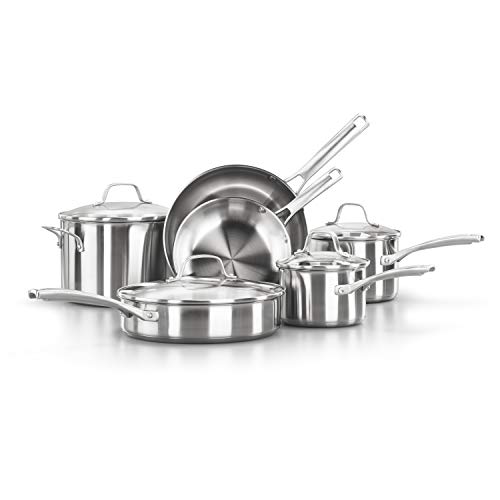
Is Ceramic Cookware Good?
Yes, for many home cooks. Ceramic cookware is a good fit if you want easy food release and fast cleanup. In my kitchen, it feels especially useful on busy mornings. Eggs, pancakes, and other delicate foods need less effort when the cooking surface releases food well. I also like that ceramic pans can feel lighter and less demanding than heavy traditional cookware.
My main caution is simple: ceramic coatings need gentle care. I avoid metal tools, harsh scrubbers, and very high heat. Over time, the cooking surface can lose some of its easy-release performance. That is the key trade-off in ceramic vs stainless steel cookware. Ceramic can be very pleasant at first, but stainless steel usually has the edge for long-term toughness.
What Makes It Stand Out / Key Features
- Easy Food ReleaseA good ceramic nonstick surface can make eggs, fish, pancakes, and other delicate foods easier to turn.
- Simple CleanupFood often lifts from the surface with little scrubbing, which saves time after dinner.
- Low Oil CookingGood food release can reduce the need for large amounts of cooking oil.
- Gentle CookingCeramic cookware works well for low and medium heat cooking when you want steady, controlled results.
- Modern FeelMany ceramic sets have clean shapes and bright finishes that look good in a modern kitchen.
- Care NeedsThe coating needs reasonable care to help preserve its release performance over time.
My Recommendation
Consider ceramic if easy food release and cleanup matter most. It works well for eggs, pancakes, fish, and quick family meals. It is less appealing if you want one pan that can take years of hard use.
| Best For | Why |
|---|---|
| Breakfast cooks | Easy food release helps with eggs and pancakes. |
| Busy families | Quick cleanup makes weeknight cooking easier. |
| Low-oil cooking | A good nonstick surface can reduce the need for added oil. |
Is Stainless Steel Cookware Good?
Yes, especially if you want cookware that can handle years of regular use. Stainless steel is my go-to when I want strong heat, browning, or a pan that can move from stovetop cooking to many oven tasks, depending on the specific product. It feels like the dependable pickup truck of cookware. It may need more skill, but it keeps working.
I have found that stainless steel needs a small learning curve. If I add food to a pan that is too cool, sticking can be frustrating. If I heat the pan properly and use enough fat, results improve. That learning curve is the main point to remember in ceramic vs stainless steel cookware. Once the technique clicks, stainless steel becomes very versatile.
What Makes It Stand Out / Key Features
- Strong ConstructionQuality stainless steel cookware can handle frequent cooking and many years of use.
- High Heat PerformanceStainless steel is well suited to searing and browning when used correctly.
- No Nonstick CoatingThe cooking surface does not depend on a nonstick coating that can wear away.
- Versatile CookingIt works well for searing, sautéing, sauces, soups, pasta, and many other dishes.
- Good Heat ControlMany quality pans use layered construction to spread heat more evenly.
- Long Service LifeWell-made stainless steel cookware can remain useful for many years with proper care.
My Recommendation
Consider stainless steel if you cook often and want durable cookware for searing, sautéing, sauces, and high-heat tasks. It is a strong long-term choice if you are willing to learn basic pan technique.
| Best For | Why |
|---|---|
| Frequent home cooks | It can handle repeated use for years. |
| Searing fans | It supports strong browning and high-heat cooking. |
| Long-term cookware buyers | There is no nonstick coating to replace as it wears. |
ceramic vs stainless steel cookware: Side-by-Side Test
The ceramic vs stainless steel cookware choice comes down to how you cook. Ceramic focuses on easy release and simple care. Stainless steel focuses on heat, strength, and versatility.
Neither material wins every task. Think of ceramic as a comfortable daily sneaker and stainless steel as a sturdy work boot. Your cooking routine decides which one feels right.
Cooking Functions: Which Does More?
Both can handle daily meals, but their strengths differ when the heat goes up.
| Feature | Ceramic | Stainless Steel |
|---|---|---|
| Eggs and pancakes | Very easy | Needs technique |
| Searing meat | Good at moderate heat | Excellent |
| Sauces | Very good | Excellent |
| High heat | Use care | Very capable |
⭐ Ceramic – 8/10 | Stainless Steel – 9/10
Stainless steel has the edge for cooking range, while ceramic shines with delicate foods.
Food Release: Which Sticks Less?
This is where the ceramic vs stainless steel cookware difference is easy to feel.
| Feature | Ceramic | Stainless Steel |
|---|---|---|
| Eggs | Easy with a good surface | Can stick |
| Fish | Generally easy | Needs good technique |
| Pancakes | Easy | Possible with proper heat and fat |
| Browning | Good | Excellent |
⭐ Ceramic – 9/10 | Stainless Steel – 7/10
Ceramic has the edge when easy food release matters most.
Durability: Which Lasts Longer?
A pan should fit your budget today and your kitchen years from now.
| Feature | Ceramic | Stainless Steel |
|---|---|---|
| Coating wear | Possible over time | No nonstick coating |
| Scratch resistance | Needs care | Generally strong |
| Frequent use | Good with care | Excellent |
| Long-term value | Depends on coating life | Often strong |
⭐ Ceramic – 7/10 | Stainless Steel – 10/10
Stainless steel has the edge for long-term durability.
Cleanup: Which Is Easier?
After dinner, most of us want the sink to look less like a crime scene.
| Feature | Ceramic | Stainless Steel |
|---|---|---|
| Light cleanup | Very easy | Easy |
| Stuck food | Usually easier | May need soaking |
| Heavy browning | Usually manageable | Can need extra scrubbing |
| Daily convenience | Excellent | Very good |
⭐ Ceramic – 9/10 | Stainless Steel – 7/10
Ceramic has the edge for fast everyday cleanup.
Heat Control: Which Handles More?
Heat changes how food browns, sears, and cooks. The right pan should match your cooking style.
| Feature | Ceramic | Stainless Steel |
|---|---|---|
| Low heat | Excellent | Excellent |
| Medium heat | Excellent | Excellent |
| High heat | Use care | Excellent |
| Searing | Good | Excellent |
⭐ Ceramic – 7/10 | Stainless Steel – 10/10
Stainless steel has the edge for high-heat cooking.
Care: Which Needs Less Attention?
Cookware can last longer when the care routine matches the material.
| Feature | Ceramic | Stainless Steel |
|---|---|---|
| Metal utensils | Best avoided | Generally fine |
| Harsh scrubbing | Avoid | More tolerant |
| Heat shock | Use care | Use care |
| Learning curve | Low | Moderate |
⭐ Ceramic – 8/10 | Stainless Steel – 9/10
Stainless steel has a small edge for toughness, while ceramic is easier to use at first.
Value: Which Makes Sense Long Term?
Price matters, but replacement cost matters too.
| Feature | Ceramic | Stainless Steel |
|---|---|---|
| Upfront value | Often attractive | Varies by construction |
| Replacement risk | Higher if coating wears | Usually lower |
| Long service life | Depends on care | Often excellent |
| Daily convenience | Excellent | Very good |
⭐ Ceramic – 8/10 | Stainless Steel – 9/10
Stainless steel has the edge for long-term value, while ceramic can offer great short-term convenience.
Final Verdict: Which Should You Buy?
In the ceramic vs stainless steel cookware debate, the right answer depends on your kitchen. Choose ceramic if you care most about easy food release, simple cleanup, and low to medium heat cooking. Choose stainless steel if you want high-heat performance, strong browning, and cookware built for long use.
For my kitchen, stainless steel gets the overall edge because it covers more cooking jobs and can serve for many years. But I still see a place for ceramic. For quick eggs, pancakes, and delicate foods, ceramic can feel like a shortcut through a busy morning. The best setup may be a mix of both.