
Deciding on kitchen cabinets can feel like a deep dive into a sea of options, and one material you'll likely encounter is Medium-Density Fiberboard, or MDF. You might be wondering, what exactly is MDF kitchen cabinets, and is it the right choice for your home reno? Our research indicates that MDF has carved out a significant niche in the cabinetry market, largely due to its affordability and smooth finish, making it a popular choice for painted applications.
At its core, MDF is an engineered wood product made from wood fibers, wax, and resin binders. These components are pressed together under high temperature and pressure to create a dense, stable board. For cabinetry specifically, MDF is often manufactured to meet stringent standards, such as CARB 2 compliance, ensuring low formaldehyde emissions, with many products also qualifying as ULEF (Ultra Low Emission Formaldehyde). This makes it a viable option for those seeking a budget-friendly and paintable cabinet solution.
What Exactly Are MDF Kitchen Cabinets?
MDF kitchen cabinets are constructed using Medium-Density Fiberboard as a primary material, typically for the cabinet doors, drawer fronts, and sometimes the cabinet boxes themselves. It’s essentially a composite wood product formed from fine wood fibers that are mixed with wax and resin binders. These ingredients are then subjected to high heat and pressure, which fuses them into strong, uniform panels. Because it's manufactured, MDF offers a consistent density and thickness across the entire board, unlike natural wood which can have knots or grain variations.
This uniformity is a key reason why cabinet makers often turn to MDF for painted applications.
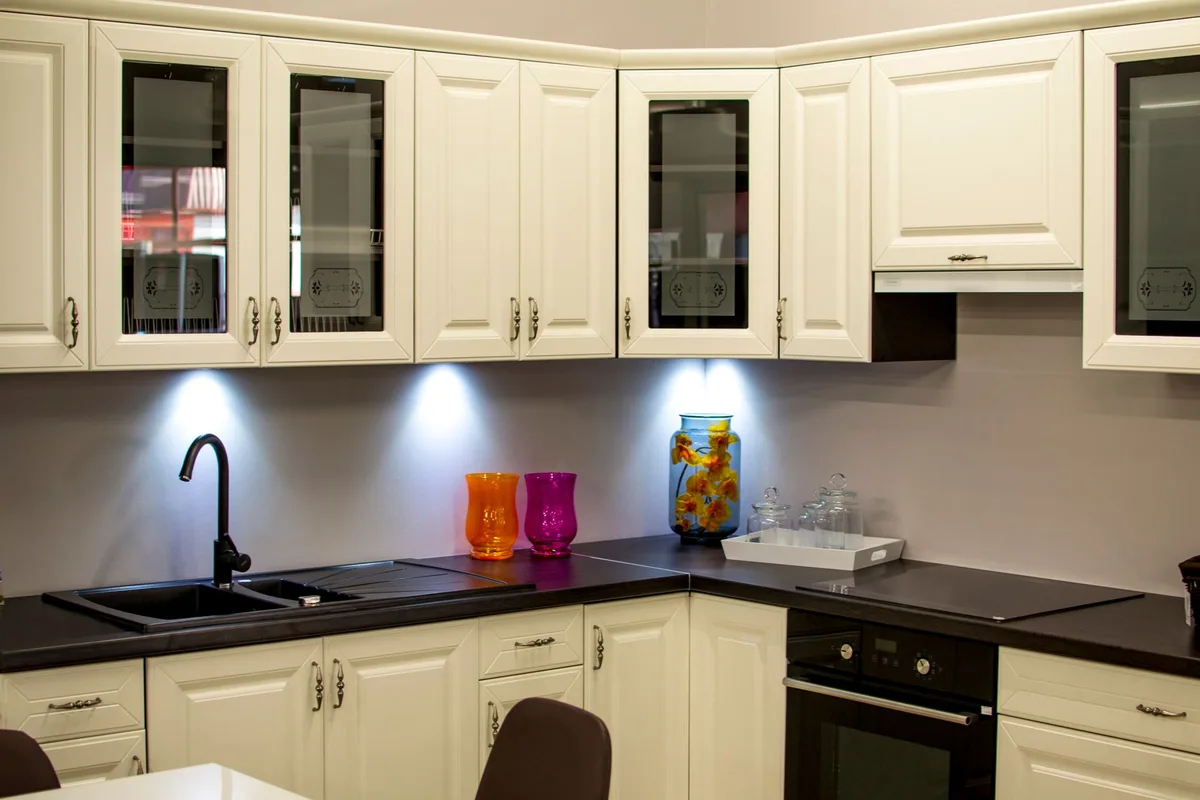
When considering MDF, it's helpful to understand that it's not solid wood, nor is it particle board, though it shares some manufacturing similarities. Its defining characteristic is that smooth, splinter-free surface. This makes it incredibly easy to paint or apply other finishes without the fuss of dealing with wood grain that could telegraph through the paint. Manufacturer specifications often detail precise density ratings, which can range, but typically fall within the 40-50 pounds per cubic foot range for standard cabinet-grade MDF.
MDF Cabinets: The Good, The Not-So-Good, and The In-Between
Choosing cabinetry involves balancing different priorities, and MDF cabinets offer a distinct set of advantages and disadvantages that make them a popular, yet sometimes controversial, choice. Our research shows that the decision often boils down to budget, desired finish, and the expected environment within the kitchen. You'll find that cabinets made with MDF can be a slam dunk for certain projects, while others might find them less suitable than alternative materials.
Smooth Surfaces, Stable Cores: Key MDF Attributes
The primary allure of MDF for kitchen cabinetry lies in its engineered nature. It's created by breaking down hardwood or softwood into fine wood fibers, then combining them with wax and resin binders. This mixture is then pressed into dense, flat panels. The result is a material that’s incredibly uniform; there are no knots, no grain patterns, and no internal voids to worry about.
This consistent density and smoothness make it exceptionally well-suited for a flawless paint finish.
Aggregate reviews often highlight its machinability. It can be routed, shaped, and cut with precision, allowing for intricate door designs and clean edges. Furthermore, in environments with stable humidity and temperature, MDF is noted for its resistance to warping or swelling, a characteristic that solid wood can sometimes struggle with. It’s a manufactured product designed for predictability, which is often a sought-after trait in construction and renovation.
Why Opt for MDF Kitchen Cabinets? The Upside
Our analysis of market trends and buyer feedback points to several key benefits that drive the popularity of MDF kitchen cabinets. First and foremost is cost. MDF is generally more affordable than solid wood or even high-quality plywood, making it a go-to for homeowners working within a tighter budget. This cost-effectiveness is a significant factor in many kitchen remodels, allowing for more investment in other areas or simply keeping the overall project price down.
Beyond the price tag, the surface finish is a major draw. MDF provides an exceptionally smooth, unbroken surface that’s ideal for painting. You can achieve a lacquered, furniture-like finish that’s difficult and more expensive to replicate on natural wood. It also doesn't have the grain texture of wood, meaning you won't see wood grain lines telegraphing through the paint.
This makes MDF a workhorse for achieving a clean, modern look or a high-gloss finish. Its stability is also a plus, as it resists warping compared to solid wood in consistent conditions.
Where MDF Might Fall Short: Potential Problems
While MDF offers distinct advantages, it’s not without its drawbacks, particularly concerning moisture. Our research shows that MDF is highly susceptible to water damage. If exposed to significant moisture, it can swell, warp, and even delaminate, compromising its structural integrity. This is a critical consideration for a kitchen environment, where spills and high humidity can occur.
Proper sealing and careful maintenance are absolutely vital to mitigate this risk.
Another point of caution relates to fasteners. Because MDF is densely packed with fibers, screws can strip out more easily if not installed carefully or if the MDF is of lower quality. This means that attaching hardware or components might require slightly different techniques, or even pre-drilling with careful force. The weight can also be a factor; MDF can be quite heavy, which might influence installation handling.
Lastly, while modern MDF has improved significantly, older or cheaper versions might have contributed to concerns about VOC emissions, though current manufacturing standards like CARB 2 address this directly.
MDF vs. The Usual Suspects: Plywood, Solid Wood, and Particle Board
When you're shopping for kitchen cabinets, you’ll run into a few primary material types, and knowing how MDF stacks up against them is crucial for making the right choice. Each material brings its own set of pros and cons to the table, influencing not just cost but also durability, aesthetics, and how well they hold up over time. Our comparative analysis helps clarify these distinctions.
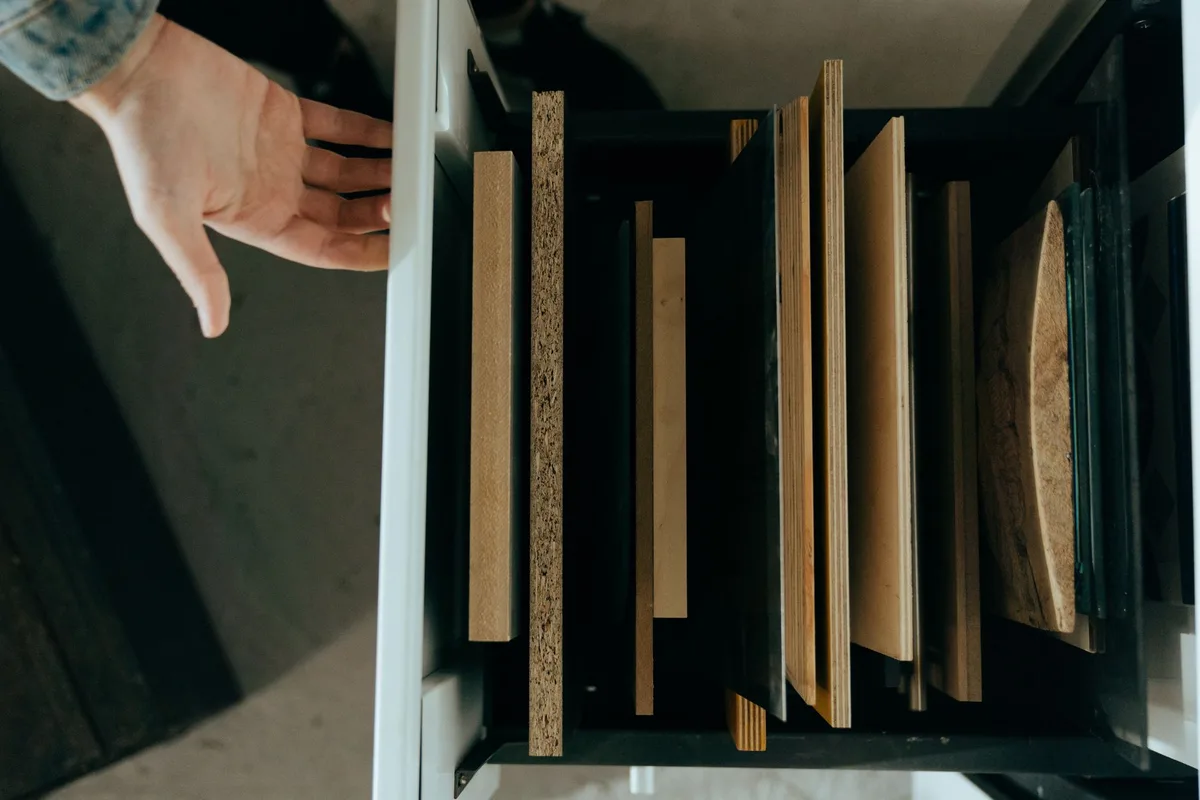
MDF vs. Plywood: A Practical Showdown
A common comparison is MDF versus plywood. Plywood is made from thin sheets of wood veneer, glued together with alternating grain directions. This cross-graining makes plywood very strong, stable, and resistant to warping and shrinking. It holds screws exceptionally well and can handle moisture better than MDF.
However, plywood has a visible grain texture and is typically more expensive than MDF, especially for the higher grades used in cabinetry. If you’re looking for a natural wood look and superior structural integrity, especially in a high-moisture area, plywood is often the preferred choice. For a smooth, paintable finish at a lower cost, MDF frequently wins out.
How MDF Stacks Up Against Solid Wood
Solid wood offers the classic, premium look and feel of natural timber. It's strong, durable, can be repaired, and has a natural beauty that engineered materials can't quite replicate. Each piece of solid wood is unique, with its own grain patterns and character. However, solid wood is also the most expensive cabinetry material.
It can also be prone to warping, expanding, and contracting with changes in humidity and temperature, which can lead to cracking or gapping over time. MDF, while lacking the natural character of solid wood, offers a stable, consistent surface that’s much easier to paint and typically comes at a fraction of the cost.
Particle Board vs. MDF: What's the Real Difference?
Particle board is made from, you guessed it, larger wood particles and chips, rather than the fine fibers used in MDF. These particles are mixed with resin and pressed into panels. Generally speaking, particle board is less dense, less expensive, and less strong than MDF. It is also even more susceptible to moisture damage and can break down more readily.
While both are engineered materials, MDF stands out for its smoother surface and greater density, making it a better choice for painted finishes and applications where durability under consistent conditions is important. Particle board is often found in lower-cost furniture or as a core material in some laminate cabinetry.
Who Are MDF Kitchen Cabinets Best For?
Given MDF's characteristics, it's not a universal fit for every kitchen or every homeowner's needs. Our analysis indicates that success with MDF cabinetry heavily relies on matching its properties to the specific use case and environment. Understanding where MDF shines and where it might falter is key to a successful renovation.
When MDF Makes Perfect Sense for Your Kitchen
MDF kitchen cabinets are an excellent choice for homeowners prioritizing a smooth, paintable finish on a budget. They are particularly well-suited for kitchens where moisture is well-controlled and humidity levels are generally stable. If you envision a sleek, contemporary kitchen with a uniform color, or a traditional look with a flawlessly painted finish, MDF doors and drawer fronts can deliver that aesthetic at a cost that’s hard to beat. It’s also a solid option for DIYers looking for a material that’s easy to cut, shape, and finish precisely.
Many cabinet makers use MDF for doors and drawer fronts and pair them with plywood boxes for added structural integrity in less visible areas.
When to Look Elsewhere for Your Cabinetry
If your kitchen is prone to high humidity, frequent spills, or operates in a particularly damp climate, MDF might not be your best bet. The material’s significant vulnerability to moisture means that these conditions can lead to swelling, warping, and potential delamination, ultimately shortening the lifespan of your cabinets. Additionally, if you’re aiming for a natural wood grain aesthetic or want the inherent strength and moisture resistance of natural timber, solid wood or high-quality plywood would be a more appropriate selection, despite the higher cost. For kitchens where cabinets are subject to heavy impact or constant, rigorous use without meticulous care, investing in more robust materials might also be wiser.
Getting the Most Out of MDF Cabinets: Tips and Tricks
Once you've decided MDF cabinets are the right fit for your kitchen, the next step is understanding how to work with them and care for them effectively. Our research indicates that proper handling and maintenance can significantly extend their lifespan and maintain their appearance. This isn't just about installation; it's about ongoing care that respects the material's properties, especially its sensitivity to moisture.
Painting MDF Cabinets: A Seamless Finish
You’ve heard it before: MDF is fantastic for painting. But achieving that flawless, factory-like finish requires a bit of know-how. The key is proper preparation. Before you even think about rolling on color, ensure the surfaces are clean, dry, and free of dust or debris.
Manufacturer guides often recommend a light sanding with fine-grit sandpaper (around 220-grit) to create a smooth, receptive surface for primer.
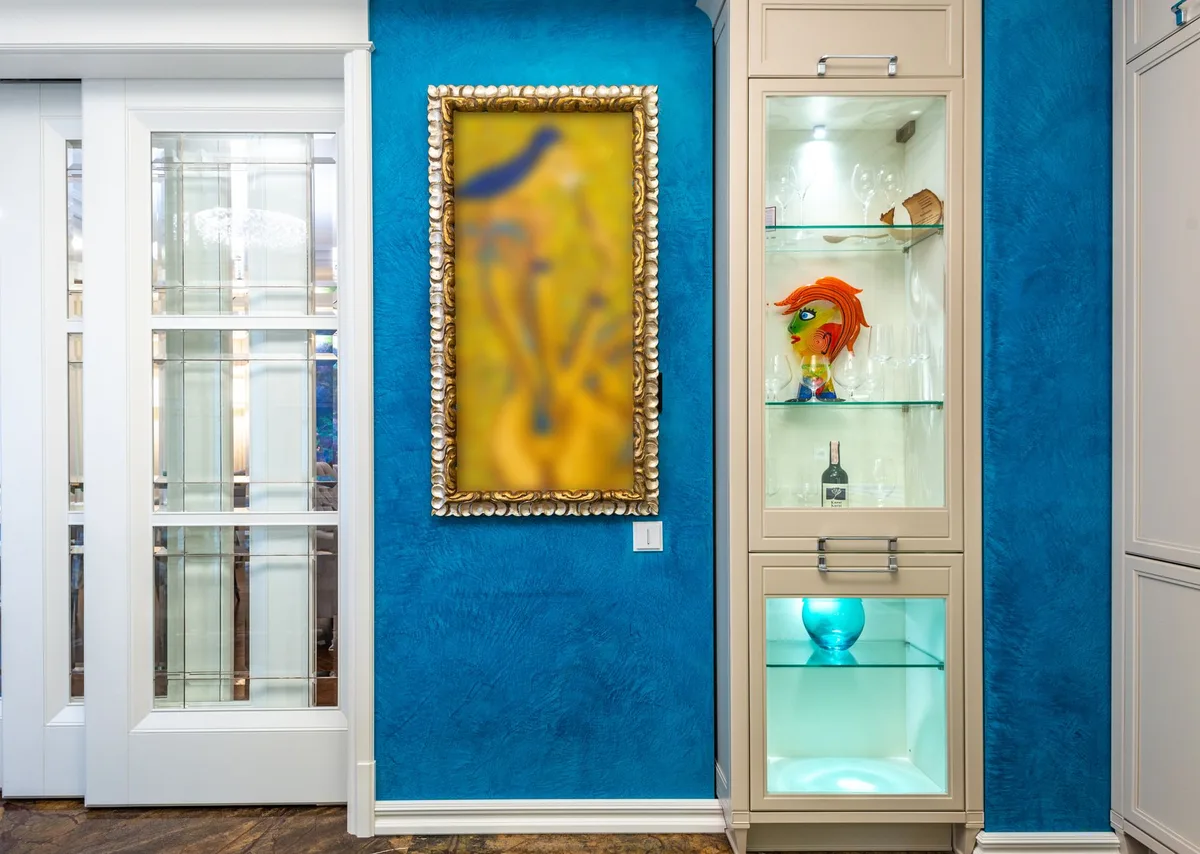
We strongly advise using a high-quality primer specifically designed for engineered wood or laminate surfaces. This primer acts as a barrier, preventing the MDF from absorbing too much paint and helping to seal the surface further. Allow adequate drying time between coats as recommended by the product. For the paint itself, a durable latex or acrylic enamel in a satin or semi-gloss finish usually holds up best in a kitchen environment, offering both beauty and washability.
Sealing and Protecting Your MDF Investment
Now, let's talk about protection, especially that crucial moisture resistance. Since MDF planks can swell if they get wet, diligent sealing is paramount. This means not only painting the visible surfaces but also thoroughly coating and sealing all edges, backs, and undersides of the cabinets. Manufacturer specifications often suggest using a moisture-resistant primer or a clear sealant for these less visible but critical areas.
For cabinet doors and drawer fronts, paying extra attention to the routed edges and any decorative profiles is essential. These areas are often the first to absorb moisture if not properly protected. Think of it like waterproofing, you want to create a complete barrier. Even after installation, it's good practice to wipe up any spills immediately and ensure good ventilation in the kitchen to minimize prolonged exposure to high humidity.
Handling MDF with Care: Avoiding Common Mishaps
Working with MDF requires a gentle but firm approach. Because it's a dense material, it can chip or dent if handled roughly. When moving panels or assembled cabinets, avoid dropping them or slamming them against hard surfaces, especially the corners and edges. If you’re installing hardware, it’s wise to pre-drill pilot holes.
Our research suggests that using a slightly smaller drill bit than the screw diameter can help prevent the fibers from stripping, especially in thinner MDF panels. For drawer slides or hinges, using the appropriately sized screws and not overtightening them is crucial. You don’t want to force them in, as this can compromise the material’s ability to hold the screw securely over time. Taking these small precautions can make a big difference in the long-term performance of your MDF cabinets.
Understanding the Cost of MDF Cabinets
When you're weighing cabinet options, the price tag is usually a major factor, and MDF cabinets typically sit in a favorable position on the cost spectrum. Generally, MDF cabinetry is more budget-friendly than solid wood or even high-grade plywood. This lower cost is a primary driver for many homeowners undertaking kitchen renovations, allowing them to allocate funds elsewhere in the project or simply achieve their desired look without breaking the bank.
The exact cost can, of course, vary depending on the quality of the MDF, the complexity of the cabinet design (e.g., shaker vs. raised panel doors), and whether you're buying pre-assembled units or ready-to-assemble kits. However, as a baseline, you can expect MDF cabinets to be a significantly more economical choice than solid wood alternatives in most scenarios. For instance, while solid oak cabinet doors might run upwards of $100 to $300+ per linear foot depending on the style and manufacturer, comparable MDF doors with a painted finish often fall into the $50 to $150 per linear foot range as of 2026.
Navigating MDF Standards: Looking for Quality Labels
Not all MDF is created equal, and when you're looking at cabinets, it's smart to pay attention to the standards they meet. The most critical environmental and safety standard to look for on MDF products, including cabinetry, is CARB 2 compliance. This certification, established by the California Air Resources Board, mandates strict limits on formaldehyde emissions from composite wood products.
Specifically, CARB 2 compliant MDF must have formaldehyde emissions below 0.18 parts per million (ppm) for structural panels like those used in cabinet boxes, and below 0.05 ppm for non-structural panels often used for doors and drawer fronts. You might also see labels like ULEF, which stands for Ultra Low Emission Formaldehyde, indicating even lower emission levels. Opting for MDF that meets these standards ensures you're bringing a safer product into your home, minimizing potential indoor air quality concerns. Always check product specifications or ask the manufacturer about these certifications.