Xylan coating is a family of nonstick coatings used on cookware to help food release easily and make pans easier to clean.
When you cook eggs for breakfast, sear a grilled cheese sandwich, or make pancakes on a busy American morning, a nonstick pan can save time. Xylan coating is one type of surface treatment that helps make this possible. It is a branded family of coatings, not one single formula, and the exact ingredients can vary by product and use.
The key question is what the coating contains and how the pan should be used. Some Xylan cookware coatings use fluoropolymer technology, such as polytetrafluoroethylene (PTFE), while other coating formulations may differ. The product label and manufacturer instructions are the best sources for the exact coating type, recommended heat limits, and care requirements.
A Xylan-coated pan can be useful for everyday cooking, but it is not indestructible. Excessive heat, metal utensils, rough cleaning, and normal wear can shorten its useful life. Understanding these limits helps you choose the right cookware and avoid common mistakes.
Xylan coating is a branded range of thin protective coatings developed for different uses. In cookware, selected formulations help food release from the cooking surface with less sticking. They can also make routine washing easier because food residue is less likely to cling firmly to the pan.
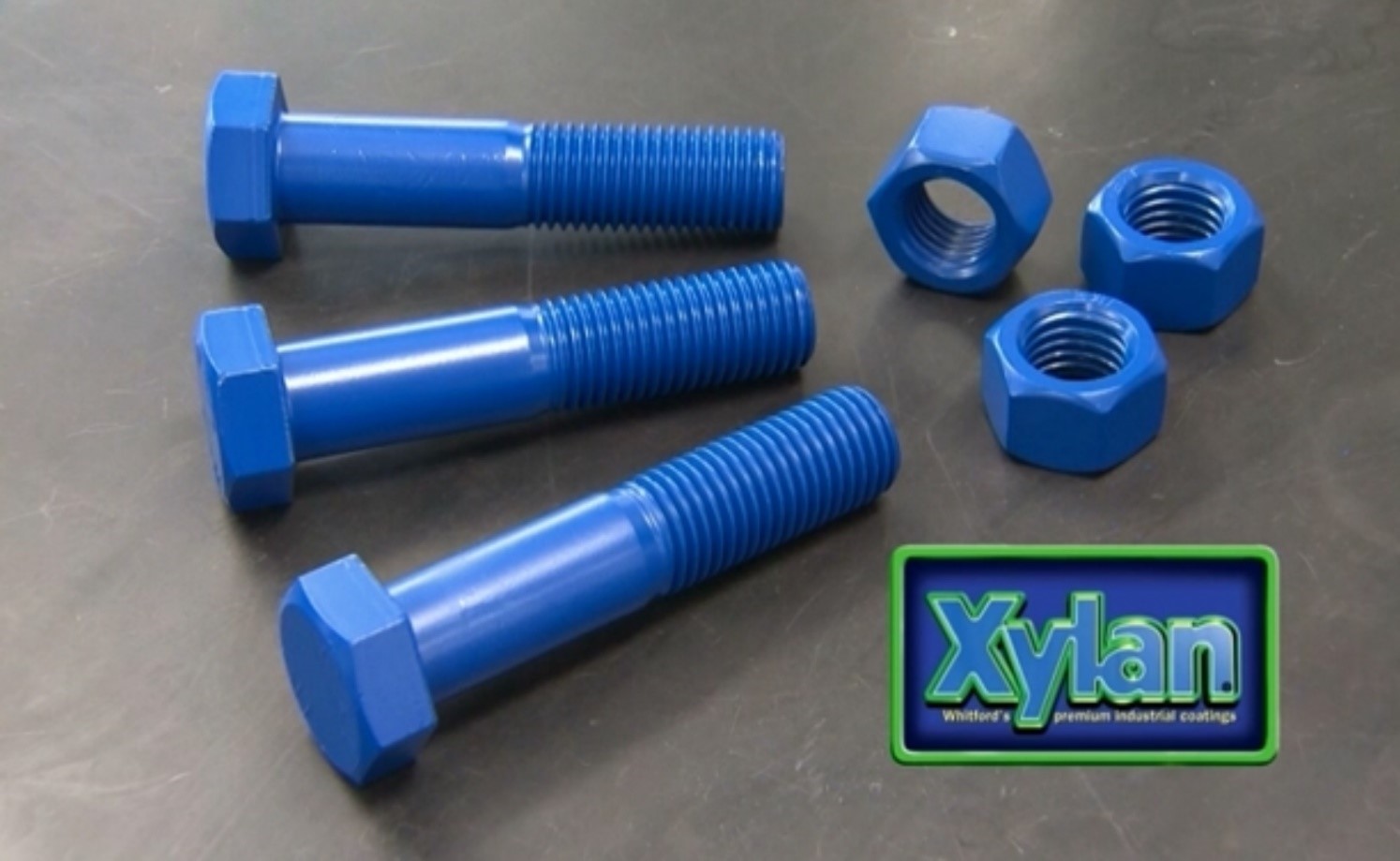
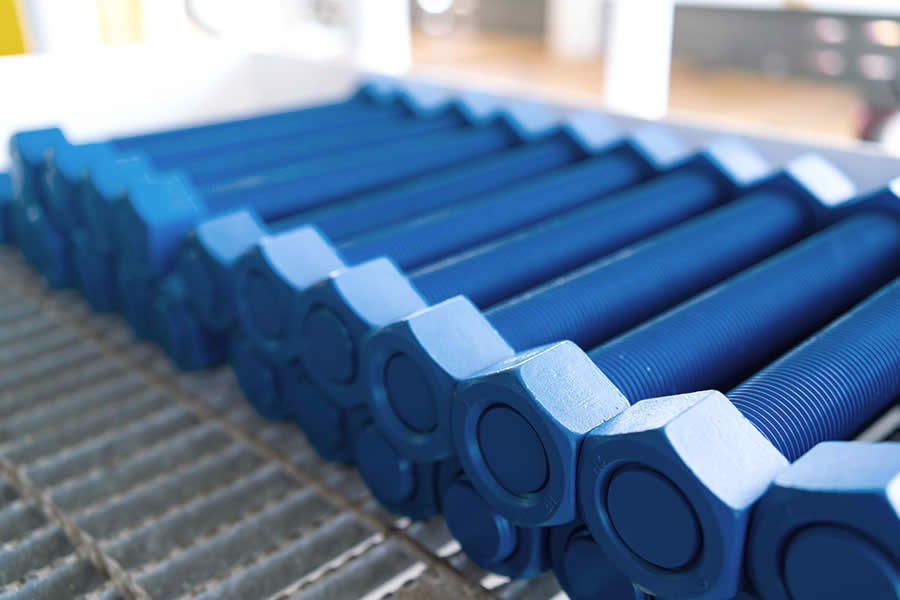
The word Xylan does not identify one universal chemical recipe. Coating systems can differ in their binders, lubricating ingredients, pigments, additives, and intended operating conditions. A coating used on a frying pan may not have the same composition as another Xylan product made for industrial parts.
This distinction matters when you are shopping for a skillet. The coating brand can help identify the product family, but the cookware maker’s specifications tell you more about the particular pan, its heat limits, and its care needs.
In simple terms, Xylan is the coating system, while the pan underneath provides much of its shape, strength, and heat transfer. The two work together to determine how the cookware performs.
Source: alicdn.com
Coating
The surface layer helps food release and may provide other properties, depending on the formulation.
Metal body
Aluminum or another suitable metal provides the pan’s structure and helps transfer heat.
Finished cookware
The complete pan combines its base material, coating system, handle, and design.
Is Xylan a Material or a Brand?
Xylan is a brand name used for a family of coatings, rather than the name of a single metal or a universal nonstick chemical. The formulations are designed for different performance needs, so it is not accurate to assume that every product carrying the Xylan name has identical ingredients.
For cookware, look for product-specific details such as the coating type, whether the manufacturer identifies PTFE, the recommended cooking temperature, and any restrictions on utensils or cleaning methods. If these details are not available, contact the cookware manufacturer rather than guessing from the brand name.
Useful distinction
Xylan identifies a coating family. It does not, by itself, provide a complete ingredient list or prove that every formulation has the same properties.
What Does Xylan Coating Do?
The main purpose of a nonstick cookware coating is to lower the tendency of food to adhere to the cooking surface. This can help when cooking delicate foods such as eggs, fish, and pancakes, which may break apart when they stick.
A suitable coating can also reduce the effort needed to remove grease and cooked food. However, nonstick performance depends on the coating formulation, surface condition, cooking temperature, food type, and care routine. Even a new pan can experience sticking when food is cooked at an unsuitable temperature or the surface is damaged.
Food release
Helps delicate foods slide away from the pan when used correctly.
Simpler cleanup
Can reduce the need for heavy scrubbing after ordinary cooking.
What Is Xylan Cookware Coating Made Of?
The ingredients in Xylan cookware coatings depend on the specific formulation. Some nonstick systems use fluoropolymers, including PTFE, to create a low-friction surface. Other coating systems may use different combinations of resins, pigments, and functional additives.
PTFE is a synthetic fluoropolymer known for its low-friction properties and ability to resist many chemical reactions. It is widely used in nonstick cookware. However, it would be inaccurate to claim that every Xylan coating contains PTFE without checking the exact product specification.
A finished coating may contain more than one layer. A primer can help the coating adhere to the metal, while additional layers may provide the working nonstick surface and support durability. The actual design varies by product, so a specific pan’s technical information is more useful than a general description of the brand.
The pan’s base material is separate from the coating. Aluminum is common because it transfers heat well and is relatively light. Stainless steel and other metals may also be used in cookware designs, sometimes with layered construction to improve heat distribution.
Source: 5.imimg.com
PTFE
A fluoropolymer used in many nonstick surfaces. Confirm its presence in the specific cookware product rather than assuming it from the Xylan name.
Binders and additives
These can help form a continuous coating, support adhesion, or provide other surface properties.
Metal substrate
The pan body supports the coating and affects heat response, weight, and cooking performance.
Does Every Xylan Coating Contain PTFE?
No conclusion about every Xylan formulation can be made from the brand name alone. Product lines can include different coating technologies, and formulations can change over time. A label that says Xylan does not automatically confirm that a pan is PTFE-free or that it contains PTFE.
If you need to avoid PTFE, check the exact model’s packaging, technical data, and manufacturer statements. Look for an explicit description of the cooking-surface chemistry. If the manufacturer does not clearly identify the ingredients, ask for clarification before buying.
Buying tip
Choose cookware with a clear, product-specific coating disclosure if the presence or absence of PTFE is important to you.
Is Xylan the Same as a Ceramic Coating?
No. Ceramic-style nonstick cookware and fluoropolymer-based nonstick cookware use different coating technologies. Ceramic-style coatings are often marketed as sol-gel coatings, which form a hard surface from a liquid mixture during manufacture. Their exact composition also varies by brand and product.
Neither category should be judged by its name alone. Check the ingredients, cooking limits, care instructions, and warranty. A ceramic label does not guarantee that a pan will remain nonstick for a particular number of years, just as a Xylan label does not guarantee a specific lifespan.
Xylan
A family of coatings whose exact formulation must be confirmed for the product.
Ceramic-style nonstick
A different coating technology, often based on sol-gel chemistry.
How Does Xylan Coating Work on a Pan?
A nonstick coating creates a surface that resists the attachment of many foods. When the pan is in good condition and used at a suitable temperature, eggs, vegetables, and other foods can move more easily across the surface than they would on many uncoated metals.
The coating does not remove the need for good cooking technique. Food can still stick when the pan is too hot, when a recipe requires more fat, or when sugary or starchy residue builds up. Damaged coatings can also lose some of their release properties.
Heat transfer comes mainly from the pan’s metal body, not from the nonstick layer. A thin coating has a different role: it forms the surface that touches the food. This is why two pans with similar nonstick coatings can cook differently if their base materials, thickness, or construction differ.
Source: i.ytimg.com
Lower adhesion
The surface helps reduce how strongly many foods attach to the pan.
Heat comes from the pan body
The metal construction affects how quickly the pan warms and how evenly it spreads heat.
Care affects performance
Excess heat, abrasion, and surface wear can reduce the usefulness of the coating.
Why Do Eggs Sometimes Stick to a Nonstick Pan?
Eggs may stick when the cooking surface is damaged, food residue remains on the pan, or the cooking temperature is poorly controlled. Protein-rich foods can bond to a surface under certain cooking conditions, even when the pan is sold as nonstick.
Start with a clean pan and use low to medium heat unless the recipe and manufacturer instructions call for something else. Add a small amount of suitable cooking fat if needed. If eggs keep sticking despite proper care, inspect the surface for wear and consider replacing the pan if the coating is damaged.
First check
Clean the pan gently and inspect the surface before changing your cooking method.
Then adjust
Use moderate heat and a small amount of oil or butter when appropriate.
Benefits of Xylan-Coated Cookware
The main benefits of Xylan-coated cookware depend on the specific formulation and pan design. A suitable nonstick surface can make everyday cooking easier, especially when a recipe includes delicate food or when quick cleanup matters.
For a household that makes eggs, grilled cheese, pancakes, or other foods that tend to stick, the coating may reduce the need for oil and the time spent washing the pan. That does not mean you must cook without oil. A small amount can still improve flavor, browning, and food release.
Nonstick cookware can also be helpful for people who prefer to avoid aggressive scrubbing. The surface often cleans with warm water, dish soap, and a soft sponge when food has not been burned onto it. This benefit depends on keeping the coating in good condition.
Source: inzoneuae.com
Convenient food release
Useful for eggs, pancakes, fish, and other foods that can break when they stick.
Easy daily cleaning
Ordinary food residue may come off with less effort than on some uncoated surfaces.
Flexible cooking
Can work well for breakfast, quick lunches, and other routine meals.
Potentially less added fat
Some foods can cook with less oil, though the amount depends on the recipe and personal preference.
Is Xylan Coating Durable?
Durability varies with the coating formula, how it is applied, the cookware design, and the way the pan is used. A well-maintained surface may remain useful through many cooking sessions, but the brand name alone cannot predict its lifespan.
Repeated overheating, metal tools, abrasive pads, and stacking pans without protection can increase wear. The cooking surface may gradually lose its ability to release food, even when the pan’s metal body remains sound.
A warranty or product specification can offer useful information, but it is not a guarantee that every user will get the same service life. Cooking habits and maintenance play a major role.
To extend service life
Use suitable utensils, avoid overheating, clean gently, and store the pan where other cookware will not scrape its surface.
Is Xylan Coating Safe for Cooking?
The safety of a Xylan-coated pan depends on its exact formulation, the condition of the coating, and whether you follow the manufacturer’s directions. A coating name by itself is not enough to establish the safety of every product in the family.
For PTFE-based nonstick cookware, excessive heat is a key concern. When an empty pan is heated for too long, its temperature can rise rapidly. At high temperatures, PTFE coatings can break down and release fumes that may cause flu-like symptoms in people and can be highly dangerous to pet birds.
For ordinary cooking, use low to medium heat unless the cookware maker specifies otherwise. Do not leave an empty nonstick pan unattended on a hot burner, and turn on your kitchen exhaust fan or open a window when practical. Follow the temperature limit in the manual rather than relying on a universal number for all Xylan products.
If the coating is chipped, peeling, or badly worn, stop using the pan until you have checked the manufacturer’s guidance. A damaged surface may no longer perform as intended. Replacing a pan with significant coating damage is a sensible precaution, especially when the surface is shedding visible material.
A claim such as PFOA-free does not mean the product is free of all fluorinated materials. PFOA is a specific chemical, while PTFE is a different substance. If avoiding a particular chemical family matters to you, look for explicit information about the actual coating rather than relying on a broad marketing phrase.
Source: imgv2-2-f.scribdassets.com
Avoid overheating
Keep nonstick cookware within the manufacturer’s stated temperature range and never leave an empty pan heating unattended.
Use ventilation
Ventilate the kitchen during cooking, especially when using a gas range or another heat source that can raise room temperature.
Check the surface
Inspect for peeling, flaking, deep scratches, or other signs of coating failure.
Read precise claims
Distinguish PTFE-free claims from PFOA-free claims and check the exact product documentation.
Can You Use Xylan-Coated Cookware on High Heat?
Do not assume that every Xylan-coated pan can tolerate high heat. The maximum safe operating temperature depends on the specific coating and the complete cookware design, including its handle and any additional components.
For most everyday nonstick tasks, low to medium heat is a practical starting point. Use stainless steel or another suitable pan designed for high-heat searing when a recipe calls for intense heat, unless the nonstick cookware manufacturer clearly approves the required temperature.
An oven-safe rating also needs careful attention. A pan may have a temperature limit for the cooking surface, while its handle or lid has a lower limit. Check the rating for the complete item before putting it in an oven.
Practical rule
Follow the exact model’s stovetop and oven limits. Do not treat a temperature rating from another coated pan as proof that yours has the same limit.
What If a Nonstick Pan Gets Too Hot?
If you suspect that a PTFE-based pan has overheated and you notice unusual fumes, turn off the heat if you can do so safely, avoid breathing the fumes, and ventilate the area. Keep people and pets away from the affected space while it clears.
If anyone develops breathing difficulty or serious symptoms, seek urgent medical advice or emergency assistance. Birds are particularly sensitive to fumes from overheated PTFE cookware, so move pet birds away from the kitchen and follow veterinary advice if exposure is suspected.
Do not resume cooking with a pan that has obvious coating damage until you have reviewed the manufacturer’s advice. If the pan has peeled or the coating has visibly broken down, replacement is often the most practical choice.
Immediate priority
Stop the heat when safe, get away from the fumes, ventilate, and seek medical or veterinary help when symptoms or exposure warrant it.
How to Clean and Maintain Xylan-Coated Cookware
Gentle cleaning and sensible heat control are the most useful ways to care for a Xylan-coated pan. The goal is to remove food and grease without scratching the surface or exposing the coating to avoidable stress.
Let the pan cool before washing it. Sudden temperature changes, such as putting a very hot pan under cold water, can stress some cookware materials and may contribute to warping. Once it is cool enough to handle safely, use warm water, mild dish soap, and a soft sponge.
Avoid steel wool, harsh scouring pads, and abrasive cleaners unless the manufacturer specifically approves them. Even if a pan looks sturdy, its nonstick surface can be more vulnerable to scratching than the metal beneath it.
Hand-washing is often the gentler choice. A dishwasher-safe label means the manufacturer permits that cleaning method under stated conditions; it does not mean that repeated dishwasher cycles will never affect the finish. When in doubt, follow the care instructions for the exact model.
Source: necelektromekanik.com
Cool first
Allow the pan to cool before washing to avoid sudden temperature changes and reduce burn risk.
Wash gently
Use mild dish soap, warm water, and a soft sponge or cloth.
Skip abrasives
Avoid steel wool, metal scouring pads, and strong abrasive powders.
Store with care
Use pan protectors or a soft layer between stacked cookware to prevent scratches.
How to Remove Stuck Food Without Damaging the Coating
If food sticks, soak the cooled pan in warm water with a little dish soap. Give the residue time to soften, then wipe it away with a soft sponge. Repeat the process instead of scraping hard at the surface.
Do not use a knife, fork, or metal scraper to lift stubborn residue. These tools can scratch the coating and create areas where food sticks more easily in the future.
If residue remains after gentle soaking, check the manufacturer’s cleaning guidance before trying a specialized cleaner. A damaged coating cannot be restored simply by scrubbing it more aggressively.
Best first step
Soften residue with warm, soapy water and remove it with a nonabrasive sponge.
Which Utensils Should You Use?
Silicone, wood, and suitable heat-resistant plastic utensils are usually gentler on nonstick surfaces than metal tools. Check that the utensil is rated for the cooking temperature and that the cookware maker permits its use.
Avoid cutting food directly in the pan. Knives can damage the surface, and sharp edges may leave marks that shorten the useful life of the coating. Move food to a cutting board before slicing or chopping.
Preferred options
Use smooth silicone or wooden tools, or another utensil type approved by the pan manufacturer.
Avoid
Do not cut food in the pan or scrape the surface with sharp metal tools.
Xylan Coating vs. Other Cookware Surfaces
The best cookware surface depends on what you cook, how much maintenance you want, and whether nonstick convenience or high-heat performance matters more. Xylan-coated cookware can be practical for daily meals, but it is only one option.
Bare stainless steel can handle a wide range of cooking tasks and does not rely on a nonstick coating, though food may stick if the pan is not used correctly. Cast iron can retain heat well and develop a seasoned cooking surface, but it is heavy and needs suitable care. Ceramic-style nonstick cookware offers another coated option, with performance that varies by product.
No surface wins every category. A cook who makes eggs every morning may value easy food release, while someone who frequently sears meat may prefer stainless steel or cast iron. Many kitchens benefit from having more than one type of pan.
Source: coatingsystems.com
Xylan-coated nonstick
Useful for easy food release and everyday meals, but requires attention to heat limits and surface care.
Stainless steel
A versatile uncoated option for browning and searing, although technique affects sticking and cleanup.
Cast iron
Offers strong heat retention and can develop a seasoned surface, but it is heavy and needs appropriate maintenance.
Ceramic-style nonstick
Provides a different type of coated surface, with care needs and service life that vary by product.
Which Surface Is Best for Eggs and Pancakes?
A sound nonstick pan is often the simplest option for eggs and pancakes because it can reduce sticking and help delicate food turn or slide out intact. A Xylan-coated pan may serve this purpose if its particular formulation is designed for cookware and the surface remains in good condition.
Stainless steel can also cook eggs and pancakes, but it usually demands more attention to preheating, temperature, and fat. Cast iron can work well when properly seasoned, though its weight and maintenance may not suit every household.
For a busy breakfast routine, choose a pan that matches your cooking habits rather than one with the most impressive marketing claims. A comfortable handle, even heat, suitable size, and clear care instructions all matter.
Everyday breakfast
A nonstick pan is a practical choice when easy release and fast cleanup are the main goals.
Which Surface Is Better for High-Heat Searing?
Stainless steel and cast iron are often more suitable for high-heat searing because they do not rely on a heat-sensitive nonstick surface. They can develop browning and fond, the flavorful browned bits that remain in a pan and can be used to make a sauce.
Do not select a Xylan-coated pan for intense heat unless the exact product instructions allow the temperature you need. A coating that works well for eggs may not be the right tool for a steak cooked over very high heat.
For frequent searing
Consider stainless steel or cast iron and reserve nonstick cookware for tasks that benefit from easy release.
How to Choose a Xylan-Coated Pan
Choose cookware based on the exact product details rather than the Xylan name alone. The coating chemistry, construction, temperature limits, care rules, and warranty all affect whether a pan suits your kitchen.
Start by checking the manufacturer’s product page or packaging. Look for the pan’s base material, coating description, compatible heat sources, maximum cooking temperature, oven rating, and cleaning instructions. If a feature matters to you, such as induction compatibility or a PTFE-free surface, seek an explicit statement rather than assuming it from the product’s appearance.
Next, consider size and weight. A small skillet may be easier to handle for one or two eggs, while a larger pan may be more useful for family meals. The handle should feel secure and comfortable, and the base should match your cooktop.
Finally, consider how you cook. A coated pan can be a useful everyday tool, but it may not replace cookware designed for very high heat, metal utensils, or long-term use without a nonstick finish. Buying the right pan for the task can be more useful than trying to find one pan that does everything.
Source: eastmidcoat.com
Check the coating
Find the exact formulation or clear statements about PTFE and other ingredients if they affect your choice.
Confirm heat limits
Review stovetop and oven restrictions for the complete pan, including its handle and lid.
Match your cooktop
Verify induction compatibility or other heat-source requirements in the product specifications.
Review care rules
Check whether hand-washing is recommended and which utensils the maker approves.
Inspect warranty details
Read the exclusions and coverage period, and do not assume that ordinary coating wear is covered.
Questions to Ask Before Buying
A few direct questions can help you avoid buying a pan that does not fit your needs. If the product page gives only broad marketing language, seek a manual or contact the manufacturer for the missing information.
You should be able to determine how to use the pan, how to clean it, and what limits apply. If the seller cannot clarify an important safety or compatibility question, consider another product with clearer documentation.
What is the exact coating formulation?
This helps clarify whether the pan uses PTFE or another nonstick technology.
What is the maximum permitted temperature?
This tells you whether the pan suits your usual cooking methods.
How should it be cleaned and stored?
These details help you maintain the surface and reduce avoidable wear.
What does the warranty cover?
Check whether the terms address coating defects, peeling, or other problems and what exclusions apply.
Common Mistakes to Avoid With Xylan Cookware
Many nonstick cookware problems begin with small habits rather than a sudden failure. Heating an empty pan for too long, using sharp metal tools, or scrubbing aggressively can all shorten the useful life of a coated surface.
Another common mistake is treating all nonstick coatings as identical. A temperature limit or care rule for one pan may not apply to another, even if both use a similar brand name. Always use the manual for the exact model.
Do not assume that a coating is indestructible because it looks smooth. Routine inspection helps you notice scratches, peeling, or other changes before they become more serious. If the surface has clearly failed, replacing the pan is generally more sensible than trying to repair the coating at home.
Source: coatingsystems.com
Heating an empty pan
An empty pan can heat rapidly. Add food when appropriate and avoid leaving cookware unattended on a hot burner.
Using metal utensils
Sharp or rough tools can scratch the cooking surface and increase wear.
Using abrasive cleaners
Steel wool and harsh scouring products can damage the finish.
Assuming every pan is oven-safe
Oven suitability depends on the exact cookware model and the limits of its coating, handle, and lid.
Ignoring visible damage
Peeling, flaking, or significant deterioration calls for a review of the maker’s guidance and often replacement.
Can You Repair a Scratched Xylan Coating?
A scratched nonstick coating generally cannot be restored at home to its original factory condition. Applying household paint, sealant, or another coating is not an appropriate repair for a surface that contacts food.
For a minor mark, check the cookware maker’s guidance to see whether the pan can remain in use. If the coating is peeling, flaking, deeply damaged, or shedding material, stop using the pan and arrange a replacement when advised by the manufacturer.
Do not sand or scrape the coating in an attempt to make the pan smooth again. That can cause further damage and may expose the underlying metal.
Safer approach
Follow the manufacturer’s instructions and replace cookware with significant coating failure rather than attempting a homemade repair.
Frequently Asked Questions
Q
Is Xylan coating the same as Teflon?
No. Xylan is a family of branded coatings, while Teflon is another brand associated with fluoropolymer products, including PTFE. Some Xylan cookware formulations may use PTFE, but the names are not interchangeable and do not prove that two pans have the same chemistry.
Check the exact cookware model’s specifications to learn which coating technology it uses.
Q
Is Xylan coating toxic?
The name Xylan alone is not enough to determine the safety of every formulation. Follow the cookware maker’s directions, stay within its temperature limits, and avoid overheating an empty pan. For PTFE-based coatings, severe overheating can release fumes that are harmful to people and particularly dangerous to pet birds.
If you have a specific health or chemical concern, ask the manufacturer for the product’s coating details rather than relying on a broad claim about the brand.
Q
Is Xylan coating PFOA-free?
You cannot establish the PFOA status of every Xylan formulation from the brand name alone. Check the exact product’s packaging or technical documentation for a clear statement from the manufacturer.
Remember that PFOA-free and PTFE-free mean different things. A product can be PFOA-free while still using PTFE as its nonstick material.
Q
Can I use metal utensils on a Xylan-coated pan?
Use silicone, wood, or other utensils approved by the cookware maker whenever possible. Metal utensils can scratch or wear some nonstick surfaces, especially when used forcefully.
Even if a pan is advertised as scratch-resistant, check its care instructions before using metal tools. Avoid cutting food directly in the pan.
Q
How long does Xylan-coated cookware last?
There is no single lifespan that applies to every Xylan-coated pan. Longevity depends on the formulation, manufacturing quality, cooking habits, heat exposure, cleaning method, and storage.
Gentle cleaning, moderate heat, and suitable utensils can help preserve the surface. Replace the pan when its coating shows significant peeling or flaking, or when the manufacturer advises that it is no longer suitable for use.
Q
Can Xylan-coated cookware go in the dishwasher?
Only use a dishwasher if the manufacturer says the exact cookware model is dishwasher-safe. Repeated dishwasher cycles can be harder on some finishes and handles than gentle hand-washing.
When the care label is unclear, hand-wash the cooled pan with mild soap and a soft sponge.
Q
Is Xylan coating better than ceramic nonstick coating?
Neither coating is automatically better for every cook. Their chemistry, nonstick performance, durability, and temperature limits can vary by formulation and product design.
Compare the exact models, including their care requirements, heat limits, ingredient disclosures, and warranty terms. Choose the one that suits your cooking style and maintenance preferences.
✦ Wrapping Up
Conclusion
Xylan coating on cookware refers to a family of coatings that can provide a nonstick cooking surface and make cleanup easier. It is not one universal formula, so the exact ingredients and performance depend on the particular product. The cookware’s metal body, coating design, and care instructions all influence how it performs in the kitchen.
For everyday cooking, a Xylan-coated pan may be useful for eggs, pancakes, and other foods that benefit from easy release. Keep the heat within the maker’s limits, avoid abrasive cleaning, use suitable utensils, and inspect the surface for wear. These habits can help you get more useful life from your cookware.
If chemical composition is a deciding factor, do not rely on the Xylan name or a broad PFOA-free claim alone. Read the exact product specifications and seek clarification from the manufacturer when details are missing. If the coating peels or flakes, follow the maker’s safety advice and replace the pan when needed.
💡 Key Takeaway
Before buying or using a Xylan-coated pan, confirm its coating formulation, heat limits, cooktop compatibility, and cleaning rules. Use moderate heat, clean gently, and replace cookware with significant coating damage.