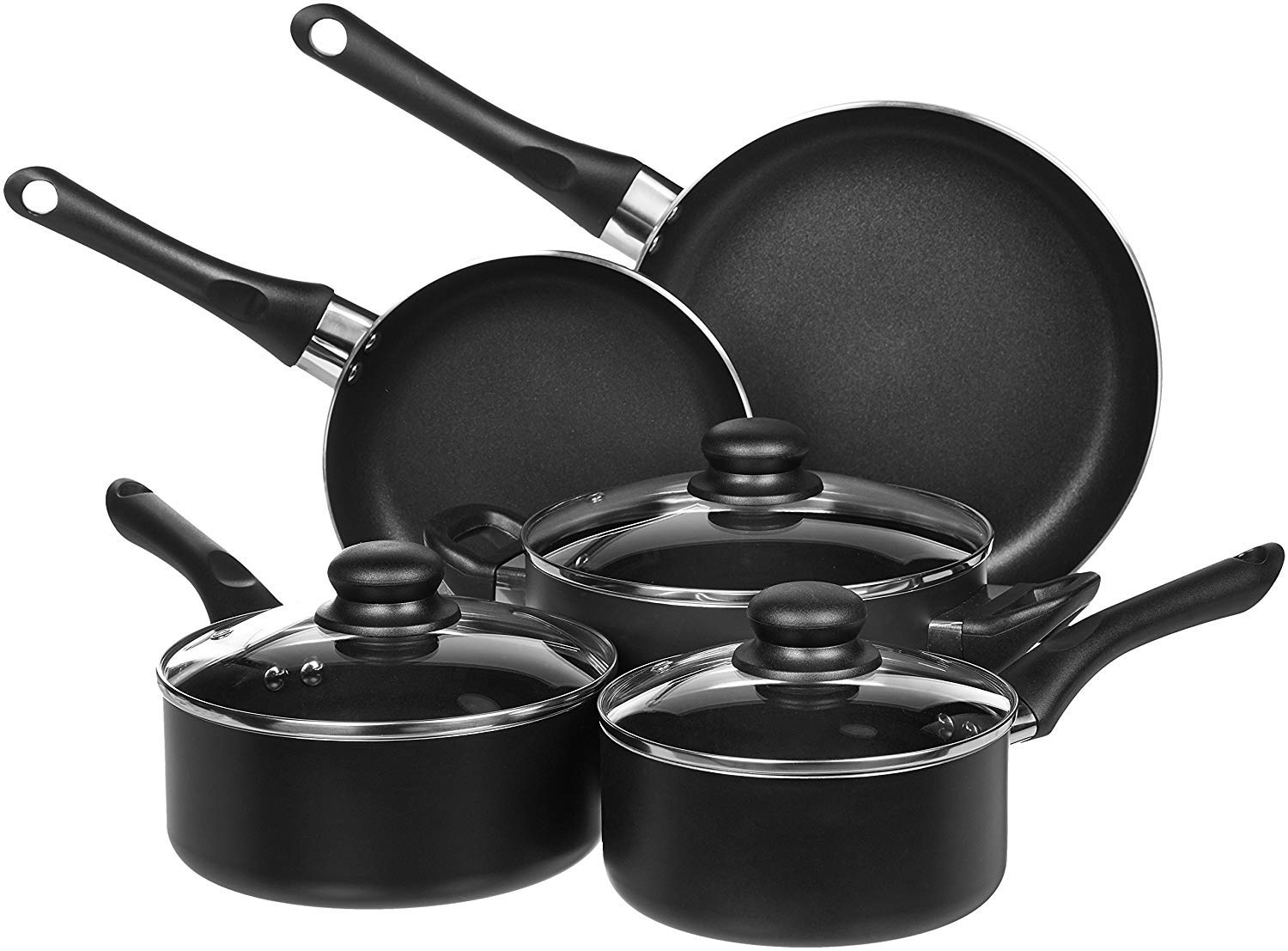
Non stick cookware is cookware with a surface that helps food release easily, so you can cook with less oil and clean up faster.
In American kitchens, nonstick pans are a common tool for making scrambled eggs before work, flipping pancakes on a Saturday morning, or cooking fish for a quick weeknight dinner. Their smooth surfaces help food slide out without much sticking. They can also make washing up easier after a busy day.
The term nonstick cookware describes how a pan performs, not one specific material. Many pans use a coating made with polytetrafluoroethylene, or PTFE, while others use a ceramic-based coating. Some cookware has a naturally low-stick surface that develops through seasoning, as with well-maintained cast iron. Knowing the difference helps you choose the right pan and use it safely.
Nonstick cookware can be useful, but it is not ideal for every cooking task. High heat, sharp utensils, rough cleaning, and worn coatings can shorten a pan’s life. The best approach is to understand the coating, follow the manufacturer’s instructions, and replace cookware when its surface is badly damaged.
Nonstick cookware is a type of pot or pan made to prevent food from sticking strongly to its cooking surface. The surface has properties that let food release with less effort than it often would on bare stainless steel or other uncoated metal. This makes nonstick cookware especially useful for delicate foods.
A nonstick pan may have an aluminum or stainless steel body with a separate coating on the cooking surface. The metal body spreads heat, while the coating helps food release. Some pans use a ceramic-based coating, and some uncoated pans can also develop nonstick qualities through seasoning.
The phrase nonstick describes a function rather than a single recipe of materials. Two pans can both carry a nonstick label yet differ in coating chemistry, heat limits, durability, care needs, and cooking performance. Reading the product label and manual is more useful than relying on the label alone.
Source: m.media-amazon.com
Easy food release
Eggs, pancakes, and tender fish are often easier to turn or remove from a suitable nonstick surface.
Less sticking during cooking
The coating reduces the bond between food and the cooking surface, although some oil may still help with browning and flavor.
Simpler cleanup
Food residue often wipes away with warm water, dish soap, and a soft sponge.
How Does a Nonstick Pan Work?
A nonstick surface reduces the forces that make food cling to a pan. With a PTFE coating, the surface has very low friction and low surface energy. This helps many foods release instead of forming a stubborn layer on the pan.
The effect is easy to see when cooking an egg. On a suitable nonstick surface, the egg can move with a gentle push from a spatula. On an uncoated pan that has not been heated or oiled correctly, the egg may stick and tear when you try to turn it.
Nonstick does not mean that food can never stick. Sugary sauces, burnt residue, damaged coatings, and incorrect cooking conditions can still cause trouble. A clean pan, sensible heat, and proper cooking technique remain important.
What Parts Make Up Nonstick Cookware?
Most coated nonstick pans have two main parts: a structural body and a cooking surface. Aluminum is common because it is light and conducts heat well. Some designs use stainless steel or another metal base, and the handles and lids may use different materials.
The coating is the part that gives a coated pan its food-release properties. Manufacturers may apply multiple layers to support adhesion, performance, and wear resistance. The exact layer structure varies by product, so claims about one pan should not be applied to every nonstick pan.
Common Types of Nonstick Cookware
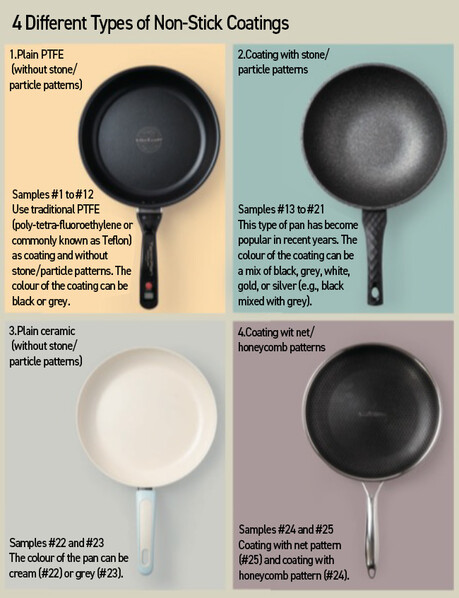
The main difference between nonstick pans is the material that creates their food-release surface. PTFE coatings are known for strong nonstick performance, while ceramic-coated pans are often marketed as an alternative. Seasoned cast iron and carbon steel offer another route to easier food release without a factory-applied nonstick coating.
No type is best for every kitchen. Your choice depends on the foods you cook, how much maintenance you want, your stove, and whether you prefer a coated surface or bare metal. The table below compares the main options at a practical level.
Source: m.media-amazon.com
PTFE-coated cookware
Often offers very good food release and is useful for eggs, pancakes, and other delicate foods. It needs careful heat control and protection from scratches.
Ceramic-coated cookware
Uses a ceramic-based coating, commonly made from a silica-based material. It can provide easy food release, but performance may decline with wear and repeated use.
Seasoned cast iron
Develops a food-release surface through layers of polymerized oil. It is heavy and requires appropriate care, but it does not rely on a factory-applied PTFE coating.
Seasoned carbon steel
Offers a lighter alternative to cast iron and can develop a useful seasoned surface. It needs proper drying, seasoning, and routine care.
PTFE Nonstick Cookware
PTFE stands for polytetrafluoroethylene, a synthetic fluoropolymer widely used in nonstick cooking surfaces. It is often associated with the brand name Teflon, although not every PTFE coating is sold under that brand.
PTFE-coated pans are popular because food tends to release easily when the surface is in good condition. They are especially helpful for eggs, crepes, omelets, and delicate fish. Many models work well with modest amounts of oil.
Heat control is essential. Overheating PTFE-coated cookware can cause the coating to break down and release hazardous fumes. Avoid heating an empty pan for a long time, follow the temperature limits in the manual, and keep birds away from cooking fumes because they are particularly sensitive to them.
Ceramic-Coated Nonstick Cookware
Ceramic-coated cookware usually has a metal body covered with a thin ceramic-based layer. Many products use a silica-derived sol-gel coating rather than a solid ceramic cooking vessel. The term ceramic can therefore describe the coating, not the entire pan.
These pans are often promoted as alternatives to traditional PTFE coatings. Some consumers choose them because they want a different coating chemistry. However, ceramic-coated cookware is not automatically free of every substance a buyer may wish to avoid; check the manufacturer’s material disclosures.
Ceramic-coated pans can lose their easy-release performance over time. High heat, abrasive cleaning, and ordinary wear can affect the surface. Follow the care directions and do not assume that a ceramic coating will last as long as the pan’s metal body.
Seasoned Cast Iron and Carbon Steel
Cast iron and carbon steel can become naturally easier to cook on when properly seasoned. Seasoning forms when a thin layer of cooking oil changes under heat and bonds to the metal surface. Over time, repeated cooking and care can build a useful patina.
These pans do not behave exactly like a new PTFE-coated pan. Food release depends more on seasoning, preheating, cooking technique, and the type of food. Eggs may stick if the pan is too cold, too hot, poorly seasoned, or used without enough fat.
Choose these materials if you want cookware without a factory-applied synthetic nonstick coating and are willing to maintain it. They can last for many years with suitable care, but they are not maintenance-free.
What Is Nonstick Cookware Made Of?
Nonstick cookware is usually made from a combination of metal and a cooking surface. The body may be aluminum, stainless steel, or another suitable metal. The cooking surface may use PTFE, a ceramic-based coating, or seasoning that develops on bare metal.
The pan’s base material affects weight, heat transfer, and how evenly it heats. The surface affects food release, cleaning, and the care the pan needs. A thick or heavy pan is not automatically better, and a certain coating does not guarantee that every part of the cookware has the same composition.
Some pans also include exterior finishes, rivets, handle coatings, and lids made from glass or metal. If you have a specific material concern, look at the full product specifications rather than focusing only on the cooking surface.
Source: delightfulmomfood.com
Aluminum body
Lightweight aluminum heats quickly and is common in everyday nonstick pans. The cooking surface usually separates food from the underlying metal.
Stainless steel body
Stainless steel can provide a sturdy base and a polished appearance. The actual heat performance depends on the pan’s construction and any layered metals.
PTFE coating
A fluoropolymer surface that offers low friction and strong food release when used within its intended temperature range.
Ceramic-based coating
A coating commonly made through sol-gel processes. Its precise formulation and durability vary among products.
Is PFOA the Same as PTFE?
No. PTFE is the fluoropolymer used in many nonstick cooking surfaces. PFOA, or perfluorooctanoic acid, is a different chemical that was historically used in some manufacturing processes involving fluoropolymers.
A label that says PFOA-free does not necessarily mean PTFE-free. It indicates a claim about PFOA, not proof that the product contains no fluorinated materials. If you want to avoid PTFE or all intentionally added PFAS, check the exact product specifications and ask the manufacturer for clarification.
PFAS is a broad group of per- and polyfluoroalkyl substances. The group contains many different chemicals with different properties. Do not treat PFOA, PTFE, and PFAS as interchangeable terms.
Does the Pan’s Base Material Affect Safety?
The base material matters, but it is only one part of the safety picture. A metal body, coating, handle, and manufacturing process can each have different properties. The condition of the cooking surface and the way you use the pan also matter.
For example, an aluminum pan with an intact coating is not the same as bare aluminum cookware. A pan with a damaged coating may no longer perform as intended. Use the product according to its instructions, and choose a clearly documented product if you have a specific material restriction.
Is Nonstick Cookware Safe to Use?
Nonstick cookware can be used safely when it is in good condition and handled according to the manufacturer’s directions. Safety depends on the coating, temperature, condition of the pan, and cooking practices. No single label can answer every safety question about every product.
PTFE coatings are generally stable under normal cooking conditions when used as directed. The main concern is excessive heat. When PTFE cookware is severely overheated, it can release fumes that may cause flu-like symptoms in people and can be fatal to pet birds.
The simplest way to lower risk is to avoid overheating the pan, use ventilation, and prevent the surface from becoming badly damaged. If you prefer not to use fluoropolymer coatings, a ceramic-coated pan or uncoated cookware may suit your preferences, but each option has its own limitations.
Source: assets.telegraphindia.com
Use suitable heat
Cook most everyday meals over low to medium heat unless the pan’s instructions state otherwise. Do not leave an empty nonstick pan heating unattended.
Ventilate the kitchen
Use a range hood that vents outdoors when available, or another suitable means of ventilation while cooking.
Keep birds away from cooking fumes
Birds have highly sensitive respiratory systems. Keep pet birds away from the kitchen and potential overheated cookware fumes.
Check the surface
Inspect the coating from time to time. Replace a pan that is peeling, severely scratched, flaking, or otherwise damaged according to the manufacturer’s guidance.
What Happens If a PTFE Pan Gets Too Hot?
A PTFE-coated pan can reach unsafe temperatures faster than expected when it is empty on a powerful burner. The coating may begin to degrade at high temperatures, and overheating can release fumes that are hazardous to people and animals. A pan that looks normal is not proof that it has never been overheated.
If a pan begins smoking or you suspect that it has overheated, turn off the heat if you can do so safely. Avoid breathing the fumes, move people and pets away from the area, and ventilate the space without putting yourself at risk. If anyone develops breathing problems or significant symptoms, seek urgent medical advice or contact local emergency services.
Preheating should be brief and controlled. Add food or a suitable amount of cooking fat as directed by the recipe and pan instructions, and do not use a nonstick pan for high-heat searing unless the manufacturer explicitly permits the method.
Is a Scratched Nonstick Pan Dangerous?
A small surface mark does not automatically mean that a pan has caused harmful exposure. However, scratches can reduce performance and may allow coating fragments to loosen. The significance depends on the coating, the extent of the damage, and the manufacturer’s instructions.
If the coating is peeling, flaking, or visibly breaking down, stop using the pan and replace it. Do not scrape away loose coating or attempt to restore a factory-applied nonstick surface with home treatments. Seasoning methods used for cast iron do not repair PTFE or ceramic coatings.
To prevent damage, use soft cleaning tools, avoid metal utensils unless the manufacturer specifically permits them, and store pans so their cooking surfaces do not rub against one another.
Does PFOA-Free Mean Nonstick Cookware Is Completely Non-Toxic?
No. PFOA-free is a narrow claim about a particular chemical. It does not prove that the entire product contains no potentially concerning substance, and it does not describe every possible exposure route or use condition.
The term non-toxic is also broad and can be misleading when used without details. A more useful assessment asks which coating the pan uses, whether the manufacturer discloses relevant materials, what temperatures are permitted, and whether the product has credible compliance documentation.
If you want to avoid intentionally added PFAS, look for explicit information about PTFE and other fluorinated materials instead of relying only on PFOA-free marketing. If the wording is unclear, contact the manufacturer before buying.
Benefits and Drawbacks of Nonstick Cookware
The biggest benefit of nonstick cookware is convenience. Food releases easily, cleanup is often quick, and many recipes work with less added oil. These features make nonstick pans useful for everyday meals, especially when you want to cook delicate foods without a long cleanup.
The main trade-off is that coated surfaces need care. A nonstick pan may not tolerate the same high heat, rough utensils, or abrasive cleaning methods as an uncoated stainless steel pan. Coatings can also wear down, so the pan may need replacement before its metal body reaches the end of its useful life.
Source: cdn.sanity.io
Benefit: Easy food release
Useful for eggs, omelets, pancakes, crepes, and other foods that can tear when they stick.
Benefit: Less added fat may be needed
A good nonstick surface can reduce the amount of oil required for food release, although recipes may still call for fat for taste or browning.
Benefit: Fast cleanup
Many food residues lift with a soft sponge and mild dish soap rather than heavy scrubbing.
Drawback: Limited heat tolerance
Some coated pans are not designed for high-heat searing, broiling, or prolonged heating while empty.
Drawback: Coating wear
The surface can deteriorate through use, overheating, scratching, or unsuitable cleaning.
Drawback: Not ideal for every recipe
A stainless steel or cast iron pan may be better for building browned bits, developing a deep sear, or moving from stovetop to oven at high heat.
Can You Cook With Less Oil in a Nonstick Pan?
Yes, nonstick cookware can help you use less added oil because food is less likely to cling to the surface. This can be useful for eggs, vegetables, fish, and other foods that do not need a heavy layer of fat to release.
Less oil is not the same as no oil. A small amount may improve taste, help spices spread, or support browning. Follow your recipe and your dietary needs rather than assuming every nonstick meal must be fat-free.
Avoid aerosol cooking sprays if the cookware manufacturer warns against them. Some sprays can leave a residue that builds up and becomes hard to remove. A small amount of oil applied with a paper towel or suitable brush may be a better option when allowed by the pan’s care instructions.
How to Use Nonstick Cookware Correctly
Correct use helps a nonstick pan perform well for longer. You do not need a complicated routine. Start with the instructions supplied with the pan, use a suitable burner and heat setting, and clean the surface without harsh tools.
The exact rules vary by model. Some pans are oven-safe to a stated temperature, while others are intended only for stovetop use. Handle materials, lids, and coatings can each have separate temperature limits, so never assume that one pan’s instructions apply to another.
Source: m.media-amazon.com
Step 1: Read the Manufacturer’s Instructions
Before using a new pan, check its permitted heat range, oven safety, dishwasher guidance, and approved utensils. If the manufacturer recommends washing before first use, do so. Do not season a factory-coated pan unless its instructions specifically require it.
Step 2: Start With Low or Medium Heat
Most nonstick cooking does not need the highest burner setting. Begin with low or medium heat and adjust as needed. Avoid leaving the pan empty over heat while you prepare ingredients or attend to another task.
High heat is especially risky when the pan is empty because the surface temperature can rise quickly. If a recipe needs a very hot sear, choose cookware designed for that purpose instead of pushing a coated pan beyond its stated limits.
Step 3: Use Suitable Utensils
Wooden, silicone, and heat-resistant plastic utensils are common choices for coated pans. They help reduce the chance of scratching the surface. Use metal utensils only if the specific cookware manufacturer clearly states that they are suitable.
Do not cut food directly in the pan or drag sharp tools across the coating. A cutting board and a separate knife are better for preparing food without damaging the cooking surface.
Step 4: Let the Pan Cool Before Washing
After cooking, turn off the heat and let the pan cool to a safe temperature. Plunging a very hot pan into cold water can cause sudden temperature changes that may warp some cookware or stress its construction.
Wash with warm water, mild dish soap, and a soft sponge. If food sticks, let the pan soak for a short time rather than using steel wool, scouring powder, or a sharp scraper.
Step 5: Store the Pan Without Scratching It
If you stack pans, place a soft pan protector, clean cloth, or suitable divider between their cooking surfaces. This simple step helps prevent scratches caused by metal edges or the base of another pan.
Keep the pan dry before storing it. Avoid placing heavy objects on the coating or storing sharp utensils inside the pan, where they can rub against the surface.
How to Choose the Right Nonstick Cookware
Choose nonstick cookware based on your usual meals, stove type, maintenance preferences, and material priorities. A pan used mostly for breakfast eggs has different needs from one used for oven dishes or high-heat searing. Start with the task rather than the brand name or number of pieces in a set.
Check whether the cookware works on your stove. Aluminum pans without a compatible magnetic base generally do not work on induction cooktops, while induction-compatible models have a suitable magnetic layer or base. Look for an explicit induction-compatible label rather than guessing from the pan’s appearance.
Also check the handle design, pan weight, lid fit, oven limits, and cleaning directions. A large set may look like good value, but a few well-chosen pans that suit your cooking habits may be more useful.
Source: consumer.org.hk
Which Type Should You Choose?
The following comparison offers a practical starting point. It describes common characteristics, not a guarantee for every brand or model. Coating formulations, construction, and care instructions vary.
For eggs and pancakes
A PTFE-coated pan is often a strong option when easy food release is the main priority. A good ceramic-coated pan may also work well.
For a different coated surface
Consider ceramic-coated cookware if you prefer that coating category, but review the materials and expected care needs before buying.
For high-heat searing
Choose a suitable stainless steel or cast iron pan rather than using a coated nonstick pan beyond its temperature limits.
For cookware without a factory-applied coating
Consider seasoned cast iron or carbon steel if you are comfortable with their upkeep.
For an induction stove
Select a pan that the manufacturer explicitly identifies as induction-compatible.
What Labels Should You Check?
Read the label for the exact coating type, maximum temperature, oven restrictions, cleaning directions, and induction compatibility. Look for clear manufacturer information rather than relying on broad claims such as green, natural, or non-toxic.
If you want to avoid PTFE, a PFOA-free statement alone is not enough. Look for a clear PTFE-free statement and ask whether other intentionally added PFAS are present if that distinction matters to you. Keep a copy of the product manual so you can refer to the care and temperature limits later.
Common Nonstick Cookware Mistakes to Avoid
Many problems with nonstick pans begin with small habits. Leaving a pan empty on a hot burner, scrubbing with rough tools, or stacking pans without protection can shorten the life of the cooking surface. Simple changes can prevent much of this avoidable wear.
Another common mistake is expecting a nonstick coating to make every cooking method easier. A pan designed for delicate foods is not necessarily built for broiling, prolonged high heat, or heavy oven use. Match the cookware to the job and respect the manufacturer’s limits.
Source: foodandwine.com
Heating an empty pan for too long
An empty pan can overheat quickly. Prepare ingredients first and use a controlled heat setting.
Using metal tools without checking
Sharp edges can damage the surface. Choose softer utensils unless the manufacturer permits metal tools.
Cleaning with abrasive materials
Steel wool and harsh scouring powders may wear or scratch the coating. Use a soft sponge and mild soap.
Pouring cold water into a hot pan
Sudden temperature changes can warp some pans. Allow cookware to cool before washing.
Assuming every nonstick pan is oven-safe
Handles, lids, and coatings have different heat limits. Verify the rating for the exact model.
Keeping a badly damaged pan
Peeling or flaking surfaces are a reason to stop using the pan and replace it in line with manufacturer guidance.
Why Does Food Start Sticking to a Nonstick Pan?
Food may begin sticking because the coating has worn, residue has built up, or the cooking method is not suited to the pan. A ceramic-coated surface may gradually lose some of its easy-release performance, while scratches and heavy wear can affect other coatings.
First, let the pan cool and wash it with mild soap and a soft sponge. If the problem comes from residue, careful cleaning may help. If the surface is peeling, flaking, or visibly damaged, do not try to scrub it back to its original condition; replace the pan.
If the coating looks intact, review your heat setting and cooking technique. Use an appropriate amount of oil when needed, avoid prolonged empty heating, and check the instructions for any restrictions on cooking sprays or utensils.
Frequently Asked Questions
Q
What Is Nonstick Cookware Used For?
Nonstick cookware is commonly used for eggs, omelets, pancakes, crepes, delicate fish, and other foods that may stick to an uncoated pan. It can also make cleanup easier after everyday cooking. For high-heat searing or building browned bits for a pan sauce, stainless steel or cast iron may be more suitable.
Q
Is Nonstick Cookware the Same as Teflon?
No. Nonstick cookware is a broad category, while Teflon is a brand name associated with certain nonstick coatings, including PTFE-based products. Other pans use ceramic-based coatings or develop food-release properties through seasoning. Check the product details to identify the actual surface material.
Q
Is Ceramic Nonstick Cookware Better Than PTFE?
Neither type is automatically better for everyone. PTFE-coated pans often provide strong food release, while ceramic-coated pans offer a different coating option. Performance and lifespan depend on the exact product, heat exposure, care, and use. Choose based on the cooking tasks and material requirements that matter most to you.
Q
Can You Use Nonstick Cookware Every Day?
Yes, a suitable nonstick pan can be used every day when it is in good condition and handled according to the manufacturer’s directions. Use moderate heat, avoid prolonged empty heating, protect the surface from damage, and clean it with gentle tools. Replace cookware when its coating becomes badly damaged.
Q
Does Nonstick Cookware Need Oil?
Not every food needs added oil to release from a nonstick surface, but a small amount can improve flavor, texture, and browning. Follow your recipe and the pan’s instructions. Avoid cooking sprays if the manufacturer warns that they may leave a difficult residue.
Q
When Should You Replace a Nonstick Pan?
Consider replacing a pan when its coating peels, flakes, or shows severe damage, or when the pan has become warped or otherwise unsafe to use. Reduced food release alone does not identify the exact cause, so inspect the surface and review the manufacturer’s advice. Do not attempt to repair a damaged factory-applied coating at home.
Q
Is PFOA-Free Cookware Also PTFE-Free?
No. PFOA and PTFE are different substances. A PFOA-free claim does not establish that a pan contains no PTFE or other fluorinated materials. If avoiding PTFE or intentionally added PFAS is important to you, look for explicit material disclosures and ask the manufacturer when the label is unclear.
✦ Wrapping Up
Conclusion
Nonstick cookware is designed to make food release easier, reduce sticking, and simplify cleanup. PTFE-coated and ceramic-coated pans are common options, while seasoned cast iron and carbon steel can provide food-release properties without a factory-applied nonstick coating. Each type has different care needs and limits.
For many everyday meals, a well-maintained nonstick pan is a practical tool. Use moderate heat, avoid heating it empty for long periods, choose suitable utensils, and clean it gently. If the coating begins to peel or flake, replace the pan rather than trying to repair it.
Before buying, check the exact coating, stove compatibility, temperature rating, and care instructions. If you want to avoid a particular chemical or material, read beyond broad marketing claims and confirm what the product actually contains.
💡 Key Takeaway
Choose cookware that fits your cooking style, verify its materials and heat limits, and protect the cooking surface through careful everyday use.