
Ever ordered delivery and found yourself wondering exactly where your meal was prepared? It might not be from a bustling restaurant with a dining room you recognize. That's where the concept of a ghost kitchen comes into play, serving up convenience without the traditional storefront.
This setup centers around professional kitchen spaces designed exclusively for preparing food for delivery and takeout orders. It’s a business model that’s rapidly reshaping how restaurants operate, especially in urban centers where digital ordering is a daily norm.
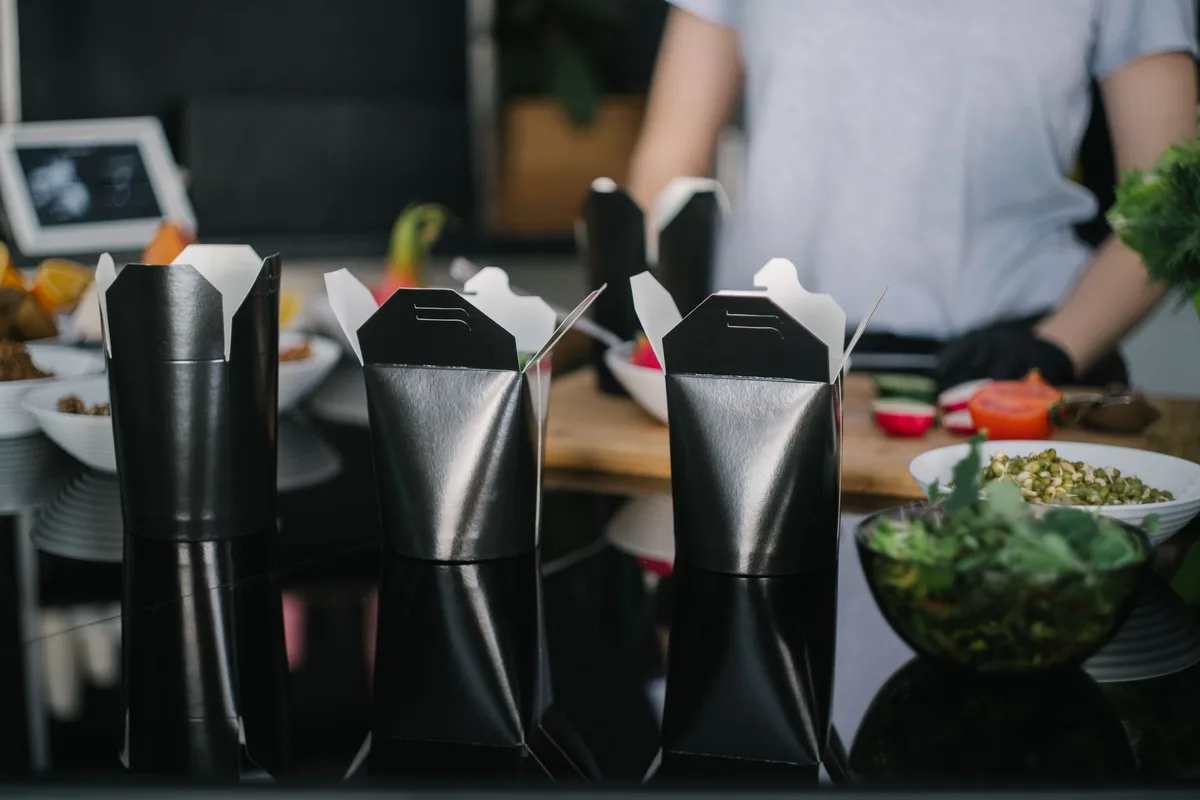
What's a Ghost Kitchen? Let's Break It Down.
At its heart, a ghost kitchen is a commercial cooking facility that operates solely for the preparation of food for delivery or catering. You won’t find any tables for sit-down diners or a welcoming facade out front. These are back-of-house operations, optimized for efficiency and speed in fulfilling online orders.
Aggregate reviews from food industry analysts indicate that the ghost kitchen market has seen substantial growth, reaching billions in value as of 2026. This surge is driven by consumer demand for convenient, on-demand food and the operational advantages these kitchens offer to businesses. They represent a distinct shift from traditional restaurant models.
How Does a Ghost Kitchen Actually Work?
Ghost kitchens function by housing the equipment and staff needed to prepare food for various restaurant brands, all under one roof but often marketed as separate entities to consumers. The core of their operation revolves around efficiently taking orders from delivery apps. When an order comes in through an app, it's routed to the kitchen. Chefs then prepare the meal, package it, and hand it off to a delivery driver who picks it up.
This model allows for a highly streamlined process focused purely on cooking and dispatch. Instead of worrying about customer service, seating, or decor, the entire operation is geared towards maximizing order volume and turnaround time.
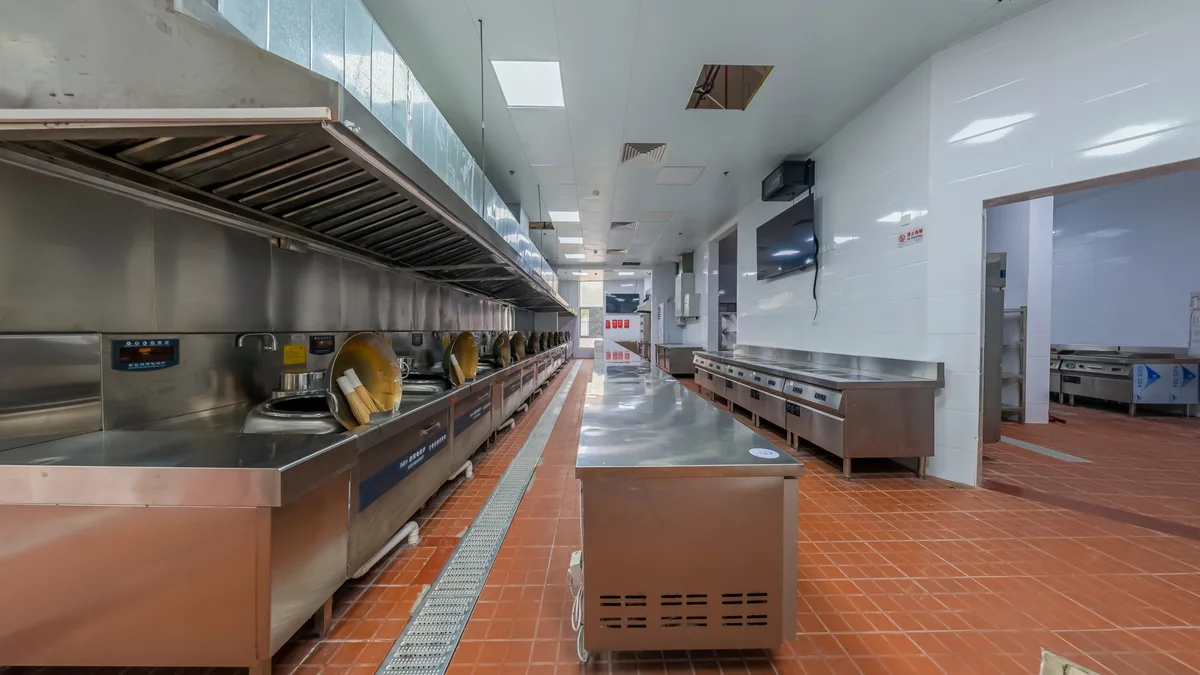
Key Features: What's Inside a Ghost Kitchen?
What you’ll find inside a ghost kitchen is a professional-grade cooking environment, sometimes a bit more streamlined than a full-service restaurant, but equipped for serious food production.
- Dedicated Prep Areas: Stations are set up for specific tasks like chopping vegetables, making sauces, or assembling dishes.
- Commercial Cooking Equipment: This includes ovens, ranges, fryers, griddles, and refrigeration systems, all sized for high-volume output.
- Order Management Systems: Technology is key. These kitchens rely on integrated systems that receive orders from various delivery platforms, often displaying them on screens for kitchen staff or sending them directly to printers.
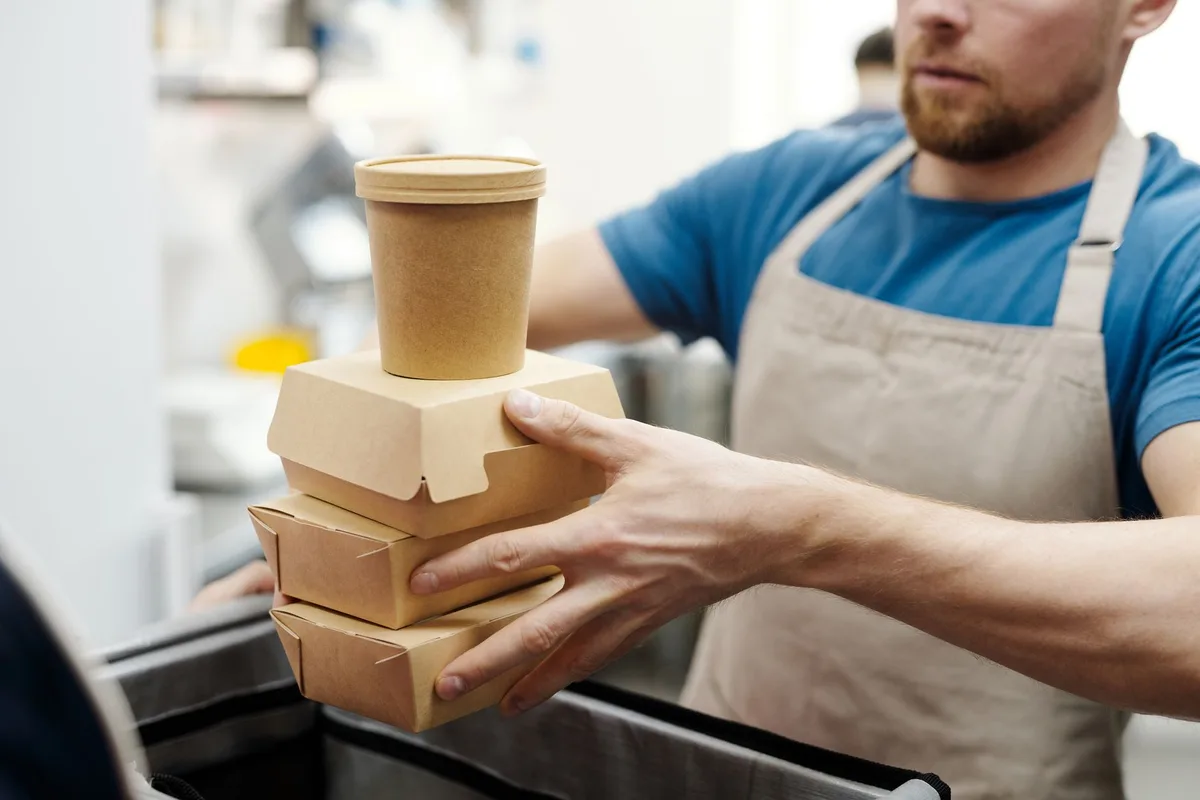
- Packaging Stations: A significant focus is placed on efficiently packaging food to maintain temperature and quality during transit. This might include specialized containers and sealing equipment.
- Storage Facilities: Ample space is needed for dry goods, refrigerated items, and frozen ingredients to ensure a continuous supply for multiple brands.
Some ghost kitchens operate on a shared-space model, leasing individual stations or bays to multiple restaurant brands. In this scenario, each brand essentially rents the space and equipment to run its own delivery-focused operation.
Who Uses Ghost Kitchens and Why?
A variety of individuals and businesses are tapping into the ghost kitchen model. For established restaurants, it’s a way to expand their delivery radius or launch new menu concepts without disrupting their main kitchen's operations or investing in a new physical location. For entrepreneurs, it lowers the barrier to entry for starting a food business, as the significant costs associated with a dining room and front-of-house staff are eliminated.
The primary driver for using ghost kitchens is to capitalize on the booming food delivery market. With more people ordering meals online than ever before, these kitchens provide the specialized infrastructure to meet that demand efficiently. They enable businesses to reach customers in new neighborhoods or test gourmet meal kits without the retail footprint.
Ghost Kitchens vs. Traditional Restaurants: What's the Difference?
The fundamental difference lies in customer interaction. A traditional restaurant has a physical storefront, a dining area where customers can eat on-site, and front-of-house staff like servers and hosts. Its success is tied not just to the food, but also to the overall dining experience.
Ghost kitchens, on the other hand, have no physical presence for dine-in customers. Their entire operation is geared towards preparing food for delivery drivers or for pickup by the customer. This means they can focus resources solely on the kitchen operations, menu development for delivery, and efficient order fulfillment, bypassing the costs and complexities of managing a public-facing dining space.
This distinction impacts everything from location scouting (ghost kitchens can be in more industrial or less prime real estate areas) to staffing needs (fewer customer-facing roles).
Benefits: Why Restaurants Are Opting for Ghost Kitchens
The appeal of ghost kitchens is multifaceted, offering significant advantages for businesses looking to thrive in the modern food landscape. One of the most compelling benefits is the reduced overhead. By eliminating the need for a dining room, prime retail location, and extensive front-of-house staff, businesses can save considerably on rent, utilities, and payroll.
This operational efficiency allows for a more focused approach to food production and delivery. Furthermore, it provides a flexible platform for businesses to test new restaurant concepts or expand their reach into new geographic areas with relatively low upfront investment. For instance, a popular local restaurant could launch a new, delivery-only pizza brand from a ghost kitchen in a neighboring district without altering its existing diner operations.
This model also allows for rapid scalability, if a new delivery-only brand proves popular, its capacity can often be increased more easily than a traditional brick-and-mortar establishment. Many ghost kitchen facilities are designed with modular setups, allowing brands to add more stations or even launch additional virtual brands without extensive construction. This agility is crucial in the fast-paced food delivery market.