

Reheating Wings in the Air Fryer: Getting Them Crispy Again
Getting leftover chicken wings to taste like they just came out of the fryer can feel like a culinary magic trick. If you've ever wondered what temp to reheat wings in an air fryer for that perfect crunch, you're in the right place. It’s not just about tossing them in; a little attention to temperature and time makes all the difference between soggy disappointment and crispy delight.
Our research indicates that most air fryer manufacturers recommend specific temperature ranges for reheating, often within the 350°F to 400°F (175°C to 200°C) spectrum, depending on the food's density and desired outcome. By understanding a few key variables, you can achieve restaurant-quality results at home, saving both food and money in the process.
What Kind of Wings Are We Reheating?
The approach you take to reheating really depends on what you're working with. Think of it as tailoring the heat to the wing itself.
Plain/Buffalo Wings (No Breadcrumbs)
For wings that are coated in sauce but not breaded, the primary goal is to heat them through and re-crisp the skin. These are generally the easiest to revive. You're aiming to get the internal temperature up to a safe level while ensuring the surface doesn't get tough or dry. A moderate heat works well here, allowing the heat to penetrate without immediately charring the skin.
Breaded or Fried Wings
If your wings have a breaded coating, you'll need to be a bit more strategic.
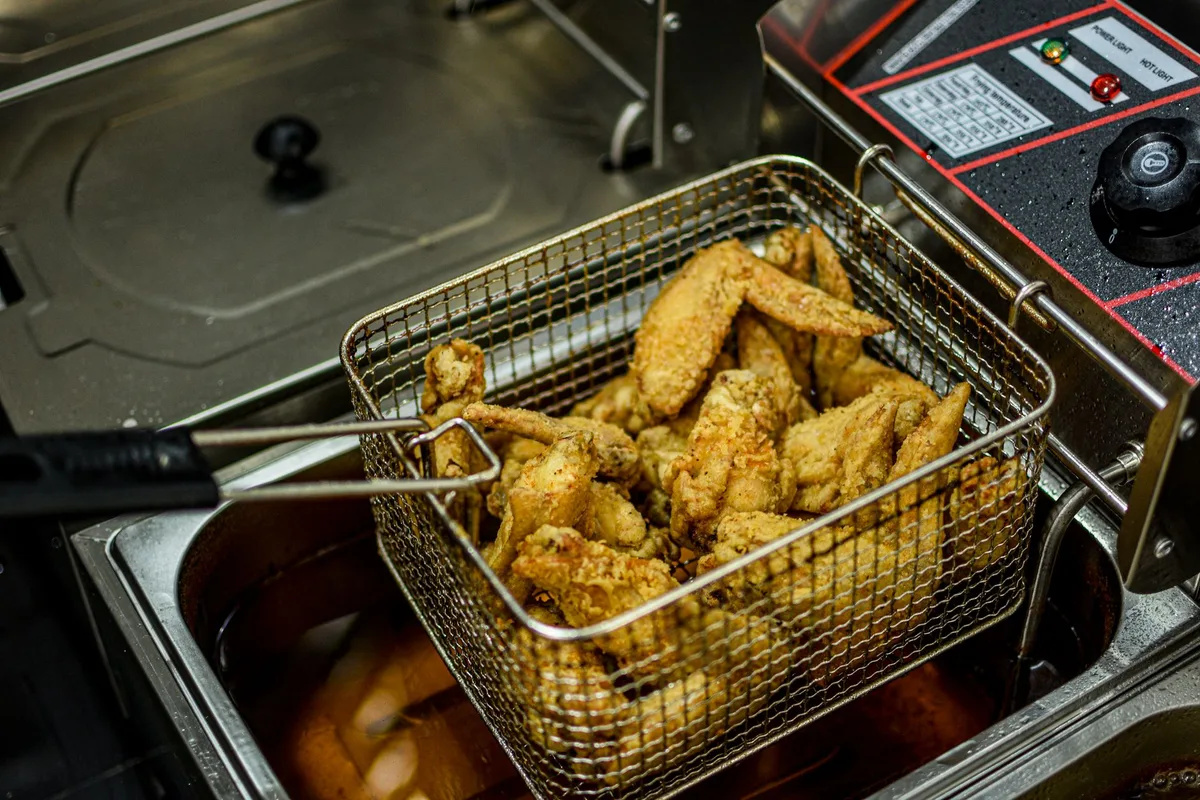
The breading adds an extra layer of complexity. Too high a temperature, or cooking for too long, can burn the coating before the inside is adequately heated. Many breading recipes, whether flour-based or using something like panko, are quite delicate. Therefore, a slightly lower starting temperature can be beneficial to ensure the coating crisps up nicely without becoming overly dark or acrid.
Some sources, like aggregate buyer feedback for popular air fryer models, suggest that breaded items benefit from consistent, moderate heat to allow even cooking.
Your Reheating Game Plan
This is where we put those understandings into action. Think of this as a flexible workflow, not a rigid set of rules.
Step-by-Step Guide to Crispy Wings
Here’s how to get your leftovers back to their former glory:
- Preheat the Air Fryer: Always start by preheating your air fryer. This ensures the heat is consistent from the moment the wings go in. For most wings, setting your air fryer to 375°F (190°C) is a good starting point for plain or lightly coated wings.
- Arrange the Wings: Spread the wings in a single layer in the air fryer basket. Avoid piling them up; they need space for the hot air to circulate around each one.
- Cook and Check: Start with about 5-7 minutes. At this point, you'll want to check their progress.
- Shake or Flip: After the initial cooking time, give the basket a good shake or use tongs to flip the wings. This exposes different sides to the heat, promoting even crisping.
- Continue Cooking: Depending on how crispy you want them and their size, they might need another 3-5 minutes. Check again.
- Final Crisp (Optional): For extra crispy skin, especially on plain wings, you can bump the temperature up to 400°F (200°C) for the last 1-2 minutes. Watch them closely to prevent burning.
Don't Overcrowd Your Air Fryer
This is a cardinal rule for almost anything you cook in an air fryer, and reheating wings is no exception.
When you overcrowd the basket, the hot air can’t circulate effectively. This means instead of getting crispy, the wings end up steaming in their own moisture, resulting in a soggy texture. Manufacturer specifications for most air fryer models suggest leaving at least an inch of space around the food for optimal airflow. If you have a large batch, it's far better to reheat them in two cycles than to compromise the crispiness of the entire batch by overcrowding.
Give 'Em a Shake or Flip
This simple action is crucial for achieving even results. Midway through the cooking cycle, usually around the 5-minute mark or so, it’s time to intervene.
Using tongs or giving the basket a vigorous shake redistributes the wings. This ensures that all sides get direct exposure to the hot circulating air. If you skip this step, you'll likely end up with some perfectly crisped wings and others that are still a bit soft. For breaded wings, this also helps ensure the coating crisps up uniformly without some parts staying pale.
Temperature Settings for Different Wing Types
Achieving that perfect crisp requires a bit of temperature strategy. We've found that manufacturer specifications generally point to a specific range, but the exact temp can shift based on your wing's coating and your personal preference for crispiness.
- For Plain or Buffalo Wings: Start at 375°F (190°C). This temperature is usually enough to heat them through and revive the skin without immediately burning any residual sauce. If you want an extra crispy finish, you can increase the heat to 400°F (200°C) for the final 1-2 minutes, but keep a very close eye on them.
- For Breaded Wings: It's often best to stick to a lower temperature, around 350°F (175°C) to 375°F (190°C). This allows the inside to heat up and the breading to crisp up gently, reducing the risk of the coating burning before the wings are hot all the way through.
Checking internal temperature isn't as critical for reheating leftovers as it is for cooking raw food, but ensuring they are piping hot is key. Food safety guidelines from federal agencies typically recommend reheating foods to an internal temperature of 165°F (74°C) to kill any potential bacteria. However, for taste and texture, reaching near-piping hot is usually sufficient.
Mistakes to Avoid When Reheating Wings
Getting your wings right in the air fryer is about more than just temperature; it's about avoiding common pitfalls that turn a promising snack into a floppy failure.
Overcooking and Burning
The biggest mistake people make is leaving the wings in too long, especially at too high a heat. Chicken wings are already cooked, so they don't need a long cooking time. Overcooking can lead to dry, tough meat and, particularly with breaded wings, a burnt coating. It's always better to err on the side of slightly undercooked and then add another minute or two, rather than risk ruining them.
Aggregate user reviews frequently highlight this as a primary reason for dissatisfaction with reheated wings.
Letting Them Steam
This ties directly back to overcrowding the air fryer basket. When air can't circulate, moisture gets trapped, and that moisture prevents the skin from becoming crispy. It's the opposite of what you want in a reheated wing. If wings feel even slightly moist or soft after your first attempt, it's a strong indicator that airflow was insufficient, or perhaps the initial cooking temperature was too low to drive off surface moisture effectively.
Expert Tips for Perfect Leftover Wings
Beyond just picking the right temperature, a few pro-level techniques can truly elevate your reheated wings. Think of it as fine-tuning the process for maximum flavor and texture. For example, applying sauce after the initial reheating can prevent it from burning and keep the wings from getting soggy too quickly. Many home cooks find success by lightly tossing the wings in a bit of warmed sauce just before serving, ensuring a fresh, vibrant glaze.
Another tip involves the type of oil you might use, if any. While air frying is largely oil-free, a light mist can help particularly dry wings regain a bit of that fresh-from-the-fryer sheen. Our research into air fryer usage confirms that a very light spray, around 1-2 teaspoons per batch, can help achieve a crispier exterior without adding significant fat. It’s also worth noting that as of 2026, many air fryer manufacturers continue to refine basket designs to enhance airflow, further improving reheating capabilities.
Why Sauce Timing Matters
Sauce is flavor, but it can be the enemy of crispiness. If your wings came with a thick, sugary, or oil-based sauce, applying it too early during reheating can cause it to caramelize and burn in the hot air fryer.
- Pre-Sauced Wings: If the wings were already sauced from the restaurant or your initial cooking, they’ve likely softened a bit. The goal here is to primarily heat them through and re-crisp the skin underneath. Use the temperatures as previously recommended (375°F or 190°C is a safe bet).
- Re-Saucing for Freshness: For the best of both worlds: reheat the wings first until they are hot and the skin is crisp. Then, in a separate bowl, gently warm your desired sauce. Toss the hot, crispy wings in the warmed sauce just before serving. This keeps the sauce vibrant and the wings as crisp as possible.
Safety First: Heating Wings Thoroughly
When reheating any cooked food, food safety is paramount. The goal is to bring the wings up to a temperature that kills any potential bacteria that may have begun to grow during storage.
Regulatory bodies like the U.S. Food and Drug Administration (FDA) provide guidelines for safe food handling, recommending that leftovers be reheated to an internal temperature of 165°F (74°C). While achieving this perfect internal temperature is critical for raw food, for reheating, the focus is on ensuring the food is steaming hot throughout. This process inactivates most common foodborne pathogens.
How to Check for Proper Reheating
- Visual Check: The wings should be steaming hot all the way through. If you see any pink in the meat, they need more time.
- Touch Test: Use tongs to carefully break open a wing's thickest part to feel the heat.
- Temperature (Optional but Recommended): For absolute certainty, use a food thermometer. Insert it into the thickest part of a wing, avoiding bone. It should register at least 165°F (74°C).
If your wings aren't hot enough after the initial air frying cycle, simply return them to the preheated air fryer for an additional 2-3 minutes. Repeat the check until they are sufficiently heated. This ensures both safety and enjoyment.