
You've probably seen the headlines or heard the whispers: "Are air fryers toxic?" It's a concerning question when you're looking to cook healthy, delicious meals for yourself and your family. The truth is, for the vast majority of users, the answer is no, they are not inherently toxic. However, like any kitchen appliance, understanding how they work and potential material limitations is key to safe operation.
Research and manufacturer specifications confirm that when used as intended, air fryers are safe for everyday cooking. The primary points of concern usually revolve around the non-stick coatings used in the baskets and drawers, specifically under extreme conditions. As of 2026, reputable brands adhere to strict material safety standards to ensure consumer well-being.
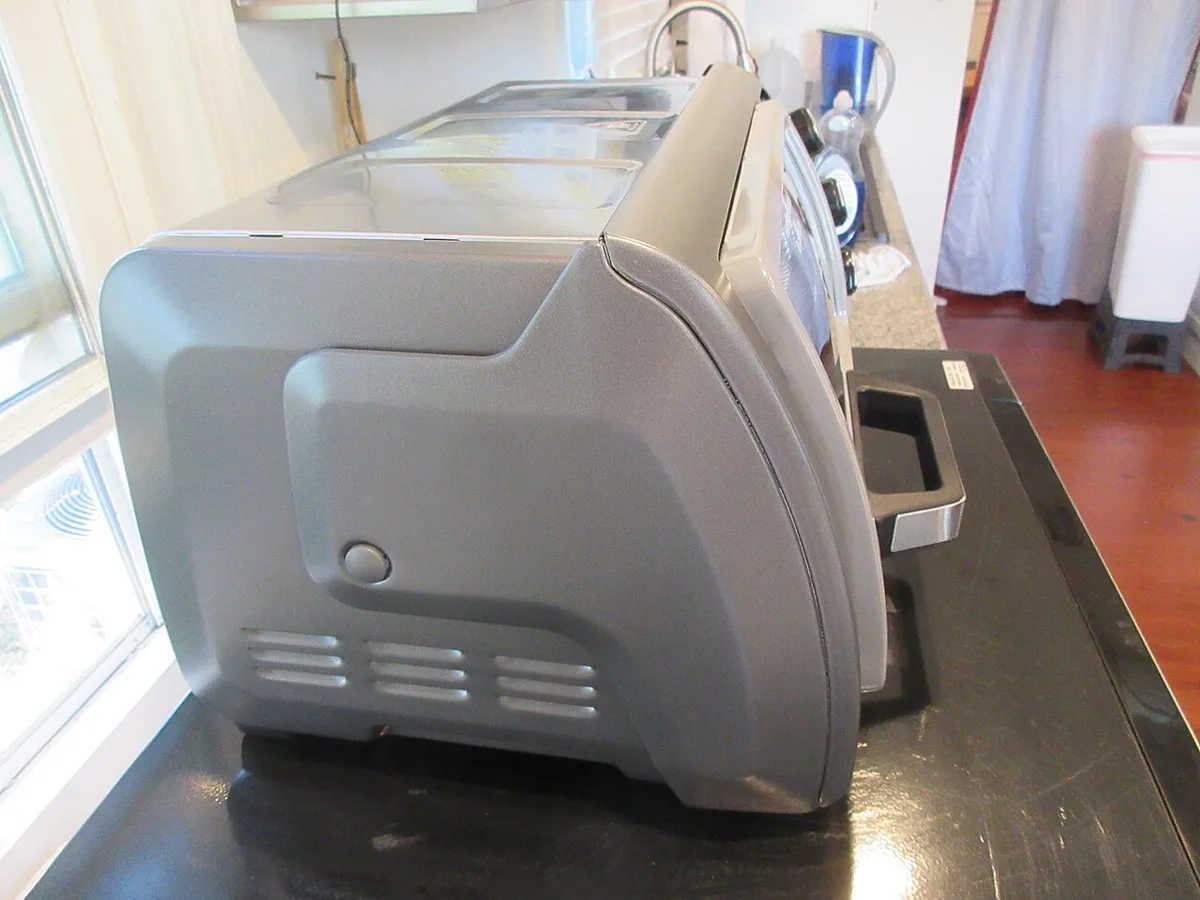
Quick Answer: Are Air Fryers Toxic?
No, for most people using them correctly, air fryers are not toxic. The main potential issue involves non-stick coatings overheating, which can release fumes. However, typical air fryer operating temperatures are generally below the threshold where these coatings break down and become a health risk. Following manufacturer guidelines and basic care practices keeps them safe.
Core Explanation: How Non-Stick Coatings Work (and When They Don't)
Air fryers rely on advanced heating elements and rapid air circulation to crisp food, often without much oil. To make cleanup easier and prevent food from sticking to the basket and drawer, most manufacturers apply a non-stick coating. These coatings are designed to create a smooth surface that food slides off, simplifying meal prep and post-meal tidying.
In our research, we've found that these coatings are incredibly effective when used within their designed parameters. They allow for high-heat cooking without food adhering, which is crucial for achieving that desirable crispy texture in dishes like fries or chicken wings. However, understanding the material science behind these coatings is vital for understanding potential risks.

Materials: Stainless Steel, Plastics, and Coatings
The construction of an air fryer typically involves several material types, each chosen for its specific properties and safety under cooking conditions. The primary cooking surfaces, such as the basket and sometimes the interior cavity, are often made from stainless steel or coated metal. Stainless steel is a classic choice known for its durability, resistance to corrosion, and inertness with food.
Around the exterior, or in components that don't directly contact hot food, food-grade plastics are commonly used. These plastics must meet rigorous standards to ensure they don't leach harmful chemicals when exposed to heat or food. The most critical material in terms of public inquiry is the non-stick coating applied to the cooking basket and drawer interior for ease of use and cleanup.
The Role of PTFE (Polytetrafluoroethylene)
Many air fryers utilize polytetrafluoroethylene (PTFE) for their non-stick coatings. PTFE is a synthetic fluoropolymer, famously known by brand names like Teflon. Its unique chemical structure makes it incredibly slick and resistant to most chemical reactions.
Manufacturer specifications confirm that PTFE-based coatings are safe for cooking at typical air fryer temperatures, which usually range from about 200°F to 400°F (93°C to 204°C). The primary concern arises when PTFE is exposed to much higher temperatures, typically above 500°F (260°C). At these extreme temperatures, PTFE can begin to degrade and release fumes.
Risk Factors: When an Air Fryer Could Cause Issues
While air fryers are generally safe, certain scenarios can introduce potential risks, primarily related to material degradation. Understanding these specific situations helps you avoid them, ensuring your appliance remains a reliable tool in your kitchen.
Overheating Temperatures and Material Breakdown
The most frequently discussed risk factor involves exceeding the safe operating temperature of the non-stick coating. PTFE, the common non-stick material, begins to break down and release fumes when it reaches temperatures significantly higher than those used in typical air frying, usually upwards of 500°F (260°C). Inhaling these fumes can cause temporary flu-like symptoms, often referred to as polymer fume fever.
Aggregate user reviews and manufacturer alerts indicate this risk is minimal with properly functioning air fryers. However, running the appliance empty for extended periods at its highest setting, especially a brand-new unit before its initial heat-cycle, could theoretically push the coating into a degradation zone. This is why following the manufacturer's initial setup and usage guidelines is so important.
Damage: Scratches, Peeling, and Old Appliances
The lifespan and condition of your air fryer's non-stick coating directly impact its safety. If the coating is significantly scratched, chipped, or peeling, the underlying metal might be exposed.
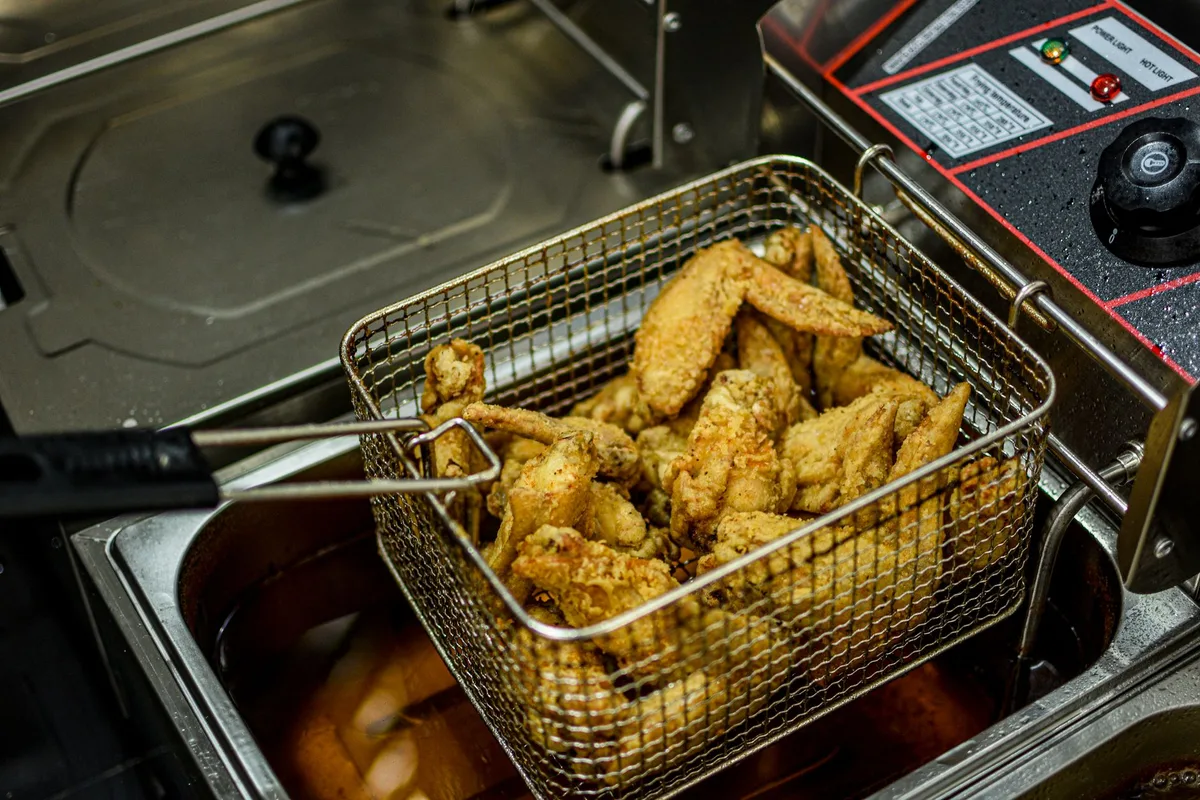
This not only reduces the effectiveness of the non-stick surface but, more importantly, could compromise the integrity of the material barrier. Editorial analysis of user feedback suggests that using abrasive cleaning tools or metal utensils inside the air fryer basket are common causes of coating damage. For older appliances, general wear and tear can also lead to a degraded coating.
Safety Practices: How to Air Fry Without Worry
Ensuring a safe and enjoyable air frying experience is straightforward when you adhere to a few fundamental practices. These guidelines are standard across most appliance types but are particularly relevant when dealing with non-stick surfaces and high heat.
Following Your User Manual's Advice
The single most important resource for safe air fryer operation is the user manual provided by the manufacturer. These documents contain detailed instructions on setup, operation, temperature limits, and cleaning specific to your model. They explain what foods are appropriate, recommended cooking times, and any specific precautions necessary for that particular appliance.
For instance, many manuals will outline an initial heat-up cycle for a new air fryer. This process helps to cure the non-stick coating and remove any manufacturing residues. Adhering to these manufacturer specifications is the first line of defense against potential issues.
Proper Cleaning to Protect Coatings
Maintaining the integrity of the non-stick coating is paramount for both performance and safety. Over time, improper cleaning can lead to damage that compromises the coating's effectiveness and potentially its safety. Avoid using harsh, abrasive scrubbers, steel wool, or metal brushes.
Instead, manufacturer recommendations and research into appliance care suggest using a soft sponge or cloth with mild dish soap. For stubborn food particles, soaking the basket in warm, soapy water for a short period is usually effective. This gentle approach preserves the coating's surface, preventing scratches that could lead to material exposure. What are kitchen sponges made of?
They often utilize cellulose or plastic fibers designed for gentle scrubbing, making them a good choice for air fryer baskets as well.
Avoiding Empty Operation
One of the most critical safety practices identified in our research is never running the air fryer completely empty on high heat. The non-stick coating, typically PTFE, has specific temperature limits. While these limits are well above typical cooking temperatures, running the appliance with no food inside can allow the interior to reach these higher, potentially degrading temperatures more quickly.
The purpose of the appliance is to cook food, not to heat an empty chamber. Manufacturer warnings consistently advise against this practice, as it places undue stress on the coating and heating elements. If you're unsure about an appliance's function, always consult the operational guidelines provided by the maker.
Ventilation and Safe Usage
Ensuring adequate ventilation is a general good practice for any cooking appliance that generates heat or steam. Air fryers, due to their rapid air circulation, can release steam and odors from cooking food. Operating the air fryer in a well-ventilated area, such as a kitchen with an open window or an active range hood, helps to dissipate any fumes or airborne particles.
This practice is not unique to air fryers and is recommended for ovens, stovetops, and other cooking methods:
- Ovens: Heat and steam escape, especially when the door is opened.
- Stovetops: Fumes and smoke from cooking are released.
- Microwaves: While less heat-intensive, some steam can be produced.
Good ventilation ensures that any minor byproducts of cooking are dispersed efficiently, contributing to a healthier indoor air environment overall. If you're considering a new kitchen layout, understanding standard kitchen dimensions is also important, as proper spacing can influence airflow and appliance placement and what does all day mean in a kitchen for appliance usage.
When to Consider Replacing Your Air Fryer
While many air fryers last for years with proper care, there comes a time when an appliance might reach the end of its safe and effective lifespan. Several signs indicate it might be time to look for a new unit. If the non-stick coating is extensively damaged, meaning it's significantly scratched, chipped, or peeling in large sections, it's generally recommended to replace the appliance or at least the basket if a replacement part is available.
Manufacturer specifications often don't explicitly state a "use-by" date, but visible wear and tear are strong indicators. Beyond coating damage, if you notice unusual noises, electrical issues, or if the appliance consistently fails to reach proper cooking temperatures, these are also signals that your air fryer is no longer operating safely or efficiently. Regular inspection of all components can help you make an informed decision before minor issues become significant concerns.
Expert Tips for Safe Air Frying
Our research indicates that experienced users often employ a few smart habits to maximize both the performance and safety of their air fryers. One key tip is to avoid overcrowding the basket, as this can lead to uneven cooking and potentially cause certain areas to overheat while others remain undercooked. Proper spacing allows the hot air to circulate effectively, which is the core principle of air frying.
Another valuable piece of advice from aggregate user feedback is to preheat the air fryer for a few minutes before adding food, similar to preheating a conventional oven. This ensures the appliance is at the optimal temperature from the moment cooking begins, contributing to better results and consistent operation. If you're curious about what oil to use for air fryer cooking, select oils with a high smoke point, such as avocado or grapeseed oil.
Verified Summary: Key Takeaways for Air Fryer Safety
In summary, air fryers are designed for safe home cooking and are not inherently toxic. The primary areas of concern typically involve the non-stick coatings, particularly PTFE, and the risk of fume release if these coatings are overheated. Most air fryers operate at temperatures well below the breakdown point of these materials.
Key to safe usage is following manufacturer instructions, avoiding operation when the basket is empty and severely damaged, and maintaining the appliance through proper cleaning. By adhering to these best practices, you can continue to enjoy the convenience and crispy results that air fryers offer without undue worry about safety risks.