
When folks are struggling to put food on the table, it's easy to feel lost. Thankfully, places exist to offer a direct hand, and understanding what a soup kitchen is can be the first step toward finding help or offering it. A soup kitchen fundamentally serves as a charitable meal service, providing prepared food, often hot, to those who need it most, completely free of charge or at a very low cost.
These vital community hubs aim to directly combat food insecurity by offering nutritious meals in a welcoming environment. Many government food safety standards, like those upheld by local health departments, guide their operations, ensuring the food served is safe to eat. As of 2026, thousands of these establishments operate daily, fueled by donations and volunteer efforts.
A Warm Plate and a Friendly Face: What a Soup Kitchen Really Is
A soup kitchen is essentially a community kitchen that opens its doors to serve prepared meals to anyone experiencing food insecurity. Think of it as a restaurant of last resort, though without any obligation to pay. These aren't just about filling bellies; they're about providing dignity and a moment of respite.
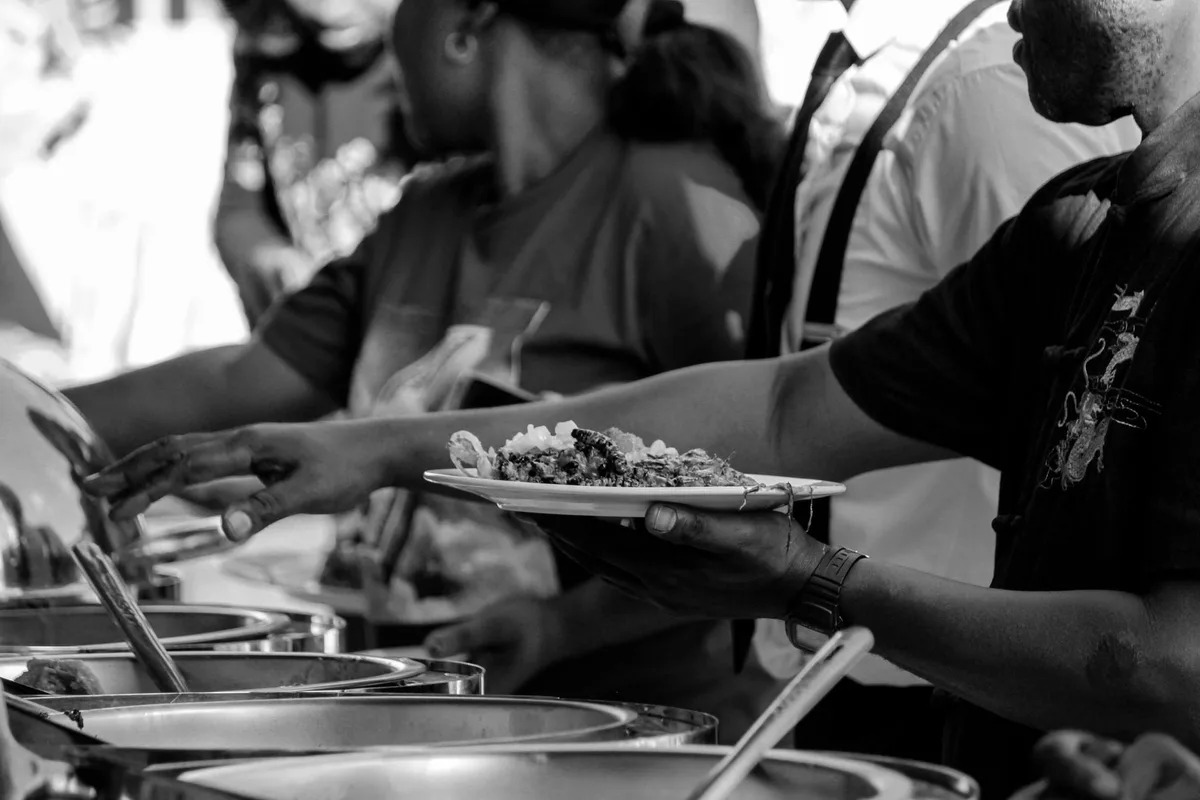
The core mission is simple: to ensure no one goes hungry in the community. This is achieved by offering meals, often hot and substantial, that are prepared on-site. They operate primarily on volunteer labor and donations of food and financial support.
The Human Side: Who Benefits from a Soup Kitchen?
The individuals who rely on soup kitchens are as diverse as the communities they serve. At the forefront are those grappling with food insecurity, a state where consistent access to enough food for an active, healthy life isn't always available. This can affect a broad spectrum of people, not just those who are visibly struggling.
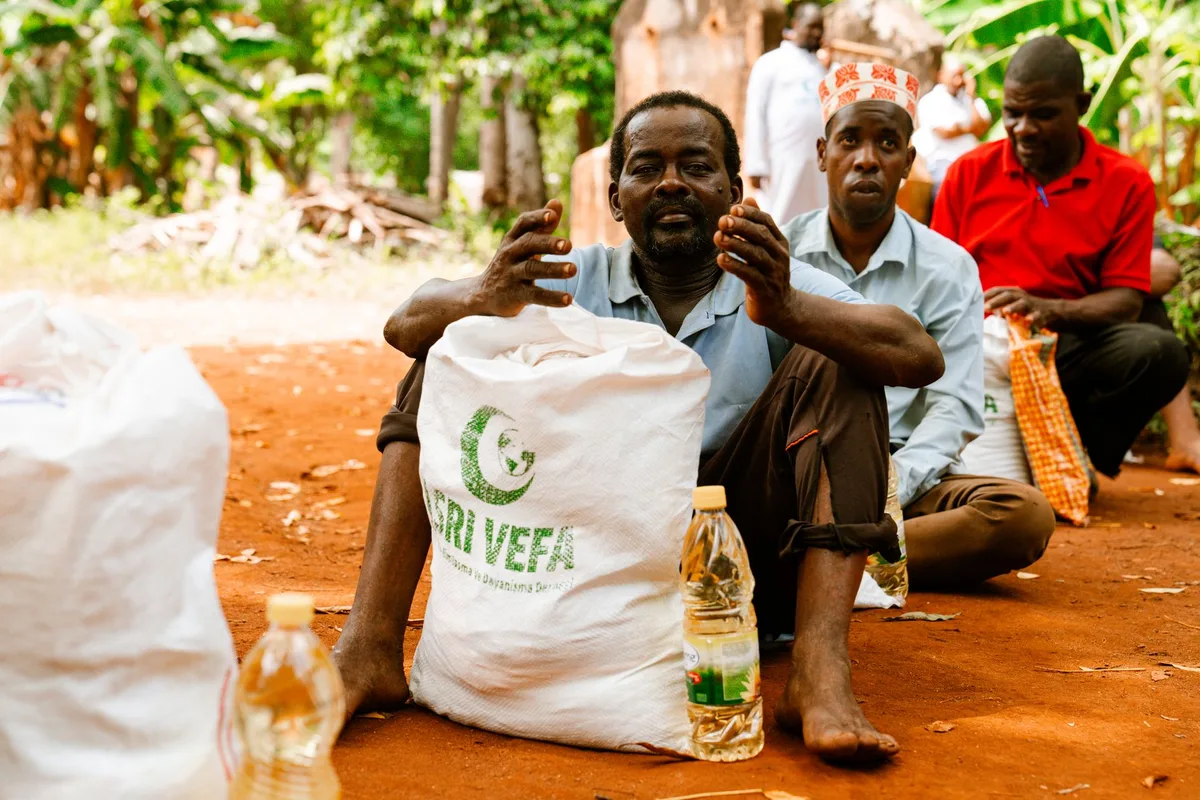
This includes:
- Homeless Individuals: A significant portion of guests are experiencing homelessness, for whom a soup kitchen might be their only reliable source of a meal for the day.
- Low-Income Families: Even when employed, families might struggle to stretch their budget to cover food, housing, and utilities, leading them to seek assistance.
- Seniors on Fixed Incomes: Many older adults live on pensions or social security that don't keep pace with rising living costs, making regular meals a challenge.
- Individuals Experiencing Temporary Hardship: Job loss, unexpected medical bills, or other crises can plunge individuals and families into temporary food scarcity, and a soup kitchen can provide crucial support during these times.
- People with Disabilities: Those unable to work or with limited income may also depend on these services.
The need for these services is often underscored by data from food banks and relief organizations, which report millions of individuals seeking assistance annually across the country.
What Goes On Inside: The Day-to-Day in a Community Kitchen
The typical day at a soup kitchen is a flurry of activity, driven by a shared purpose. It starts early with volunteers arriving to prep ingredients, cook, and set up the dining area. The kitchen space itself is the heart of the operation, where food is transformed from raw ingredients into nourishing meals.
This process requires careful planning and coordination. Volunteers might arrive at different shifts, some handling food preparation, others serving meals, and some managing cleanup and logistics. It's a finely tuned operation, often relying on schedules that ensure consistent meal service throughout the day or during designated hours.
The dining area is set up to be welcoming and comfortable, often with tables and chairs where guests can sit and eat. This "sit-down" meal experience is a key feature, offering more than just sustenance; it provides social interaction and a sense of normalcy.
The Heart of the Service: What Meals and Support Are Offered?
The primary offering at soup kitchens is, of course, food. This typically consists of hot, prepared meals designed to be filling and nutritious. The exact menu can vary widely depending on donations, volunteer chefs, and the organization's budget.
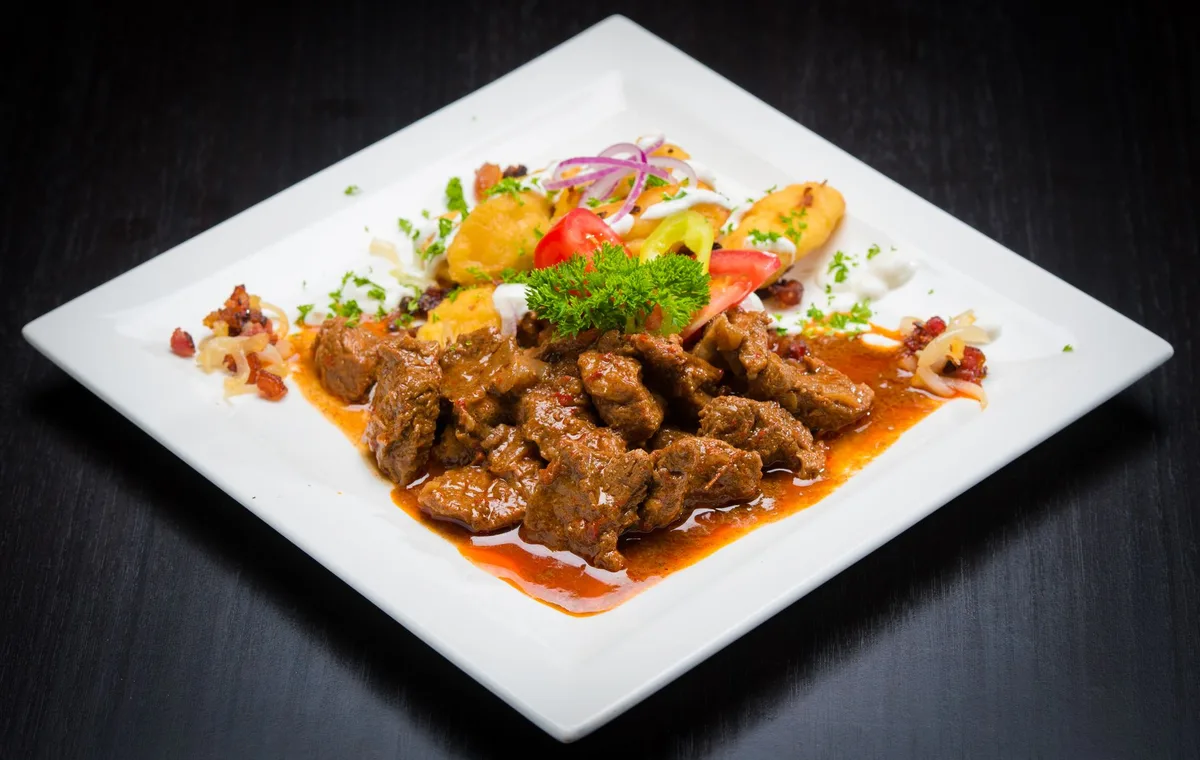
- Types of Meals: You'll often find staples like stews, soups (hence the name!), pasta dishes, rice and beans, sandwiches, and sometimes even more complex entrees. Desserts, like a piece of fruit or a simple baked good, might also be offered.
- Nutritional Focus: While the goal is to provide calories, many kitchens also strive to offer balanced meals, incorporating vegetables, protein, and carbohydrates. This isn't always possible given donation variability, but it's a guiding principle.
- Beyond the Meal: Some soup kitchens extend their services. This might include:
- Providing access to water, coffee, or tea.
- Offering bagged lunches for guests to take with them.
- Connecting guests with information about other social services, such as housing assistance, job placement, or healthcare resources.
- Sometimes, hygiene facilities like restrooms are available.
The aim is often to provide a complete meal that meets immediate hunger needs and offers a degree of comfort during tough times.
Real Challenges Faced by Soup Kitchens
Running a soup kitchen, while deeply rewarding, comes with its own set of significant challenges. These organizations often operate on lean budgets and limited resources, making their daily work a constant balancing act. One of the most persistent issues is the unpredictability of food donations.
- Food Shortages: Relying heavily on donations means that without a consistent supply, menus can become limited, or meals might need to be scaled back or even canceled. This forces kitchens to constantly seek new sources of food, whether through direct donations, partnerships with food banks, or purchasing food themselves, which strains their budget.
- Volunteer Burnout: Soup kitchens are heavily dependent on volunteers. While dedication is high, maintaining a consistent and motivated volunteer base can be tough. Burnout is a real concern, as volunteers often dedicate significant time and emotional energy to the work. The emotional toll of witnessing hardship daily can also weigh heavily.
- Funding Instability: Many soup kitchens are non-profit organizations that rely on grants, individual donations, and fundraising events. This funding can fluctuate, making long-term planning difficult and sometimes jeopardizing the kitchen's ability to operate consistently.
- Logistical Hurdles: Getting food from donors to the kitchen and then to the guests involves complex logistics. This includes transportation, refrigeration for perishable items, and sufficient storage space, all of which require resources and careful management.
- Meeting Diverse Needs: A particular challenge arises in catering to diverse dietary needs, such as allergies or religious restrictions, which can be difficult to manage with donated or limited food supplies.