
So, what exactly is a kitchen hood? You've probably seen them over stoves in kitchens everywhere, but have you ever stopped to think about their real purpose beyond just looking kind of cool? Think of your kitchen hood as your kitchen's personal air filter and ventilation superhero. Its main gig?
To suck up all the not-so-great stuff that happens when you cook, smoke, grease, steam, and all those lingering odors, and whisk it away, keeping your kitchen air fresh and clean. It's not just about making things smell better, though; it’s actually pretty important for maintaining your home.
Here's the rundown: your kitchen hood is a contraption that sits above your stovetop and has a fan and some filters. When you turn it on, that fan pulls in the air from your kitchen, pushing it through the filters. Then, depending on the type of hood you have, it either cleans the air and blows it back into your kitchen, or it vents it all outside your home. Either way, you're getting rid of cooking byproducts.
Honestly, for anyone who loves to cook or even just uses their stove regularly, a kitchen hood is a game-changer. It really makes a difference in how your kitchen feels and smells day-to-day.
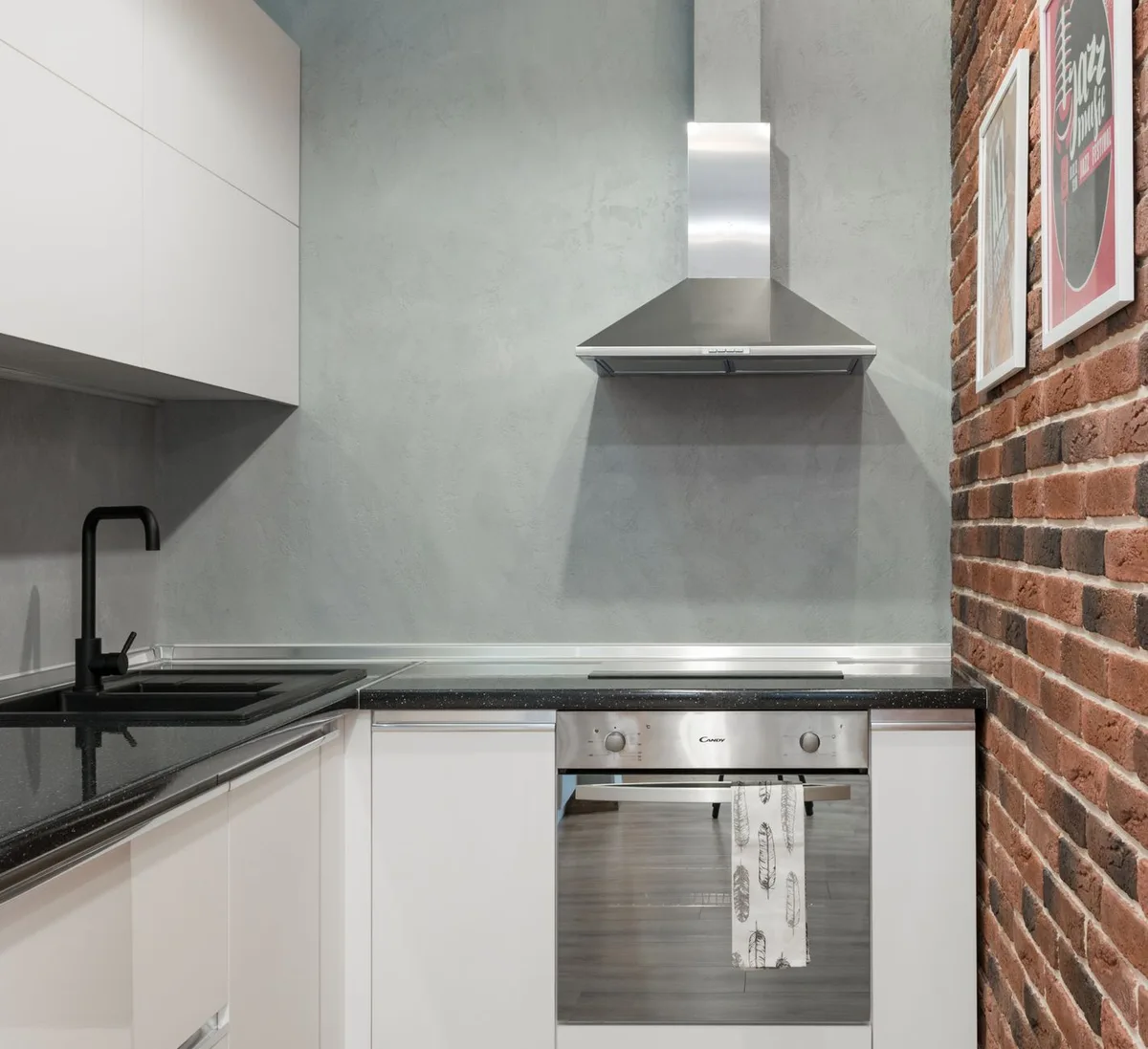
Why Visuals Matter for Understanding Your Hood
When you're trying to get a handle on what a kitchen hood is and why it's important, seeing is really believing. Sure, I can tell you about fans, filters, and ductwork, but a quick look at a picture or a diagram actually makes it click. You can instantly grasp how it fits above your stove, where the air goes, and what each part actually does.
It’s like trying to understand a recipe without seeing the dish, you might get the ingredients, but the final picture is what helps you put it all together. For kitchen hoods, visuals show you the different styles, like how a chunky island hood looks versus a slim under-cabinet model. They also highlight where potential grease buildup might happen and how those filters are designed to catch it.
The Core Job: How a Range Hood Cleans Your Air
At its heart, a range hood is all about managing the stuff that comes off your cooking. When you fry, simmer, or sauté, you're not just making food; you're also releasing airborne particles and moisture. Without something to catch and remove them, these things can start to build up.
Sucking Up the Smoke and Stink
Your kitchen hood's fan is the engine that pulls in the air around your cooktop. As you cook, especially if you're searing meats or deep-frying, you'll notice smoke and steam rising. The hood's fan is designed to capture this plume of airborne cooking byproducts. This action directly combats odors and helps clear the air of visible smoke.
Filtering Out the Grease and Grime
One of the main culprits that a kitchen hood tackles is grease. As you cook, especially at higher temperatures, tiny droplets of cooking oil become airborne. These grease particles are sticky and can settle on your cabinets, walls, and even your ceiling, creating a slippery, hard-to-clean mess. The filters in your hood are specifically designed to trap this grease before it can spread throughout your kitchen.
Key Parts of Your Kitchen Hood
Getting a handle on the main components of a kitchen hood helps you understand why some work better than others and what to look for. They're not overly complicated, but each piece plays a vital role in the hood's overall performance and efficiency.
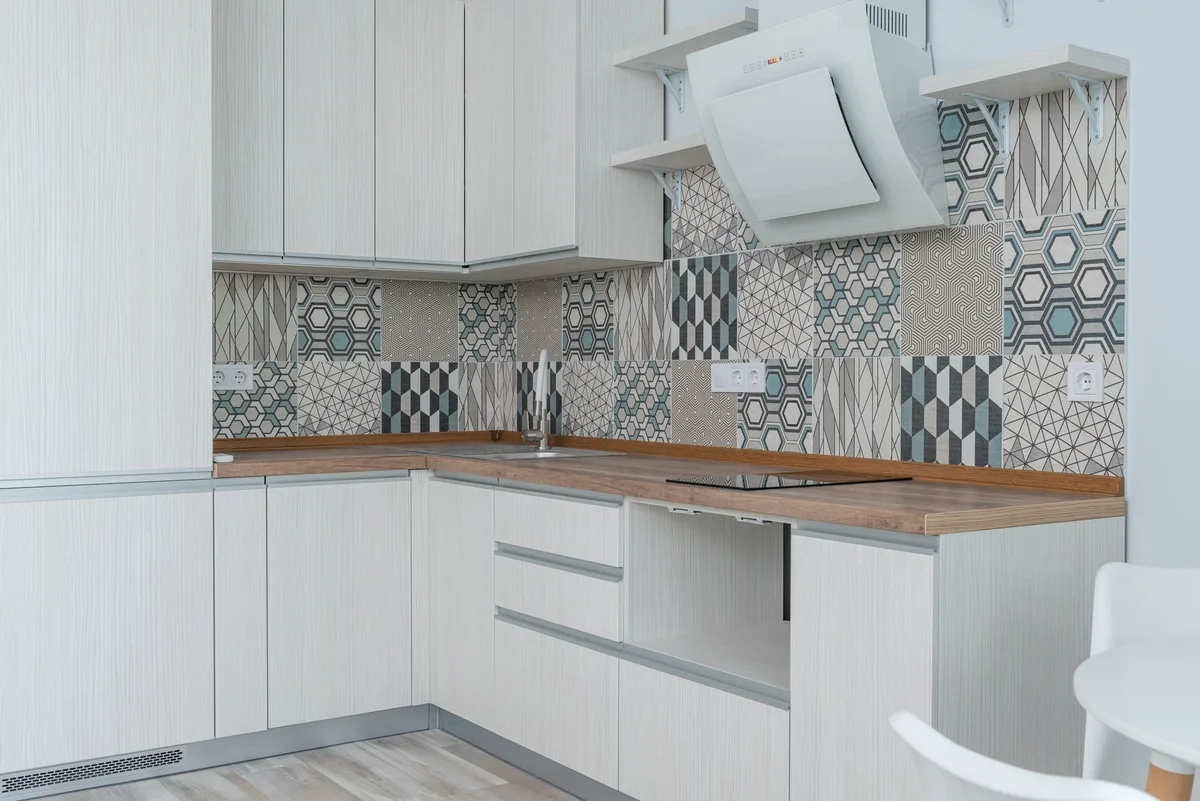
Fans and Motors: The Heart of the Operation
This is where the magic happens. The fan, powered by a motor, is what actually pulls the air from your kitchen up into the hood. The strength of this motor directly impacts how much air the hood can move, often measured in CFM (Cubic Feet per Minute). Higher CFM generally means better performance, especially for powerful cooktops.
Manufacturer specifications for mid-range home units often confirm CFM ratings from 300 to 600 CFM, with powerful models exceeding 900 CFM.
Filters: The Grime Gatherers
These are what do the heavy lifting when it comes to cleaning the air. Most kitchen hoods use either mesh filters or baffle filters, often made of stainless steel, to capture grease. For recirculating (ductless) hoods, there are also charcoal or carbon filters that help absorb odors. Depending on the type, these filters need regular cleaning or replacement to keep the hood working effectively.
Lighting and Controls: Making it Usable
Most hoods include built-in lighting to illuminate your cooking surface, which is a huge practical benefit. The controls allow you to adjust fan speed and turn the lights on and off. These can range from simple push buttons to sleek touchscreens, depending on the model and its features.
Seeing the Big Picture: Common Hood Styles and How They Look
When you're looking at kitchens, you'll notice that hoods come in all shapes and sizes, designed to fit different cooking setups and kitchen aesthetics. The style of hood you choose isn't just about looks; it also impacts how effectively it captures airborne cooking byproducts.
Under-Cabinet Hoods: The Classic Choice
These are mounted directly underneath your kitchen cabinets, directly above the stove. They're often a more budget-friendly and easier-to-install option, and they blend in well with standard cabinetry. They can be ducted or ductless.
Wall-Mount Hoods: Sleek and Prominent
Also known as chimney hoods, these are mounted on the wall above your range. They typically have a prominent vertical chimney that extends up to the ceiling or against the wall. They offer a modern look and can come in various widths and finishes.
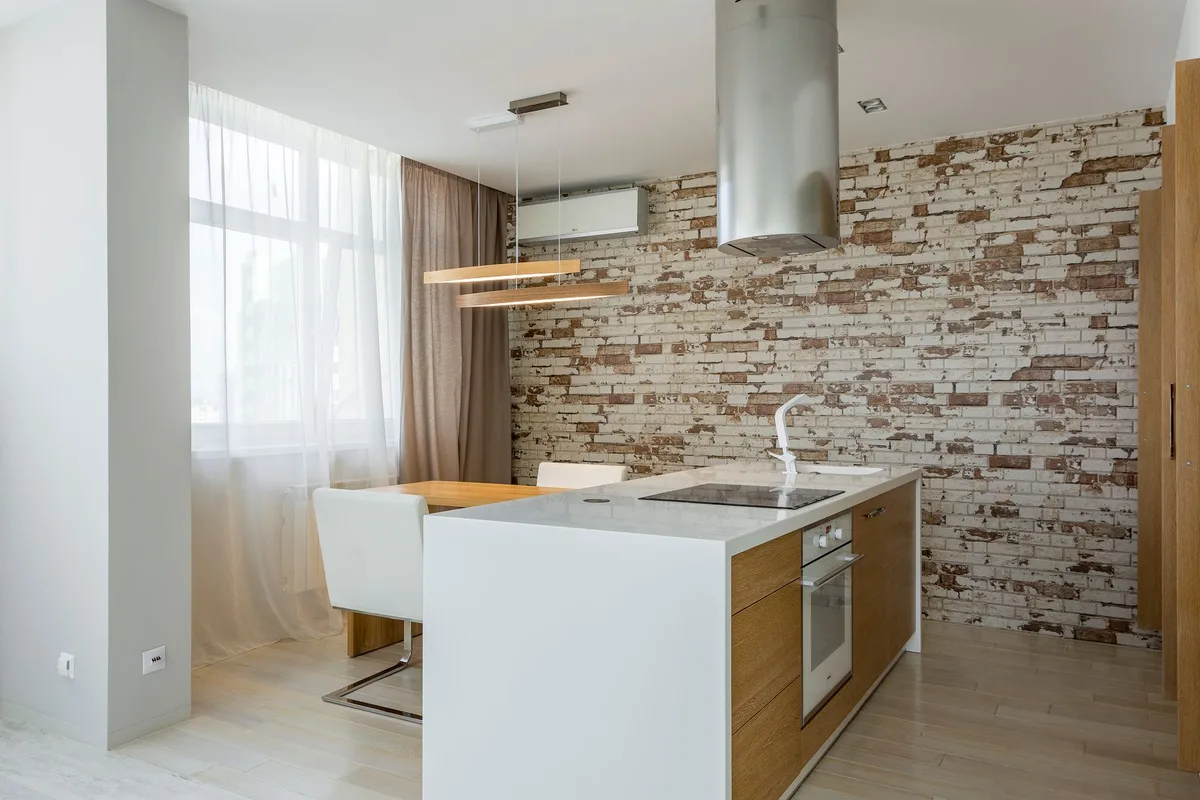
Island Hoods: Kitchen Centerpiece
Designed for kitchens with a cooktop on a central island, these hoods are mounted to the ceiling. Their purpose is as much decorative as functional, often becoming a focal point of the kitchen design. Because they're not enclosed by cabinets, they need to be well-designed to effectively capture smoke and grease from all sides.
Downdraft Systems: When Space is Tight
Downdraft ventilation systems are built directly into the cooktop itself or the countertop behind it. They rise up when needed and retract when not in use. These are a good solution when a traditional overhead hood isn't feasible due to cabinet placement or ceiling height, though their effectiveness can sometimes be debated compared to overhead models.
Real-Life Kitchens: Hoods in Action
Seeing how kitchen hoods perform in actual kitchens drives home their value. You've probably walked into a friend's house right after they've been cooking something strong, like fish or curry, and the smell still hangs heavy in the air. That's often a sign that the ventilation isn't quite up to snuff.
On the flip side, you've likely also been in kitchens that smell remarkably fresh, even after a serious cooking session. This is where a well-chosen and properly functioning range hood makes a noticeable difference. It’s the unsung hero keeping your living space pleasant.
Kitchens That Sparkle (Thanks to Good Hoods)
Imagine a kitchen where you can grill indoors or stir-fry without filling the room with smoke. That's the power of a good hood. Properly installed and powerful enough for the cooking being done, these systems don't just vent, they actively improve the air quality. You'll notice less persistent grease buildup on surfaces, meaning less scrubbing and more shine.
It’s about maintaining a clean, inviting environment day in and day out.
Kitchens That Stink (When Hoods Fall Short)
A common scenario where hoods fall short is when they're underpowered for the type of cooking. If you frequently sear steaks or deep-fry, but your hood has a low CFM rating, the smoke and odors won't be effectively captured. This leads to that lingering smell that clings to upholstery and curtains. Another issue is when ductless hoods rely on saturated carbon filters, which can't absorb any more odors and just recirculate the smells.
Hoods vs. Other Air Cleaners: What's the Difference?
When we talk about keeping kitchen air clean, it’s easy to wonder how a hood stacks up against other solutions. While air purifiers can help with general airborne particles and odors, they aren't designed to handle the intense, localized output of cooking. Range hoods are specifically engineered for the grease, heat, and steam that cooking produces right at the source.
This targeted approach is crucial. An air purifier in the corner of the room is going to struggle to catch grease droplets before they settle on your backsplash. The real advantage of a hood is its proximity and direct capture capability.
Range Hoods: Direct Source Capture
Range hoods are positioned directly above the cooking surface. This strategic placement allows them to intercept smoke, steam, and grease as it's released. This prevents these byproducts from circulating throughout the entire kitchen and beyond. Their primary function is ventilation and filtration of cooking emissions.
Air Purifiers: Broader Air Quality Improvement
Air purifiers, on the other hand, are more general-purpose. They draw in air from a wider area and use filters (often HEPA for particles and activated carbon for odors) to clean it. While they can help reduce the general ambient odor in a kitchen, they simply cannot match the effectiveness of a properly sized range hood at removing the intense, localized output from cooking. They are complementary, not substitutes, for effective kitchen ventilation.
Who Needs a Range Hood? Cooking Scenarios That Matter
So, who really benefits most from having a range hood, and what kind of cooking makes one a must-have? If you're someone who enjoys cooking, especially if you use a gas range or cook at high heat, you'll see the biggest advantage.
Think about the dishes you make. Are you searing, frying, or stir-frying often? These methods generate a lot more smoke, grease, and steam than, say, boiling pasta or making oatmeal. People who cook often for their families, or perhaps even dabble in home-based food prep for local sales, will find the air quality benefits significant.
The daily grind of cooking can quickly make a kitchen feel stale and greasy without proper ventilation.
- Frequent Searing & Frying: If you love a good steak or enjoy deep-fried foods, the grease and smoke output is high.
- Gas Stove Users: Gas stoves produce combustion byproducts in addition to steam and grease, making ventilation even more critical.
- Small, Enclosed Kitchens: In smaller spaces, cooking odors and steam can become overwhelming quickly.
- Health-Conscious Individuals: Reducing exposure to airborne grease and cooking fumes is beneficial for respiratory health.
- Home Cooks Who Entertain: Keeping your kitchen smelling fresh makes guests feel more welcome.
What Can Go Wrong: Hood Mistakes to Avoid
Even with a great range hood, you can run into issues if it's not the right fit for your kitchen or if it's not used correctly. These mistakes can mean you're not getting the performance you paid for, leading to frustration and a less-than-ideal kitchen environment.
Not Enough Power for Your Stove
This is a really common pitfall, pairing a low-powered hood with a high-powered stove, especially a gas range. For example, installing a 300 CFM hood over a professional-grade gas range that outputs a lot of heat and combustion byproducts is just asking for trouble. The hood won't be able to keep up, leading to smoke and odors lingering in the air. Manufacturer specifications often recommend CFM ratings based on the heat output of the cooktop; for instance, a 30,000 BTU gas burner might require a significantly higher CFM hood than a standard electric element.
Wrong Hood Style for Your Kitchen Layout
Choosing the wrong style of hood for your kitchen setup can also be a major misstep. If you have low cabinets and opt for a bulky island hood that requires a lot of clearance, it simply won't fit or function correctly. Similarly, if you try to install a powerful ducted hood but can't vent it outside due to structural limitations, you'll have to opt for a ductless unit, which has its own set of performance trade-offs. It's about matching the hood's design to your kitchen's architecture and your cooking habits.
Kitchen Hoods vs. Other Air Cleaners: What's the Difference?
When we talk about keeping kitchen air clean, it’s easy to wonder how a hood stacks up against other solutions. While air purifiers can help with general airborne particles and odors, they aren't designed to handle the intense, localized output of cooking. Range hoods are specifically engineered for the grease, heat, and steam that cooking produces right at the source.
This targeted approach is crucial. An air purifier in the corner of the room is going to struggle to catch grease droplets before they settle on your backsplash. The real advantage of a hood is its proximity and direct capture capability.
Range Hoods: Direct Source Capture
Range hoods are positioned directly above the cooking surface. This strategic placement allows them to intercept smoke, steam, and grease as it's released. This prevents these byproducts from circulating throughout the entire kitchen and beyond. Their primary function is ventilation and filtration of cooking emissions.
Air Purifiers: Broader Air Quality Improvement
Air purifiers, on the other hand, are more general-purpose. They draw in air from a wider area and use filters (often HEPA for particles and activated carbon for odors) to clean it. While they can help reduce the general ambient odor in a kitchen, they simply cannot match the effectiveness of a properly sized range hood at removing the intense, localized output from cooking. They are complementary, not substitutes, for effective kitchen ventilation.
Who Needs a Range Hood? Cooking Scenarios That Matter
So, who really benefits most from having a range hood, and what kind of cooking makes one a must-have? If you're someone who enjoys cooking, especially if you use a gas range or cook at high heat, you'll see the biggest advantage.
Think about the dishes you make. Are you searing, frying, or stir-frying often? These methods generate a lot more smoke, grease, and steam than, say, boiling pasta or making oatmeal. People who cook often for their families, or perhaps even dabble in home-based food prep, will find the air quality benefits significant.
The daily grind of cooking can quickly make a kitchen feel stale and greasy without proper ventilation.
- Frequent Searing & Frying: If you love a good steak or enjoy deep-fried foods, the grease and smoke output is high.
- Gas Stove Users: Gas stoves produce combustion byproducts in addition to steam and grease, making ventilation even more critical.
- Small, Enclosed Kitchens: In smaller spaces, cooking odors and steam can become overwhelming quickly.
- Health-Conscious Individuals: Reducing exposure to airborne grease and cooking fumes is beneficial for respiratory health.
- Home Cooks Who Entertain: Keeping your kitchen smelling fresh makes guests feel more welcome.
What Can Go Wrong: Hood Mistakes to Avoid
Even with a great range hood, you can run into issues if it's not the right fit for your kitchen or if it's not used correctly. These mistakes can mean you're not getting the performance you paid for, leading to frustration and a less-than-ideal kitchen environment.
Not Enough Power for Your Stove
This is a really common pitfall, pairing a low-powered hood with a high-powered stove, especially a gas range. For example, installing a 300 CFM hood over a professional-grade gas range that outputs a lot of heat and combustion byproducts is just asking for trouble. The hood won't be able to keep up, leading to smoke and odors lingering in the air. Manufacturer specifications often recommend CFM ratings based on the heat output of the cooktop; for instance, a 30,000 BTU gas burner might require a significantly higher CFM hood than a standard electric element.
Wrong Hood Style for Your Kitchen Layout
Choosing the wrong style of hood for your kitchen setup can also be a major misstep. If you have low cabinets and opt for a bulky island hood that requires a lot of clearance, it simply won't fit or function correctly. Similarly, if you try to install a powerful ducted hood but can't vent it outside due to structural limitations, you'll have to opt for a ductless unit, which has its own set of performance trade-offs. It's about matching the hood's design to your kitchen's architecture and your cooking habits.
Kitchen Hoods vs. Other Air Cleaners: What's the Difference?
When we talk about keeping kitchen air clean, it’s easy to wonder how a hood stacks up against other solutions. While air purifiers can help with general airborne particles and odors, they aren't designed to handle the intense, localized output of cooking. Range hoods are specifically engineered for the grease, heat, and steam that cooking produces right at the source.
This targeted approach is crucial. An air purifier in the corner of the room is going to struggle to catch grease droplets before they settle on your backsplash. The real advantage of a hood is its proximity and direct capture capability.
Range Hoods: Direct Source Capture
Range hoods are positioned directly above the cooking surface. This strategic placement allows them to intercept smoke, steam, and grease as it's released. This prevents these byproducts from circulating throughout the entire kitchen and beyond. Their primary function is ventilation and filtration of cooking emissions.
Air Purifiers: Broader Air Quality Improvement
Air purifiers, on the other hand, are more general-purpose. They draw in air from a wider area and use filters (often HEPA for particles and activated carbon for odors) to clean it. While they can help reduce the general ambient odor in a kitchen, they simply cannot match the effectiveness of a properly sized range hood at removing the intense, localized output from cooking. They are complementary, not substitutes, for effective kitchen ventilation.
Who Needs a Range Hood? Cooking Scenarios That Matter
So, who really benefits most from having a range hood, and what kind of cooking makes one a must-have? If you're someone who enjoys cooking, especially if you use a gas range or cook at high heat, you'll see the biggest advantage.
Think about the dishes you make. Are you searing, frying, or stir-frying often? These methods generate a lot more smoke, grease, and steam than, say, boiling pasta or making oatmeal. People who cook often for their families, or perhaps even dabble in home-based food prep, will find the air quality benefits significant.
The daily grind of cooking can quickly make a kitchen feel stale and greasy without proper ventilation.
- Frequent Searing & Frying: If you love a good steak or enjoy deep-fried foods, the grease and smoke output is high.
- Gas Stove Users: Gas stoves produce combustion byproducts in addition to steam and grease, making ventilation even more critical.
- Small, Enclosed Kitchens: In smaller spaces, cooking odors and steam can become overwhelming quickly.
- Health-Conscious Individuals: Reducing exposure to airborne grease and cooking fumes is beneficial for respiratory health.
- Home Cooks Who Entertain: Keeping your kitchen smelling fresh makes guests feel more welcome.
What Can Go Wrong: Hood Mistakes to Avoid
Even with a great range hood, you can run into issues if it's not the right fit for your kitchen or if it's not used correctly. These mistakes can mean you're not getting the performance you paid for, leading to frustration and a less-than-ideal kitchen environment.
Not Enough Power for Your Stove
This is a really common pitfall, pairing a low-powered hood with a high-powered stove, especially a gas range. For example, installing a 300 CFM hood over a professional-grade gas range that outputs a lot of heat and combustion byproducts is just asking for trouble. The hood won't be able to keep up, leading to smoke and odors lingering in the air. Manufacturer specifications often recommend CFM ratings based on the heat output of the cooktop; for instance, a 30,000 BTU gas burner might require a significantly higher CFM hood than a standard electric element.
Wrong Hood Style for Your Kitchen Layout
Choosing the wrong style of hood for your kitchen setup can also be a major misstep. If you have low cabinets and opt for a bulky island hood that requires a lot of clearance, it simply won't fit or function correctly. Similarly, if you try to install a powerful ducted hood but can't vent it outside due to structural limitations, you'll have to opt for a ductless unit, which has its own set of performance trade-offs. It's about matching the hood's design to your kitchen's architecture and your cooking habits.