
Ever wonder how your favorite food shows up at your doorstep seemingly out of thin air, often from a place you've never seen? Chances are, you've encountered a ghost kitchen, even if you didn't know it. Think of it as the behind-the-scenes operation of the restaurant world, where the focus is squarely on making food, not on the traditional dining experience.
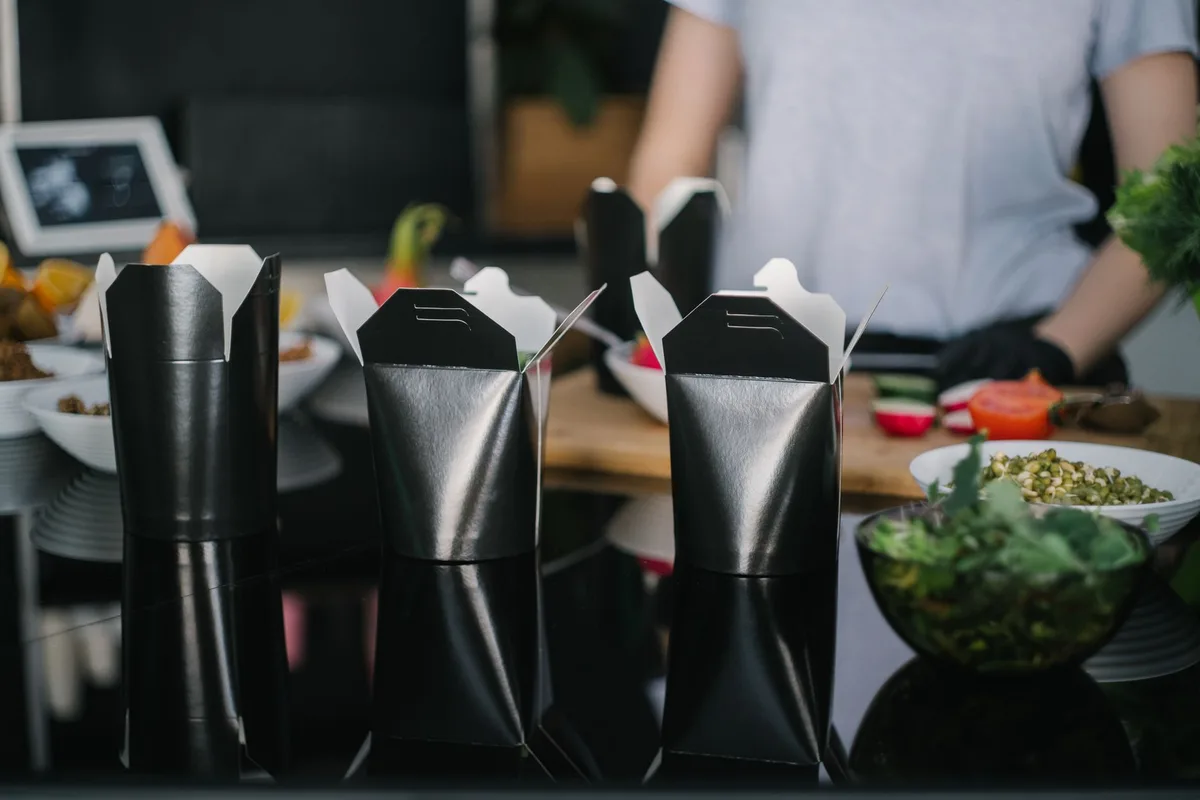
At its heart, a ghost kitchen is a professional food preparation and cooking facility set up solely for the preparation of delivery-only meals. There's no storefront, no tables, no waiters, just a kitchen designed for efficiency and volume. These places are often home bases for multiple restaurant brands, sometimes even brands that don't exist as brick-and-mortar establishments anywhere else. They are a cornerstone of modern food service, especially as consumer habits shift towards convenience.
Core Explanation: The "Delivery-Only" Restaurant
A ghost kitchen, also widely known as a cloud kitchen or dark kitchen, is essentially a commercial kitchen space optimized for fulfilling online orders for food delivery. It's a specialized facility where restaurants, or even entirely new virtual brands, prepare meals exclusively for delivery drivers to pick up and take to customers.
How Ghost Kitchens Work
The operational model is straightforward. Customers use food delivery apps or a restaurant's own online ordering system to place an order. This order is then transmitted to the ghost kitchen, where chefs and kitchen staff prepare the food. Once ready, it's handed off to a delivery driver, who brings it directly to the customer's door.
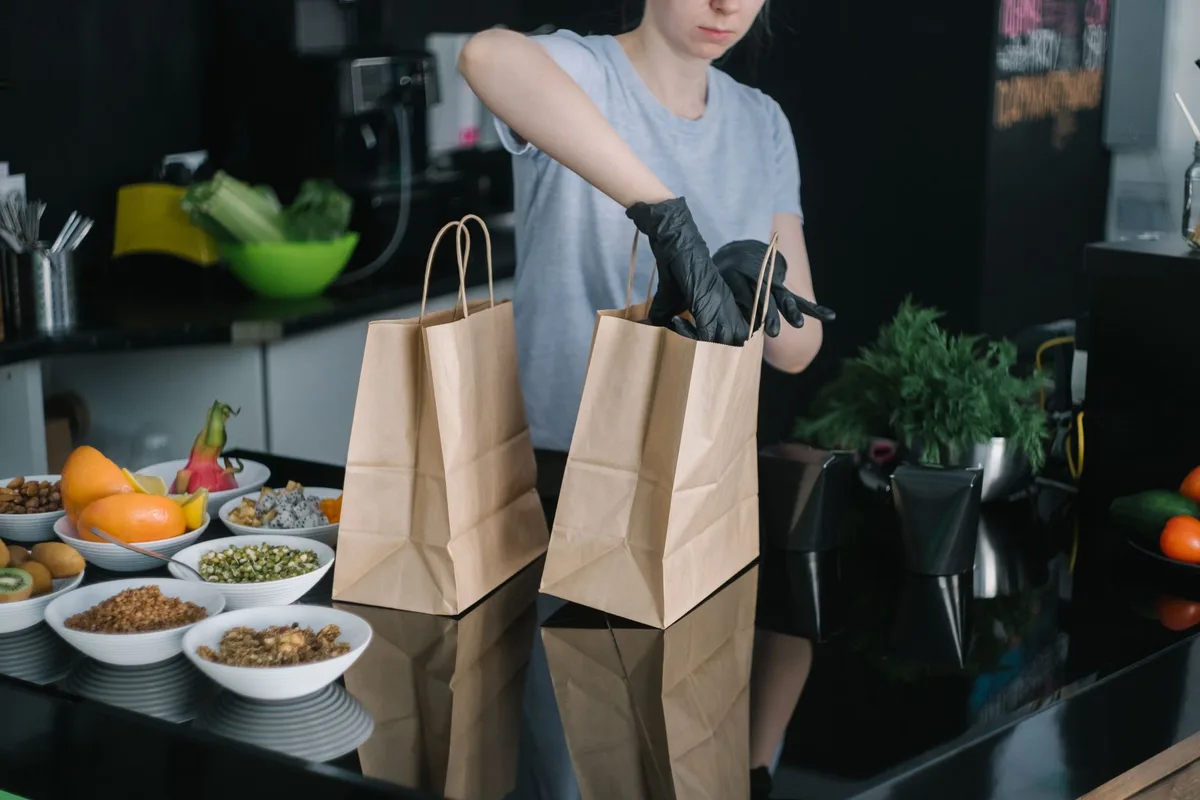
Multiple brands can operate out of a single ghost kitchen. This typically involves dividing the space into smaller, dedicated prep and cooking stations, each representing a different brand. This setup allows for efficient use of resources, kitchen equipment, and staff. For instance, one station might be making pizzas for "Pizza Express," while another churns out burgers for "Burger Joint," all under one roof.
Benefits of Running a Ghost Kitchen
The appeal of the ghost kitchen model is undeniable, largely due to its significant cost advantages and operational flexibility. These kitchens are tailor-made for the digital age of food consumption.
Lower Overhead, Higher Reach
One of the biggest draws is the reduced financial burden compared to a traditional restaurant. You bypass the hefty costs associated with a prime retail location, dining room setup, and a large front-of-house staff. This means less initial investment and lower ongoing operational expenses.
Manufacturer specifications for commercial kitchen equipment often emphasize durability and efficiency, which are paramount in these high-volume environments. These facilities can also serve a broader geographic area than a single physical restaurant, reaching more potential customers through various delivery zones.
Flexibility to Test New Concepts
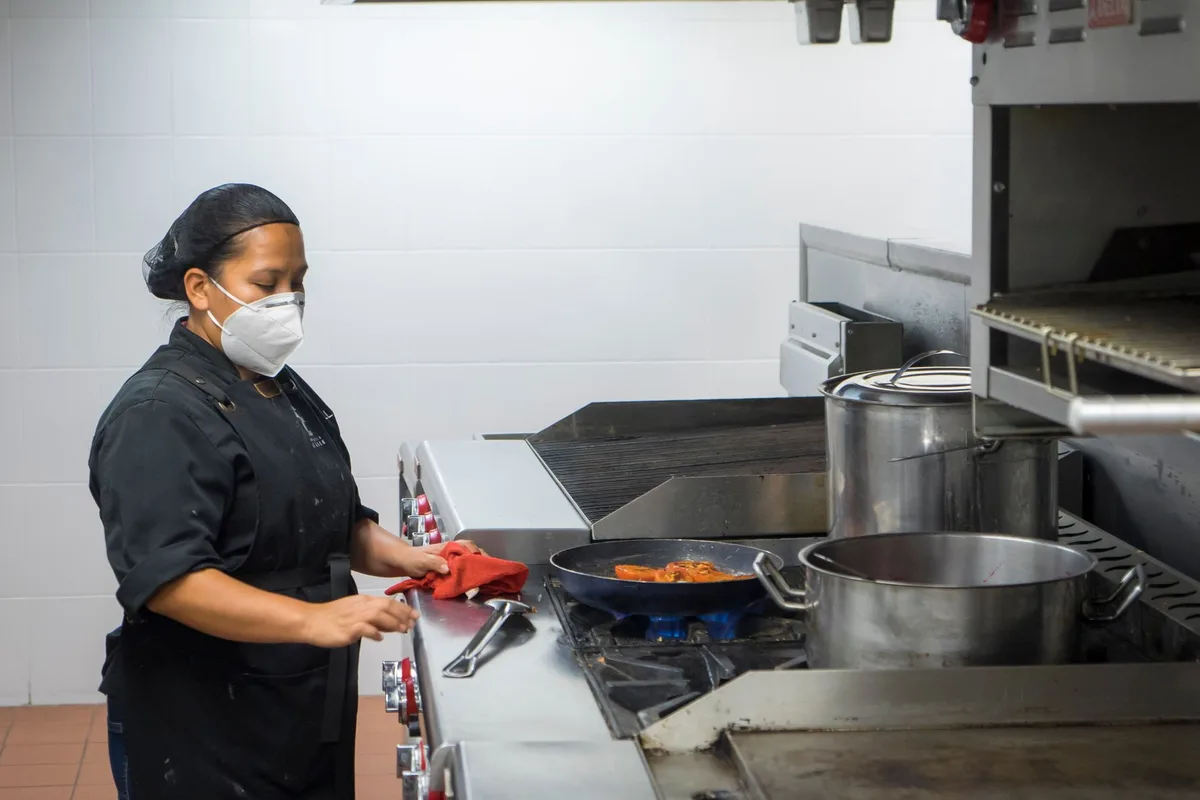
Ghost kitchens offer an agile platform for culinary innovation. Entrepreneurs and established businesses alike can launch new virtual restaurant brands or tested menu items without the massive risk and commitment of opening a full-scale restaurant. This allows for rapid iteration based on customer feedback and market trends, making it easier to adapt.
For example, if a new poke bowl concept proves popular through delivery, an operator can scale up that brand within their existing ghost kitchen infrastructure. Conversely, if a concept doesn't gain traction, it can be phased out with minimal financial loss, a stark contrast to the challenges of closing a physical restaurant.
Potential Drawbacks and Challenges
While the ghost kitchen model offers many advantages, it's not without its hurdles. Addressing these challenges is crucial for long-term success.
Navigating Delivery Platform Dependence
A significant reliance on third-party food delivery platforms like DoorDash, Uber Eats, or Grubhub is a reality for most ghost kitchens. These platforms provide access to a vast customer base, but they also come with commission fees that can eat into profit margins. As of 2026, these fees often range from 15% to 30% per order, a substantial cost.
Operators must carefully balance the need for visibility on these platforms with the desire to manage costs. Building a strong direct-to-consumer ordering channel through a restaurant's own website or app can help mitigate this dependence, though it requires a significant marketing effort.
Maintaining Food Quality in Transit
Ensuring that food arrives at the customer's door in the same pristine condition it left the kitchen is paramount. This involves careful consideration of packaging materials, food types, and preparation methods. Some items, like delicate pastries or crispy fried foods, can degrade quickly during delivery.
This challenge requires ongoing research into optimal packaging solutions and menu engineering that favors items that travel well. It's a constant balancing act between creativity on the menu and practicality for delivery logistics.
Who Are Ghost Kitchens For?
Ghost kitchens aren't a one-size-fits-all solution; they are particularly beneficial for specific types of businesses and entrepreneurs. Understanding who can best leverage this model is key to its successful implementation.
Entrepreneurs and New Food Concepts
For aspiring restaurateurs or culinary innovators, ghost kitchens represent a significantly lower barrier to entry. They allow individuals to test business ideas with a fraction of the capital required for a traditional restaurant. This means focusing on the quality of the food and the efficiency of the kitchen without the overwhelming overhead of a dining space.
For example, someone with a passion for artisanal baked goods could start a virtual bakery brand operating from a shared kitchen space, baking and selling online without the need to rent a cafe. This greatly reduces the financial risk associated with launching a new venture.
Established Restaurants Expanding Delivery
Existing restaurants looking to expand their reach or cater to demand in areas far from their physical location can leverage ghost kitchens effectively. Instead of opening a new full-service restaurant, they can establish a ghost kitchen to serve a specific neighborhood or demographic with their popular menu items.
This can also be a strategy to alleviate pressure on the main kitchen during peak hours. For instance, a busy downtown restaurant might set up a ghost kitchen in a suburban area to handle a surge of delivery orders in that zone, ensuring a better experience for both delivery and dine-in customers.
Common Ghost Kitchen Mistakes to Avoid
Many aspiring ghost kitchen operators fall into predictable traps. Understanding these common errors can save significant time, money, and frustration down the line.
- Underestimating Delivery Platform Fees: Relying too heavily on third-party apps without a clear strategy to manage their high commission rates can cripple profitability. Operators need to factor these costs meticulously into their pricing.
- Poor Menu Engineering for Delivery: Offering dishes that don't travel well or require complex assembly upon arrival leads to customer dissatisfaction and increased waste. The menu must be designed with transit in mind.
- Neglecting Brand Identity: Without a physical presence, building a strong brand can be challenging. Operators must invest in compelling online marketing, high-quality photography, and consistent branding across all digital touchpoints.
- Inadequate Kitchen Space: Overcrowding a kitchen, especially when housing multiple brands, can lead to inefficiencies, cross-contamination risks, and slow order fulfillment. Proper spatial planning is critical.
- Ignoring Customer Feedback: Failing to actively solicit and respond to customer reviews and feedback can hinder improvement and damage a brand's reputation in the online space.
Safety, Legal, and Compliance Considerations
Operating a ghost kitchen involves more than just cooking great food; it requires strict adherence to health, safety, and legal regulations. These are non-negotiable aspects that ensure public well-being and the legality of your business. Governing bodies like the Food and Drug Administration (FDA) provide guidelines, and local health departments enforce them rigorously.
Failure to comply can result in hefty fines, temporary or permanent closure, and severe damage to your brand's reputation. This is why understanding and implementing best practices is crucial from day one.
Key Regulatory Requirements
- Food Handler Permits: All staff handling food must obtain appropriate food handler permits, which usually require completing a basic food safety course. This ensures everyone understands fundamental hygiene practices.
- Health Department Inspections: Ghost kitchens are subject to regular inspections by local health departments. These inspections evaluate everything from food storage temperatures and sanitation to pest control and proper waste disposal.
- Business Licenses: You'll need the standard business licenses required for any food service operation, which vary by city and state. This includes permits for operating a commercial kitchen.
- Zoning Laws: While ghost kitchens don't have public-facing storefronts, they must still comply with local zoning regulations regarding commercial operations. Ensure your chosen location permits this type of business activity.
- Allergen Labeling: Clear and accurate allergen information must be provided with orders, just as it would be for a traditional restaurant. This is a critical safety and legal requirement for consumer protection.
Ghost Kitchens vs. Traditional Restaurants: Key Differences
The fundamental distinction between a ghost kitchen and a traditional restaurant lies in their customer interaction and operational focus. While both prepare food, their business models diverge significantly.
| Feature | Ghost Kitchen | Traditional Restaurant |
|---|---|---|
| Customer Interface | Primarily online (delivery apps, websites) | In-person dining, takeout, and often delivery |
| Physical Space | Kitchen facility only; no dining area | Dining room, kitchen, and possibly bar area |
| Staffing | Kitchen staff, delivery drivers (may be outsourced) | Kitchen staff, front-of-house staff (servers, hosts) |
| Overhead Costs | Lower (no rent for prime real estate, fewer staff) | Higher (rent, décor, extensive staffing, utilities) |
| Marketing Focus | Digital presence, delivery app visibility | Local advertising, ambiance, word-of-mouth, digital |
| Operational Goal | Maximize delivery efficiency and volume | Provide a full dining experience and delivery |
This comparison highlights how ghost kitchens streamline operations by removing the complexities of the dine-in experience. They cater specifically to the demand for convenient, at-home food consumption.
The Future of Food Delivery Operations
The evolution of ghost kitchens is intrinsically linked to the growth of food delivery services and changing consumer preferences. As technology advances and more people opt for the convenience of having meals delivered, the ghost kitchen model is poised to become even more prevalent.
We're seeing a trend towards "hyper-local" ghost kitchens, strategically placed in dense urban neighborhoods to reduce delivery times and costs. Some operators are also exploring ways to integrate more seamless customer experiences through dedicated apps and loyalty programs, blurring the lines between ghost and traditional models. The ongoing innovation in delivery logistics and kitchen technology will continue to shape this dynamic sector.
Emerging Trends
- Subscription Models: Some ghost kitchens are experimenting with meal subscription services, offering regular deliveries of curated meals.
- Data Analytics: Increased use of data to understand customer behavior, optimize menus, and predict demand. Aggregated sales data from multiple brands can reveal valuable market insights.
- Technology Integration: Smart kitchen technology, AI-powered order management systems, and advanced packaging solutions are becoming more common.
- Sustainability: A growing emphasis on eco-friendly packaging and waste reduction practices.
The sector is far from stagnant, and anticipating these shifts is key for businesses looking to thrive in the coming years. The adaptability of the ghost kitchen concept makes it a resilient part of the future food industry.
What the Data Suggests
Market research indicates a steady increase in the global ghost kitchen market size. Projections suggest continued expansion as more culinary entrepreneurs and established brands recognize the model's efficiency and profitability potential. Factors like increased smartphone penetration and internet access globally are driving this growth. The demand for diverse and convenient food options delivered directly to consumers remains a powerful market force.