Wearever cookware did not simply disappear overnight. Its business passed through several owners, and its once-famous name became less visible as the cookware market changed.
In American kitchens, a good pot or pan can last for decades. Many families still have aluminum saucepans, frying pans, and stockpots that once belonged to a parent or grandparent. Wearever was one of the names that helped make aluminum cookware a familiar part of everyday cooking in the United States.
The story began in the early 1900s, when aluminum was gaining ground as a useful material for household goods. Wearever grew under the Aluminum Cooking Utensil Company and later became associated with Alcoa. In 1982, Alcoa sold the business to Mirro. The brand then went through further business changes, including a 2006 acquisition involving Groupe SEB and a separate 2006 agreement by Lifetime Brands to acquire certain Wearever business assets from Global Home Products.
So, what happened to Wearever cookware? The clearest answer is that its ownership and market presence changed over time. Older pieces can still be found through vintage sellers and resale marketplaces, while some newer products have also carried the name. However, the continued appearance of a brand name does not prove that every historic product line remains in production or that a single company still supports every old pan.
How Wearever Cookware Became an American Household Name
Wearever rose during a period when aluminum was becoming more practical for everyday household products. Aluminum offered several useful qualities: it was relatively light, resisted rust, and transferred heat well. These features made it appealing to families who wanted cookware that was easier to handle than many heavy iron pots.
The brand’s early history is closely tied to the Aluminum Cooking Utensil Company. Historical records from the Senator John Heinz History Center describe how the Pittsburgh Reduction Company, later known as Alcoa, promoted new uses for aluminum. In 1901, successful cookware production led to the formation of a dedicated cookware subsidiary, which adopted the Wear-Ever name.
The company sold everyday items such as coffee pots, tea kettles, pans, and juicers. Its products reached customers through retail stores and door-to-door sales. This approach helped introduce aluminum cookware to households that might not otherwise have considered the material.
The name itself suggested lasting use. It was a strong message for buyers who wanted to purchase a pot once and use it for years. Still, a name that promises durability is not proof that every item will last forever. Actual service life depends on the metal, design, care, heat exposure, and condition of each piece.
Source: i.pinimg.com
Lightweight construction
Aluminum pans are generally easier to lift and move than many cast-iron alternatives of similar size.
Useful heat transfer
Aluminum conducts heat well, making it suitable for saucepans, skillets, kettles, and other common cooking tools.
Broad household appeal
The range included practical items for preparing meals and drinks, rather than only specialty cookware for professional kitchens.
Why Aluminum Was Important
Before lightweight aluminum cookware became widely available, many households relied on heavier metal pots and pans. Aluminum offered a different balance of weight, heat transfer, and ease of cleaning. That combination helped make it a major material in American cookware.
Bare aluminum has limits, however. It can scratch, dent, and react with some acidic foods. Manufacturers later developed different finishes and coatings to address some of these concerns. As a result, the words Wearever cookware can describe products with very different materials and cooking surfaces.
Early aluminum
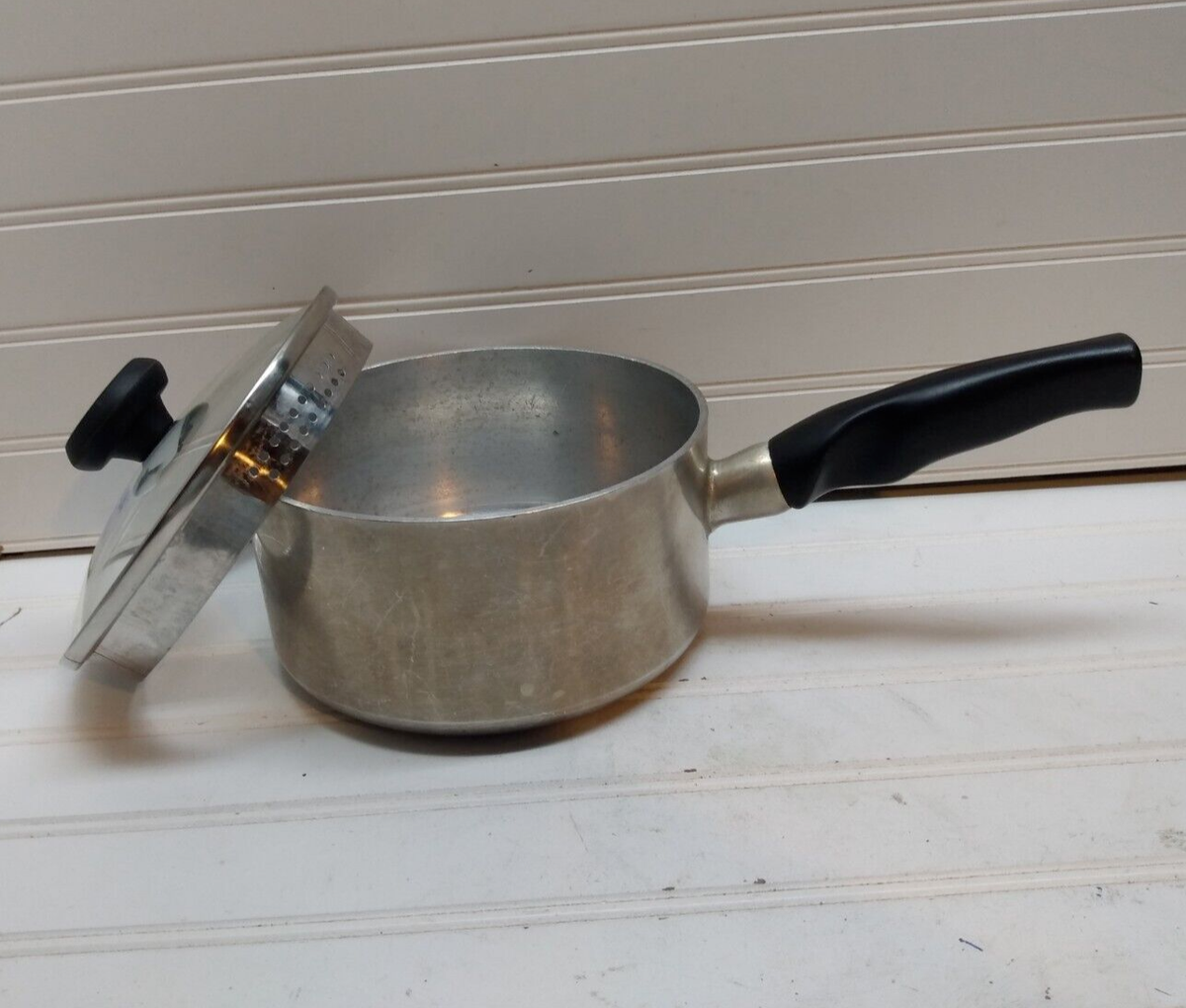
Many vintage pieces use exposed aluminum, which needs different care from a coated nonstick pan.
Later designs
Some later products used stainless steel components or coated cooking surfaces, so the brand name alone does not identify the construction.
What Happened to Wearever Cookware Over the Years?
Wearever’s story is best understood as a series of ownership and business changes, not one sudden shutdown. The historical record documents several important events. Those events help explain why a once-familiar name became harder to find in some American cookware aisles.
In 1982, Alcoa sold the Wearever business to Mirro. Mirro was already associated with household cookware, so the change placed Wearever within another established cookware business. The brand’s products and business operations later became part of wider corporate transactions.
Groupe SEB’s corporate history records its 2006 acquisition of Mirro WearEver in the United States. Separately, Lifetime Brands announced on July 7, 2006, that it had signed an agreement to acquire certain assets comprising the Wearever cookware and bakeware businesses from Global Home Products. The announcement also explained that Global and certain affiliates had filed for bankruptcy protection in April 2006.
These records refer to different business transactions and should not be collapsed into a claim that one company acquired every Wearever asset in a single simple transfer. The exact business, asset, and brand rights involved can differ. The announcements establish important ownership events, but they do not, on their own, establish the current owner of every trademark or the status of every product line.
The practical outcome is clearer than the full corporate chain. Wearever lost much of its former prominence as a standalone cookware name. Some products bearing the name continued to appear in retail or resale channels, while older lines became more closely associated with collectors and family cookware collections.
Source: i.ebayimg.com
Early 1900s
The Aluminum Cooking Utensil Company developed the Wear-Ever cookware business as aluminum gained wider household use.
1982
Alcoa sold the Wear-Ever business to Mirro, according to historical records from the Senator John Heinz History Center.
2006
Groupe SEB recorded an acquisition of Mirro WearEver, while Lifetime Brands separately announced an agreement to acquire certain Wearever cookware and bakeware assets from Global Home Products.
Later years
The name became less prominent as a standalone American cookware brand, and older pieces continued to circulate through secondhand markets.
Did Wearever Go Out of Business?
The question needs a careful answer because a brand name, a manufacturing business, and a legal company are not the same thing. A company can sell a product line, transfer its assets, stop manufacturing a particular model, or keep a trademark while changing its business strategy.
The documented ownership changes help explain the brand’s changing presence, but they do not prove that every Wearever product stopped being made on one specific date. Nor do they prove that all products sold under the name today come from the same manufacturer.
For buyers, the safest conclusion is that the historic Wearever cookware business changed substantially. If you are considering a current listing, check the exact model, seller, packaging, manufacturer details, and warranty terms rather than relying on the name alone.
What is documented
Historical records describe the early cookware business, the 1982 sale to Mirro, and significant 2006 corporate transactions.
What is not established by those records alone
A single final production date for all Wearever cookware, the current status of every product line, or the current legal ownership of every related mark.
Why Did Wearever Become Less Visible?
Wearever became less visible as the cookware market changed and the brand passed through corporate transitions. The available historical records support that broad explanation, but they do not identify one single cause for its reduced prominence. It would be misleading to blame the change on one product defect, one recall, or one business decision without evidence.
Cookware is also a crowded market. American shoppers can choose among stainless steel, cast iron, carbon steel, ceramic-coated products, and several types of nonstick cookware. Brands compete through price, design, retail access, warranties, and marketing. A familiar name can lose shelf space even when its older products remain useful.
Corporate ownership changes can also affect how a brand is presented. A company may focus on selected product categories, change distribution, or invest in other names in its portfolio. These are possible business mechanisms, not proof of a specific internal decision about Wearever.
The distinction matters because consumers sometimes assume that a brand disappeared after a safety failure. The available history reviewed for this article does not establish a single cookware safety incident as the reason for Wearever’s reduced visibility. A specific recall claim would need to be checked against an official notice identifying the product and the reason for the action.
Source: kitchenbap.com
Changing consumer preferences
Shoppers now compare cookware by coating type, induction compatibility, cleaning needs, and other features as well as by brand.
Changes in ownership
Corporate transfers can change the way a product line is sold, supported, or promoted.
More competing choices
Established and newer brands compete for retail space and consumer attention.
No proven single cause
The historical evidence does not establish that one specific product failure or recall caused the brand’s reduced prominence.
Was Wearever Cookware Recalled?
A decline in brand visibility is not evidence of a recall. A recall is a specific action concerning an identified product or group of products. To verify one, a buyer needs the exact model or identifying details and an official notice from the relevant authority or manufacturer.
The ownership records discussed here do not establish a blanket recall of Wearever cookware. That does not rule out every possible product-specific notice across the brand’s long history. If you suspect a defect, stop using the affected item until you can assess the problem and check any applicable official notices.
Check the exact item
Record any model number, label, stamped mark, or other identifying information.
Use authoritative records
Check relevant official recall databases and manufacturer notices rather than relying on a seller’s statement or an online rumor.
Can You Still Buy Wearever Cookware?
Yes, Wearever cookware can still appear in secondhand listings and online marketplaces. Vintage pieces may be offered by estate-sale sellers, antique dealers, auction sites, and people clearing out family kitchens. Some listings may also use the name for more recent products.
Availability is not the same as continuous production. A marketplace listing may be for a decades-old saucepan, a used frying pan, an unopened old set, or a newer item carrying the same name. These products can differ in construction, performance, and condition.
If you want a vintage piece for display or collecting, its appearance and historical interest may matter most. If you want cookware for daily meals, give more weight to the cooking surface, condition, fit with your stove, and ease of cleaning. A low price is less attractive if the pan is warped or its coating is damaged.
Before buying, ask the seller for clear pictures of the cooking surface, base, handles, rivets, lid, and any manufacturer marks. Request the model number if one is available. If the seller cannot confirm the age or material, treat those details as unknown rather than accepting a confident but unsupported description.
Source: i.pinimg.com
Vintage aluminum pans
Useful for collectors and some cooking tasks when the pan is in sound condition and its material and care needs are understood.
Stainless steel pieces
May offer a different balance of maintenance, durability, and cooking behavior. Inspect joints, handles, and the base before buying.
Coated frying pans
Need closer inspection because worn or peeling cooking surfaces can make a used pan unsuitable for further cooking.
Complete vintage sets
Can be attractive for display, but missing lids, loose handles, and damaged pieces may reduce their practical value.
How to Identify a Vintage Wearever Pan
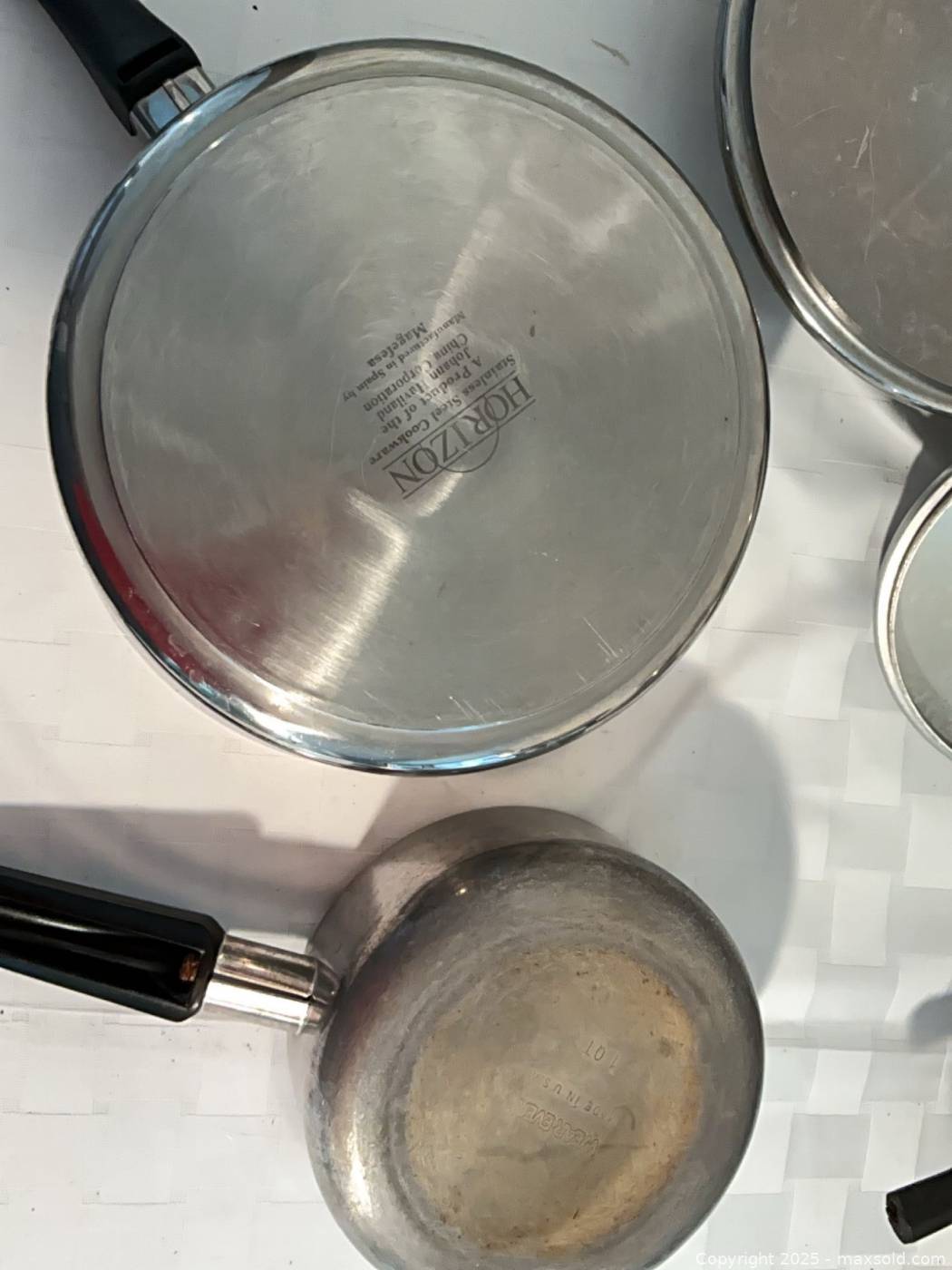
Start with the markings on the bottom or handle. Older products may carry Wear-Ever or Wearever branding, a country-of-origin mark, a model number, or the name of a company associated with the item. These marks can help narrow down the period, but one mark may not be enough to date a piece precisely.
Next, compare the pan’s shape and construction with dated museum records, historical catalogs, and well-documented examples. A seller’s listing title is not the same as a verified manufacturing record. If you plan to insure or sell a rare piece, seek a specialist’s opinion rather than assigning a date based only on its appearance.
Photograph the markings
Take clear pictures of all stamped or printed words, numbers, logos, and labels.
Check the construction
Note the metal, handle design, rivets, lid shape, and finish.
Compare reliable records
Use historical collections and catalogs when available, and keep uncertain dates labeled as estimates.
Is Old Wearever Cookware Safe to Use?
The safety of an old Wearever pan depends on its material, surface, and current condition. Age alone does not prove that a pan is unsafe, but a familiar brand name does not guarantee that an old piece is suitable for cooking today. Inspect the item before use and identify the cooking surface as well as you can.
Bare aluminum cookware deserves special care when preparing acidic or salty foods. Ingredients such as tomatoes, vinegar, and lemon juice can react with exposed aluminum under some cooking conditions. The reaction may affect taste or appearance and can increase the amount of aluminum that moves into food. If the pan’s manufacturer guidance is unavailable, choose another suitable vessel for long cooking sessions involving highly acidic ingredients.
Coated cookware raises a different concern. If a nonstick or other surface is peeling, flaking, blistering, or badly scratched, do not assume that it is safe because the pan once belonged to a respected brand. Replace a pan with a deteriorating coating when the condition prevents safe, intended use.
Also inspect the handles, rivets, base, and rim. A loose handle can cause a hot pan to fall, while a badly warped base may sit unevenly on the stove. A cracked, deeply damaged, or unstable piece should not return to routine cooking simply because it has sentimental value.
If you cannot identify the coating or determine whether a damaged surface is suitable for use, reserve the piece for display until you can verify its construction. For everyday cooking, a sound pan with known materials and clear care instructions is the more practical choice.
Source: i.pinimg.com
Look for surface damage
Check for peeling, flaking, deep scratches, blisters, corrosion, and unusual discoloration.
Test the structure visually
Look for loose handles, damaged rivets, sharp edges, cracks, and a badly warped base.
Match the pan to the food
Avoid prolonged cooking of acidic foods in exposed aluminum when the pan’s instructions do not recommend it.
Do not guess about coatings
If you cannot identify the surface or its condition, do not use the pan for food until you have enough information.
Does Old Aluminum Cookware Need Special Care?
Yes. Bare aluminum can discolor and may react with certain foods, so its cleaning and cooking needs differ from those of stainless steel. Follow any surviving manufacturer instructions and avoid harsh cleaning methods that could damage the finish.
Do not assume that every silver-colored pan is bare aluminum. Some cookware combines several metals or has a coated surface. Look for product markings and construction details before choosing a cleaning method or deciding which foods to prepare in it.
Use suitable utensils
Avoid rough handling that could gouge a cooking surface, especially when its material is uncertain.
Clean with care
Use a method suited to the identified metal or coating instead of aggressive scouring by default.
Retire damaged cookware
Do not continue using a pan with an unstable handle, serious structural damage, or a deteriorating coating.
What Is Vintage Wearever Cookware Worth?
There is no single value for vintage Wearever cookware. A common used saucepan may have modest resale value, while a rare, well-preserved piece or a complete set may attract more interest. The item’s age, design, condition, completeness, and local demand all affect what a buyer may pay.
A listing price is only an asking price. It does not prove that a buyer paid that amount. For a better estimate, compare completed sales of the same or a closely similar item, rather than relying on a seller’s highest advertised price.
Condition often matters more than a seller’s claim that a pan is old. Deep dents, a warped base, damaged handles, missing lids, and worn coatings can reduce usefulness. On the other hand, an unusual design, a documented history, or a complete set in strong condition may make an item more appealing to collectors.
If you are selling, clean the piece gently without removing original marks or damaging its finish. Photograph the logo, base, interior, handle attachments, and any defects. Describe what you know and label uncertain dates or materials as unverified.
Source: cdn-d12srav5gxm0re.maxsold.com
Condition
A sound, clean piece generally has more practical appeal than one with loose parts, serious wear, or structural damage.
Rarity and design
Unusual designs or less common product types may attract collectors, but rarity should be verified.
Completeness
Matching lids, original accessories, and a complete set can improve buyer interest.
Comparable sales
Use completed sales of similar items to estimate market value rather than treating active listings as proof of worth.
Should You Keep or Replace an Old Set?
Keep an old set if it has practical or sentimental value and the pieces remain fit for their intended use. You may choose to keep sound pans for cooking while preserving damaged or unusual pieces as display items. There is no need to discard every old pan solely because the brand has changed owners.
Replace a piece when damage, an unknown coating, an unstable handle, or poor performance creates a practical problem. If you only want a decorative reminder of family history, a worn pan can still have meaning without being used on the stove.
Keep
Sound cookware with identifiable materials, stable handles, and a surface suitable for its intended use.
Display
Historically interesting or sentimental pieces that are damaged or unsuitable for food preparation.
Replace
Cookware with serious structural damage, loose parts that cannot be safely repaired, or a deteriorating cooking surface.
What to Check Before Buying Newer Wearever Cookware
If you find a newer product sold under the Wearever name, judge the specific item rather than assuming it matches a vintage pan. The name may appear on products with different coatings, materials, and designs. Ask for the manufacturer’s details and the model number if they are available.
Check whether the cookware works with your stove. Many aluminum pans are not suitable for induction cooktops unless they include a compatible magnetic base. A pan can look sturdy and still fail to work on an induction range, so confirm compatibility before buying.
Read the care instructions as well. Some pans allow oven use within a stated temperature range, while others have handles or coatings that limit oven use. Dishwasher suitability can also differ. Do not rely on a general claim about the brand when the specific model’s instructions are available.
Finally, review the seller’s return policy and warranty terms. Older stock may have been stored for years, and secondhand items may not qualify for the same support as new products. Keep the receipt and product details in case you need to contact the seller.
Source: i.ebayimg.com
Material
Confirm whether the pan is aluminum, stainless steel, coated aluminum, or another construction.
Stove compatibility
Check the product instructions for gas, electric, glass-top, or induction use.
Oven and dishwasher limits
Follow the specific model’s temperature limits and cleaning instructions.
Warranty and returns
Verify who sells the product, who supports it, and which terms apply to your purchase.
Does Wearever Cookware Work on Induction Stoves?
Not every Wearever pan will work on induction. Induction cooktops need a compatible magnetic cooking base, and many traditional aluminum pans do not have one. Some products use a magnetic stainless steel layer or another induction-ready base.
Check the exact product instructions before buying. If the manufacturer identifies the base as induction-compatible, follow that guidance. A magnet sticking to the bottom can be a useful preliminary check, but the product’s specifications remain the better source for compatibility.
Look for an induction symbol
Check the packaging or product instructions for a clear indication of induction compatibility.
Check the base
Look for information about a magnetic layer or induction-ready construction.
How Wearever Fits Into Cookware History Today
Wearever remains a useful name to know when exploring the history of American household cookware. Its early aluminum products helped show how a relatively light metal could serve everyday cooking needs. Historical museum collections also preserve examples of the brand’s broader range of household goods.
The brand’s story also illustrates why product names can outlast the original business structure. A name may move between owners, appear on different generations of products, and remain familiar to collectors long after its peak retail visibility. The name alone cannot tell a buyer who made a specific item or how it should be used.
For people who enjoy vintage kitchenware, Wearever can offer a connection to the history of American cooking. For people who simply need a dependable pan, the more useful questions are about construction, condition, cooking needs, compatibility, and current support.
The best approach is to separate history from present-day buying decisions. Historical records can establish that the brand existed and changed hands. They cannot replace an inspection of the pan in front of you or confirm the current warranty for a product listed online.
Source: kitchenbap.com
For collectors
Historical marks, design details, and condition can help establish the interest and potential value of a piece.
For home cooks
Material, surface condition, stove compatibility, and care instructions matter more than brand nostalgia.
For researchers
Museum records and corporate histories provide a stronger foundation than undated marketplace descriptions.
What the Historical Record Can and Cannot Tell You
Museum records and corporate announcements provide documented evidence of Wearever’s past. The Senator John Heinz History Center describes the early business and the sale to Mirro in 1982. Groupe SEB’s history and Lifetime Brands’ 2006 announcement record later business events.
These sources are useful because they identify specific companies and dates. They do not establish a complete production history for every model, a universal end date for manufacturing, or the safety of every vintage item. Those questions require product-specific records or a direct inspection.
Documented history
The early aluminum cookware business and several major ownership events are supported by historical and corporate records.
Product-specific questions
Exact manufacturing dates, present support, and safe use require details about the individual piece.
Frequently Asked Questions
Q
What happened to Wearever cookware?
Wearever went through several ownership and business changes. The brand began as an American aluminum cookware name, became associated with Alcoa, passed to Mirro in 1982, and appeared in major corporate transactions in 2006. Its later history is more complex than a single shutdown date, and the name became less prominent as a standalone cookware brand.
Q
Who owns Wearever cookware now?
The historical record identifies several past business owners and transactions, but those records alone do not establish the current legal owner of every Wearever trademark, product line, or related asset. For a current product, check the manufacturer and seller details on its packaging or official listing. For trademark ownership, consult the relevant official trademark records.
Q
Is Wearever cookware still being made?
The available historical records do not establish one definitive end date for all Wearever cookware production. Products bearing the name can appear in online listings, but that does not prove every older range remains in production. Confirm the exact model, manufacturing information, and current availability with the seller or manufacturer.
Q
Is vintage Wearever cookware worth anything?
Some vintage Wearever pieces have resale or collector value, but there is no universal price. Condition, design, rarity, completeness, and demand all matter. Compare completed sales for the same or a similar item, and remember that an asking price is not proof of what buyers actually paid.
Q
Is old Wearever aluminum cookware safe?
It depends on the construction and condition. Inspect the pan for damage, loose handles, deep scratches, corrosion, and worn coatings. Bare aluminum can react with acidic foods under some conditions. If the cooking surface is deteriorating or the material cannot be identified, do not use the item for food until you can establish that it is suitable.
Q
Did Wearever cookware disappear because of a recall?
The historical ownership information reviewed for this article does not establish a blanket recall as the cause of the brand’s reduced visibility. A product-specific recall question needs an exact model or identifying mark and an official notice. Do not treat a brand’s reduced retail presence as proof of a safety incident.
Q
Can I use Wearever cookware on an induction cooktop?
Only if the particular pan has a compatible induction-ready base. Traditional aluminum cookware often does not work directly on induction, although some newer designs use magnetic material in the base. Check the exact product instructions before purchasing or using it on an induction stove.
✦ Wrapping Up
Conclusion
Wearever cookware did not vanish because of one clearly documented event. It developed from an early American aluminum cookware business, passed through several ownership changes, and eventually lost much of its former visibility as a standalone name. Historical records identify major changes, including Alcoa’s sale to Mirro in 1982 and significant business transactions in 2006.
The name still matters to collectors and families who own older pots and pans. Yet the history of a brand cannot tell you whether a specific pan is safe, compatible with your stove, or worth its asking price. Those decisions depend on the item itself, its construction, its condition, and the quality of the information supplied by the seller.
If you already own a Wearever pan, inspect it before use and identify its cooking surface. If you are shopping for one, compare the exact model, condition, compatibility, and seller terms. That simple approach lets you appreciate the brand’s history without assuming that every product from every era is the same.
💡 Key Takeaway
Before buying or using Wearever cookware, identify the exact piece, inspect its cooking surface and handles, verify stove compatibility, and compare current seller information with reliable historical records.