
Ever paused mid-scrub and wondered what that little block you're holding is actually made of? It's a good question, right? We use these things day in and day out for everything from washing dishes to wiping down counters. Understanding what goes into your kitchen sponge can actually help you make a better choice for your cleaning needs.
Most sponges you'll find in the cleaning aisle are crafted from synthetic materials, though some plant-based options are readily available. Think of it less like a natural sea sponge gathered from the ocean floor and more like a carefully engineered cleaning tool designed for specific tasks. Per industry standards, materials are chosen for absorbency, durability, and cost-effectiveness.
Cellulose vs. Plastic: What's the Big Difference?
The main materials used in kitchen sponges fall into two broad categories: cellulose and plastics, with polyurethane foam being the most common plastic. These material choices significantly impact how a sponge performs, how long it lasts, and even how it affects the environment when it's time for disposal. Knowing the difference helps you pick the right tool for the job, from tackling dried-on eggs to giving your countertops a quick wipe.
What is Cellulose Made Of?
Cellulose sponges are often what spring to mind when you think of a classic, soft yellow sponge. Cellulose itself is a natural polymer that forms the main structural component of plant cell walls. For sponges, this processed cellulose is typically derived from wood pulp.

These sponges are renowned for their incredible absorbency, capable of soaking up spills and water efficiently. They also tend to have a natural, somewhat rough texture that can help lift grime without being overly abrasive on most surfaces. A significant advantage many cellulose sponges offer is their biodegradability, meaning they can break down more naturally after disposal, which is appealing if you're aiming for a more eco-friendly household. As of 2026, many manufacturers highlight this natural origin.
What is Polyurethane Foam Made Of?
Polyurethane foam is the material behind the vast majority of sponges you see on store shelves, particularly those that are dyed in bright colors. Polyurethane is a versatile polymer created through a chemical reaction between a polyol and a diisocyanate. For sponge production, this foam is engineered to have a specific density and flexibility.
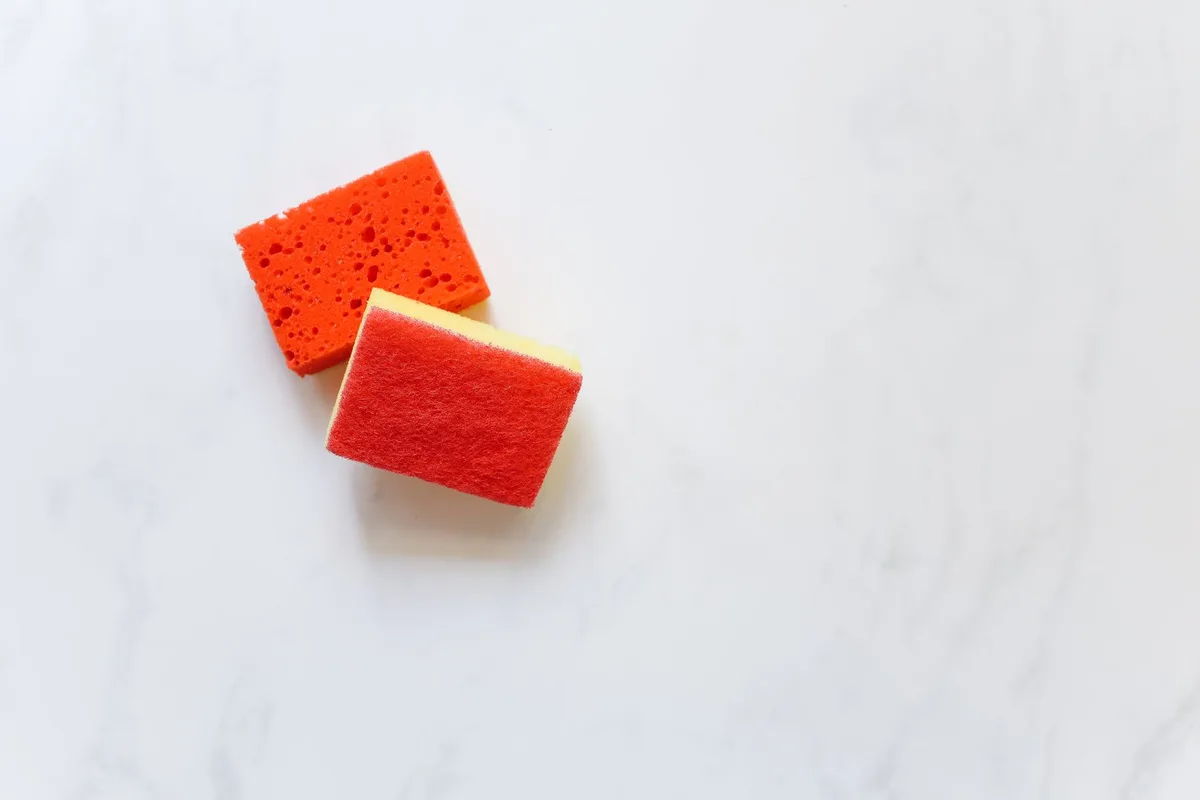
Flexible polyurethane foam is particularly good at holding its shape and wicking up liquids. Its cellular structure can be manipulated during manufacturing to achieve varying levels of softness and pore size, which influences how much water it absorbs and how it feels in your hand. This material is also cost-effective to produce on a large scale, making it a popular choice for everyday cleaning tools.
What About Those Scrubby Sides?
Many popular kitchen sponges come with a dual-sided design: a soft sponge on one side and a more abrasive scrubbing pad on the other. This tougher layer is also generally made from synthetic materials, specifically designed to tackle stubborn messes that the soft side can't handle.
These scrubbing pads are typically constructed from synthetic fibers like polyester or nylon. These fibers are then bonded together with tough resins, creating a durable, scratchy surface. For enhanced scrubbing power, some pads might incorporate hard mineral particles such as silicon carbide or aluminum oxide. These added abrasives give the pad its extra grit for burnt-on food or grime that has hardened onto cookware or dishes.
It's this combination that makes dual-sided sponges so versatile for a range of cleaning tasks.
Cellulose vs. Plastic: What's the Big Difference?
The choice between cellulose and plastic (primarily polyurethane foam) sponges boils down to performance, durability, and environmental considerations. Both have their strengths and weaknesses, making one a better fit than the other depending on your specific needs in the kitchen. Understanding their material composition helps clarify why they clean differently.
- Absorbency: Cellulose sponges are known for high absorbency, similar to polyurethane versions, but their natural fiber structure can sometimes feel more effective at lifting and holding liquids.
- Durability: Sponges made purely from polyurethane foam, especially those with integrated scrub pads, often have a longer lifespan under rigorous use compared to pure cellulose sponges.
- Abrasiveness: Pure cellulose sponges are generally softer and less abrasive, making them ideal for delicate surfaces. Plastic sponges with added scrubbers are designed for tougher jobs but can potentially scratch certain finishes.
- Environmental Impact: Many cellulose sponges are biodegradable, breaking down more readily after disposal. Polyurethane sponges, being synthetic plastics, are not biodegradable and typically end up in landfills, though some manufacturers are exploring recycled or recyclable options.
Cellulose vs. Plastic: What's the Big Difference?
The choice between cellulose and plastic (primarily polyurethane foam) sponges boils down to performance, durability, and environmental considerations. Both have their strengths and weaknesses, making one a better fit than the other depending on your specific needs in the kitchen. Understanding their material composition helps clarify why they clean differently.
- Absorbency: Cellulose sponges are known for high absorbency, similar to polyurethane versions, but their natural fiber structure can sometimes feel more effective at lifting and holding liquids.
- Durability: Sponges made purely from polyurethane foam, especially those with integrated scrub pads, often have a longer lifespan under rigorous use compared to pure cellulose sponges.
- Abrasiveness: Pure cellulose sponges are generally softer and less abrasive, making them ideal for delicate surfaces. Plastic sponges with added scrubbers are designed for tougher jobs but can potentially scratch certain finishes.
- Environmental Impact: Many cellulose sponges are biodegradable, breaking down more readily after disposal. Polyurethane sponges, being synthetic plastics, are not biodegradable and typically end up in landfills, though some manufacturers are exploring recycled or recyclable options.
Performance: How Materials Affect Your Cleaning
The material composition of a kitchen sponge is the primary driver of its cleaning performance. Different materials offer distinct advantages and disadvantages when it comes to absorbency, durability, and the type of cleaning power they provide. Choosing the right sponge means understanding how these attributes play out in your daily kitchen tasks.
Absorbency Explained
Absorbency is a critical function for any kitchen sponge. It's what allows a sponge to soak up spills, hold soapy water during dishwashing, and be useful for general wiping. Cellulose, derived from plant fibers, excels at this due to its porous structure, readily drawing in and holding liquids. Polyurethane foam sponges are also highly absorbent, with their open-cell structure acting like tiny sponges within the sponge itself.
The amount of liquid a sponge can hold before becoming saturated, and how quickly it releases that liquid when squeezed, are key performance indicators that manufacturers test and refine based on material properties.
Durability and Longevity
How long a sponge lasts is directly tied to its material. Pure cellulose sponges, while excellent absorbers, can sometimes wear down or fall apart more quickly with heavy, abrasive use. The plant fibers can break down over time, especially when subjected to vigorous scrubbing. Polyurethane foam sponges, on the other hand, are generally more resilient.
Their plastic-based structure allows them to withstand repeated wringing, scrubbing, and exposure to cleaning agents for a longer period. Sponges with integrated, tough synthetic scrub pads are built for even greater longevity, though the softer sponge side might still wear out first.
Cleaning Power: From Gentle Wipes to Tough Scrapes
The "cleaning power" of a sponge isn't just about soaking up liquid; it's also about its ability to lift and remove debris. Cellulose sponges offer a good balance, they are effective at general wiping and lifting food particles without typically scratching surfaces. For tougher jobs, like dried-on cheese or burnt residue on pots and pans, the material needs to be more aggressive. This is where synthetic scrub pads, often found on dual-sided sponges, come into play.
Their woven synthetic fibers, sometimes enhanced with mineral abrasives like silicon carbide, can scrub away hardened grime. The choice between a gentle wipe and a tough scrape depends entirely on the underlying material used.
Making the Right Choice: Sponges for Every Task
Choosing the right sponge often comes down to matching the material to the specific cleaning challenge at hand. A pure cellulose sponge might be perfect for wiping up a small spill from your counter, while a sponge with a synthetic scrub pad is likely needed for a tough, baked-on mess. It's not a one-size-fits-all situation, and knowing what each material is best suited for can save you time and effort.
When Cellulose Shines
Cellulose sponges really shine when you need something that's highly absorbent and gentle. Their natural fiber structure soaks up liquids quickly, making them excellent for wiping down countertops, cleaning up everyday spills, or washing dishes where you want to avoid scratching. If you're looking for a biodegradable option that performs well for general cleaning duties, cellulose is a fantastic choice. They offer a reliable, soft touch for a variety of kitchen tasks, from wiping away crumbs after a meal to cleaning the outside of your refrigerator.
When Plastic Sponges Are Your Go-To
Polyurethane foam sponges, and especially those with integrated scrubbers, are often the workhorses for more demanding cleaning jobs. Their synthetic makeup provides durability and a more robust scrubbing capability. If you have a pot with stubborn, dried-on food or need to scour a stovetop, the flexibility and resilience of polyurethane, often combined with an abrasive layer, make it highly effective. These are the sponges you reach for when a simple wipe isn't enough and you need something that can tackle tougher grime without instantly disintegrating.
Dual-Sided Sponges: Pros and Cons
Dual-sided sponges offer versatility, combining the gentle absorbency of a soft sponge with the tough scrubbing power of an abrasive pad. The primary benefit is having two cleaning surfaces in one tool, meaning you can tackle lighter tasks with one side and tougher jobs with the other. This can be a real space-saver and convenient for varied cleaning needs.
However, there are potential drawbacks to consider. The tough scrubby side, often made with synthetic fibers and mineral abrasives, can be too harsh for delicate surfaces like non-stick cookware or certain types of countertops, leading to scratches if not used carefully. Additionally, the seam where the two materials meet can sometimes be a point of weakness, potentially leading to the sponge tearing apart over time with frequent, forceful use.
Beyond the Basics: Other Sponge Options
While cellulose and polyurethane dominate the market, other materials and types of sponges exist, each with its own unique characteristics and ideal applications in the kitchen. These alternative options might appeal to specific preferences for natural materials, specialized cleaning, or enhanced eco-friendliness.
Natural Sea Sponges
Natural sea sponges are, quite literally, the dried skeletons of marine animals. They are harvested from the ocean and processed to remove impurities, leaving behind a porous, absorbent structure. These are often considered the most "natural" option available.
- Pros: Highly absorbent, very soft and gentle on surfaces, fully biodegradable.
- Cons: Can be more expensive than synthetic sponges, may not hold up as well to aggressive scrubbing, sourcing can raise environmental concerns if not managed sustainably.
- Best For: Delicate surfaces, applying certain finishes, and for those prioritizing a truly natural material. They are less common for typical kitchen dishwashing due to their cost and durability limitations compared to synthetic options.
Microfiber Sponges
Microfiber sponges typically combine a microfiber cloth face with a sponge core. Microfiber itself is made of very fine synthetic fibers (usually polyester and nylon) that are exceptionally good at trapping dirt, dust, and bacteria. This combination offers a unique cleaning approach.
- Pros: Excellent at picking up fine particles and grease, can provide streak-free cleaning, often washable and reusable.
- Cons: The microfiber cloth side offers little to no scrubbing power for baked-on messes, can be more expensive upfront than basic sponges, requires proper washing to maintain effectiveness.
- Best For: Polishing surfaces, wiping down appliances for a streak-free finish, and general counter cleaning where trapping fine debris is key. They are a good addition to a cleaning toolkit but often need a more robust sponge for heavy-duty dishwashing.