

Is Stainless Steel Cookware Good?
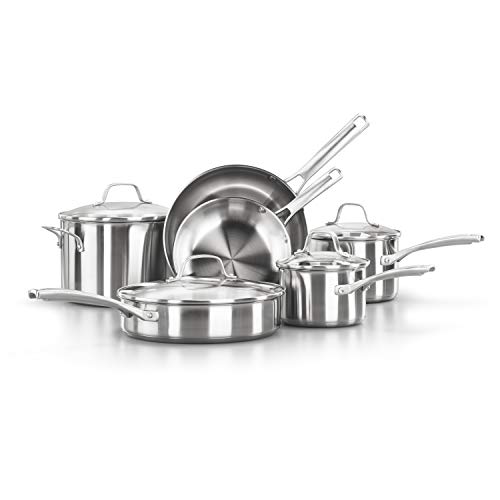
Yes. Stainless steel is a strong choice if you want one pan that can stay in your kitchen for years. It does not have a delicate nonstick coating that can wear away with use. It also handles high heat well and works especially well for browning meat and vegetables. In the stainless steel vs teflon cookware debate, this is the side I would reach for when the goal is deep browning or a good pan sauce.
There is a learning curve. Eggs can stick if the pan is too cold, too hot, or not properly prepared. I find that a little oil and good heat control make a big difference. Once that habit becomes second nature, stainless steel feels less like a stubborn pan and more like a reliable kitchen tool.
What Makes It Stand Out / Key Features
- High Heat UseStainless steel can handle high cooking temperatures well, making it useful for searing and browning.
- Durable SurfaceThe cooking surface does not depend on a nonstick coating, so normal metal utensil use is less of a concern.
- Strong BrowningFood can develop a browned layer that adds flavor and can help build pan sauces.
- Oven FriendlyMany stainless steel pans can move from the stovetop to the oven, but handle and manufacturer limits still matter.
- Easy To MaintainIt needs no special nonstick coating care, although stuck food may need soaking or gentle scrubbing.
- Long Service LifeGood stainless steel cookware can last for many years when cared for properly.
My Recommendation
Consider stainless steel if you cook meat, vegetables, sauces, and one-pan meals often. It also suits cooks who want durable cookware and do not mind learning basic heat control.
| Best For | Why |
|---|---|
| Searing meat | High heat and strong browning make it a natural fit. |
| Long-term cookware | The surface does not rely on a nonstick coating. |
| Pan sauces | Browning can leave flavorful bits that help build sauces. |
Is Teflon Cookware Good?
It depends, but yes for the right jobs. Teflon is a brand name associated with PTFE, a type of nonstick coating. Modern PTFE cookware can make everyday cooking much easier. Eggs slide out. Pancakes flip with less fuss. Fish is less likely to tear when you use the right heat and tools. In the stainless steel vs teflon cookware comparison, this is the easygoing option.
The tradeoff is care and heat. PTFE cookware should be used within the temperature limits set by its maker. I would also use wood, silicone, or other utensils approved for nonstick cookware. A nonstick pan is more like a soft pair of running shoes than a cast-iron boot. It feels great for the right task, but rough treatment can shorten its life.
What Makes It Stand Out / Key Features
- Easy Food ReleaseThe PTFE surface helps food release with less sticking when the pan is used correctly.
- Low Oil CookingThe slick surface can reduce the need for large amounts of cooking oil.
- Easy CleanupLess food usually sticks to the surface, so cleanup can be quick and simple.
- Great For Delicate FoodsEggs, pancakes, crepes, and delicate fish are often easier to handle on nonstick cookware.
- Low Effort CookingIt is forgiving for quick meals when you do not want to spend time managing sticking.
- Light Daily HandlingMany nonstick pans are easy to lift and move, though weight varies by design.
My Recommendation
Consider Teflon or other PTFE nonstick cookware if easy release and fast cleanup matter most. It is especially useful for breakfast foods and delicate ingredients.
| Best For | Why |
|---|---|
| Eggs and pancakes | The nonstick surface makes release simple. |
| Quick weekday meals | It cooks with little fuss and cleans up fast. |
| Low-fat cooking | The slick surface can reduce the need for extra oil. |
stainless steel vs teflon cookware: Side-by-Side Test
The stainless steel vs teflon cookware choice becomes easier when you break it into real kitchen tasks. Neither pan does everything equally well.
Think of stainless steel as a dependable work truck. Think of Teflon as a smooth city car. One is built for hard work and heat. The other makes daily trips feel easy.
Heat Performance: Which Handles More?
Heat is one of the clearest differences in stainless steel vs teflon cookware.
| Feature | Stainless Steel | Teflon |
|---|---|---|
| High heat | Excellent | Limited by manufacturer guidance |
| Searing | Excellent | Fair |
| Browning | Excellent | Limited |
⭐ Stainless Steel – 9/10 | Teflon – 6/10
Stainless steel has the edge when high heat and deep browning matter.
Food Release: Which Sticks Less?
For sticky foods, the stainless steel vs teflon cookware gap becomes easy to see.
| Feature | Stainless Steel | Teflon |
|---|---|---|
| Eggs | Needs technique | Very easy |
| Pancakes | Needs oil and heat control | Very easy |
| Delicate fish | Moderate | Easy |
⭐ Stainless Steel – 7/10 | Teflon – 10/10
Teflon has the edge when easy food release is the main goal.
Durability: Which Lasts Longer?
Durability is a major reason many home cooks compare stainless steel vs teflon cookware.
| Feature | Stainless Steel | Teflon |
|---|---|---|
| Coating wear | No nonstick coating | Coating can wear |
| Metal utensils | Generally suitable | Usually avoid unless approved |
| Long-term use | Excellent | Good with careful use |
⭐ Stainless Steel – 10/10 | Teflon – 7/10
Stainless steel has the edge for long-term durability.
Cleaning: Which Is Easier?
Cleanup can change how often you reach for a pan, especially on busy US weeknights.
| Feature | Stainless Steel | Teflon |
|---|---|---|
| Food release | Can stick | Usually easy |
| Routine washing | Simple | Very simple |
| Burned-on food | May need soaking | Usually easier, but avoid harsh tools |
⭐ Stainless Steel – 8/10 | Teflon – 10/10
Teflon has the edge for fast everyday cleanup.
Delicate Foods: Which Is Easier?
Eggs and fish can expose the practical difference in stainless steel vs teflon cookware.
| Feature | Stainless Steel | Teflon |
|---|---|---|
| Eggs | Requires technique | Easy |
| Crepes | Challenging | Easy |
| Soft fish | Moderate | Easy |
⭐ Stainless Steel – 7/10 | Teflon – 10/10
Teflon has the edge for fragile foods.
Versatility: Which Does More?
When I compare stainless steel vs teflon cookware for the whole kitchen, versatility matters.
| Feature | Stainless Steel | Teflon |
|---|---|---|
| Searing | Excellent | Limited |
| Sauces | Excellent | Good |
| Eggs | Good with skill | Excellent |
| Oven use | Often excellent | Depends on pan and manufacturer |
⭐ Stainless Steel – 9/10 | Teflon – 8/10
Stainless steel covers more cooking styles, while Teflon excels at specific easy-release foods.
Safety And Care: What Matters?
Safe use depends more on correct heat and care than on a simple stainless steel vs teflon cookware label.
| Feature | Stainless Steel | Teflon |
|---|---|---|
| High heat | Generally well suited | Follow manufacturer limits |
| Coating | No PTFE coating | PTFE coating |
| Damaged surface | Usually remains usable with normal care | Consider replacing badly damaged nonstick cookware |
⭐ Stainless Steel – 9/10 | Teflon – 8/10
Both can be used responsibly when you follow the cookware maker’s instructions.
Final Verdict: Which Should You Buy?
The stainless steel vs teflon cookware choice comes down to your cooking style. Stainless steel suits cooks who want high heat, strong browning, broad versatility, and long service life. Teflon suits cooks who want easy release, fast cleanup, and simple low-fat cooking.
If you cook a wide range of meals, stainless steel can serve as the main workhorse. If eggs, pancakes, delicate fish, and quick meals fill your week, a PTFE nonstick pan can be extremely useful. Many kitchens do not need to choose only one. A stainless steel pan and a quality nonstick pan can cover different jobs without competing for the same role.