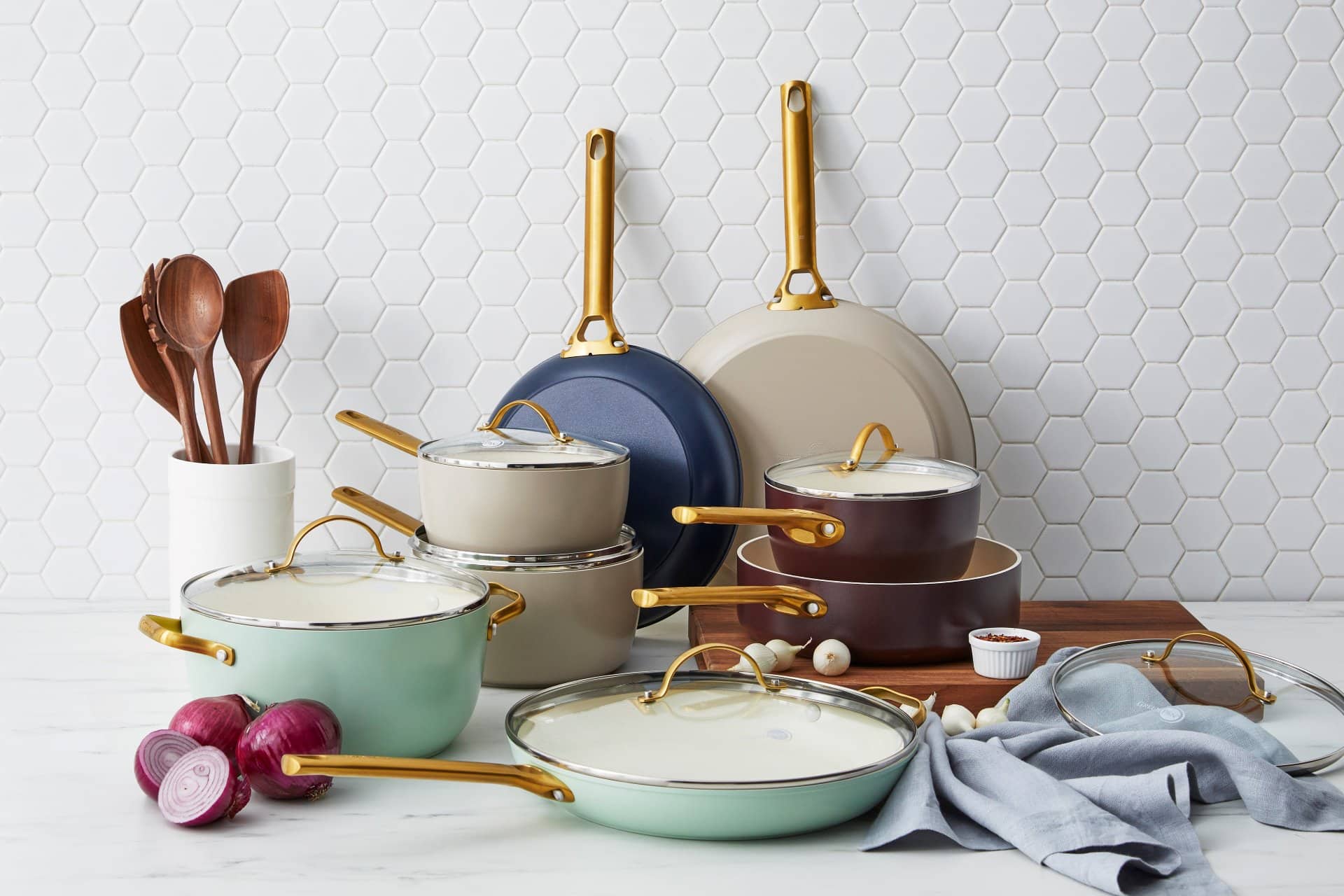
Yes, ceramic cookware can be worth it if you want easy cleanup, convenient low-heat cooking, and a nonstick surface without intentionally added PTFE. However, its coating wears over time, so it may not offer the best long-term value for every kitchen.
Across American kitchens, ceramic cookware has become a popular option for people who want an alternative to traditional nonstick pans. Whether you are making scrambled eggs before work, cooking pancakes on a weekend morning, or preparing a quick dinner after a long day, a ceramic-coated pan can make cooking and cleanup easier.
Still, buying a new cookware set is not a small decision. Some ceramic pans lose their nonstick properties after regular use, while stainless steel and cast iron can serve a household for many years. The right choice depends on what you cook, how often you use your pans, and how much maintenance you are willing to do.
This guide explains what ceramic cookware is, how it performs, whether it is safe, and what you can expect from its lifespan. It also compares ceramic with stainless steel and traditional nonstick cookware so you can decide whether the extra cost makes sense.
Ceramic cookware is a broad term that can describe two different types of kitchen products: solid ceramic pots and pans, and metal cookware with a ceramic-based nonstick coating. Most modern products advertised as ceramic nonstick cookware belong to the second group.
Ceramic-coated pans usually have an aluminum or other metal body. Manufacturers apply a thin coating made from inorganic materials, often using a silica-based sol-gel process. The coating creates a smooth surface that helps food release during cooking.
This construction matters because the pan is not usually made entirely from ceramic. The metal body provides the structure and helps transfer heat, while the ceramic-based layer provides the cooking surface.
Source: mykitchenhints.com
Ceramic-coated cookware
A metal pan covered with a ceramic-based nonstick finish. It is commonly used for frying eggs, cooking vegetables, and making pancakes.
Solid ceramic cookware
Cookware made primarily from fired clay or ceramic material. It may be glazed and can be used for certain baking, roasting, and cooking tasks when designed for those purposes.
Ceramic enamel cookware
A metal body covered with a glass-like enamel layer. This is a different construction from the thin ceramic nonstick coating used on many modern frying pans.
How Does Ceramic Nonstick Cookware Work?
The ceramic-based coating creates a smooth surface that reduces the contact between food and the metal underneath. This makes it easier to move delicate foods around the pan and remove them after cooking.
The nonstick effect is useful, but it is not permanent. Repeated heating, oil buildup, abrasion, and improper cleaning can change the surface. As the finish loses its original properties, food may begin sticking more often.
Unlike an uncoated stainless steel pan, ceramic cookware relies on its surface coating for much of its easy-release performance.
Metal core
Usually provides the pan’s strength and helps spread heat.
Ceramic-based coating
Creates the smooth cooking surface and provides nonstick performance.
Protective exterior
Some models include an additional exterior finish to improve appearance and make cleaning easier.
Is Ceramic Cookware the Same as Teflon?
No. Ceramic nonstick cookware and traditional PTFE nonstick cookware use different coating technologies. PTFE is a fluoropolymer used to create a slippery nonstick surface. Teflon is a well-known brand name associated with PTFE coatings.
Ceramic-based nonstick coatings generally use inorganic materials rather than an intentionally applied PTFE coating. This makes them an option for people who want to avoid PTFE in their cookware.
However, do not assume that every product labeled ceramic is free from every fluorinated chemical. Check the manufacturer’s full material disclosure and look for specific statements about PTFE and PFAS.
The Main Benefits of Ceramic Cookware
Ceramic cookware has several useful qualities, especially for people who want a simple pan for everyday cooking. Its main advantages are easy food release, convenient cleanup, and the availability of products made without intentionally added PTFE.
These benefits are most noticeable when you cook foods that tend to stick. Eggs, pancakes, fish, and soft vegetables can be easier to handle on a well-maintained ceramic surface than on an uncoated metal pan.
Source: learn.surlatable.com
1. Easy food release
A new or well-maintained ceramic pan can release eggs, pancakes, and other delicate foods with less sticking. A small amount of oil or butter may still improve results.
2. Simple cleanup
Food residue often wipes away with a soft sponge and warm soapy water. You may spend less time scrubbing after breakfast or a quick meal.
3. PTFE-free options
Many ceramic nonstick products are marketed as made without intentionally added PTFE. This can appeal to buyers who prefer to avoid fluoropolymer coatings.
4. Convenient everyday cooking
Ceramic pans are useful for common meals such as eggs, grilled sandwiches, vegetables, and fish when used within their recommended temperature range.
5. Attractive designs
Many ceramic cookware products come in different colors and finishes. They can suit kitchens where appearance matters as much as function.
6. Often lightweight
Many aluminum-bodied ceramic pans are easier to lift and move than heavy cast iron cookware. Actual weight depends on the pan’s construction and size.
7. Less need for cooking fat
A good ceramic surface can help food release with a small amount of oil. However, results vary by product and depend on the condition of the coating.
Is Ceramic Cookware Good for Everyday Cooking?
Yes, ceramic cookware can work well for everyday meals if your cooking style matches its strengths. A frying pan can handle breakfast eggs, reheated vegetables, grilled cheese, and light fish dishes.
It is especially useful when you want quick cleanup after cooking. You can often wash the pan with a soft sponge instead of spending several minutes removing stuck food.
However, daily use also means more wear. If you cook several meals every day, the coating may lose its easy-release properties sooner than you expect. For this reason, a ceramic pan works best as part of a cookware collection rather than as your only cooking tool.
The Disadvantages of Ceramic Cookware
The biggest disadvantage of ceramic cookware is that its nonstick performance can decline over time. A pan that releases eggs easily when new may become less effective after months or years of regular use.
This issue affects the overall value. Even if a ceramic pan has a reasonable purchase price, replacing it repeatedly can cost more than buying durable stainless steel cookware once.
Ceramic coatings also require careful handling. High heat, abrasive cleaning tools, and rough storage can shorten their useful life.
Source: modernkitchenguru.com
1. Limited coating lifespan
The cooking surface can gradually lose its nonstick properties. The exact lifespan depends on the product, frequency of use, cooking temperature, and care.
2. Not ideal for high heat
High temperatures can reduce coating performance. Ceramic nonstick pans are generally better suited to low and medium heat than intense searing.
3. Scratches and surface wear
Metal utensils, abrasive pads, and rough cleaning can damage the surface or shorten its useful life.
4. Staining and discoloration
Oil residue and cooked-on food can create stains or a dull appearance. Some buildup may be difficult to remove without damaging the coating.
5. Uneven performance between brands
The quality of the metal body, coating, thickness, and construction varies. A higher price does not guarantee better results.
6. Replacement costs
A worn ceramic pan may need replacing even when its metal body remains usable. This can reduce its long-term value.
7. Limited repair options
Once the nonstick coating is badly damaged or no longer performs well, home repair is generally not a reliable solution.
How Long Does Ceramic Cookware Last?
Ceramic-coated cookware does not have one fixed lifespan. Some pans lose their nonstick performance relatively quickly, while others remain useful for several years with careful handling.
Consumer Reports has explained that the durability of nonstick cookware varies between individual products. Its testing method includes deliberately wearing down the coating and checking how well food releases afterward. This is a more useful way to compare durability than relying only on a brand’s advertised lifespan.
Consumer Reports reported in its 2026 nonstick coverage that GreenPan expected its ceramic coatings to last around two to five years, potentially longer with good care. This is a manufacturer-reported expectation, not a guarantee for every ceramic pan.
A useful buying rule is to treat ceramic cookware as a replaceable nonstick tool rather than a lifetime investment. If you want cookware that can remain in service for decades, consider stainless steel or cast iron.
Frequent high-heat cooking
Can accelerate the loss of nonstick performance.
Gentle daily care
Can help preserve the coating and reduce unnecessary surface damage.
Poor cleaning habits
Abrasive scrubbing and harsh cleaning products may shorten the useful life.
Quality of construction
The coating and metal body both affect overall cooking performance and durability.
Is Ceramic Cookware Worth the Money If It Wears Out?
It can be, but the purchase price should not be your only consideration. Think about how many years you expect to use the pan and how often you will need to replace it.
For example, imagine a hypothetical $40 ceramic frying pan that lasts two years. Its simple purchase cost works out to $20 per year. A hypothetical $100 stainless steel pan that lasts ten years costs $10 per year, before considering cleaning effort or other differences.
These figures are examples, not measured product lifespans or market prices. They show why a low purchase price does not always mean better long-term value.
If easy food release is your main priority, the ceramic pan may still be worth buying. If durability and replacement costs matter more, an uncoated pan may be a better investment.
Is Ceramic Cookware Safe for Your Health?
Ceramic-coated cookware can be a reasonable option when it comes from a reliable manufacturer and is used according to its instructions. However, calling all ceramic cookware completely non-toxic or chemical-free would be misleading.
The term ceramic describes a type of coating or material, not a complete safety certification. Different products can have different ingredients, manufacturing methods, and quality standards.
For people who want to avoid PTFE, ceramic-coated cookware offers an alternative. Many products are specifically made without intentionally added PTFE, but shoppers should verify the claim rather than assume it applies to every item.
Source: housekeepingmaster.com
Check the material disclosure
Look for clear information about the coating and whether the manufacturer states that PTFE or PFAS are intentionally added.
Choose a reliable manufacturer
Buy cookware from an established seller that provides product details, care instructions, and a way to contact customer support.
Follow temperature limits
Avoid overheating ceramic nonstick cookware. Use the heat range recommended by the manufacturer.
Replace badly damaged pans
Do not keep using cookware that is peeling, deeply damaged, or no longer suitable for food preparation.
Does Ceramic Cookware Contain PFAS or PTFE?
Many ceramic nonstick pans are made without intentionally added PTFE. PTFE belongs to the broader PFAS family, a group of chemicals that has received attention because some members persist in the environment.
This is one reason buyers consider ceramic coatings as an alternative to traditional PTFE nonstick cookware. However, product labels can use different terms, so check the exact claim.
A statement such as PFOA-free does not automatically mean PTFE-free or PFAS-free. PFOA is one specific chemical, while PTFE is a different material within the broader PFAS category.
If avoiding these materials is a priority, look for explicit PTFE-free and PFAS-related disclosures. When a manufacturer makes only a limited claim, do not assume it proves the absence of every related substance.
Can Ceramic Cookware Release Harmful Chemicals When Heated?
Ceramic-based coatings are different from PTFE coatings, but that does not mean every ceramic product has been tested under every possible cooking condition.
The safest practical approach is to avoid overheating any coated pan. Do not leave an empty ceramic pan on a hot burner, and do not use temperatures above the manufacturer’s limits.
Also, avoid treating a damaged surface as if it were still in its original condition. If the coating is visibly peeling or deteriorating, stop using the pan and follow the manufacturer’s replacement guidance.
Can Ceramic Cookware Contain Lead or Cadmium?
Lead and cadmium are separate concerns associated with certain ceramic glazes and decorative foodware. They are not the same issue as the ceramic-based coating used on most modern metal nonstick pans.
The FDA warns that some improperly made traditional or imported glazed pottery can release lead into food. It highlights concerns involving antique, handmade, damaged, or poorly documented ceramic items.
This does not mean ordinary factory-made ceramic-coated frying pans are automatically unsafe. It means shoppers should distinguish modern coated metal cookware from traditional glazed pottery and buy food-contact products from reliable sources.
Avoid using decorative ceramic items for cooking or serving food unless they are clearly intended and suitable for food contact. Washing or boiling pottery does not remove lead contamination.
Buy food-grade products
Choose products clearly designed and sold for cooking or food contact.
Avoid unknown decorative pottery
Do not use decorative or souvenir ceramics for preparing, serving, or storing food when their safety is uncertain.
Check damaged glazed surfaces
Avoid using old or badly worn glazed pottery when its material safety cannot be established.
Ceramic vs Stainless Steel vs Traditional Nonstick
Ceramic, stainless steel, and traditional nonstick cookware serve different purposes. No single material is the best choice for every meal.
Ceramic offers convenient food release and an option without intentionally added PTFE. Stainless steel offers durability and better versatility for browning and searing. Traditional PTFE nonstick cookware can provide strong food release, although it requires proper temperature control and careful handling.
The following comparison focuses on the features that matter most when choosing cookware for an American home kitchen.
Source: lickingspoon.com
Cookware Comparison Table
Use this table to match each material with its main strengths and limitations. Individual products can differ based on their construction, coating, and manufacturer instructions.
Ceramic-coated cookware
Best for easy-release cooking, eggs, pancakes, and buyers seeking a nonstick option without intentionally added PTFE. Main limitation: coating wear over time.
Stainless steel cookware
Best for searing, browning, sauces, and long-term use. Main limitation: food can stick if the pan is not heated and used correctly.
Traditional PTFE nonstick cookware
Best for delicate foods and convenient cleanup. Main limitation: requires careful heat management and a coating that can wear over time.
Cast iron cookware
Best for high-heat cooking, searing, and heat retention. Main limitation: weight and regular seasoning or maintenance.
Which Cookware Is Better for Different Cooking Tasks?
For scrambled eggs, omelets, and pancakes, ceramic and traditional nonstick pans are convenient. A well-seasoned cast iron or carbon steel pan can also work, but it requires a different cooking technique.
For steak, burgers, and foods that need a strong browned crust, stainless steel and cast iron are generally better choices. Their uncoated cooking surfaces are more suitable for higher-heat cooking.
For tomato sauce, pan sauces, and meals that involve acidic ingredients, stainless steel is a versatile choice. It is nonreactive under normal cooking conditions and does not depend on a nonstick coating.
For everyday versatility, a small collection of different materials usually works better than a full set made from one material.
Is Ceramic Better Than Stainless Steel?
Ceramic is better when convenient food release and easy cleanup are your main priorities. Stainless steel is better when you want durability, high-heat cooking, and a surface that does not depend on a nonstick finish.
A ceramic pan can make breakfast easier, while stainless steel can handle a wider range of cooking methods. Neither material replaces the other completely.
If you can buy only one pan and want something for long-term general use, stainless steel is often the more practical choice. If you already own durable cookware and need a convenient pan for eggs, ceramic may be a useful addition.
What Foods Are Best to Cook in Ceramic Pans?
Ceramic pans are most useful for foods that benefit from a smooth cooking surface and moderate temperatures. They are particularly convenient for meals that are difficult to turn or remove from an uncoated pan.
The goal is to use the pan for the tasks it handles well instead of expecting it to perform like cast iron or stainless steel.
Source: cookwareninja.com
Eggs and omelets
A ceramic pan can make it easier to cook and remove eggs without leaving large amounts of residue.
Pancakes and French toast
The smooth surface can help batter-based foods release with less sticking.
Fish fillets
Delicate fish can be easier to turn and remove when the coating is in good condition.
Vegetables
Sautéed zucchini, peppers, mushrooms, and other vegetables can cook well over moderate heat.
Grilled sandwiches
A ceramic skillet can handle grilled cheese and similar sandwiches without requiring aggressive scrubbing afterward.
Reheating small meals
A ceramic pan can be useful for gently reheating vegetables and other suitable foods on the stovetop.
What Should You Avoid Cooking in Ceramic Cookware?
Avoid using a ceramic nonstick pan for tasks that require prolonged high heat. Searing steaks, deep-frying at high temperatures, and aggressively browning large quantities of meat are generally better suited to stainless steel or cast iron.
You should also avoid cooking with an empty pan over high heat. Excessive heat can damage the coating even before food is added.
Do not assume that a ceramic-coated pan is suitable for every oven temperature. Check its oven-safe rating, including the limits for the handle, lid, and other components.
How to Make Ceramic Cookware Last Longer
Good care can help preserve the nonstick performance of ceramic cookware. The most useful habits are simple: control the heat, use gentle utensils, clean the pan carefully, and protect its surface during storage.
Think of the coating as a thin protective layer. Rough treatment may not cause obvious damage after one meal, but repeated abuse can shorten its useful life.
Source: cookwareninja.com
1. Start with low or medium heat
Ceramic nonstick pans usually do not need high temperatures. Follow the manufacturer’s recommended heat settings.
2. Avoid heating an empty pan
Add a suitable amount of oil or food before prolonged heating. Never leave an empty pan unattended on a hot burner.
3. Use silicone or wooden utensils
These utensils are gentler on the cooking surface than sharp metal tools.
4. Allow the pan to cool
Let the cookware cool before washing. Sudden temperature changes can stress the pan and may cause warping.
5. Wash with mild soap
Use warm water, ordinary dish soap, and a soft sponge. Avoid steel wool and abrasive cleaning pads.
6. Avoid unnecessary dishwasher use
Even if a manufacturer allows dishwasher cleaning, hand washing may help preserve the coating by reducing exposure to harsh detergent and repeated high-temperature cycles.
7. Store pans carefully
Place a soft pan protector or cloth between stacked cookware to reduce scratching and surface damage.
8. Use cooking oil appropriately
A small amount of suitable cooking oil can help food release. Follow the manufacturer’s instructions and avoid allowing oil to burn onto the surface.
What to Do When Food Starts Sticking
Food sticking does not always mean the pan is completely worn out. Oil buildup, excessive heat, and cooking technique can also affect food release.
Start by washing the pan with warm water and mild dish soap. If residue remains, soak it for a short time and clean gently with a soft sponge.
Allow the pan to dry and try cooking at a lower temperature with a small amount of oil. If the food still sticks regularly, the coating may have lost its original nonstick properties.
Do not use harsh chemicals, steel wool, or aggressive scrubbing to force the surface back to its original condition. If the coating is peeling or badly damaged, replace the cookware.
Food sticks only in certain areas
Check for uneven heating, food residue, or damage to the coating.
Food sticks after several months
The nonstick finish may have gradually lost some of its performance.
Oil creates a sticky film
Baked-on oil may be affecting food release. Clean gently rather than using abrasive tools.
The pan has peeling or flaking areas
Stop using the pan for food preparation and check the manufacturer’s replacement guidance.
How to Choose Ceramic Cookware That Is Worth Buying
The best ceramic cookware is not necessarily the most expensive set. A good purchase should have clear material information, suitable construction, useful cooking features, and reasonable replacement or warranty terms.
Before paying for a complete cookware set, consider whether you actually need every piece. Many households get more value from one or two frequently used ceramic pans combined with durable stainless steel pots.
Source: lickingspoon.com
Check the coating information
Look for clear descriptions of the ceramic-based finish and specific PTFE or PFAS-related claims.
Choose a suitable metal body
Aluminum bodies are common because they transfer heat efficiently. Check the thickness and overall construction.
Check induction compatibility
If you use an induction cooktop, the pan must have a compatible magnetic base. A ceramic coating alone does not make cookware induction-ready.
Review the oven-safe limit
Check the temperature limit for the complete pan, including handles and lids.
Consider the handle design
A comfortable, secure handle makes the pan easier to move when full. Check whether the handle becomes hot during stovetop use.
Read the warranty terms
Find out what the warranty covers, how long it lasts, and whether ordinary coating wear is excluded.
Compare replacement costs
A reasonably priced pan may offer better value than an expensive set if you only need one or two pieces.
Should You Buy a Ceramic Cookware Set or Individual Pans?
Buying individual pans is often the more practical option if you are new to ceramic cookware. It lets you try the material without replacing every pot and pan in your kitchen.
For example, a ceramic frying pan can handle eggs and pancakes, while stainless steel saucepans can handle boiling, sauces, and everyday cooking. A cast iron skillet can take care of high-heat searing.
A complete ceramic set may make sense if you strongly prefer matching cookware and understand that the nonstick surfaces will eventually need replacement. However, do not pay for extra pieces that you rarely use.
Questions to Ask Before Purchasing
A short product check can prevent disappointment after the pan arrives. Look beyond attractive colors and advertising claims.
What exactly is the cooking surface?
Confirm whether it is a ceramic-based nonstick coating, solid ceramic, or ceramic enamel.
Is it suitable for my cooktop?
Confirm compatibility with gas, electric, glass-top, or induction cooking.
What care does it require?
Check the instructions for heat, utensils, washing, and storage.
Can I replace it if the coating fails?
Review the warranty and the seller’s return or replacement policy.
Who Should Buy Ceramic Cookware and Who Should Avoid It?
Ceramic cookware is worth buying when its advantages match your daily cooking habits. It is less attractive when you expect one pan to handle every cooking task for many years.
The decision becomes easier when you focus on your cooking style rather than advertising claims.
Source: learn.surlatable.com
Ceramic cookware may be worth it if:
You frequently cook eggs, pancakes, fish, and vegetables. You want convenient cleanup, prefer a nonstick option without intentionally added PTFE, and are comfortable replacing the pan when its coating wears out.
Ceramic cookware may not be worth it if:
You regularly sear meat at high temperatures, want cookware that can last for decades, dislike replacing coated products, or need a pan for heavy daily cooking.
Consider stainless steel if:
You want a versatile, durable cooking surface for browning, sauces, and everyday meals.
Consider cast iron if:
You enjoy high-heat cooking, want strong heat retention, and do not mind heavier cookware and seasoning.
Consider traditional nonstick if:
Your main priority is easy food release and you are comfortable using a properly maintained PTFE-coated pan according to its instructions.
Is Ceramic Cookware a Good Choice for a Small Kitchen?
It can be. One ceramic frying pan can cover several common cooking tasks without taking up much storage space. This is useful in apartments, small homes, and kitchens with limited cabinets.
However, a full matching set may take up more space than necessary. A compact collection with one ceramic skillet, a stainless steel saucepan, and a larger multipurpose pot can cover many everyday needs.
Is Expensive Ceramic Cookware Always Better?
No. A higher price can reflect design, branding, construction, or warranty terms, but it does not guarantee better nonstick performance or a longer coating lifespan.
Independent durability testing is more useful than price alone. Consumer Reports’ cookware testing evaluates food release, heat distribution, and coating durability under controlled conditions.
Compare actual testing results when available, along with the pan’s materials and warranty. A less expensive product that performs well may be a better purchase than an expensive set with features you do not need.
Ceramic Cookware: A Practical Next-Question Gap Map
Choosing ceramic cookware is only the first step. Buyers also need to understand what happens after purchase, how to maintain the coating, and when replacement makes sense.
The following questions are useful next steps based on the practical decisions involved in buying and using ceramic cookware. They are editorially inferred needs, not verified search-volume or Search Console findings.
Source: modernkitchenguru.com
Question: Does ceramic cookware work on induction?
Reader stage: Before purchase. Basis: An inferred compatibility need. Reviewed coverage: Partly answered. Benefit: Explains that the metal base must be induction-compatible and magnetic.
Question: How do you clean ceramic cookware without scratching it?
Reader stage: After purchase. Basis: An inferred maintenance need. Reviewed coverage: Answered with practical steps. Benefit: Helps prevent avoidable coating damage.
Question: When should you replace ceramic cookware?
Reader stage: During continued use. Basis: An inferred maintenance and safety need. Reviewed coverage: Answered with visible damage and performance warning signs. Benefit: Helps readers avoid using badly deteriorated pans.
Question: Is ceramic cookware better than stainless steel?
Reader stage: Comparing materials. Basis: An inferred purchase decision. Reviewed coverage: Answered with cooking-task comparisons. Benefit: Prevents readers from choosing cookware based on one feature alone.
Question: Is a ceramic cookware set worth buying?
Reader stage: Final purchase decision. Basis: An inferred budget and storage need. Reviewed coverage: Answered through the individual-pan versus set comparison. Benefit: Reduces unnecessary purchases.
The Most Useful Next Step
If you are considering ceramic cookware, start by listing the foods you cook most often. If eggs, pancakes, and other delicate foods are common, one ceramic frying pan may be enough.
If you need a general-purpose cooking surface for searing, sauces, and long-term use, prioritize stainless steel. Choose a combination of materials when your cooking habits require both convenience and durability.
Frequently Asked Questions
Q
Is ceramic cookware worth buying?
Yes, ceramic cookware can be worth buying if you want an easy-to-clean nonstick pan for everyday cooking. It is particularly useful for eggs, pancakes, vegetables, and delicate foods.
However, its coating can wear over time. If long-term durability and high-heat cooking are your main priorities, stainless steel or cast iron may offer better value.
Q
Is ceramic cookware healthier than traditional nonstick?
Ceramic-coated cookware is often made without intentionally added PTFE, which makes it an option for people who want to avoid that material. Traditional PTFE cookware is also designed for safe use within its specified temperature limits.
Neither material should be described as automatically healthier in every situation. Check product disclosures, avoid overheating cookware, and follow the manufacturer’s instructions.
Q
Does ceramic cookware lose its nonstick coating?
Yes. Ceramic nonstick coatings can gradually lose their food-release properties through repeated heating, cleaning, and normal wear.
When food begins sticking regularly despite proper cleaning and cooking methods, the coating may have deteriorated. Peeling or visibly damaged surfaces are reasons to stop using the pan and follow the manufacturer’s replacement guidance.
Q
Can you use metal utensils on ceramic cookware?
It is better to avoid metal utensils on ceramic nonstick cookware. Sharp edges can scratch or damage the surface and may shorten its useful life.
Wooden, silicone, or suitable heat-resistant plastic utensils are generally better choices. Always follow the product’s specific care instructions.
Q
Can ceramic cookware go in the dishwasher?
Some ceramic cookware is labeled dishwasher-safe, but that does not mean dishwasher cleaning is the best choice for long-term coating care.
Hand washing with warm water, mild soap, and a soft sponge is a gentler routine. Check the manufacturer’s instructions before putting a pan in the dishwasher.
Q
Can ceramic cookware be used on an induction stove?
Yes, but only if the cookware has a magnetic base designed for induction cooking. The ceramic coating itself does not provide induction compatibility.
Look for an induction-compatible symbol or product specification. If you are unsure, check the manufacturer’s instructions or test the base with a magnet.
Q
Is ceramic cookware better than cast iron?
Ceramic cookware is generally more convenient for delicate foods and quick cleanup. Cast iron is better for heat retention, searing, and long-term durability.
Choose ceramic if easy food release is your main concern. Choose cast iron if you want a durable pan for high-heat cooking and do not mind its weight and maintenance.
Q
When should I throw away a ceramic pan?
Consider replacing a ceramic pan when its coating is peeling, flaking, deeply damaged, or no longer performs properly. A pan that has warped or become unstable on the cooktop should also be evaluated for replacement.
Do not attempt to restore a badly damaged nonstick coating with abrasive scrubbing or homemade chemical treatments. Follow the manufacturer’s guidance and dispose of the pan according to local waste rules.
✦ Wrapping Up
Conclusion: Is Ceramic Cookware Worth It?
Ceramic cookware is worth it for people who value easy food release, simple cleanup, and a nonstick cooking surface without intentionally added PTFE. It can make everyday meals such as eggs, pancakes, fish, and vegetables easier to prepare.
However, its main weakness is durability. The ceramic-based coating can lose its nonstick performance over time, especially when exposed to high heat, rough utensils, or abrasive cleaning. That means you may need to replace it sooner than uncoated stainless steel or cast iron cookware.
For the best overall value, think of ceramic cookware as a useful addition rather than a complete replacement for every pan in your kitchen. Keep stainless steel for searing, sauces, and general cooking, and use ceramic for foods that benefit from an easy-release surface.
You also do not need to spend a lot on a complete matching set. One well-chosen ceramic skillet may provide all the convenience you need without adding unnecessary cost or storage problems.
💡 Key Takeaway
Before buying, identify your most common cooking tasks, check the coating and material disclosures, confirm cooktop compatibility, and review the warranty. If you mainly cook eggs and delicate foods, start with one ceramic frying pan. If durability and high-heat cooking matter more, choose stainless steel or cast iron instead.