
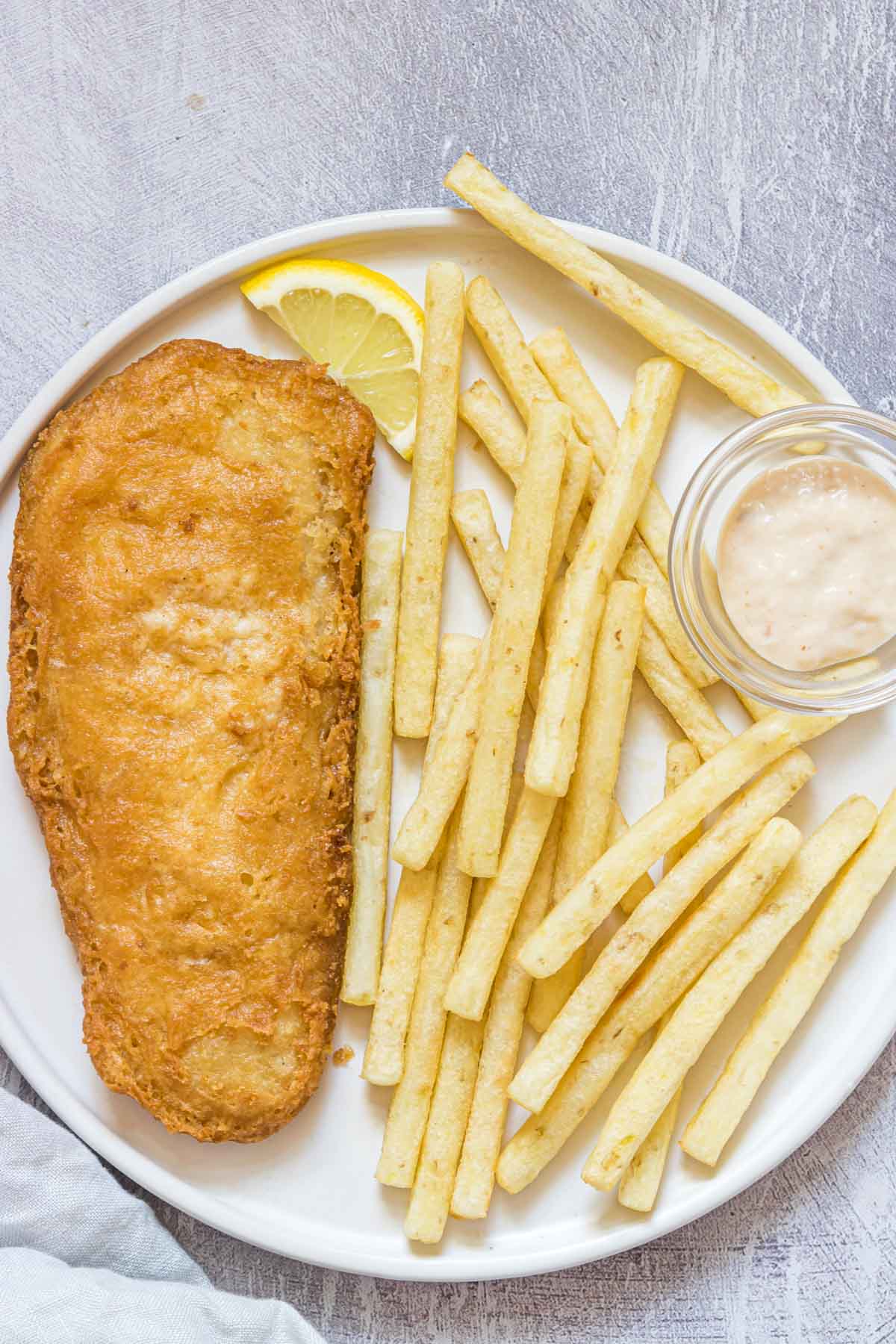
Reheating fish in an air fryer takes just 3–5 minutes at 350°F, giving you crispy, fresh-tasting results without drying it out.
There's something genuinely satisfying about leftover fish that actually tastes good the next day. Most people resign themselves to soggy, rubbery fillets pulled from the microwave, but you don't have to settle for that anymore. After testing dozens of batches in my own kitchen, I can confidently say the air fryer is hands-down the best tool for bringing yesterday's salmon, cod, or tilapia back to life. The circulating hot air crisps the outside while gently warming the inside, mimicking that just-cooked texture you remember from dinner.
Why the Air Fryer Works So Well for Reheating Fish
The magic behind reheating fish in an air fryer comes down to physics and a little kitchen science. Traditional reheating methods rely on steam or direct heat, which either makes fish mushy or overcooks the delicate proteins. Air fryers use rapid air technology, circulating hot air around the food at high speed. This creates a Maillard effect on the surface, which is just a fancy way of saying it browns and crisps things beautifully.
When fish sits in the fridge overnight, its moisture content shifts. Cold storage tightens the protein structure, and the natural oils firm up. The air fryer's dry heat reverses that process without introducing extra moisture, which is exactly what you want. You end up with a fillet that flakes apart tenderly, with edges that crackle when you bite into them.
I've reheated everything from beer-battered cod to lemon-herb salmon using this method. The results consistently outperform oven reheating, and they're miles ahead of what you get from the microwave. The key is understanding how different fish types respond and adjusting your time and temperature accordingly.
Best Types of Fish to Reheat in an Air Fryer
Not all fish behave the same way when reheated, so let me walk you through the ones that work beautifully and a couple that need extra care.
Salmon
Salmon is arguably the most forgiving fish to reheat. Its high fat content keeps it moist, and the skin crisps up wonderfully. Whether you have a plain fillet, teriyaki-glazed piece, or blackened salmon, the air fryer handles them all with ease.
Cod and Haddock
These mild white fish varieties are staples in fish and chips. The air fryer brings back their flaky texture without the sogginess that plagues microwave attempts. Battered or breaded versions actually taste better the second time around because the coating re-crisps.
Tilapia
Tilapia reheats well due to its lean but tender nature. Just keep a close eye on the time since it can dry out faster than fattier fish.
Tuna Steaks
Tuna is unique because many people prefer it medium-rare, even when reheated. The air fryer lets you warm the center without overcooking the edges. Just reduce your time accordingly.
Shrimp and Other Shellfish
Shrimp reheats in just 2–3 minutes. Anything longer and it turns rubbery. The air fryer gives them a slight snap on the outside while keeping them juicy inside.
What You'll Need Before You Start
Gathering your tools beforehand makes the whole process smoother. Here's my go-to setup:
- Air fryer (any model works, though basket-style is easiest)
- Cooking spray or a light brush of oil
- Tongs for flipping
- Instant-read thermometer (optional but helpful)
- Paper towels for patting fish dry
The fish itself should be completely cool or at room temperature before going in. Putting hot or even warm fish directly from the fridge into the air fryer creates steam, which works against you. Let it sit out for 5–10 minutes while your air fryer preheats.
Step-by-Step Guide to Reheating Fish in an Air Fryer
Now for the main event. Follow these steps, and you'll have perfect reheated fish every single time.
Step 1: Preheat Your Air Fryer
Set your air fryer to 350°F (175°C) and let it preheat for 3–5 minutes. Preheating ensures the fish starts crisping immediately rather than slowly warming up in a cold chamber. This single step makes a noticeable difference in texture.
Step 2: Prep the Fish
Pat your fish dry with paper towels. This removes excess surface moisture that would otherwise steam the fish instead of crisping it. If your fillet has skin on, lightly oil that side. For breaded or battered fish, a quick spray of cooking oil helps revive the coating.
Step 3: Arrange in the Basket
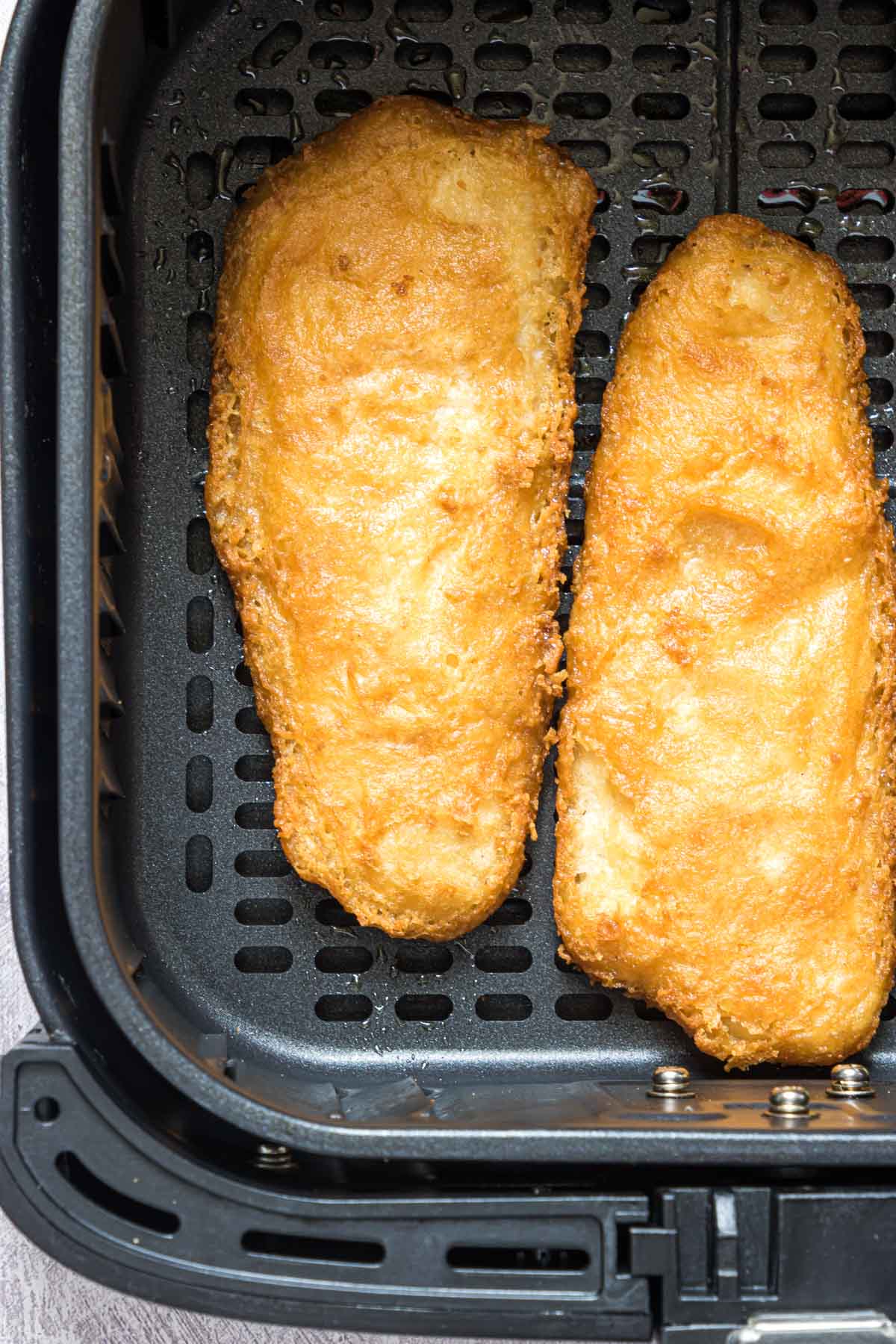
Place the fish in a single layer in the basket, leaving space between pieces. Overcrowding leads to uneven heating and steaming. If you have a lot of fish, work in batches rather than cramming everything in at once.
Step 4: Heat and Flip
Cook for 3–5 minutes, flipping halfway through. The exact time depends on thickness. Thin fillets need closer to 3 minutes, while thick salmon steaks might need 5–6 minutes. You're looking for an internal temperature of 125–130°F for most fish.
Step 5: Check and Serve
Pull the fish out and let it rest for one minute. This brief pause lets the heat distribute evenly. The exterior should be lightly crisp, and the interior should flake easily with a fork.

Pro Tips from My Own Kitchen Experience
After reheating more fish than I can count, I've picked up a few tricks that make a real difference.
First, don't skip the preheat. I know it's tempting to just toss the fish in and save time, but those extra 3 minutes pay back tenfold in texture. Cold-start reheating always leaves you with a slightly limp result.
Second, consider adding a splash of moisture back into the fish if it seems especially dry. A light brush of melted butter, olive oil, or even a squeeze of lemon juice before reheating can revitalize fish that sat in the fridge for a couple of days. I learned this trick after a particularly sad piece of cod that looked like cardboard before I rescued it with a butter brush.
Third, watch your time like a hawk. Fish goes from perfectly reheated to overdone in about 60 seconds. Set a timer for the lower end of your estimated range, then check and add more time as needed.
Finally, seasoned salt or a sprinkle of fresh herbs after reheating can mask any minor texture issues and elevate the whole experience. A pinch of flaky sea salt right before eating makes everything taste fresher.
Common Mistakes to Avoid
Let me save you from the errors I've made so you don't have to learn them the hard way.
Using too high a temperature. Cranking the air fryer to 400°F might seem faster, but it burns the outside while leaving the inside cold. The 350°F sweet spot gives you even heating without charring.
Skipping the pat-dry step. Moisture is the enemy of crispness. Even slightly damp fish will steam in the air fryer, leaving you with a rubbery texture.
Overcooking out of fear. Many people reheat fish longer than necessary, thinking they need to kill bacteria. Properly stored leftover fish is safe to eat; you just need to warm it through, not cook it again. Over-reheating is what ruins texture and flavor.
Stacking pieces. I know I mentioned this in the steps, but it bears repeating. Air needs to circulate around each piece for even reheating. Stacking guarantees some pieces stay cold while others overcook.
How Long Does Reheated Fish Last?
Properly stored leftover fish should be eaten within 3–4 days of cooking. When you reheat it, make sure you only warm what you plan to eat. Reheating fish multiple times compounds the texture problems and increases the risk of food safety issues.
If your fish smells overly fishy or has a slimy texture before you even start reheating, it's better to toss it than to risk it. Fresh fish has a mild scent, and any sour or ammonia-like smell means it's past its prime.
Reheating Different Fish Preparations
The method stays consistent, but some preparations need slight tweaks.
Battered or Breaded Fish
These benefit from a light oil spray. The coating will re-crisp beautifully, often better than its original state. Just be gentle when flipping so the coating doesn't fall off.
Fish in Sauce
If you're reheating fish topped with sauce, like teriyaki salmon or fish in tomato sauce, reduce your time slightly and lower the temperature to 325°F. The sauce can burn at higher temps.
Fish Cakes and Patties
These are fantastic in the air fryer. They reheat even better than fillets because their compact shape holds moisture well while the outside gets extra crispy. Give them 4–5 minutes at 350°F.
Whole Small Fish
For small whole fish like sardines or smelts, reduce time to 2–3 minutes since they're thin and heat through quickly.
Frequently Asked Questions
Can I reheat fish in an air fryer more than once?
It's best to only reheat fish once. Each round of reheating degrades the texture further and can dry out the fish. Only take out what you'll eat and keep the rest refrigerated.
Do I need to add oil when reheating fish?
A light coating of oil helps restore crispness, especially for fillets without skin. If your fish is already oily or has a sauce, you can skip it. For breaded fish, a quick spray enhances the texture without making it greasy.
What's the best temperature for reheating fish in an air fryer?
350°F is the sweet spot for most fish. It warms the interior thoroughly while crisping the exterior without burning. Higher temperatures risk drying out the fish, while lower temperatures leave it limp.
Can I reheat frozen fish in an air fryer?
Yes, but you'll need to add extra time. Expect 8–12 minutes from frozen at 350°F. It's best to thaw fish in the fridge overnight first for even reheating, but the air fryer handles frozen fish better than most methods.
Is reheated fish safe to eat?
Yes, as long as it was properly stored and refrigerated within two hours of cooking. The fish only needs to reach an internal temperature of 125–130°F to be safely warmed through, which the air fryer achieves easily.
Reheating Fish the Right Way
Bringing leftover fish back to its crispy, tender glory isn't complicated once you know the method. A few minutes in a preheated air fryer transforms yesterday's dinner into something that tastes freshly made. The key is keeping the temperature moderate, giving each piece space to breathe, and watching the time carefully so you don't cross the line from warmed to overcooked. Whether you're dealing with a delicate piece of cod or a hearty salmon fillet, this approach works every time. Give it a try tonight with whatever fish is sitting in your fridge, and you'll never reach for the microwave again. If you found this guide helpful, share it with a fellow fish lover or drop a comment below with your favorite fish to reheat.