
Most line cooks earn $15–$20 per hour, or about $30,000–$42,000 a year.
If you want a clear, honest look at how much do line cooks make, you’re in the right place. I’ve cooked on the line, hired cooks, set schedules, and negotiated pay. In this guide, I break down real wages, what affects them, and how to raise your rate today. You’ll see national data, local examples, and simple tips you can use after your next shift.

What a line cook actually does
A line cook prepares dishes to order during service. You work a station, follow recipes, and keep the pass moving. You set up mise en place, cook proteins, fire sides, and plate fast. In many kitchens, you also help with prep, cleaning, and closing.
A solid line cook is fast, clean, calm, and consistent. You read tickets, time multiple items, and support your team. The job is physical and intense. It is also a craft. Those skills shape pay, and they grow over time.
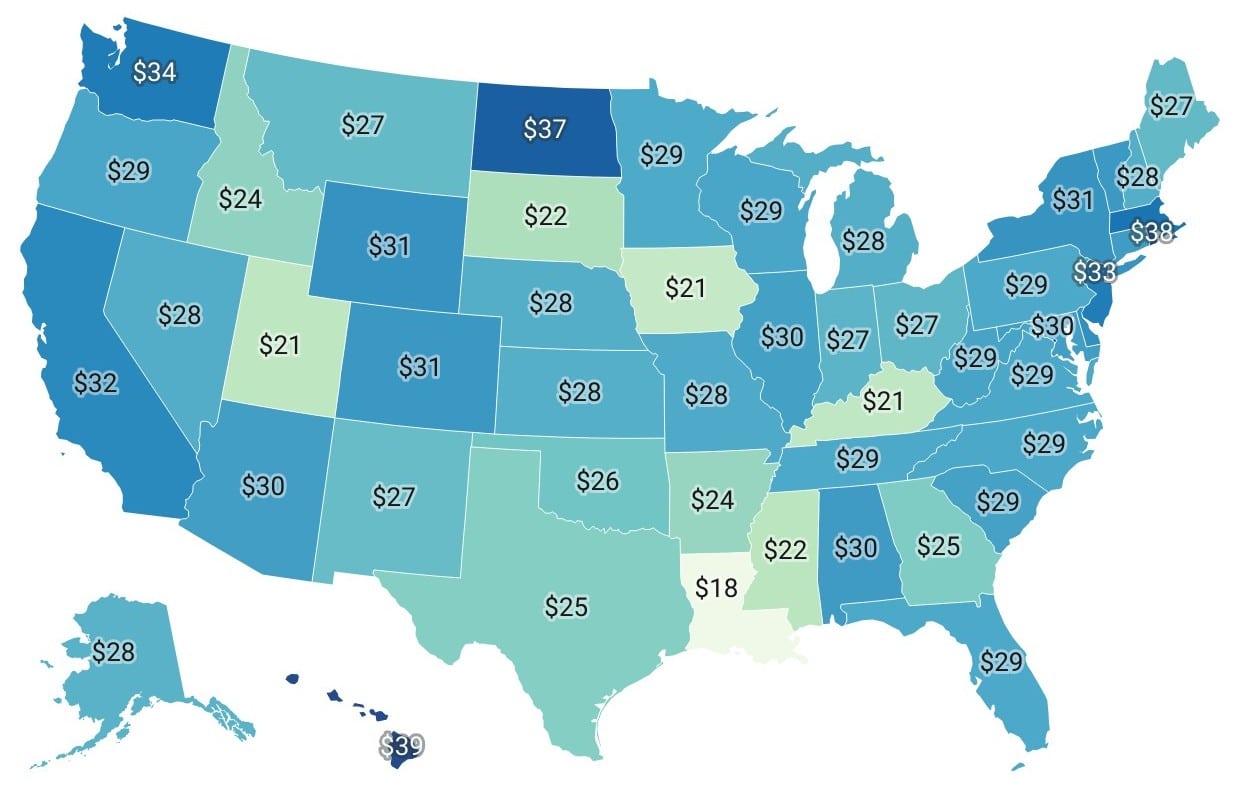
How much do line cooks make on average in the US
If you ask how much do line cooks make, the short answer is hourly pay. Most line cooks are hourly employees. They clock in, take breaks, and get overtime after 40 hours in a week in most states.
Based on recent industry and federal data from 2023–2024:
- Typical range: $15–$20 per hour for restaurant cooks.
- Median near $16–$18 per hour in many markets.
- Annual pay for full-time at 40 hours: about $31,000–$37,000 before taxes.
- Top markets can reach $22–$27 per hour, sometimes higher.
Those numbers change by city, restaurant type, and experience. So the best way to answer how much do line cooks make for you is to match your location, skills, and schedule.

What drives pay: location, restaurant type, and experience
Pay for line cooks is a stack of factors. The big three are where you live, where you cook, and how deep your skill set goes.
Location
Big coastal cities pay more. Cost of living and labor laws push wages up. Smaller towns pay less, but rent and transit may be cheaper.
- High-cost cities: San Francisco Bay Area $22–$27, Seattle $20–$24, New York City $19–$24.
- Mid-tier metros: Chicago $16–$20, Denver $17–$21, Austin $16–$20.
- Sunbelt and smaller markets: Dallas $14–$17, Tampa $15–$18, many rural areas $12–$15.
These are common ranges I see across postings and offers. Your exact rate depends on the spot and the shift.
Restaurant type
Not all kitchens pay the same. The guest check average, pace, and margins matter.
- Fine dining and upscale hotels: Higher base pay and better benefits. Strong systems. Expect $19–$25+ per hour.
- Busy independents and quality casual: Solid range with growth upside. Often $16–$21 per hour.
- National chains and quick service: Predictable hours and training. Often $15–$19 per hour.
- Catering, events, and commissaries: Pay varies by season and shift. Overtime can be common.
Experience and skills
If you want to boost how much do line cooks make, level up your station and leadership skills.
- Entry level: $13–$16 per hour. Focus on speed, sanitation, and consistency.
- Core line cook with 2–4 years: $16–$19 per hour. Own a station and expo clean.
- Lead line cook or junior sous: $19–$25+ per hour. Train others and handle inventory.
- Specialized skills add dollars: butchery, saucier work, wood-fire, pasta, pastry, high-volume brunch, and bilingual expo.

Trends, job outlook, and what changed after 2020
The market for line cooks shifted a lot in recent years. Many restaurants raised wages to hire and retain staff. Some states increased minimum wage. Tip pooling rules also changed in places.
Recent patterns I see and data supports:
- Wages for cooks rose faster than before 2020, especially in high-cost cities.
- Overtime and schedule stability improved in well-run shops.
- Benefits are more common at hotels, resorts, and restaurant groups.
- Demand remains steady for skilled cooks who show up and lead stations.
There is still volatility. Seasonal towns pay more during peak months and less off-season. Independent spots can have tight budgets. How much do line cooks make can swing by a few dollars an hour with these cycles.

Benefits, schedules, and real take‑home pay
Your hourly rate is only part of the picture. Real money includes extra pay, benefits, and how many hours you actually work.
What adds to take‑home:
- Overtime: Time and a half after 40 hours a week in most states. A $18 rate becomes $27 for OT hours.
- Shift differentials: Late nights, overnights, or premium prep can add $1–$3 per hour.
- Tip pools or service charge shares: Some restaurants include line cooks. This can add $1–$5 per hour, but it varies a lot.
- Meals and discounts: Not cash, but they cut food costs.
- Benefits: Health insurance, dental, vision, paid time off, commuter benefits, and 401(k) matches. The value can equal $2–$4 per hour.
What reduces take‑home:
- Taxes and withholdings on W‑2 pay.
- Unpaid prep or off‑the‑clock work, which should not happen. Track your time and know your rights.
- Inconsistent schedules. If you average 30 hours, your annual pay drops fast.
If you freelance for events or pop‑ups, you may get 1099 pay. The rate can be higher per hour, but you cover your own taxes and no benefits. That changes how much do line cooks make once you run the math.

Practical ways to earn more as a line cook
I have watched cooks grow from $14 to $22+ in under two years. It was not luck. It was a plan you can copy.
Steps that work:
- Master one tough station: Grill, saute, or fry during peak. Own it. Reliability is money.
- Learn expo and ticket flow: You become the calm in the storm. That earns trust and raises.
- Add a rare skill: Butchery, sauces, pasta, pastry, wood‑fire, or high‑volume brunch.
- Become the closer or opener: The person who sets the line or lands the plane gets paid more.
- Track your wins: Food cost helpers, waste cuts, faster ticket times. Share them at review time.
- Time your move: After a strong season, ask for a raise. If it stalls, take your resume to three busy spots.
- Build references: A chef’s call can add $1–$2 per hour to an offer.
- Get certified: Food safety like ServSafe shows you take standards seriously.
If you are asking how much do line cooks make after these steps, it is often $2–$6 more per hour within a year, plus steadier shifts.

Real‑world pay scenarios
Here are simple, real‑style math checks. They show how much do line cooks make in common cases. Your taxes and benefits may change net pay.
Scenario 1: Entry‑level in a mid‑size city
- Base: $15 per hour, 38 hours a week, no OT.
- Weekly: $570. Annual: about $29,640 before taxes.
- With two OT hours and $2 shift diff on weekends, annual can push past $32,000.
Scenario 2: Core cook in a high‑cost market with tip pool
- Base: $20 per hour, 40 hours plus five OT hours.
- Tip pool adds $2 per hour on average.
- Weekly: (40 × $20) + (5 × $30) + (45 × $2) = $800 + $150 + $90 = $1,040.
- Annual: about $54,000 before taxes and benefits.
Scenario 3: Lead line in an upscale independent
- Base: $23 per hour, 42 hours with two OT hours.
- Weekly: (40 × $23) + (2 × $34.50) = $920 + $69 = $989.
- Annual: about $51,428, plus often better benefits.
These snapshots show why the exact answer to how much do line cooks make depends on hours, OT, and extras.

My experience and lessons learned from the line
I started on pantry in a busy neighborhood spot. I made $14 per hour and felt stuck. A sous chef told me, take saute, learn the board, and be the best closer. I did. In four months, I asked for a review with notes on ticket times and waste I cut. I got $1.50 more and steadier weekends.
Later, I moved to a hotel kitchen with better benefits. My base jumped by $3 per hour, and the health plan saved me real money. My bigger lesson: track results, learn one rare skill, and build chef references. That is how much do line cooks make more without burning out.
Mistakes to avoid:
- Staying too long in a kitchen with no path or reviews.
- Ignoring food safety. One slip can stall your growth.
- Not logging hours. Protect your time and your pay.
Data notes, accuracy, and limits
The figures here reflect common offers, job postings, and recent federal and industry data through 2023–2024. Markets move. Laws change. Some restaurants include line cooks in tip pools, and some do not. Always check local wage laws, overtime rules, and benefits details in your offer.
How much do line cooks make will vary week to week with season, shifts, and sales. Use ranges, not a single number. Keep records and review your pay stubs. If something looks off, ask HR or your manager fast.
Frequently Asked Questions of how much do line cooks make
Do line cooks make tips?
Some do, through a tip pool or service charge share. It depends on state rules and house policy.
Is overtime common for line cooks?
Yes, especially in busy seasons or event weeks. Overtime pays time and a half in most states.
How much do line cooks make in New York City?
Many NYC line cooks make $19–$24 per hour, sometimes more in fine dining. Hours and tip pools affect the total.
Do line cooks get benefits?
Larger groups, hotels, and resorts often offer health insurance, PTO, and 401(k) match. Independents vary, so ask for details in writing.
Does culinary school raise pay?
It can help early on, but skills and station performance matter more. Real kitchen results drive raises faster.
How much do line cooks make in California?
Rates often run $18–$25 per hour, higher in the Bay Area and LA. Local minimum wage and demand push numbers up.
Can a line cook become a sous chef?
Yes. Own a key station, help train staff, and learn inventory and ordering. That path can add $3–$8 per hour over time.
Conclusion
How much do line cooks make depends on three levers: your city, your kitchen, and your skills. Most cooks land in the $15–$20 range, with higher pay in big markets and leadership roles. Add OT, benefits, and a smart move or two, and your total rises fast.
Focus on one tough station, learn expo, and keep proof of your wins. Ask for a review after a strong month. If you are ready to grow, explore openings near you, compare offers side by side, and make the choice that fits your goals. Want more guides like this? Subscribe and drop your questions in the comments.