
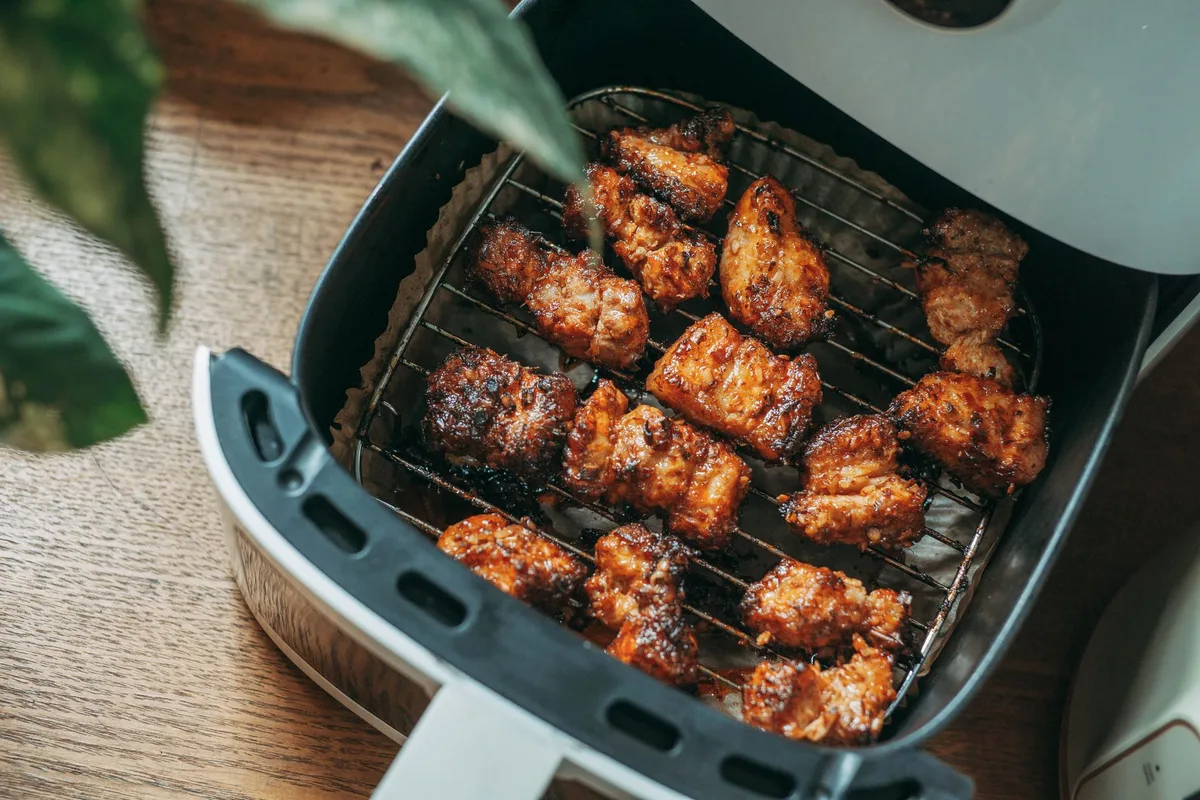
Image source: Pexels / FOX ^.ᆽ.^= ∫ (Pexels License)
Picking the right oil for your air fryer can seem tricky, but it really comes down to selecting an oil that can handle high heat without burning. Using the wrong oil can lead to smoke-filled kitchens and bitter-tasting food, which nobody wants. Thankfully, there are several excellent choices that work perfectly for achieving that delicious, crispy finish.
In our research, we've found that most air fryers operate within a temperature range typically from 300°F to 400°F (150°C to 200°C), with some models reaching even higher. Understanding the specific needs of air frying is key to selecting an oil with an appropriate smoke point and flavor profile.
Quick Answer
For air fryers, choose oils with a high smoke point, like avocado or light olive oil. These oils can withstand high temperatures without burning and imparting a bitter flavor. Avoid oils with low smoke points, such as extra virgin olive oil or butter, as they can smoke excessively and affect your food's taste.
Why Oil Choice Matters for Air Frying
Your air fryer works by circulating hot air around your food to cook it quickly and create a crispy exterior. The oil you use plays a crucial role in this process, contributing to browning and texture. However, the intense heat inside an air fryer means not all oils are created equal.
Using an oil that can't handle this heat will cause it to break down, producing smoke and unpleasant flavors that can ruin your meal. Manufacturer specifications often suggest using oils suitable for high-heat applications.
Understanding Oil Smoke Points
The most critical factor when selecting an air fryer oil is its smoke point. This is the temperature at which an oil begins to visibly smoke, indicating that its fats are starting to break down. When oil smokes, it not only fills your kitchen with an acrid smell but also degrades the oil's flavor and nutritional properties, potentially creating harmful compounds.
For air frying, which often involves temperatures around 350°F to 400°F (175°C to 200°C), you need an oil that stays stable well above these cooking temperatures.

Image source: Pexels / Kampus Production (Pexels License)
What Is a Smoke Point?
A smoke point is defined as the temperature at which a specific oil or fat begins to produce visible smoke. This happens when the oil starts to degrade, releasing volatile compounds. For example, standard laboratory tests like those performed by the USDA measure the smoke point of various culinary oils.
Why High Smoke Points Are Crucial for Air Fryers
Air fryers are designed to mimic deep-frying by using intense, circulating hot air. This means they often reach high temperatures very quickly. Therefore, any oil used needs to withstand these temperatures without degrading.
An oil with a low smoke point will burn easily, leading to a plume of smoke and a burnt taste on your food. This can also potentially damage your air fryer's components over time.
Best Oils for Air Frying: High Heat Heroes
Selecting the right oil is paramount for a successful air frying experience. These oils are chosen because they maintain their integrity and avoid smoke at the high temperatures air fryers typically use. Having an oil that can perform under pressure means your food will crisp up beautifully without any burnt taste.
Avocado Oil: The Top Pick
Avocado oil stands out as an excellent choice for air frying due to its exceptionally high smoke point, often cited around 520°F (270°C). This makes it incredibly versatile, capable of handling the hottest air fryer settings without breaking down. Its flavor is also very neutral, meaning it won't impart any unwanted tastes to your food.

Image source: Pexels / ready made (Pexels License)
This oil is recognized for its healthy monounsaturated fat content, making it a nutritious option as well. When compared to other common cooking fats, its high heat tolerance offers a significant advantage for achieving perfectly cooked, non-smoky results.
Light Olive Oil: A Reliable Choice
While extra virgin olive oil has a distinct flavor, its lower smoke point makes it less ideal for high-heat air frying. For air fryer use, a refined or "light" olive oil is a much better option. These lighter varieties have been processed to remove impurities, raising their smoke point considerably, typically to around 465°F (240°C).
This makes light olive oil suitable for most air frying tasks, from roasting vegetables to cooking proteins. Its flavor is also much milder than extra virgin, so it won't overpower your dishes.
Canola Oil: The Budget-Friendly Staple
Canola oil is a widely available and cost-effective cooking oil that performs well in air fryers. It generally has a smoke point in the range of 400°F to 450°F (200°C to 230°C), which comfortably exceeds the typical operating temperatures of most air fryer models. Its flavor is very neutral, making it a safe bet for a wide variety of foods.
This oil is a common recommendation for everyday cooking and is particularly useful when you need an oil that won't compete with the flavors of your ingredients. Its affordability also makes it an attractive option for frequent air fryer users.
Vegetable Oil: The Everyday Option
Similar to canola oil, generic vegetable oil is a practical choice for air frying, offering good performance at a reasonable price. Most vegetable oil blends have smoke points between 400°F and 450°F (200°C to 230°C). This range provides sufficient heat resistance for most air frying applications.
Its mild, neutral flavor makes it incredibly versatile. Whether you're making fries, chicken nuggets, or roasted vegetables, vegetable oil won't introduce any undesirable tastes. It's a basic, reliable kitchen staple that serves air frying needs well.
Grapeseed Oil: For Subtle Flavor
Grapeseed oil is a lighter cooking oil known for its very high smoke point, often around 420°F (215°C). This makes it another strong contender for high-heat cooking methods like air frying. Its flavor profile is exceptionally delicate and neutral, which is a significant advantage for recipes where you want the food's natural taste to shine through.
This oil is particularly useful for air frying less robust foods or when you're aiming for a very clean flavor. It coats food lightly and doesn't leave a greasy residue, contributing to a crispier finish.
Oils to Skip or Use with Caution
Some oils, while great for other cooking methods, simply don't perform well in the harsh, high-heat environment of an air fryer. Their lower smoke points mean they break down quickly, leading to smoke and a burnt taste. It's essential to recognize these to avoid common air frying pitfalls.
Why Not Butter?
Butter contains milk solids, which have a very low smoke point, typically around 300°F to 350°F (150°C to 175°C). When heated in an air fryer, these solids burn quickly, creating smoke and an unpleasant, acrid flavor that can cling to your food and the appliance. While clarified butter, or ghee (which has a much higher smoke point), can be used, regular butter is best avoided.
You can always melt butter and drizzle it over your food after it comes out of the air fryer for that rich flavor.
The Case Against Extra Virgin Olive Oil
Extra virgin olive oil (EVOO) is a favorite for its robust flavor and health benefits, but its smoke point is generally too low for most air fryer cooking tasks. EVOO typically smokes around 375°F (190°C). Many air fryer recipes operate at 400°F or higher.
While it might work for very low-temperature air frying, using it at higher settings will likely result in excessive smoke and a bitter taste. For those who love olive oil, opting for a refined or light olive oil is the better choice for air frying.
Other Low Smoke Point Oils
Beyond butter and EVOO, several other oils have smoke points that are too low for safe and effective air frying. These include oils like flaxseed oil, walnut oil, and some other specialty nut and seed oils. While these can be wonderful for dressings or finishing dishes, their delicate nature means they burn easily under high heat.
Using them in an air fryer can lead to a bad taste and a smoky kitchen.
How to Apply Oil for Best Results
Getting the oil onto your food correctly is just as important as choosing the right type. The goal is to achieve an even coating without drowning your food, which can lead to sogginess instead of crispiness. Proper application ensures your ingredients get coated just enough to enhance browning and texture.
Using an Oil Sprayer
An oil spray bottle, whether a commercial aerosol or a refillable pump sprayer, is one of the most efficient ways to apply oil to your air fryer foods. You can fill these with your chosen high-smoke-point oil. Lightly misting your food provides an even, thin coating.
This method uses oil sparingly and prevents the pooling that can happen with drizzling.
Tossing Veggies and Fries
For items like chopped vegetables, potato wedges, or fries, a simple bowl works best. Place your prepared food in the bowl and drizzle a small amount of oil over it. Then, gently toss everything with your hands or a spatula until each piece is lightly and evenly coated.
This ensures consistent crisping when the food hits the hot air.
Comparing Air Fryer Oils Side-by-Side
Here's a quick look at how common oils stack up for air frying, helping you choose the best fit for your cooking needs.
| Oil Type | Smoke Point (Approx.) | Flavor | Best Use Cases | Notes |
|---|---|---|---|---|
| Avocado Oil | ~520°F (270°C) | Neutral | All-purpose, high-heat cooking, sensitive items | Excellent, healthy, and reliable for all air fryer jobs. |
| Light Olive Oil | ~465°F (240°C) | Mild | General cooking, poultry, vegetables | Must be light or refined; not extra virgin. |
| Canola Oil | ~400-450°F (200-230°C) | Neutral | Versatile, budget-friendly, fries, chicken | Solid all-rounder that won't break the bank. |
| Vegetable Oil | ~400-450°F (200-230°C) | Neutral | General cooking, snacks | Similar to canola, widely available and highly economical. |
| Grapeseed Oil | ~420°F (215°C) | Very Light | Delicate items, when no oil flavor is wanted | Good for light coatings where pure food taste is paramount. |
| Extra Virgin Olive Oil | ~375°F (190°C) | Robust/Fruity | Finishing (post-cooking), dressings | Can handle low-heat air frying, but usually smokes too easily. |
| Butter | ~300°F (150°C) | Rich | Finishing (melted over cooked food) | Burns easily on its own; use ghee for higher heat applications. |
Expert Tips for Air Fryer Oil Success
To maximize your air frying results, consider these professional insights. Ensure you're not over-oiling your food; a light coating is usually sufficient. Some air fryer models may include a small oil bottle or sprayer, which can be helpful.
Always preheat your air fryer, as this helps food cook more evenly and quickly. For delicate items or those prone to sticking, a very light spray of oil on the basket itself can prevent adherence, though some manufacturers advise against this. Always check your air fryer's manual for specific recommendations regarding oil usage and cleaning.
Quick Guide: Picking Your Perfect Air Fryer Oil
When in doubt, reach for avocado oil or a light olive oil. These consistently perform well across a wide range of air fryer temperatures and food types. Their high smoke points and neutral flavors make them the most forgiving and reliable choices for everyday air frying.
If budget is a concern, canola or vegetable oil are perfectly suitable alternatives.