
The question of what is typical kitchen counter height doesn't have a single, simple answer that works for everyone. While most kitchens adhere to a long-standing standard, individual needs and preferences can drastically change what feels right. Getting this measurement wrong can lead to daily discomfort, back strain, and a kitchen that just doesn't feel functional.
In our research, we found that the industry standard for kitchen counters has been consistent for decades, primarily driven by base cabinet dimensions and ergonomic considerations for the average adult. This standard, widely adopted across North America, aims to provide a comfortable workspace for a majority of users. As of 2026, this standard remains the baseline many kitchens are built around.
Why Counter Height Actually Matters
It might seem like a small detail, but the height of your kitchen counter plays a surprisingly big role in your day-to-day kitchen experience. Think about how often you stand at your counters: preparing meals, chopping vegetables, mixing ingredients, unloading the dishwasher, or just leaning with a cup of coffee. If the counter is too high, you’ll find yourself hunched over, straining your back and shoulders. Conversely, if it’s too low, you might have to stoop uncomfortably, leading to fatigue in your arms and neck.
Proper counter height is fundamental to good kitchen ergonomics, making tasks easier and helping to prevent injuries over time. It’s not just about aesthetics; it’s about creating a space that supports how you actually use it.
The Magic Number: Understanding the 36-Inch Standard
Across the vast majority of kitchens, particularly in the U.S. and Canada, the typical kitchen counter height is 36 inches (91.4 cm) from the floor to the top surface. This standard dimension is largely dictated by the common size of base cabinets, which usually stand 34.5 inches tall, topped with a standard 1.5-inch countertop material. This 36-inch mark is considered a comfortable height for most adults when standing to perform common kitchen tasks.
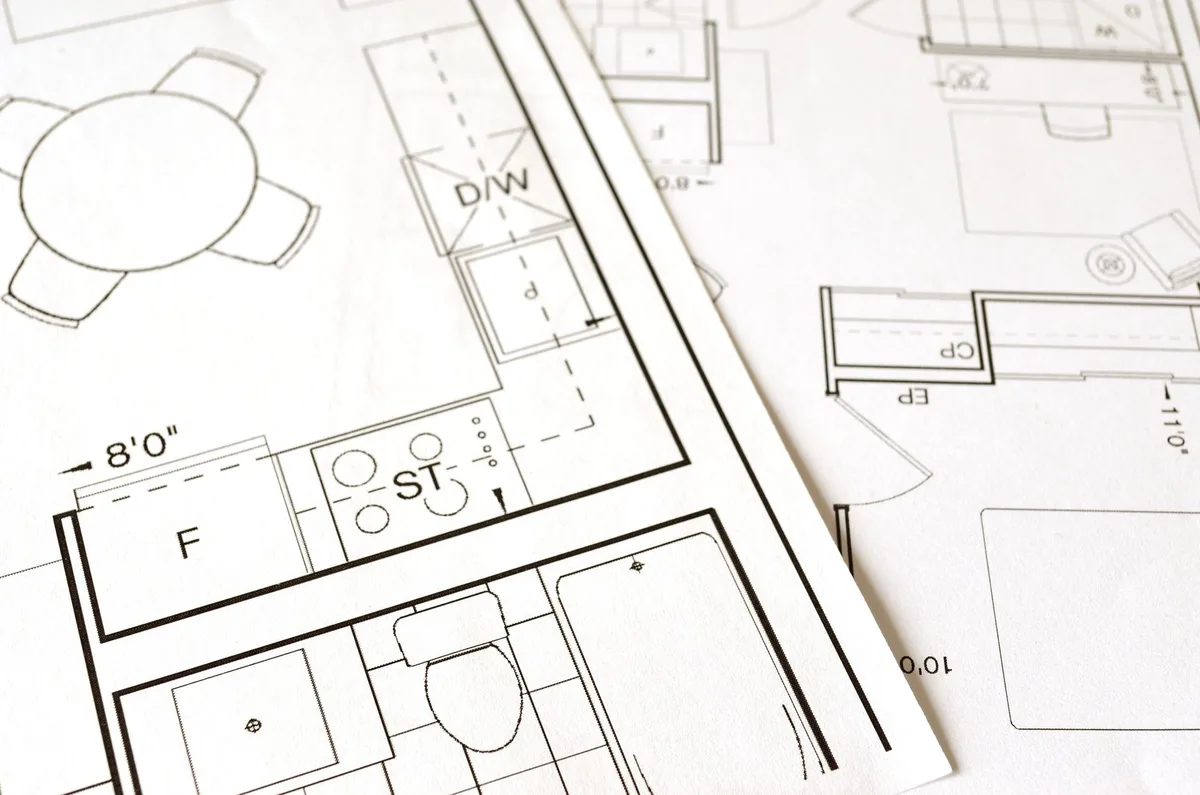
This height allows for a natural resting position for the arms at roughly a 90-degree bend when standing directly at the counter. It balances the need to have enough clearance for under-counter appliances and storage with the need to not be excessively high, which would cause users to overreach. While this is the default, it’s crucial to remember it’s an average.
Beyond 36 Inches: When to Go Custom
The 36-inch standard is a great starting point, but it’s not a one-size-fits-all solution. If you find yourself consistently uncomfortable, experiencing pain, or just don't feel right at your current counter height, it’s a strong signal that you might benefit from a custom height. This is especially true for individuals at the extremes of the height spectrum common in the population.
Your Height and Your Kitchen Comfort
Your personal stature is the most significant factor in determining the ideal counter height for you. If you're significantly taller or shorter than the average adult, adhering strictly to the 36-inch standard can lead to ongoing ergonomic challenges.
- For Taller Individuals: Those who are 5'10" and above often find that a counter height of 37 or even 38 inches provides much-needed relief. This extra inch or two means less bending over, reducing strain on the lower back and neck.
- For Shorter Individuals: People who are 5'4" and under may feel more comfortable and efficient with counters set at 34 or 35 inches. This allows them to work without reaching uncomfortably high, making tasks like chopping and mixing more natural.

The goal is to achieve a relaxed posture where your forearms are roughly parallel to the floor when your hands are positioned for typical kitchen tasks. Settling for a standard height that causes persistent discomfort isn’t ideal for long-term kitchen use.
Special Tasks, Special Heights
Beyond just your general height, certain kitchen activities can benefit from adjusted counter heights, even if you plan to keep the majority of your counters at the standard 36 inches. For example, serious bakers might find a slightly lower workspace beneficial for rolling dough. A lower surface provides better leverage and comfort during prolonged kneading or rolling. Conversely, some specialized workstations or built-in appliances might necessitate a specific height that deviates from the standard.
If you're planning a significant kitchen renovation, consider mapping out your primary tasks and how each would feel at different heights.
Accessibility Needs in the Kitchen
For individuals with mobility challenges or those who use wheelchairs, standard counter heights can create significant barriers to kitchen independence. In these situations, modifying the counter height isn't just about comfort; it’s about functionality and usability. Many accessibility guidelines recommend counter heights between 30 and 34 inches. This range is designed to allow adequate knee clearance underneath and comfortable reach from a seated position.
When planning an accessible kitchen, it's wise to consult with accessibility design professionals to ensure all aspects of the workspace, including counter height, are optimized for the user's specific needs.
How to Find Your Ideal Counter Height
Figuring out the perfect counter height for your space isn't just about reciting numbers; it's about understanding what feels comfortable and efficient for you. Several practical methods can help you nail down the ideal measurement for your kitchen.
The Elbow Test: A Simple Ergonomic Check
One of the most practical ways to gauge your ideal counter height involves a simple test you can do right now, even without any special equipment. Stand comfortably at your current counter, or any counter you can access, with your feet flat on the floor. Let your arms hang relaxed at your sides. Now, bend your elbows to about a 90-degree angle, bringing your hands up as if you were about to chop vegetables.
For most people, the ideal counter height will allow your forearms to be roughly parallel to the floor in this position.
- If your hands are well above your wrists: The counter is likely too high for you.
- If you feel like you're dipping your hands down significantly: The counter is probably too low.
This quick assessment provides a personalized benchmark that the 36-inch standard might not meet for your body.
Measuring Your Current Setup
If you're happy with your current kitchen's functionality but aren't sure why, measuring is key. You can confirm if you're already working with a custom height or simply reinforce why the standard feels right.
You'll need a tape measure. Place one end of the tape measure on the floor directly below the edge of your countertop. Extend the tape measure straight up to the top surface of the counter. Record this measurement.
Repeat this at a few different points along the counter to ensure consistency. This gives you a precise number to work with if you're planning changes or ordering new cabinetry.
What About Countertop Thickness?
It's important to remember that the total height of your countertop is a combination of the base cabinet height and the thickness of the material you choose for the counter itself. This is where things can get a bit variable.
- Base Cabinet Height: Standard base cabinets are typically 34.5 inches tall.
- Countertop Material:
- Laminate countertops often come in a standard thickness of about 1.5 inches.
- Stone countertops, like granite or quartz, are commonly available in 2 cm (approximately 0.75 inches) or 3 cm (approximately 1.2 inches) thicknesses.
So, if you have 34.5-inch cabinets and add a 1.5-inch laminate top, you get your 36-inch standard. If you opt for 3 cm granite on 34.5-inch cabinets, your total height would be around 35.7 inches, which is very close to the standard. These variations, especially with thicker stone materials, can subtly alter the final work surface height.
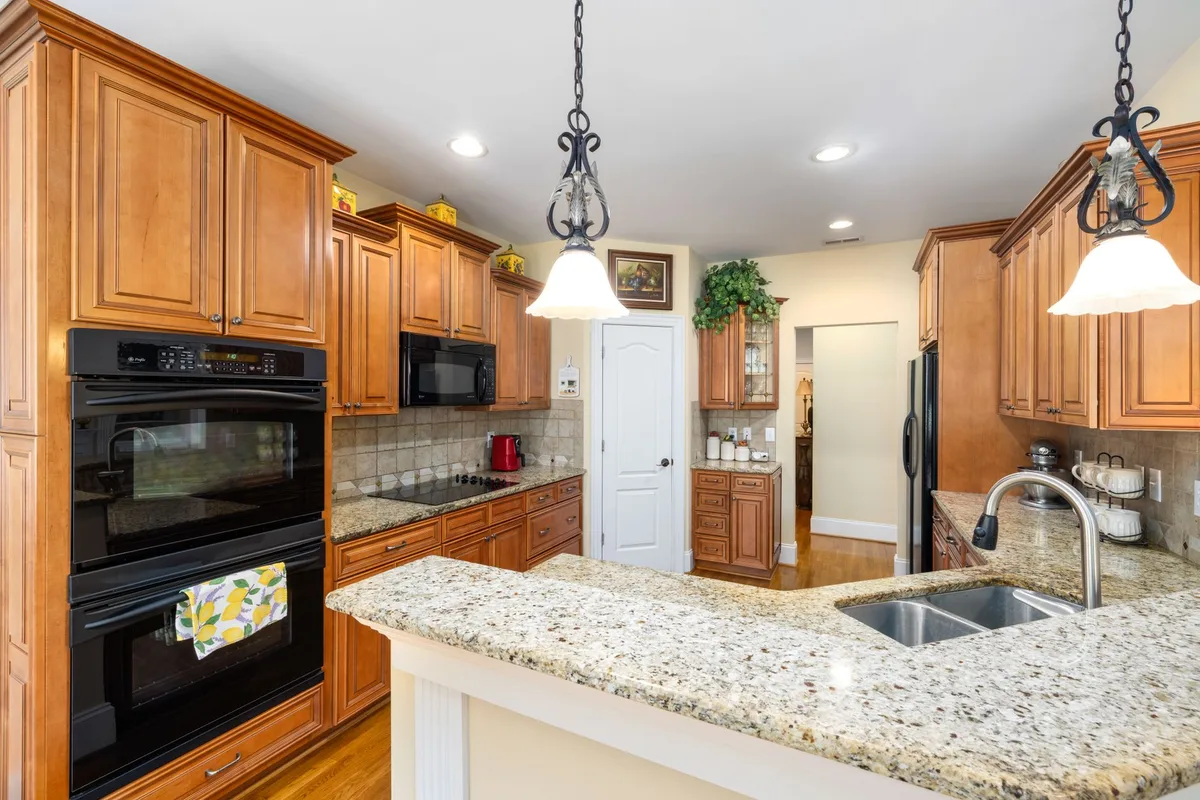
When planning, always factor in the thickness of your chosen countertop material to reach your desired final height.
Common Pitfalls When Choosing Counter Height
While the desire for a custom counter height is understandable, there are a few common missteps that can lead to disappointment or even costly corrections. One of the biggest pitfalls is assuming that only your height matters. While crucial, it’s vital to consider the heights of other regular users of the kitchen, especially if you share your home. If a counter is perfect for you but consistently too high or low for your partner or children, it can create ongoing friction.
Another frequent error is not properly accounting for the thickness of the countertop material. As we discussed, a 3 cm stone slab will sit higher than a 2 cm slab on the same base cabinets, potentially pushing a "just right" height into "too high." Always get exact specifications for your chosen material and factor it into your calculations. Finally, for those planning a full renovation, trying to retrofit a custom height into a standard cabinet layout can be significantly more complicated and expensive than ordering custom-sized base cabinets from the start.
Practical Kitchen Counter Height Scenarios
Understanding how counter height plays out in real kitchen scenarios can really solidify why choosing the right measurement is important. Consider a couple of common situations.
- The Tall Baker: Imagine someone who's 6'1" and loves to bake. A standard 36-inch counter might mean they're constantly bending their shoulders to knead dough or roll pie crusts. If they opt for custom base cabinets and a counter height of, say, 38 inches, they'll find those tasks are significantly more comfortable. Their forearms will be more parallel to the work surface, reducing fatigue and improving their control over the dough.
- The Compact Kitchen User: For someone who is 5'2", a 36-inch counter can feel imposing. Tasks like chopping onions or dicing vegetables might require them to hunch forward, leading to neck and shoulder discomfort over time. Customizing to a counter height of 34 inches could make a world of difference, allowing them to stand more upright and perform these prep tasks with greater ease. This also makes reaching for items on the counter feel more natural.
Do I Need Custom Counter Height for My Kitchen?
Deciding whether to stick with the standard 36-inch counter height or opt for a custom solution comes down to a few key factors. If you and the primary users of your kitchen fall within a very average height range, and you don't have specific ergonomic needs or preferences, the standard is likely to serve you well. However, if you’re significantly taller or shorter than average, if multiple people with different heights use the kitchen regularly, or if you have specific tasks that would benefit from a different height, then custom is worth serious consideration. Manufacturers of base cabinets, like KraftMaid or Merillat, offer custom height options that can be ordered to the inch, allowing you to dial in the perfect workspace.
If You Use the Kitchen Regularly:
- Standard (36 inches): Best if you, and other primary users, are between approximately 5'6" and 5'10", and you don't have specific tasks that are hindered by this height. It’s generally comfortable for most common kitchen activities like chopping and mixing.
- Custom Height: Consider this if you’re routinely experiencing discomfort, pain, or a feeling of awkwardness at 36 inches. This is particularly true if any of the primary users are outside the average height range.
If You Have Specific Needs:
- Standard (36 inches): Adequate for general-purpose use where specialized ergonomic considerations aren't paramount.
- Custom Height: Essential if you have accessibility requirements (e.g., wheelchair use), are a passionate baker who needs specific leverage for dough work, or if you have multiple users with very different heights who would all benefit from tailored levels.
How to Measure for Custom Counter Height
If you've determined that custom counter height is the way to go, measuring accurately is your next crucial step. This process involves more than just a single measurement; it’s about confirming your needs and understanding how different components contribute to the final work surface.
- Confirm Your Ideal Elbow Angle: Start by performing the "elbow test" as described previously. With your arms bent at a 90-degree angle, ensure your forearms are parallel to the floor. Have someone else measure the distance from the floor to your bent elbow. This measurement gives you a target for your ideal counter height.
- Measure Existing Base Cabinets: If you're replacing existing cabinets or countertops, measure the height of your current base cabinets. This helps determine how much height you gain or lose with the countertop material.
- Account for Countertop Thickness: You absolutely must know the thickness of your intended countertop material. If you're looking at 3 cm quartz, for instance, this is about 1.2 inches that will be added to your base cabinet height. A 1.5-inch laminate top will add more.
For example, if your elbow test suggests you need a 35-inch counter, and you're using base cabinets that are 34.5 inches tall with 1.5-inch laminate, the total would be 36 inches, meaning you'd need shorter base cabinets or a thinner countertop to achieve 35 inches. This detailed planning prevents costly mistakes.
What Countertop Thickness Affects Your Height?
The thickness of your countertop material is a vital, often overlooked, factor that directly impacts your overall counter height. This isn't just an aesthetic choice; it has a tangible effect on ergonomics. Standard base cabinets typically measure 34.5 inches from the floor to the top of the cabinet box. To reach the common 36-inch counter height, a 1.5-inch countertop thickness is usually factored in.
However, materials like natural stone (granite, marble) or engineered quartz are often available in different thicknesses, commonly 2 cm (about 0.75 inches) or 3 cm (about 1.2 inches).
| Cabinet Height | Countertop Material | Countertop Thickness | Total Counter Height |
|---|---|---|---|
| 34.5 inches | Laminate | 1.5 inches | 36 inches (Standard) |
| 34.5 inches | Quartz | 0.75 inches (2cm) | 35.25 inches |
| 34.5 inches | Quartz | 1.2 inches (3cm) | 35.7 inches |
As you can see, choosing a thicker 3 cm quartz can bring your total height closer to the standard 36 inches compared to a thinner 2 cm slab, even when used with the same base cabinets. This is why confirming the exact thickness of your chosen material and its impact on the final height is so important, especially if you're aiming for a specific custom measurement.
Are There Lower Countertop Options Available?
Yes, absolutely. While 36 inches is the standard, manufacturers do offer lower base cabinet options, which naturally lead to lower countertop heights. These are crucial for accessibility and can be beneficial for individuals of shorter stature.
The most common lower base cabinet height you'll find is 30 inches. When paired with a standard 1.5-inch countertop, this results in a total counter height of 31.5 inches. This is a significant difference and is often recommended for kitchens designed for wheelchair users or for individuals who find standard heights uncomfortable and would benefit from a workbench-style height. Some specialized cabinets might even go lower, but 30 inches is the most readily available custom option for significantly reduced counter heights.
Always check with cabinet manufacturers for their full range of dimensional options.
What About Tall Countertop Options?
Just as there are lower counter options, there are also solutions for those needing taller workspaces. When the standard 36 inches feels too low, you can achieve a taller counter height primarily through two methods: selecting taller base cabinets or using a thicker countertop material.
- Taller Base Cabinets: Many manufacturers offer base cabinets in heights beyond the standard 30 and 34.5 inches, often with options around 33 inches or even custom heights that can go up to 40 inches or more. Combining 38-inch base cabinets with a 1.5-inch countertop, for instance, would give you a substantial 39.5-inch workspace.
- Thicker Countertops: While less common for significantly increasing height without looking disproportionate, a very thick slab (though typically limited by material practicality and cost) can add inches. However, using taller base cabinets is the more conventional and structurally sound method for achieving significantly higher countertops. If you're around 6 feet or taller, exploring these taller options can turn a strained kitchen into a comfortable one.