
If you've ever felt a little cramped or wondered about the efficiency of your kitchen layout, chances are you've encountered what's known as a galley kitchen. This design is all about maximizing function in a narrow space, lining up your most-used appliances and workstations along one or two parallel walls. It’s a practical approach that’s been a go-to solution for countless homes, especially when square footage is at a premium.
The core idea behind a galley kitchen is to create a compact, efficient workspace. Typically, you'll see the sink, stove, and refrigerator arranged in a straight line or in parallel lines along opposite walls. Studies on kitchen ergonomics, like those referenced in building standards, often consider the user's movement path, with galley designs aiming to minimize steps between essential tasks.
What Exactly is a Galley Kitchen? The Core Explanation
Ever walked into a kitchen and felt like you were in a hallway designed for cooking? That's pretty much the essence of a galley kitchen. It's a type of kitchen layout characterized by its long, narrow shape, where cabinets, countertops, and appliances are arranged along one or two parallel walls. The primary goal is to create a highly efficient, albeit compact, workspace.
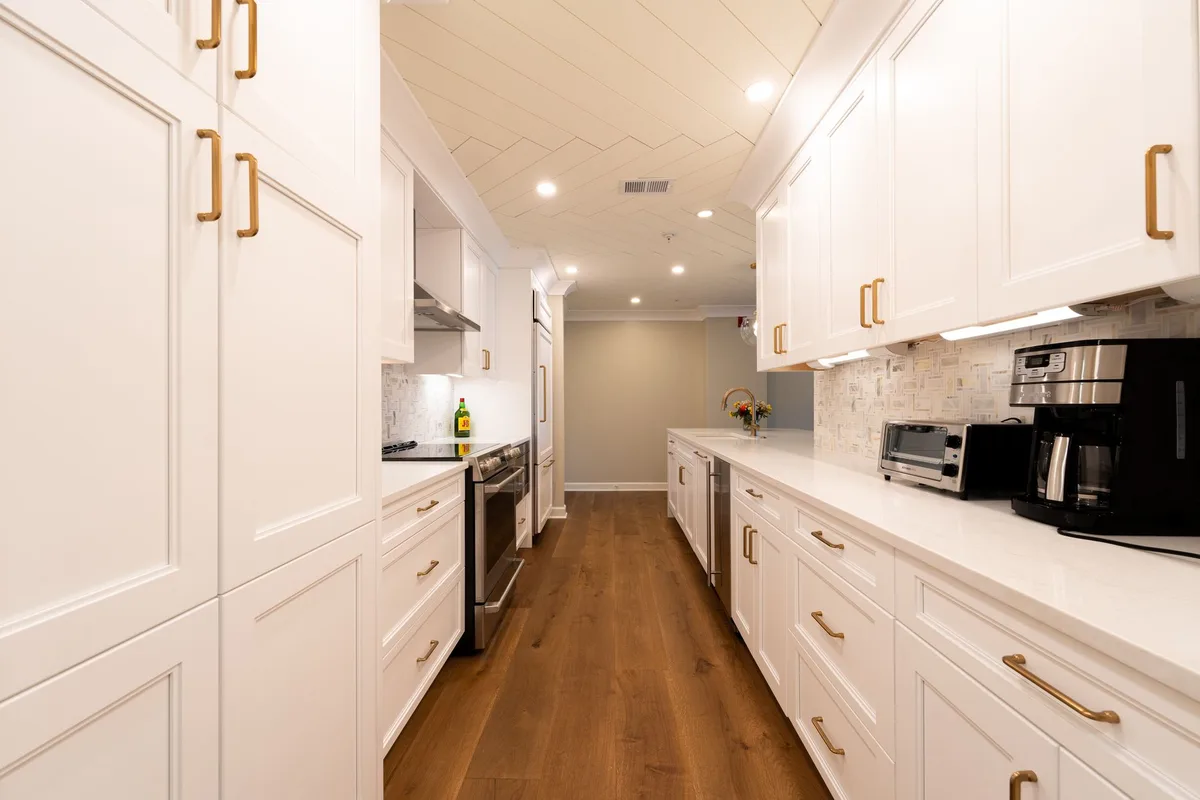
Think of it as a streamlined assembly line for your kitchen tasks. You've got your key zones, typically the sink, refrigerator, and stove, all positioned within easy reach. This linear arrangement, often found in apartments or smaller homes, prioritizes getting a lot of functionality into a minimal footprint without unnecessary dead space.
The Galley Kitchen Layout: Key Features and Design
A galley kitchen stands out because of its distinct spatial configuration. It’s not just about having appliances; it’s about how they are arranged and how that arrangement impacts the kitchen's usability. The design is intentionally focused on efficiency and making the most of limited linear space.
Working Along Parallel Walls
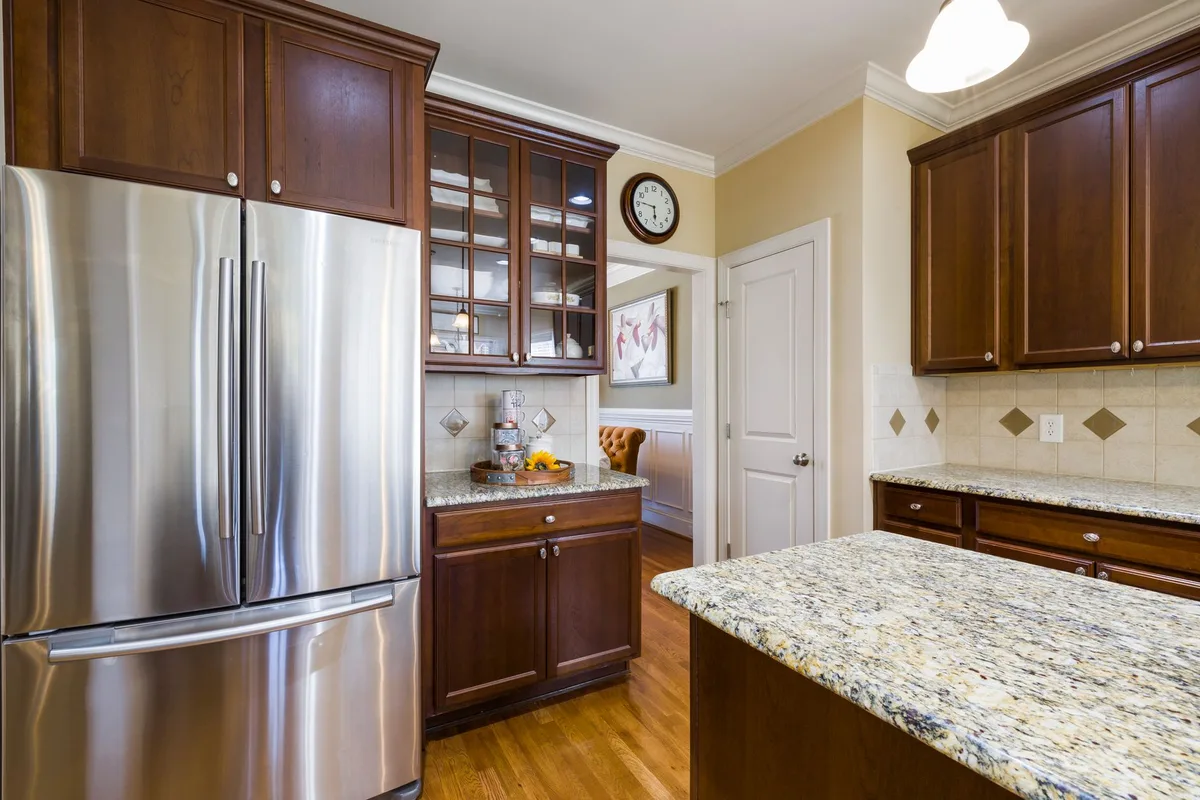
This is the most defining characteristic. The primary work surfaces and appliances are laid out along two opposing walls. This creates a clear "corridor" or walkway down the middle for movement.
The Single-Wall Setup
A variation, and often what people first picture, is the single-wall galley kitchen. Here, all the functional elements, sink, stove, refrigerator, cabinets, and counters, are consolidated onto just one wall. The opposing side might be an open space leading to another room, or simply a wall.
This setup is particularly common in studio apartments or very narrow floor plans where two parallel walls aren't feasible. Regardless of whether it's single-wall or double-wall, the core principle remains: compact, linear efficiency.
Why Are Galley Kitchens So Common? Benefits and Advantages
Galley kitchens aren't just a design trend; they've become popular for some very practical reasons, especially as housing becomes denser and budgets are a consideration. They offer a smart way to pack a lot of kitchen functionality into a space that might otherwise be challenging to work with.
- Space Efficiency: This is the number one reason. Galley kitchens are a brilliant solution for narrow or small areas. They utilize linear space to its full potential, fitting a full range of appliances and counter space where larger layouts wouldn't fit.
- Optimized Workflow: Because everything is laid out in a line, moving between the "work triangle" zones (sink, stove, refrigerator) is often very direct and requires minimal steps. This can make daily cooking tasks feel quicker and less taxing.
- Cost-Effectiveness: Generally, building or renovating a galley kitchen can be more affordable. With fewer corners and a more straightforward layout, you're often looking at less material for cabinets and countertops, and simpler plumbing and electrical work compared to more complex shapes.
- Organized Appearance: The contained nature of a galley layout lends itself well to organization. It's easier to keep this working zone tidy when there isn't a vast expanse where clutter can spread.
Living with a Galley: The Actual Pros and Cons
Like any kitchen design, the galley has its own set of practical realities. It's not just about how it looks, but how it feels and works for the people using it day in and day out. Understanding these trade-offs is key, whether you're buying a home with one or planning a remodel.
The Good Stuff: What Makes It Great
- Super Organized: When everything has its place along a clear line, it's easier to maintain order. This can reduce the mental load of kitchen management.
- Great for Solo Cooking: If you're typically the only one in the kitchen, a galley setup can feel incredibly efficient. You can usually reach everything you need without taking many steps.
- Ideal for Open Concept Homes: In homes with open floor plans where the kitchen flows into living or dining areas, galley kitchens can provide a contained, functional workspace that doesn't visually dominate the entire space. It allows the cook to remain connected to the rest of the home.
The Not-So-Good Stuff: What to Watch Out For
- Can Feel Cramped: If two or more people try to work in a narrow galley kitchen at the same time, it can feel very tight. It’s easy to bump into each other.
- Limited Counter Space: While efficient, the total amount of uninterrupted counter space might be less than in other layouts. This can be tricky for large meal preparations or when multiple tasks need surface area.
- Potential for Feeling Claustrophobic: If not designed well, with poor lighting or dark colors, the tunnel-like nature can make the space feel even smaller and more enclosed.
- Awkward for Socializing in Kitchen: If you love having friends or family gather around you while you cook, a galley kitchen often lacks a natural gathering spot. Guests might feel like they’re in the way or standing in the main walkway.
Who Should Consider a Galley Kitchen? Ideal Use Cases
When you're figuring out if a galley kitchen is the right fit, it's helpful to think about who benefits most from this specific layout. It’s not a one-size-fits-all solution, but for certain situations and types of homeowners, it’s often the smartest choice.
- Small Homes and Apartments: This is the most obvious use case. If you have limited square footage, a galley kitchen maximizes the usable cooking area.
- Narrow Floor Plans: Homes and apartments with longer, narrower footprints are perfectly suited for galley kitchens. The layout flows naturally with the building's shape.
- Homeowners Prioritizing Efficiency: If your main goal is a highly functional, easy-to-navigate cooking space where you can get things done quickly without a lot of walking, a galley design excels.
- Renters: Many rental properties come with galley kitchens because they are cost-effective to build and fit well into standard apartment layouts.
- Second Kitchens or Wet Bars: In larger homes, a galley can be used as a compact secondary kitchen, a catering prep area, or even a stylish wet bar setup.
Making a Galley Kitchen Work: Expert Tips for Small Spaces
Even though galley kitchens are designed for efficiency, there are always ways to enhance their functionality and livability, especially when space is tight. Smart design choices can make a big difference in how spacious and pleasant the kitchen feels.
Lighting the Way
Good lighting is crucial in a galley kitchen. Because the space is linear and can feel enclosed, proper illumination can make it feel much larger and more inviting.
- Under-Cabinet Lighting: This is a game-changer. It bathes your countertops in light, reducing shadows from overhead cabinets and making prep work easier.
- Task Lighting: Ensure your sink and stove areas have direct, focused light. Pendant lights hung strategically can also add a stylish touch and provide focused illumination without taking up counter space.
- Bright Overhead Fixtures: Don't rely on just one main light. Use recessed lighting or bright ceiling fixtures to illuminate the entire walkway.
Storage Smarts
Maximizing storage is key in any kitchen, but it's paramount in a galley setup where every inch counts.
- Go Vertical: Utilize the full height of your cabinets. Consider adding extra shelves or using stackable storage solutions.
- Drawer Inserts and Organizers: Keeping drawers and cabinets tidy with dividers makes it easier to find what you need and prevents things from getting lost in the back.
- Wall-Mounted Options: Magnetic knife strips or wall-mounted spice racks can free up valuable counter and drawer space.
Galley Kitchens vs. Other Layouts: A Quick Look
When you're thinking about kitchen design, it's helpful to see how a galley kitchen stacks up against other common layouts. Each has its strengths, and knowing what they are helps you decide which is best for your space and needs. It's not about one being universally "better," but rather which one fits your lifestyle and home layout.
- L-Shaped Kitchen: This design uses two adjacent walls, forming an "L." It typically offers more open floor space than a galley and can be quite social. It tends to work well in medium-sized rooms and offers good workflow, but can sometimes have a large corner cabinet that’s hard to access.
- U-Shaped Kitchen: Utilizing three walls, this layout creates a very enclosed workspace with plenty of counter and cabinet space. It's excellent for cooks who want everything within easy reach. However, it can feel cramped in smaller rooms and might limit conversational flow compared to other designs.
- Island Kitchen: Often combined with an L-shape or a straight line of cabinets, an island adds significant workspace and storage. It's great for entertaining and provides a central hub, but requires a larger room to avoid feeling crowded.
Ultimately, the choice between these layouts depends on the shape and size of your room, how you use your kitchen, and your desired social atmosphere.
Common Galley Kitchen Mistakes to Sidestep
While galley kitchens offer fantastic efficiency, there are a few common pitfalls that can turn a functional space into a frustrating one. Avoiding these can truly make the difference between a kitchen you tolerate and one you love.
- Ignoring Lighting: As mentioned, dim galley kitchens are the worst. Relying on a single overhead light source is a recipe for a gloomy, tunnel-like space. Make sure you have layered lighting: ambient, task, and accent.
- Over-Cluttering Countertops: Because the counter space is often limited, letting it get piled up quickly makes the kitchen feel even smaller and harder to work in. Keep appliances to a minimum on the counters and store items away when not in use.
- Blocking the Walkway: The central walkway is vital for a galley kitchen’s function. Placing too many items in this path, like freestanding bins or furniture, can make movement difficult and unsafe.
- Dark, Heavy Cabinetry: While dark cabinets can look chic, in a narrow galley space, they can absorb light and make the room feel significantly smaller and more enclosed. Lighter colors tend to reflect light better and open up the space.
Do Galley Kitchens Always Feel Small?
No, galley kitchens don't always have to feel small, though their inherent narrowness means careful design is needed to combat that feeling. The key is to create a sense of openness and maximize the perceived space. This often comes down to two main elements: color and light.
Using light, cohesive colors for cabinetry, countertops, and walls can visually expand the space. Think whites, creams, light grays, or soft pastels. Keeping the color palette simple helps the eye flow smoothly from one end of the kitchen to the other.
Additionally, as discussed in the tips section, strategic lighting is paramount. Well-lit galleys, especially those with under-cabinet lighting and a bright overhead fixture, can feel airy and spacious. Even adding a well-placed mirror can help bounce light around and create an illusion of greater depth.
How Do You Improve a Tight Galley Kitchen?
Improving a tight galley kitchen often focuses on making the most of the existing footprint and enhancing its perceived size and functionality. It’s about working smarter with the space you have.
- Sleek, Integrated Appliances: Opt for appliances that fit seamlessly into your cabinetry. This could mean built-in ovens, integrated dishwashers that have cabinet fronts, and slim-profile refrigerators. Less visual "breakup" makes the space feel more cohesive.
- Streamlined Cabinetry: Flat-panel, handleless cabinets can create a very clean, modern look that doesn't interrupt the visual flow. Avoid overly ornate designs that can make the space feel busy.
- Consider a Peninsula Extension: If one side of your galley is open, extending the countertop into a small peninsula can add valuable prep space and a casual seating area without closing off the room. This can make the kitchen feel more social.
- Mirrors or High-Gloss Finishes: Using mirrors strategically, or opting for high-gloss finishes on cabinets or backsplashes, can reflect light and create a sense of depth, making the kitchen appear larger.
Can You Entertain Guests in a Galley Kitchen?
Entertaining in a galley kitchen presents unique challenges, but it's certainly not impossible with the right approach. The main hurdle is the limited space and the flow of people.
If the galley is on a single wall that opens to a dining or living area, guests can stand or sit in the adjacent space and converse with the cook. You can also design in a small breakfast bar or peninsula extension where one or two people might sit. However, it's generally not a layout where you can comfortably host a large group mingling inside the kitchen itself.
It’s best to think of entertainment in a galley kitchen as the cook being visibly part of the social gathering, rather than the kitchen being the gathering hub itself.