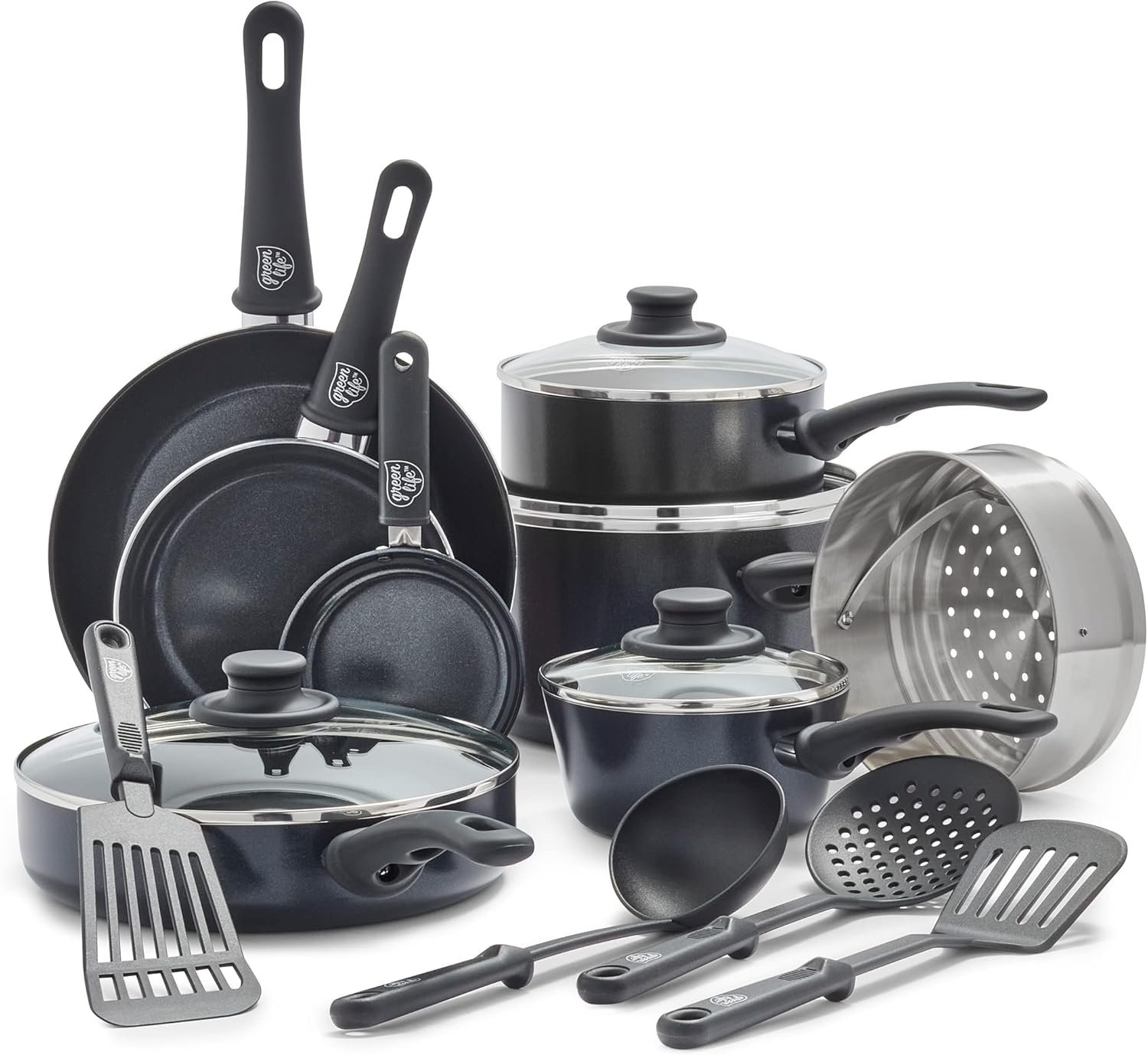
Carbon steel cookware is made from iron and a small amount of carbon. It heats quickly, works well for high-heat cooking, and develops a natural nonstick surface when seasoned and cared for properly.
From cooking eggs before work to searing steak for a weekend dinner, American home cooks need pans that can handle many jobs. Carbon steel cookware offers a simple mix of strength, heat control, and versatility. It is common in professional kitchens, but it can also work well in an everyday home kitchen.
A carbon steel pan looks a little like cast iron, yet it is often thinner and lighter. You can use it to fry eggs, brown meat, sauté vegetables, and cook foods that need a hot pan. The main trade-off is care. Most carbon steel pans need seasoning, careful drying, and a little attention to prevent rust.
This guide explains what carbonsteel cookware is, how it works, what it is good for, and how to care for it. It also compares carbon steel with cast iron, stainless steel, and coated nonstick pans. These details can help you decide whether it fits your cooking habits and budget.
Carbon steel cookware is made mainly from iron and carbon. Manufacturers form the metal into pans, skillets, woks, griddles, and other cooking tools. The carbon content is generally higher than that of many common steels, but much lower than the amount found in cast iron.
The metal is strong and can be shaped into relatively thin cookware. This helps explain why many carbon steel frying pans feel lighter than cast iron pans of a similar size. The exact weight depends on the pan’s diameter, thickness, handle, and overall design.
Unlike many nonstick pans, traditional carbon steel cookware does not rely on a factory-applied polymer coating to release food. Instead, cooks build a layer of seasoning on the cooking surface. That layer helps reduce sticking and protects the iron from moisture.
Source: thekitcheneye.com
Iron
Iron makes up most of the material. It gives the pan strength and helps it hold heat during cooking.
Carbon
Carbon changes the properties of iron and helps create a strong, workable steel. The exact amount depends on the steel grade.
Seasoning
Seasoning is a thin layer formed when a suitable cooking oil is heated on the metal. It helps protect the surface and improves food release over time.
Is Carbon Steel the Same as Stainless Steel?
No. Carbon steel and stainless steel have different compositions and surface behavior. Stainless steel contains enough chromium to form a protective oxide layer that improves resistance to rust and corrosion. Traditional carbon steel does not have the same level of protection.
That difference affects daily care. Stainless steel cookware can usually be washed with dish soap and water, then dried without seasoning. Bare carbon steel needs more attention to moisture and often benefits from a thin coat of oil after cleaning.
Carbon steel
Usually needs seasoning and careful drying. It is valued for quick heat response and a naturally seasoned cooking surface.
Stainless steel
Resists rust more effectively and is easy to maintain, but food may stick without proper preheating and enough cooking fat.
Does Carbon Steel Have a Chemical Nonstick Coating?
Traditional bare carbon steel does not need a synthetic nonstick coating. Its food-release properties improve as the seasoning layer develops through use and care. However, the phrase carbon steel alone does not guarantee that every product has the same surface treatment.
Some pans are sold pre-seasoned, while others have a temporary protective coating that must be removed before use. Always read the manufacturer’s instructions. If a product has an enamel, ceramic, or other applied coating, its care and heat limits may differ from those of bare carbon steel.
Check the product description
Confirm whether the pan is bare, pre-seasoned, coated, or supplied with a removable protective layer.
How Does Carbon Steel Cookware Work?
Carbon steel cookware transfers heat from a burner to the cooking surface and then to the food. Its relatively thin metal can respond quickly when you raise or lower the heat. That makes it useful for tasks where timing and temperature control matter.
Heat response and heat retention are not the same thing. Heat response describes how quickly a pan changes temperature when the burner setting changes. Heat retention describes how well it holds heat after the food or another cooler object touches it.
A thin carbon steel pan may heat quickly but lose some heat when you add a large amount of cold food. A thicker pan may hold heat better but take longer to warm up. Burner size, pan thickness, food quantity, and cooking temperature all affect results.
Source: theskillfulcook.com
Quick response
The pan can react promptly to changes in burner output, which helps when sautéing vegetables or adjusting heat during frying.
High-heat cooking
Suitable bare carbon steel can handle high temperatures within the manufacturer’s limits, making it useful for searing and stir-frying.
Seasoned food-release surface
A sound seasoning layer helps food release more easily when the pan is properly heated and used with suitable cooking fat.
Why Does Carbon Steel Need Preheating?
Preheating helps bring the cooking surface to a more even temperature before food touches it. If you add eggs or meat to a cold pan, the food may stick or cook unevenly. A short, controlled preheat can improve results.
Do not assume that the highest burner setting is always best. Carbon steel can become very hot, and an empty pan left over high heat may overheat or damage its seasoning. Warm it gradually, then adjust the heat to suit the food.
Look for even heating
Warm the pan over low to medium heat as needed, then adjust the setting after the surface is ready.
Use enough cooking fat
For eggs, fish, and other delicate foods, a suitable amount of oil or butter can help reduce sticking.
What Is Carbon Steel Cookware Best Used For?
Carbon steel cookware is especially useful for searing, frying, sautéing, and browning. Its combination of heat response and a seasoned surface makes it a practical choice for cooks who want one pan to handle several tasks. A skillet can move from stovetop cooking to the oven if its construction and handle are rated for that use.
In a typical American kitchen, a carbon steel skillet can brown burgers, sear a steak, cook breakfast potatoes, or sauté vegetables for dinner. A carbon steel wok is useful for stir-frying because its shape and heat response support quick cooking in small batches.
The pan still needs the right technique. Delicate foods may stick when the seasoning is new, and a large batch of cold ingredients can lower the cooking temperature. Start with manageable portions and allow the pan to warm up before adding food.
Source: cdn.shopify.com
Steak and burgers
A properly heated pan can help brown the outside of meat. Dry the surface of the meat before cooking and avoid crowding the pan.
Eggs and breakfast foods
A well-seasoned pan can cook eggs, hash browns, and pancakes with less sticking when the temperature and amount of fat are right.
Stir-fried vegetables
A wok or skillet can handle short, hot cooking sessions. Cook in batches if adding too many ingredients would cool the pan.
Fish and chicken
A well-preheated, seasoned pan can brown these foods. Use enough fat and allow the food to release naturally rather than forcing it loose too early.
Can You Cook Eggs in Carbon Steel?
Yes. Carbon steel can work well for eggs once the seasoning is established. The key is to preheat the pan gently, add enough cooking fat, and keep the heat moderate. Very high heat can make eggs cook too quickly and stick to the surface.
A new pan may need time to develop a reliable seasoning layer. If eggs stick, review the preheating method, pan temperature, and seasoning before deciding that the cookware cannot handle the job.
Start with moderate heat
Avoid heating the pan until it smokes heavily. A controlled temperature gives eggs time to set without scorching.
Use a thin, even layer of fat
Butter or cooking oil can help eggs release. Add it once the pan is warm enough for the cooking method.
Can You Cook Acidic Foods in Carbon Steel?
Long cooking sessions with acidic foods, such as tomato sauce, vinegar-heavy dishes, or wine-based sauces, can weaken seasoning and expose the iron underneath. Acid may also react with the metal and affect the flavor or appearance of the food.
For a brief splash of wine or a quick pan sauce, the result depends on the pan’s seasoning, the amount of acid, and the cooking time. For long tomato braises or other strongly acidic recipes, stainless steel or suitable enameled cookware is usually a more convenient choice.
Use another pan for long acidic cooking
Stainless steel or enameled cookware is generally better suited to simmering tomato sauces for extended periods.
Carbon Steel vs. Cast Iron, Stainless Steel, and Nonstick
Carbon steel is not automatically better than other cookware. Each material handles heat, cleaning, and food release in a different way. The right choice depends on what you cook most often and how much care you want to give your pans.
Carbon steel and cast iron share a similar basic composition, but they are usually formed differently. Carbon steel pans are often thinner and more responsive to changes in heat. Cast iron is commonly thicker and heavier, which can help it retain heat for searing and baking.
Stainless steel offers easier rust resistance and works well for acidic sauces. Factory-coated nonstick cookware can make delicate foods easier to cook and clean, but the coating has its own care instructions and may wear over time.
Source: kitchenguide101.com
Carbon steel
Best for cooks who want a responsive pan, high-heat performance, and a seasoning-based surface. It needs careful drying and periodic maintenance.
Cast iron
Best for cooks who value heat retention for searing, roasting, baking, and other steady-heat tasks. It is usually heavier and also needs care if uncoated.
Stainless steel
Best for cooks who want a versatile, rust-resistant surface for browning, pan sauces, and acidic foods without routine seasoning.
Coated nonstick
Best for convenient low- to medium-heat cooking of eggs and other delicate foods. Follow the coating’s temperature limits and use guidance.
Quick Comparison of Common Cookware Materials
Use this table to compare the main practical differences. These are general tendencies, not guarantees for every pan. Thickness, construction, coating, and manufacturer guidance can change the result.
Heat response
Carbon steel is often quick to respond. Cast iron usually changes temperature more slowly, while stainless steel performance depends heavily on its layered construction.
Rust resistance
Stainless steel generally resists rust best in routine kitchen use. Bare carbon steel and bare cast iron need prompt drying.
Food release
Seasoned carbon steel and cast iron can release food well with good technique. Coated nonstick pans provide factory-made release when their coating remains in good condition.
Acidic recipes
Stainless steel is usually the easiest option for long tomato or vinegar-based cooking. Bare seasoned carbon steel and cast iron need more care.
Is Carbon Steel Better Than Cast Iron?
Neither material wins every task. Carbon steel is often easier to lift, tilt, and move around the stove. Cast iron often offers greater heat retention in a heavy pan, which can be useful when searing a large cut of meat or baking cornbread.
Choose carbon steel if you value a responsive skillet that is easier to maneuver. Choose cast iron if you prefer a heavy pan that holds heat well and do not mind the extra weight. Both can develop seasoning and both can rust when neglected.
Choose carbon steel for agility
Its relatively light construction can make tossing vegetables and moving the pan easier.
Choose cast iron for steady heat
A heavy cast iron pan can hold substantial heat, although the exact result depends on its size and thickness.
How to Season Carbon Steel Cookware
Seasoning creates a thin protective layer on bare carbon steel. When oil is heated under suitable conditions, it forms a bonded film on the metal. This layer helps limit rust and can improve food release with regular use.
Some carbon steel pans arrive pre-seasoned, while others need an initial seasoning process. Follow the instructions for your exact pan because factory finishes and recommended methods vary. If the pan has a removable protective coating, remove it as directed before seasoning.
Seasoning is not the same as leaving a thick layer of oil on the surface. Too much oil can become sticky or uneven. The goal is a very thin film that forms a dry, smooth layer after heating.
Source: learn.surlatable.com
Read the care instructions
Confirm whether the pan is pre-seasoned and whether any shipping coating must be removed.
Clean the bare pan as directed
Remove factory residue or a protective coating according to the manufacturer’s guidance. Dry the pan fully.
Apply a very thin coat of oil
Spread a suitable cooking oil over the cooking surface. Wipe away excess oil until the metal looks almost dry.
Heat the pan safely
Use the manufacturer’s recommended stovetop or oven method. Make sure the pan and handle are rated for the chosen method.
Let the pan cool as directed
Once the seasoning cycle is complete, allow the pan to cool safely before handling or storing it.
How Do You Know If Seasoning Worked?
A seasoned carbon steel pan often develops a darker surface over time. The color may vary from golden brown to deep brown or nearly black. Color alone does not prove that the seasoning is good or bad.
A useful seasoning layer should feel dry rather than greasy or tacky. If the pan has sticky patches, the oil may have been applied too thickly or heated incorrectly. Follow the care instructions to correct the surface before cooking delicate foods.
Good signs
The surface is dry to the touch, has no loose rust, and releases food more easily as you cook and maintain it.
Signs of a problem
Sticky oil, flaky layers, or rust may point to excess oil, poor drying, or damaged seasoning.
Which Oil Should You Use?
Choose an oil that is suitable for the seasoning temperature and the manufacturer’s directions. Common cooking oils may work, but their smoke points and behavior differ. A thin, even layer matters more than pouring on a large amount.
Seasoning can produce smoke, so use good ventilation and avoid leaving the pan unattended. Never heat cooking oil until it catches fire. If a method requires an oven, confirm that the entire pan, including its handle, is oven-safe at that temperature.
Keep the layer thin
A small amount of oil spread evenly is less likely to leave a sticky finish.
Avoid uncontrolled high heat
Use the recommended temperature and method rather than guessing or leaving the pan over a hot burner.
How to Clean and Maintain Carbon Steel Cookware
The main rule is simple: clean the pan without leaving it wet. Water can cause bare carbon steel to rust, so wash it as needed, dry it completely, and apply a thin coat of oil if the care instructions recommend it.
You do not need to treat every small food mark as a disaster. A seasoned pan will change color with use, and minor changes in appearance are normal. Focus on whether the surface is clean, dry, sound, and suitable for cooking.
Avoid soaking the pan for long periods or leaving it in a sink full of water. A dishwasher is generally unsuitable for bare carbon steel because prolonged water exposure and harsh detergents can damage seasoning and encourage rust.
Source: cdn.shopify.com
Wash after use
Use warm water and a suitable brush or sponge to remove food residue. Follow the manufacturer’s advice about dish soap.
Remove stuck food gently
Use a scraper or suitable cleaning tool. Avoid aggressive scraping that unnecessarily strips sound seasoning.
Dry completely
Wipe the pan dry and, if appropriate, warm it briefly over low heat to remove hidden moisture.
Protect the surface
Once dry, wipe on a very thin layer of cooking oil if recommended for your pan.
Store in a dry place
Keep the pan away from standing water and trapped moisture. If stacking cookware, protect the surfaces from scratches.
What Should You Do If Carbon Steel Rusts?
Small areas of surface rust can often be removed with a suitable scrubber. Clean the affected area, rinse as needed, and dry the pan fully. Then restore the seasoning according to the manufacturer’s instructions.
If rust is extensive, the metal is deeply pitted, or the pan’s coating is damaged, check the manufacturer’s guidance before using it again. Do not simply cover heavy rust with oil and assume the surface is ready for food.
For light rust
Scrub away the rust, clean the surface, dry it completely, and reseason the exposed area or pan as needed.
For deep corrosion
Inspect the pan carefully and contact the maker if the damage affects the metal or an applied coating.
How Do You Fix a Sticky Carbon Steel Pan?
A sticky surface often means too much oil was left on the pan during seasoning or the oil did not heat correctly. More oil is not always better. Seasoning works best when each layer is very thin.
Clean off excess sticky residue using a method suitable for the pan, then dry it and apply a thin coat of oil if needed. Follow the maker’s instructions for restoring the seasoning rather than repeatedly adding thick layers.
Use less oil
Wipe away visible excess before heating the pan.
Avoid layering over residue
Remove sticky buildup before applying another seasoning layer.
Is Carbon Steel Cookware Safe?
Traditional carbon steel cookware is made mainly from iron and carbon. When the pan is intact and used as intended, it is a common cooking material. Its safety still depends on the product’s construction, condition, use, and any coatings or treatments added by the manufacturer.
One practical point is that iron can interact with food. Cooking conditions, food acidity, cooking time, and the pan’s surface can affect how much iron transfers into food. This is one reason to avoid assuming that every recipe or every user will have the same result.
People who have a medical reason to limit iron intake should ask a qualified health professional whether using iron cookware is suitable for them. This guide cannot determine an individual’s dietary or medical needs.
Source: cdn.sanity.io
Choose cookware with clear material information
Buy from a seller or maker that identifies the material, intended use, and any applied coatings.
Follow temperature limits
Use the pan within the manufacturer’s limits, especially if it has a coated surface or a handle made from another material.
Maintain the surface
Keep the pan clean and dry, and repair seasoning problems before they lead to rust or persistent residue.
Do not confuse seasoning with a coating warranty
A naturally seasoned surface and a factory-applied coating have different properties. Use the product’s actual care instructions.
Is Carbon Steel Cookware Non-Toxic?
The term non-toxic is broad and should not be treated as a guarantee about every product or every cooking condition. Bare carbon steel does not require a synthetic nonstick coating, but the complete product may include a handle, finish, or protective treatment that changes its care requirements.
For a straightforward choice, look for a clearly identified bare carbon steel pan from a reputable maker and follow its instructions. Avoid using cookware with an unknown coating, severe corrosion, or damage that the manufacturer says makes it unsuitable for food contact.
Read the specifications
Check the material, coating status, temperature rating, and instructions for initial preparation.
Avoid broad safety claims
No single cookware label proves that every use is risk-free for every person.
Can Carbon Steel Go in the Oven?
Many carbon steel pans can go in the oven, but you should confirm the exact model’s rating first. The metal pan itself may tolerate oven heat while its handle, grip, or other attached parts may not.
If the manufacturer approves oven use, follow the stated temperature limit and use suitable oven mitts. Carbon steel can become extremely hot, and its handle may not look hot even when it can cause a burn.
Check the full pan, not just the metal
The handle, fasteners, helper grip, and any coating may set the practical temperature limit.
Advantages and Disadvantages of Carbon Steel Cookware
Carbon steel’s main advantage is its balance of strength, heat response, and versatility. One well-chosen skillet can handle many everyday tasks, which may reduce the need to switch between several pans. With suitable care, a bare carbon steel pan can last for many years.
The trade-off is maintenance. Unlike stainless steel, bare carbon steel can rust when left wet. It may also need seasoning repairs, and the cooking surface may not release delicate foods well until the seasoning and technique improve.
Think about your kitchen routine before buying. If you enjoy caring for cookware and often sear, fry, or sauté, carbon steel may suit you. If you want to wash a pan and put it away with little thought, stainless steel or suitable coated nonstick cookware may be more convenient.
Source: learn.surlatable.com
Advantages
Relatively light construction, fast heat response, high-heat versatility, no need for a synthetic nonstick coating on bare pans, and the ability to renew seasoning.
Disadvantages
Rust risk, a need for seasoning, extra drying and storage care, possible sticking when new, and limited suitability for long acidic recipes.
Who Should Buy Carbon Steel Cookware?
Carbon steel is a sensible option for home cooks who use a skillet often and do not mind a short cleaning routine. It can be especially useful for people who cook meat, eggs, vegetables, and other foods that benefit from a hot pan.
It may not be the best first choice for someone who frequently leaves dishes soaking, wants dishwasher-safe cookware, or mainly prepares long-simmered tomato sauces. A different material may make those routines easier.
A good fit
You enjoy pan-searing, sautéing, frying, and learning how heat and seasoning affect food.
A less convenient fit
You want almost no maintenance, often cook acidic sauces for long periods, or need a pan that can sit wet without rusting.
What Size Carbon Steel Pan Should You Choose?
For many households, a medium skillet is a practical starting point. A pan around 10 to 12 inches across can handle several eggs, a few portions of vegetables, or a modest amount of meat. The best size depends on the number of people you cook for and the size of your burner.
A very large pan can be hard to heat evenly on a small burner. A small pan may crowd food when cooking for several people. Choose a size that matches both your stove and your usual portions.
Smaller pan
Useful for one or two portions, quick breakfasts, and kitchens with limited storage.
Medium skillet
A versatile size for everyday cooking in many home kitchens.
Large skillet or wok
Useful for larger portions or stir-frying, provided the burner can heat the pan adequately.
Common Carbon Steel Cookware Mistakes to Avoid
Most carbon steel problems come from moisture, excess oil, or poor heat control. These issues are usually easier to prevent than to fix. A few simple habits can keep the pan ready for daily use.
Do not treat carbon steel exactly like stainless steel or a coated nonstick pan. Its seasoning is part of the cooking surface, so cleaning and heating methods should protect that layer rather than strip it without reason.
If the pan behaves differently from what you expect, identify the problem before starting over. Sticking, rust, sticky residue, and uneven browning each point to different possible causes.
Source: theskillfulcook.com
Leaving the pan wet
Moisture can cause rust. Dry the pan thoroughly after washing and store it in a dry place.
Applying too much oil during seasoning
Thick oil layers can become sticky or uneven. Wipe the pan until very little visible oil remains.
Using excessive heat from the start
A pan that gets too hot too quickly may smoke heavily, damage seasoning, or burn food. Increase heat gradually.
Cooking a large batch in a small pan
Crowding lowers the cooking temperature and can cause food to steam instead of brown. Work in batches when needed.
Expecting instant nonstick performance
A new pan may need seasoning and practice. Preheating, cooking fat, and the right temperature all affect release.
Using the pan for long acidic recipes
Acidic foods may weaken seasoning or react with exposed iron. Use suitable stainless steel or enameled cookware for long simmering.
Troubleshooting Guide
Use the symptom to narrow down the likely cause. These checks are practical starting points, not a guarantee that every pan has the same problem or needs the same repair.
Food sticks
Check preheating, temperature, cooking fat, and seasoning condition. Try a simpler food before changing several variables at once.
Surface feels sticky
Excess oil or incomplete seasoning may be the cause. Clean the residue and follow the recommended seasoning method.
Orange or reddish spots appear
These may indicate rust. Remove light surface rust, dry the pan, and restore seasoning as directed.
Food browns unevenly
The burner may not match the pan’s size, or the pan may not have heated evenly. Adjust the heat and use a compatible burner.
Seasoning looks patchy
Uneven color is not always a problem. Check for loose flakes, sticky areas, rust, or poor food release before deciding to reseason.
Frequently Asked Questions
Q
What is carbon steel cookware in simple terms?
Carbon steel cookware is a pan or other cooking vessel made mainly from iron with a small amount of carbon. It is often thinner and lighter than cast iron and responds quickly to changes in heat. Bare carbon steel usually needs seasoning and careful drying to help prevent rust.
Q
Is carbon steel cookware good for everyday cooking?
Yes, carbon steel can be useful for everyday cooking if you are willing to maintain it. It handles frying, sautéing, browning, and searing well. It may be less convenient if you want dishwasher-safe cookware or often cook acidic sauces for long periods.
Q
Is carbon steel cookware better than stainless steel?
Neither is better for every task. Carbon steel is often lighter and can develop a seasoning-based food-release surface. Stainless steel resists rust better, needs no seasoning, and is generally more convenient for acidic sauces and simple cleanup.
Q
Does carbon steel cookware need seasoning?
Bare carbon steel generally needs seasoning unless the maker has already seasoned it. Seasoning helps protect the metal and can improve food release. Follow the product instructions, use a thin layer of oil, and avoid leaving the pan wet.
Q
Can carbon steel cookware go in the dishwasher?
Traditional bare carbon steel cookware should not go in the dishwasher. Prolonged water exposure and strong detergents can damage seasoning and cause rust. Hand-wash the pan as directed, dry it completely, and protect the surface before storage if the maker recommends it.
Q
Can carbon steel cookware be used on an induction stove?
Many carbon steel pans work on induction because carbon steel is magnetic. However, the base must be compatible with the cooktop and should make suitable contact with the cooking zone. Check the manufacturer’s specifications, especially if the pan has a curved base or is a wok.
Q
Does carbon steel cookware contain PFAS?
Bare carbon steel does not need a PFAS-based nonstick coating. However, the material name alone does not establish the composition of every finished product. Check whether the specific pan has an applied coating and review the manufacturer’s material and care information.
Q
How long does carbon steel cookware last?
A well-made carbon steel pan can last for many years because its seasoning can be maintained or renewed. Its useful life depends on metal thickness, construction, corrosion, storage, and how it is used. Severe corrosion, structural damage, or a damaged applied coating may mean the pan needs repair or replacement.
✦ Wrapping Up
Conclusion
Carbon steel cookware is a durable, versatile option made mainly from iron and carbon. It heats quickly, works well for searing and frying, and can develop a useful food-release surface through seasoning. Its main drawback is the need to keep bare metal clean, dry, and protected from rust.
Compared with cast iron, carbon steel is often easier to maneuver and quicker to respond to heat changes. Compared with stainless steel, it needs more maintenance. Compared with coated nonstick cookware, it asks for more cooking technique but does not depend on a factory-applied nonstick coating when the pan is bare.
The best choice comes down to your routine. If you enjoy cooking with a hot pan and do not mind a short care process, carbon steel may earn a regular place on your stove. If easy cleanup and low maintenance matter most, stainless steel or suitable coated cookware may fit better.
💡 Key Takeaway
Before buying, choose a pan size that matches your stove, confirm whether it is bare or pre-seasoned, check the handle and oven ratings, and read the care instructions. Start with simple meals, use controlled heat, dry the pan after washing, and build seasoning gradually.