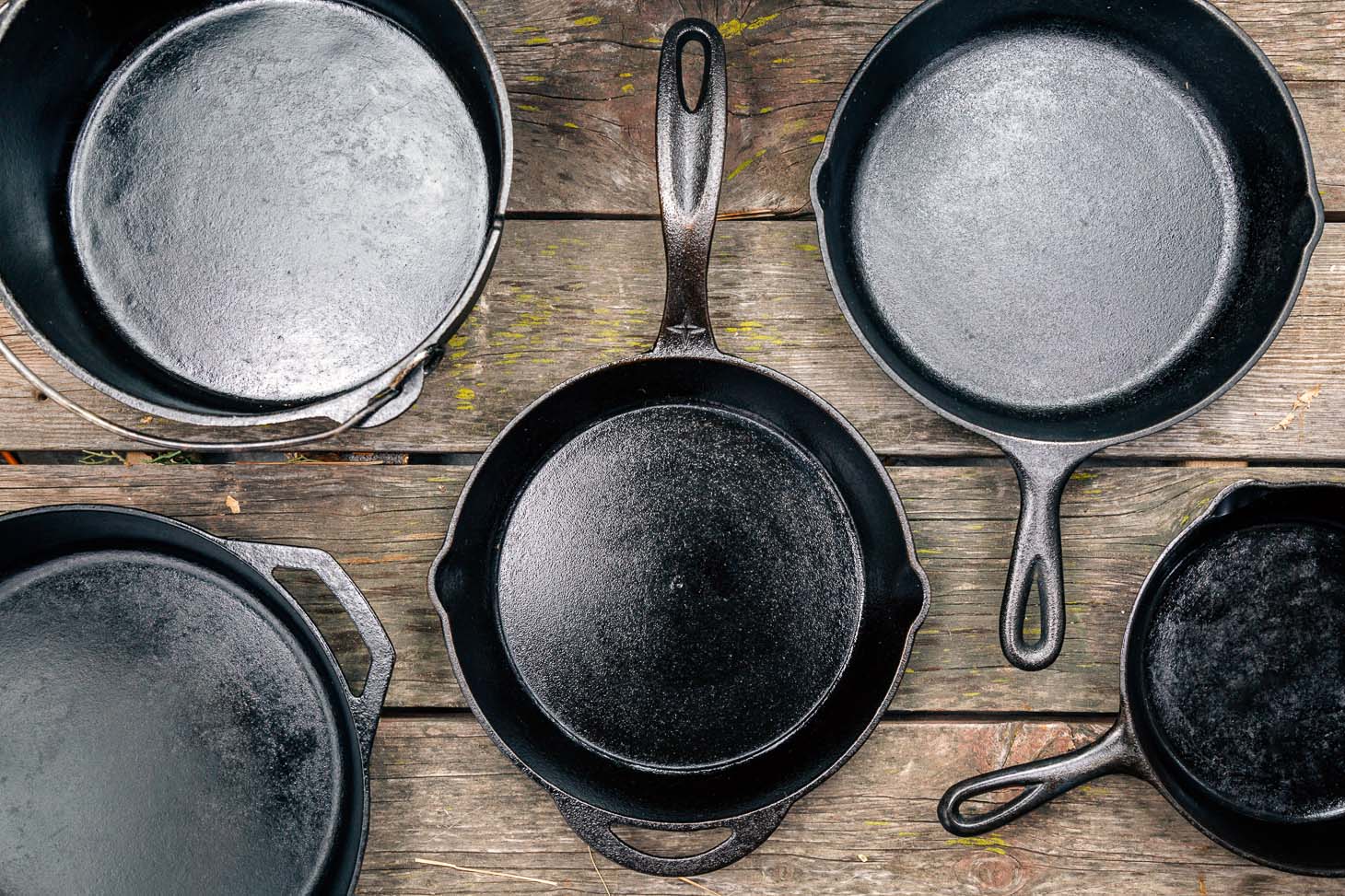
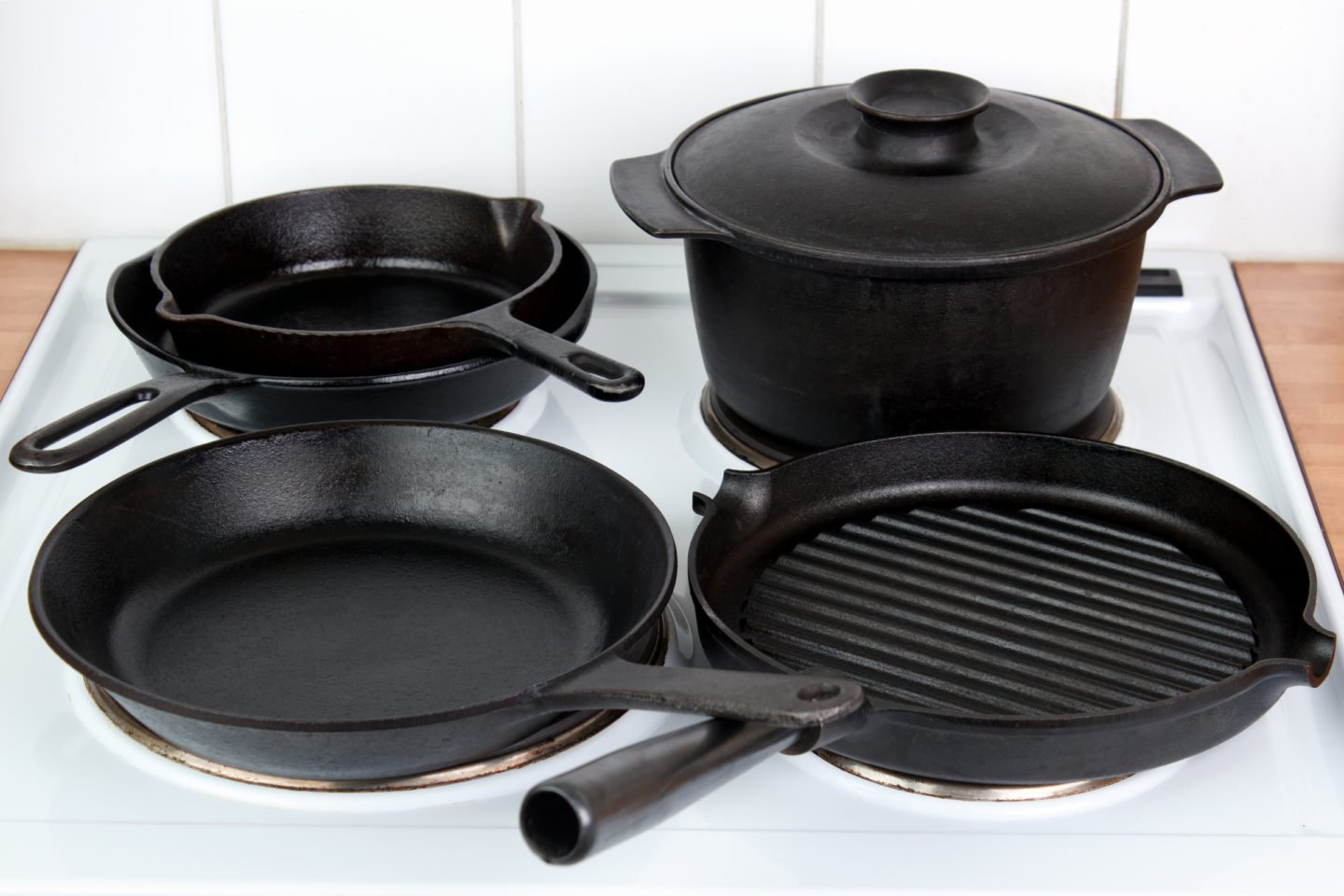
Cast iron cookware is made from iron poured into molds to create strong pots, pans, skillets, and Dutch ovens that hold heat well and can last for decades with proper care.
In American kitchens, cast iron cookware is a familiar sight on stovetops, in ovens, and beside backyard grills. Home cooks use it to sear steaks, fry eggs, bake cornbread, roast vegetables, and make one-pan dinners. Its heavy build helps it hold heat, which makes it useful when food needs a hot, steady cooking surface.
Cast iron differs from many modern pans because it needs a little care. Traditional bare cast iron usually has a thin layer of baked-on oil called seasoning. This layer helps protect the metal from rust and makes the cooking surface easier to use. Enameled cast iron has a glass-like coating instead, so it needs a different care routine.
The right choice depends on how you cook, how much weight you can comfortably handle, and whether you want a natural seasoned surface or an enamel coating. Understanding these differences can help you choose a pan that suits your meals without adding needless work to your kitchen routine.
Cast iron cookware is kitchen equipment made from cast iron, a material containing iron and carbon. Manufacturers melt the metal, pour it into a mold, and let it cool into the desired shape. The result is a thick, sturdy pan or pot that can handle high cooking temperatures when used correctly.
The word cast describes how the cookware is formed. Unlike a pan made from a thin sheet of metal, cast iron cookware takes shape inside a mold. This process allows manufacturers to create heavy skillets, deep Dutch ovens, griddles, grill pans, and other cooking tools.
Traditional cast iron often has a dark, seasoned surface. Enameled versions have a smooth colored or dark coating over the iron. Both types benefit from the metal’s ability to store heat, but their surface care and cooking characteristics differ.
Cast iron cookware is not the same as carbon steel cookware. Both contain iron and carbon, but they are made and shaped differently. Carbon steel pans are usually thinner and lighter, while cast iron pans tend to be thicker and heavier.
Source: kitchenbap.com
Main material
Cast iron is an iron-based metal with carbon and other elements in varying amounts.
Common forms
Skillets, Dutch ovens, griddles, grill pans, baking pans, and large cooking pots.
Main advantage
The material retains heat well and can provide steady cooking temperatures once fully heated.
Main trade-off
The cookware is heavy and often needs more care than stainless steel or many coated aluminum pans.
How Is Cast Iron Cookware Made?
The basic process starts by melting iron and pouring the molten metal into a prepared mold. After the metal cools, the manufacturer removes the cookware, finishes the surface, and checks its shape. Bare cast iron may then receive a factory seasoning layer, while enameled cookware receives a glass-like coating that is bonded to the iron.
Some pans have a rougher cooking surface, while others are machined or polished more smoothly. Surface texture can affect how a pan feels and how easily food releases, but seasoning, preheating, and cooking technique also play important roles.
Molding
Molten iron takes the shape of a skillet, pot, or other cookware design.
Finishing
The cooled piece is cleaned and finished to prepare it for cooking.
Surface treatment
Bare cookware may be seasoned, while enameled cookware receives a protective coating.
How Does Cast Iron Cookware Work?
Cast iron cookware works by absorbing heat from a burner, oven, or fire and storing some of that energy in the metal. The pan then transfers heat to the food touching its surface. This stored heat can help the pan recover when you add cold or room-temperature ingredients.
That feature is useful when searing a steak or browning mushrooms. A thin pan may lose surface heat quickly when food goes in, especially if the pan is crowded. A properly heated cast iron pan can maintain a strong cooking temperature, although results still depend on burner power, pan size, food moisture, and cooking technique.
Cast iron does not heat as quickly or evenly as every other cookware material. It can develop hot spots, especially over a small burner or when heated too fast. Slow, gradual preheating helps the metal warm more evenly and reduces the chance of thermal stress.
Source: recipes.net
Heat retention
The heavy metal stores heat and releases it during cooking.
Searing
A well-preheated pan can brown meat and vegetables when the surface is hot and reasonably dry.
Oven use
Many bare cast iron pans can move from the stovetop to the oven, subject to the manufacturer’s temperature and handle instructions.
Temperature control
Cast iron responds more slowly to changes in burner settings than thinner cookware, so small adjustments may take time to show.
Why Preheating Matters
Preheating helps the cooking surface reach a more useful temperature before food goes in. Start with low to medium heat and allow the pan to warm gradually. The exact time depends on the pan’s size, thickness, and heat source.
Do not assume that a very high burner setting is the fastest or safest way to heat cast iron. A pan can become extremely hot, and rapid heating can create uneven temperatures. On glass cooktops, sudden temperature changes and rough pan movement can also damage the cooking surface.
Start gently
Use low or medium heat at first, then adjust as needed.
Add suitable fat
Use an oil or cooking fat appropriate for the temperature and recipe.
Avoid crowding
Cook in batches when needed to reduce moisture buildup and support browning.
What Are the Main Types of Cast Iron Cookware?
The two main types are bare cast iron and enameled cast iron. Bare cast iron has an exposed metal cooking surface protected by seasoning. Enameled cast iron has a glass-like coating that separates food from the underlying metal during normal use.
Both types can be useful, but they are not interchangeable in every situation. Bare cast iron is often a practical choice for high-heat searing and outdoor cooking. Enameled cast iron is often convenient for soups, stews, braises, and dishes that contain tomatoes or other acidic ingredients for extended cooking.
Source: wayfair.ca
Bare cast iron
A seasoned metal surface that needs drying and occasional oil-based maintenance.
Enameled cast iron
A coated surface that usually does not need seasoning but can chip if mishandled.
Specialty designs
Griddles, grill pans, Dutch ovens, and baking pans offer shapes suited to specific cooking tasks.
Bare Cast Iron
Bare cast iron is the classic dark skillet many American home cooks know. Its seasoning is formed when a thin layer of suitable cooking oil undergoes heat-driven changes and bonds to the surface. This layer helps protect the iron and supports food release as it develops.
Most new bare cast iron cookware is sold pre-seasoned. You can usually cook with it after washing and drying it according to the manufacturer’s directions. Over time, regular use and proper care can maintain or improve the seasoning, though acidic foods and harsh cleaning methods may affect it.
Best uses
Searing, frying, cornbread, roasted vegetables, burgers, and outdoor cooking.
Care requirement
Clean it, dry it fully, and apply a very thin layer of oil when appropriate.
Main caution
Long cooking with acidic foods may weaken seasoning or cause metallic flavors, particularly in a new or poorly seasoned pan.
Enameled Cast Iron
Enameled cast iron has a glass-like coating bonded to the metal. The coating comes in many colors and can make the cookware easier to clean. Because the iron is covered, routine seasoning is not needed.
This type works well for slow-cooked meals, soups, sauces, beans, and braises. It is often suitable for acidic recipes that may be less convenient in bare cast iron. However, enamel can chip or crack if the cookware is dropped, struck, overheated when empty, or exposed to sudden temperature changes.
Follow the product’s care instructions, use suitable utensils, and avoid abrasive cleaners that can damage the finish. A chipped interior coating deserves attention; stop using the cookware for food preparation if the damage exposes a compromised surface or the manufacturer advises replacement.
Best uses
Soups, stews, braises, tomato sauces, beans, and oven-cooked meals.
Care requirement
Wash with suitable dish soap and avoid impacts or abrupt temperature changes.
Main caution
The coating can chip, and damaged enamel may not be repairable for safe cooking.
What Can You Cook in Cast Iron Cookware?
Cast iron cookware can handle a wide range of meals, from breakfast eggs to oven-roasted chicken. Its ability to retain heat makes it useful when browning and crisping matter. The best results come from matching the pan’s shape to the food and giving the cookware time to warm up.
A skillet is a flexible starting point for most households. It can cook burgers, pork chops, cornbread, hash browns, grilled sandwiches, and many vegetable dishes. A Dutch oven is better suited to soups, stews, braises, and larger meals that need a lid.
Cast iron also works on many grills and camp stoves. Outdoor use can be practical because the material is sturdy, but the pan is heavy and its handle can become dangerously hot. Always use a suitable heat-resistant mitt and place hot cookware on a stable, heat-safe surface.
Source: tastylicious.com
Breakfast
Cook hash browns, bacon, pancakes, frittatas, or eggs after the pan is properly heated.
Meat
Sear steaks, brown burgers, and cook chops before finishing them in the oven when appropriate.
Baking
Bake cornbread, skillet cookies, fruit crisps, and other recipes designed for oven-safe cookware.
One-pot meals
Use a Dutch oven for braised meat, chili, beans, and vegetable stews.
Outdoor cooking
Use compatible cookware over a grill or camp stove, while following the heat source and cookware instructions.
Can You Cook Eggs in Cast Iron?
Yes, eggs can cook well in seasoned cast iron. The key is to use a well-maintained surface, preheat the pan gradually, and add enough butter or oil for the recipe. Eggs may stick if the pan is too cold, too hot, poorly seasoned, or not properly greased.
If eggs stick often, lower the heat, check the seasoning, and let the pan warm more evenly. A new pan may need more use before its surface becomes easier to cook on. A nonstick pan may still be more convenient if you regularly prepare delicate eggs with very little fat.
Preheat slowly
Avoid sudden high heat that creates hot spots.
Use cooking fat
A thin, even layer helps reduce sticking.
Clean gently
Remove food residue and dry the pan after cooking.
What Are the Benefits of Cast Iron Cookware?
The main benefits of cast iron cookware are heat retention, versatility, durability, and repairable seasoning on bare pans. A well-made pan can remain useful for many years if it is cared for properly. This can make cast iron a long-term kitchen tool rather than a frequently replaced item.
Its versatility also saves space. One skillet can move from a stovetop to an oven, and some models can be used over a campfire or on a grill. Always check the manufacturer’s limits for handles, lids, coatings, and heat sources before changing how you use a pan.
Bare cast iron seasoning can be rebuilt if it wears away or develops rust. Surface wear does not automatically mean the pan is ruined. In many cases, cleaning, drying, removing rust, and restoring the seasoning can return the cookware to service.
Source: fireworks.lk
Strong heat retention
Useful for browning and cooking foods that benefit from a steady hot surface.
Long service life
Solid construction can support years of use when the cookware is not cracked or otherwise damaged.
Versatile cooking
Many pans can be used on the stovetop and in the oven, with the right precautions.
Restorable surface
Bare cast iron can often be cleaned and re-seasoned when its protective layer wears down.
No disposable coating on bare iron
The cooking surface relies on seasoned iron rather than a factory-applied nonstick polymer coating.
Does Cast Iron Cookware Improve With Age?
A bare cast iron pan can become easier to cook with as its seasoning is maintained through use and care. The surface may grow smoother in practice, and a consistent layer of seasoning can help food release. This is a gradual process, not a guarantee that every old pan will outperform every new one.
Age alone does not make cookware better. A pan with deep rust, cracks, a loose handle, or serious damage needs careful assessment. The useful goal is a sound pan with an intact cooking surface and a well-maintained seasoning layer.
Healthy seasoning
A thin, stable layer helps protect the metal and supports food release.
Routine use
Regular cooking and proper cleaning can maintain the surface.
Damage check
Cracks and severe structural defects are not fixed by adding more oil.
What Are the Drawbacks of Cast Iron Cookware?
Cast iron is not ideal for every kitchen. Its weight can make lifting, pouring, and cleaning harder, especially with a large skillet or a full Dutch oven. If you have limited grip strength or difficulty lifting heavy items, a lighter pan may be easier and safer to use.
Cast iron also takes time to warm up and cool down. Turning the burner down does not instantly lower the pan’s temperature, so delicate foods can continue cooking after you adjust the heat. Gradual preheating and close attention help reduce this problem.
Bare cast iron can rust if it stays wet, and acidic foods can affect its seasoning. Enameled cast iron avoids routine seasoning but can chip if dropped or handled roughly. Neither type should be treated as indestructible.
Cast iron is not naturally nonstick in the same way as a new coated nonstick pan. Food release depends on seasoning, temperature, cooking fat, and technique. A cast iron pan may not be the easiest choice for a cook who wants very low-fat cooking and minimal maintenance.
Source: exobhbumm.blob.core.windows.net
Heavy construction
Large pieces can be awkward to lift, carry, and wash.
Slow temperature changes
The pan stores heat, so it can keep cooking food after the burner setting changes.
Rust risk
Bare iron needs to be dried fully after washing.
Seasoning maintenance
The protective surface may need care or restoration over time.
Potential enamel damage
Enameled cookware can chip or crack if exposed to impact or thermal shock.
Is Cast Iron Cookware Safe?
Cast iron cookware is widely used for ordinary home cooking, but safe use depends on the cookware’s condition, food, and handling. Bare iron can transfer small amounts of iron to food, and the amount can vary with the food’s acidity, cooking time, moisture, and the pan’s condition. People who have been told to limit iron intake for a medical reason should ask a qualified health professional whether frequent use is suitable for them.
Use cookware that is structurally sound and made for food preparation. Avoid pans with cracks, severe damage, or an interior enamel coating that is flaking. Do not heat an empty pan at high temperature for long periods, and use oven mitts because handles can become hot even when they look cool.
Cast iron pans can also be very hot long after cooking ends. Keep them away from children, use a stable trivet, and avoid putting a hot pan directly into cold water. Sudden temperature changes can damage some cookware and may cause hot oil or water to splash.
Inspect before cooking
Check for cracks, loose components, serious corrosion, and damaged enamel.
Handle with care
Use heat-resistant protection and assume the handle is hot.
Avoid thermal shock
Let the cookware cool before washing, and follow the manufacturer’s temperature guidance.
Consider personal needs
Ask a health professional about frequent cast iron use if you have a condition that requires limiting iron.
How to Season Cast Iron Cookware
Seasoning is a thin, baked-on layer of oil that protects bare cast iron and helps create a cooking surface that releases food more easily. Many new pans arrive pre-seasoned, so check the manufacturer’s instructions before repeating the process. Enameled cast iron does not need seasoning.
To season bare cast iron, start with a clean, dry pan and use a thin coat of a suitable cooking oil. Too much oil can leave the surface sticky or uneven. The goal is a very light film, not a thick layer that pools on the metal.
Source: desertcart.com.eg
Step 1: Clean the pan
Wash bare cast iron with warm water and a little dish soap when needed, then remove food residue.
Step 2: Dry it completely
Use a towel and, if appropriate, brief low heat to remove remaining moisture.
Step 3: Apply a thin layer of oil
Coat the inside and other exposed iron surfaces lightly, then wipe away excess oil until the pan looks almost dry.
Step 4: Heat according to the manufacturer’s method
Use the oil’s recommended temperature and the cookware maker’s directions. If using an oven, confirm the pan and its handle are oven-safe.
Step 5: Let it cool safely
Allow the pan to cool without handling it bare-handed or exposing it to sudden temperature changes.
How Do You Know if Seasoning Is Working?
A seasoned pan often has a dark, dry-looking surface that feels relatively smooth. Its appearance may vary, and a perfectly uniform black finish is not required. A pan that feels tacky after seasoning may have too much oil on its surface or may not have been heated long enough for the oil to set.
If food sticks, check several factors before starting over. The pan may need more gradual preheating, the recipe may need more cooking fat, or the seasoning may have worn away in places. Small patches of uneven color are not necessarily a problem if the surface is clean, sound, and free of loose rust.
Sticky surface
Remove excess oil and follow a suitable seasoning process rather than adding another thick layer.
Patchy appearance
Check whether the pan is clean and protected; color differences alone do not prove failure.
Food sticking
Review heat level, preheating, cooking fat, and seasoning condition.
How to Clean and Maintain Cast Iron Cookware
Clean bare cast iron after use, remove food residue, dry it completely, and apply a very thin coat of oil if needed. Dish soap is generally fine for routine cleaning. The old rule that cast iron must never touch soap is too strict; the bigger concerns are prolonged soaking, incomplete drying, and harsh treatment that strips the seasoning.
For stuck-on food, use warm water and a suitable brush or scraper. A short simmer with water may help loosen stubborn residue, but do not leave the pan soaking in the sink. After cleaning, dry it promptly and make sure no water remains around the handle or other hard-to-dry areas.
Enameled cast iron needs a different approach. Let it cool, wash it with suitable dish soap and a nonabrasive sponge, and avoid steel wool or rough tools that can damage the coating. Follow the manufacturer’s instructions for stubborn stains and never assume that an enamel surface can be seasoned like bare iron.
Source: wholefully.com
Clean after cooking
Remove food before it dries into a hard layer.
Dry bare iron fully
Moisture left on the surface can lead to rust.
Use oil sparingly
A thin film may help protect bare cast iron during storage.
Store in a dry place
Avoid damp cabinets and consider a paper towel between stacked bare pans.
Protect enamel
Avoid impact, abrupt temperature changes, and abrasive cleaners.
How to Remove Rust From Bare Cast Iron
Light surface rust does not always mean a bare cast iron pan is ruined. Remove the rust with a suitable abrasive pad or scrubber, wash away the residue, dry the pan completely, and restore the seasoning using a method suitable for the cookware. Wear gloves if the surface is rough and avoid inhaling dust from aggressive restoration work.
Deep pitting, structural cracks, or severe damage require a more careful assessment. Do not assume that seasoning can fix every problem. If you cannot tell whether a pan is sound or food-safe, consult the manufacturer or replace it.
Light rust
Clean it off, dry the pan, and restore the protective seasoning.
Deep corrosion
Inspect for severe pitting and damage before deciding whether the pan can be used.
Cracks
Do not continue cooking with cracked cast iron.
Cast Iron vs. Other Cookware Materials
Cast iron is best understood by comparing it with the materials you already use. Stainless steel, aluminum, carbon steel, and coated nonstick cookware each have different strengths. The right choice depends on whether you value heat retention, quick response, low weight, easy food release, or simple maintenance.
No material wins every cooking task. A cast iron skillet may be useful for searing, while a stainless steel pan can be more responsive when you need to adjust heat quickly. A coated nonstick pan may make delicate eggs easier, and aluminum cookware is often lighter to handle.
Source: cookwareguider.com
Choose cast iron
When you want strong heat retention, sturdy construction, and versatile stovetop-to-oven cooking.
Choose stainless steel
When you want a durable, noncoated surface and easier temperature changes.
Choose nonstick cookware
When easy food release and simple cleanup are priorities, especially for delicate foods.
Choose carbon steel
When you want a seasoned iron-based pan that is often lighter and more responsive than cast iron.
Cast Iron vs. Stainless Steel
Cast iron usually retains heat longer and weighs more than a similarly sized stainless steel pan. Stainless steel often responds faster when you change the burner setting, and many stainless steel pans are easier to wash without worrying about seasoning. Both materials can be used for browning and searing when the pan is properly heated.
For someone who frequently cooks steaks or cornbread, cast iron may be worth its weight. For sauces, quick pan adjustments, and everyday cooking with less maintenance, stainless steel may be more convenient.
Heat
Cast iron generally holds heat well; stainless steel performance varies with construction and any aluminum or copper core.
Maintenance
Bare cast iron needs drying and seasoning care; stainless steel does not need seasoning.
Weight
Cast iron is usually heavier than a comparable stainless steel pan.
Cast Iron vs. Nonstick Cookware
Coated nonstick cookware is designed to make food release easy, often with less oil. It is usually lighter and simpler to clean, but the coating has temperature and care limits set by the manufacturer. Cast iron has no factory-applied polymer nonstick coating on its bare cooking surface, but it requires technique and seasoning to reduce sticking.
The two types can serve different roles in the same kitchen. A cast iron skillet can handle high-heat browning, while a nonstick pan can be useful for eggs, crepes, or other delicate foods that benefit from easy release.
Food release
New or well-maintained nonstick cookware often releases delicate foods more easily.
High-heat cooking
Bare cast iron is often suitable for high-heat tasks, within the cookware’s instructions.
Care
Cast iron needs rust prevention; nonstick cookware needs care that protects its coating.
Cast Iron vs. Carbon Steel
Carbon steel and cast iron share some features because both are iron-based materials that can be seasoned. Carbon steel pans are generally thinner and lighter, so they may heat and cool more quickly. Cast iron tends to store more heat because of its mass, although exact results depend on pan design and heat source.
Choose between them based on handling and cooking style. A heavy cast iron skillet can be useful for oven dishes and steady searing, while carbon steel may appeal to cooks who want a seasoned surface in a lighter pan.
Weight
Carbon steel is generally lighter than cast iron.
Heat response
Carbon steel often responds faster to burner changes, while cast iron retains heat well.
Seasoning
Both bare materials can benefit from seasoning and proper drying.
How to Choose Cast Iron Cookware for Your Kitchen
Choose cast iron cookware based on the meals you cook most often, the weight you can handle, your cooktop, and how much maintenance you want. You do not need a large set to get started. One well-sized skillet can cover many common tasks and help you learn whether cast iron fits your routine.
A 10-inch skillet is a useful size for smaller meals, side dishes, and cooking for one or two people. A 12-inch skillet provides more room for family meals, several pieces of meat, or larger batches of vegetables. Larger pans are heavier, so consider the full weight of the pan plus food before buying.
For braises, soups, and stews, a Dutch oven may be more useful than a skillet. If you want cookware for acidic sauces and easy cleanup, enameled cast iron may be the better fit. If you want a simple pan for searing and outdoor cooking, bare cast iron is often the more direct choice.
Source: kitchenbap.com
Check your cooktop
Many cast iron pans work on gas, electric, and induction ranges. On glass or ceramic tops, lift rather than drag the pan to reduce scratching risk.
Check oven limits
Confirm that the handle, lid, knob, and any coating can handle your planned oven temperature.
Consider weight
Choose a size you can lift safely, including when it contains hot food.
Choose a surface
Pick bare iron for seasoning-based care or enamel for a coated surface without routine seasoning.
Inspect construction
Look for cracks, damaged enamel, unstable handles, and other visible defects.
Do You Need a Cast Iron Cookware Set?
A full set is not necessary for most beginners. Several heavy pans can take up storage space and may duplicate the same cooking functions. Start with one skillet or Dutch oven that suits your usual meals, then add another piece only when you have a clear need.
If you do buy a set, check the dimensions, total weight, lid fit, oven limits, and care instructions. Some sets combine different cookware types, so do not assume every piece has the same coating or maintenance needs.
For beginners
Start with one versatile skillet in a manageable size.
For family meals
Consider a larger skillet or Dutch oven if you regularly cook bigger portions.
For low-maintenance cooking
Look at enameled cast iron, while remembering that its coating still needs protection.
Common Cast Iron Cookware Mistakes to Avoid
Most cast iron problems come from excessive heat, leftover moisture, thick layers of oil, or rough handling. A few simple habits can protect the pan and make cooking more predictable. The goal is not to treat cast iron as delicate, but to understand where its weight and heat behavior matter.
Do not heat the pan aggressively from cold or assume that the highest burner setting gives the best sear. Gradual preheating is usually more practical. Do not pour cold water into an extremely hot pan, especially if it has an enamel coating, because sudden temperature changes can cause damage.
Another common mistake is leaving bare cast iron wet or storing it before it is fully dry. This can cause rust even if the pan looked clean after washing. A thin oil film may help protect the metal, but excess oil can become sticky and collect dust.
Source: wholefully.com
Using too much oil for seasoning
Thick oil layers may become tacky or uneven. Wipe away excess before heating.
Leaving the pan wet
Dry bare cast iron completely after washing.
Heating too fast
Warm the pan gradually to reduce hot spots and thermal stress.
Dragging it across glass
Lift the pan to help protect a glass or ceramic cooktop from scratches.
Ignoring handle temperature
Use a heat-resistant mitt even if the pan was only on the stovetop.
Treating enamel like bare iron
Do not season enameled cookware or scrub its coating with harsh abrasives.
Troubleshooting Sticking, Rust, and Uneven Cooking
If food sticks, first check heat and cooking technique. Let the pan preheat gradually, use suitable cooking fat, and avoid turning food before it has had time to brown and release. If sticking continues, inspect the seasoning and clean away any loose residue.
If rust appears, clean the affected area and restore the seasoning if the damage is limited to the surface. If food cooks unevenly, check that the burner size matches the pan and give the cookware more time to warm up. A heavy pan cannot compensate for a small burner or an overcrowded cooking surface.
Food sticks
Adjust preheating, cooking fat, and seasoning before assuming the pan is defective.
Rust appears
Remove light rust, dry the pan, and restore its seasoning.
Food browns unevenly
Use a suitable burner, preheat gradually, and avoid overcrowding.
Surface feels sticky
Remove excess oil and review the seasoning process.
Enamel chips
Stop using cookware with a compromised food-contact coating until the manufacturer confirms whether it is suitable for continued use.
Frequently Asked Questions
Q
What is cast iron cookware made of?
Cast iron cookware is made mainly from iron with carbon and other elements in varying amounts. The molten metal is poured into a mold to form a skillet, pot, Dutch oven, or other cooking vessel. Bare cast iron usually has a seasoning layer, while enameled cast iron has a glass-like coating.
Q
Is cast iron cookware better than stainless steel?
Neither material is best for every task. Cast iron generally retains heat well and is useful for searing and baking, but it is heavy and responds slowly to burner changes. Stainless steel is often easier to maintain and can provide faster temperature control, depending on its construction.
Q
Does cast iron cookware need to be seasoned?
Bare cast iron benefits from seasoning because the baked-on oil layer helps protect the metal from rust and supports food release. Many new bare pans arrive pre-seasoned. Enameled cast iron does not need routine seasoning because its cooking surface is covered by a protective coating.
Q
Can cast iron cookware go in the oven?
Many bare cast iron pans and enameled cast iron pots are oven-safe, but the exact limits depend on the product. Check the manufacturer’s instructions for the pan, handle, lid, and knob before using it in an oven. Do not assume that every accessory or coating can handle the same temperature.
Q
Can you use cast iron cookware on an induction stove?
Yes, cast iron is generally compatible with induction cooktops because it is magnetic. However, a heavy pan can scratch a glass surface if dragged, and sudden heating can create stress. Lift the cookware instead of sliding it, and follow the cooktop manufacturer’s guidance.
Q
Is cast iron cookware naturally nonstick?
Bare cast iron is not naturally nonstick in the same way as cookware with a dedicated nonstick coating. A well-maintained seasoning layer, gradual preheating, and suitable cooking fat can help food release more easily. Delicate foods may still require more care than they would in a coated nonstick pan.
Q
Can you cook tomatoes in cast iron cookware?
Tomatoes and other acidic foods can be cooked in enameled cast iron because the coating separates the food from the iron during normal use. In bare cast iron, long cooking with acidic ingredients may weaken seasoning or add a metallic taste, particularly in a new or poorly seasoned pan. Short cooking may be less problematic, depending on the pan’s condition.
Q
How long does cast iron cookware last?
Well-maintained cast iron cookware can last for decades and may be passed down through a family. Its lifespan depends on the quality of construction, how it is handled, and whether it develops cracks or serious damage. Bare cast iron can often be restored if it rusts or loses seasoning, but structural damage cannot be fixed by seasoning alone.
✦ Wrapping Up
Conclusion
Cast iron cookware is made from durable iron-based metal that holds heat well and supports many cooking methods. It can sear meat, fry breakfast foods, bake cornbread, roast vegetables, and prepare hearty meals in a Dutch oven. Its versatility makes it a useful tool for many American home kitchens.
The main choice is between bare and enameled cast iron. Bare cast iron suits cooks who are comfortable with seasoning and careful drying, while enameled cast iron offers a coated surface that works well for soups, stews, and acidic recipes. Both types are heavy, so size and safe handling matter.
You do not need an entire cookware set to begin. A single skillet in a manageable size can cover many daily cooking needs. Choose cookware that fits your stove, storage space, recipes, and ability to lift it safely.
💡 Key Takeaway
Start by choosing a bare or enameled cast iron skillet that you can lift comfortably. Check its cooktop and oven compatibility, follow the manufacturer’s care instructions, and build a simple routine of gradual preheating, safe handling, and proper cleaning.