

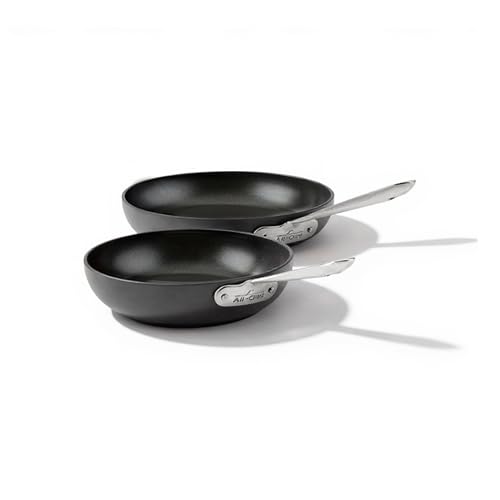
Is Ceramic Cookware Good?
Yes, for the right cook. Ceramic cookware is a strong fit for people who want easy food release with little oil and a smooth cooking surface. In my comparison of ceramic vs non stick cookware, ceramic felt especially pleasant for eggs, pancakes, grilled cheese, and vegetables. Food slid well when I used moderate heat and enough fat.
I also found that ceramic rewards gentle habits. I would not treat it like a cast iron pan. High heat, rough utensils, and sudden temperature changes can shorten the life of the coating. In a busy American kitchen, that matters. If you cook dinner most nights and want an easy pan that feels simple to use, ceramic can be a good match. It just needs a little care.
What Makes It Stand Out / Key Features
- Smooth cooking surfaceThe coated surface can release many foods with little added oil when the pan is used at suitable heat.
- Low-oil cookingCeramic cookware can work well for cooks who want to use less butter or cooking oil.
- Simple cleanupA smooth surface usually needs only gentle washing after normal cooking.
- Gentle heatLow to medium heat often works well and can help protect the coating.
- Utensil careWood, silicone, or other soft utensils are a smart choice for protecting the cooking surface.
- Modern kitchen feelCeramic-coated pans often have a clean look that fits many modern U.S. kitchens.
My Recommendation
Consider ceramic cookware if you want low-oil cooking, easy release, and a smooth surface. It is a good fit for careful home cooks who value simple meals and gentle heat.
| Best For | Why |
|---|---|
| Eggs and pancakes | The smooth surface can make delicate foods easier to release. |
| Low-oil cooking | Many foods need little added fat when the pan is in good condition. |
| Careful home cooks | Gentle heat and soft utensils can help preserve the coating. |
Is Non Stick Cookware Good?
Yes, especially if your main goal is easy cooking with minimal fuss. In the ceramic vs non stick cookware test, traditional non stick cookware remains hard to beat for foods such as eggs, pancakes, fish, and grilled cheese. The slick surface can make breakfast feel almost effortless. Cleanup is also quick, which matters on busy workdays.
I like non stick cookware most when I need a fast meal after a long day. A quick omelet can go from pan to plate without a fight. Still, I would avoid overheating any coated pan and would replace one when the coating becomes badly worn. The term non stick covers many coatings, so the exact product materials and care instructions matter.
What Makes It Stand Out / Key Features
- Very easy food releaseA good non stick surface can make delicate foods simple to flip and remove.
- Fast cleanupMost light cooking messes wipe away quickly from a smooth non stick surface.
- Low-oil cookingThe slick coating can reduce the need for added cooking fat.
- Good for delicate foodsEggs, fish, pancakes, and crepes are common foods that benefit from a slick surface.
- Easy daily useNon stick cookware is simple for new cooks and useful for quick weekday meals.
- Care mattersGentle utensils, suitable heat, and proper washing can help protect the coating.
My Recommendation
Choose non stick cookware if you want the easiest possible cooking and cleanup. It is especially useful for breakfast foods, delicate proteins, and busy weeknight meals.
| Best For | Why |
|---|---|
| Busy households | Quick cooking and cleanup save time. |
| Breakfast foods | Eggs and pancakes are easy to release from a good non stick surface. |
| Beginner cooks | The slick surface makes many basic recipes more forgiving. |
ceramic vs non stick cookware: Side-by-Side Test
The ceramic vs non stick cookware debate gets easier when you focus on real kitchen tasks. No single pan wins every job. A pan that shines at eggs may not be the best tool for high-heat searing.
For this ceramic vs non stick cookware comparison, I focus on the things most home cooks notice: food release, heat, cleanup, durability, care, cooking range, and value.
Food Release: Which Is Slicker?
Both surfaces can release food well, but the result depends on coating quality, age, heat, and cooking technique.
| Feature | Ceramic Cookware | Non Stick Cookware |
|---|---|---|
| Eggs | Very good | Excellent |
| Pancakes | Very good | Excellent |
| Fish | Very good | Excellent |
| Long-term release | Can decline with wear | Can decline with wear |
⭐ Ceramic Cookware – 9/10 | Non Stick Cookware – 9.5/10
Non stick cookware has a slight edge for pure food release, especially with delicate foods.
Cleanup: Which Is Easier?
Nobody wants to spend twenty minutes scrubbing a pan after a five-minute breakfast.
| Feature | Ceramic Cookware | Non Stick Cookware |
|---|---|---|
| Light mess | Very easy | Very easy |
| Sticky foods | Usually easy | Usually very easy |
| Hand washing | Recommended for many models | Often recommended |
| Abrasive cleaners | Avoid | Avoid |
⭐ Ceramic Cookware – 9/10 | Non Stick Cookware – 9.5/10
Non stick cookware gets a small edge because its slick surface often makes cleanup especially quick.
Heat Control: Which Handles Heat Better?
Coated pans are not the tools I reach for when I want intense heat and a hard sear.
| Feature | Ceramic Cookware | Non Stick Cookware |
|---|---|---|
| Low heat | Excellent | Excellent |
| Medium heat | Excellent | Excellent |
| High heat | Use caution | Use caution |
| Hard searing | Not the ideal tool | Not the ideal tool |
⭐ Ceramic Cookware – 8/10 | Non Stick Cookware – 8/10
This category is a tie. For very high heat, I would choose a different cookware material.
Durability: Which Lasts Longer?
Coatings are the key point here. Care habits often matter as much as the label on the box.
| Feature | Ceramic Cookware | Non Stick Cookware |
|---|---|---|
| Scratch resistance | Needs gentle tools | Needs gentle tools |
| High-heat tolerance | Limited by coating | Limited by coating |
| Coating wear | Can reduce release | Can reduce release |
| Care needs | Moderate | Moderate |
⭐ Ceramic Cookware – 8/10 | Non Stick Cookware – 8/10
Neither coating should be treated as indestructible. Gentle care gives both a better chance at a longer life.
Cooking Range: Which Is More Versatile?
A good everyday pan should handle more than breakfast, even if coated cookware has limits.
| Feature | Ceramic Cookware | Non Stick Cookware |
|---|---|---|
| Eggs | Excellent | Excellent |
| Vegetables | Excellent | Excellent |
| Fish | Very good | Excellent |
| High-heat searing | Limited | Limited |
⭐ Ceramic Cookware – 8.5/10 | Non Stick Cookware – 9/10
Non stick cookware has a small edge for common delicate foods, while both have limits for high-heat cooking.
Care: Which Is Easier?
The easiest pan to own is the one you can care for without changing your whole routine.
| Feature | Ceramic Cookware | Non Stick Cookware |
|---|---|---|
| Soft utensils | Recommended | Recommended |
| Gentle washing | Recommended | Recommended |
| Overheating | Avoid | Avoid |
| Stacking | Use protection when needed | Use protection when needed |
⭐ Ceramic Cookware – 9/10 | Non Stick Cookware – 9/10
Both are easy to care for if you use gentle tools, moderate heat, and proper cleaning.
Value: Which Gives More?
Price matters, but the cheapest pan is not always the best value if it loses its performance quickly.
| Feature | Ceramic Cookware | Non Stick Cookware |
|---|---|---|
| Entry cost | Varies widely | Varies widely |
| Daily convenience | High | Very high |
| Replacement need | Depends on coating life | Depends on coating life |
| Best value factor | Care and coating quality | Care and coating quality |
⭐ Ceramic Cookware – 8.5/10 | Non Stick Cookware – 9/10
Non stick cookware gets a slight value edge for daily convenience, but either can be a good buy at the right price.
Final Verdict: Which Should You Buy?
The ceramic vs non stick cookware choice comes down to how you cook. Ceramic cookware is a strong pick if you want a smooth surface, low-oil cooking, and a ceramic-based coating. Non stick cookware is hard to beat for quick breakfasts, delicate foods, and fast cleanup.
If I were building a simple U.S. home kitchen, I would choose based on use rather than hype. Pick ceramic if coating type and low-oil cooking matter most. Pick non stick if effortless food release and speed matter most. In either case, use moderate heat, soft utensils, and gentle cleaning. A good pan should make dinner easier, not become another chore.