
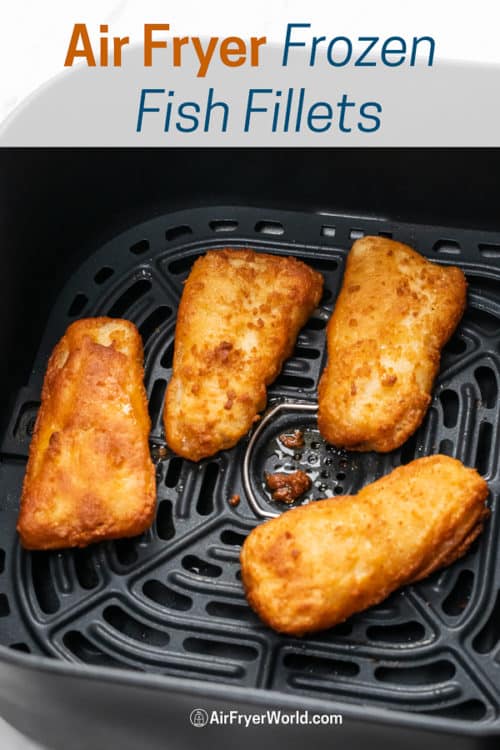
Cooking frozen fish in an air fryer is the easiest way to get golden, crispy fillets straight from the freezer in under 15 minutes. No thawing, no mess, just flakey fish with a perfect crunch every single time.
If you've ever pulled a frozen fish fillet out of the bag and wondered if you could skip the defrost step, I have great news for you. The air fryer was basically made for this. Over the past few years, I've cooked more frozen fish in my air fryer than I can count, from salmon and cod to tilapia and haddock. Some came out beautifully crispy on the first try. Others came out pale, soggy, or stuck to the basket. I learned a lot from those early mistakes, and I'm going to walk you through everything so you don't have to make them yourself.
This guide covers the exact time and temperature settings for different types of frozen fish, the little tricks that make a big difference, and the mistakes to avoid. By the end, you'll be able to cook frozen fish in an air fryer like you've been doing it for years.
Why the Air Fryer Is the Best Way to Cook Frozen Fish
The air fryer isn't just a trendy gadget. For frozen fish specifically, it's genuinely the best kitchen tool for the job. Here's why it works so well.
When you pull a frozen fillet out of the freezer, it has a thin layer of ice crystals on the surface. In a regular oven, that moisture turns to steam, which makes the outside of the fish rubbery and prevents it from crisping. In a pan, the fish sticks or steams itself in its own juices. The air fryer solves all of that.
Hot air circulates around the fish at high speed, which does two important things. It evaporates the surface moisture quickly so the fish can actually crisp up. It also cooks the fish evenly without you having to flip it every thirty seconds. The result is a fillet that's crispy on the outside and tender, flaky, and moist on the inside.
I've tried baking, pan-frying, and microwaving frozen fish, and nothing comes close to the air fryer. It also uses way less electricity than an oven and heats up in about three minutes, which is perfect for weeknight dinners.
Another thing I love about the air fryer is the safety factor. Because the fish goes straight from freezer to basket, you skip the whole risky window where thawed fish sits in your fridge waiting to be cooked. The USDA recommends cooking frozen seafood right away, and the air fryer lets you do that without sacrificing texture.
What You'll Need Before You Start
Before you start cooking, gather these few things. You probably already have most of them in your kitchen.
- Frozen fish fillets (any type works, but thin fillets cook best)
- Air fryer (basket or oven style both work)
- Cooking spray or a light brush of oil
- Salt, pepper, and any seasonings you like
- Paper towels
- Tongs or a fish spatula
– A meat thermometer (optional but helpful)
When it comes to oil, you don't need much. A quick spritz of avocado oil or olive oil spray is all it takes. The oil isn't really for cooking the fish. It's helping the seasoning stick and giving the outside that golden color.
For seasonings, lemon pepper, garlic powder, paprika, and Old Bay are all great options. I usually keep it simple with salt, pepper, and a squeeze of lemon, but Cajun blends and herb mixes work beautifully too. Just avoid anything with a lot of sugar in it, since sugar burns fast in an air fryer.
As for fish type, this method works for almost anything. Frozen cod, haddock, tilapia, salmon, pollock, and even frozen fish sticks all turn out great. The only ones I avoid are heavily battered or breaded fish, since the coating can fly around the basket. More on that later.
Step by Step Guide to Cooking Frozen Fish in an Air Fryer
Here's the exact method I use every time. It takes about 12 to 15 minutes from start to finish, and most of that is hands-off cooking time.
Step 1. Preheat your air fryer to 400°F for about 3 to 5 minutes. Don't skip this step. A hot basket helps the fish start crisping the moment it touches the surface. If your air fryer doesn't have a preheat button, just run it empty at 400°F for 3 minutes.
Step 2. While the air fryer heats up, take your frozen fillets out of the bag. Don't thaw them, but do separate any pieces that are stuck together. If there's a lot of ice on the fish, quickly run it under cold water for a few seconds and pat it dry with paper towels. This step is optional but helps a lot with crispiness.
Step 3. Lightly spray or brush both sides of the fish with oil. You want a thin, even coat. Too much oil will make the fish soggy, so keep it light. A quick spritz from a cooking spray bottle works perfectly.
Step 4. Season the fish. Sprinkle both sides with salt, pepper, and whatever other spices you're using. If you're using lemon, save it for after cooking. The acid in lemon can interfere with crisping if you add it too early.
Step 5. Place the fillets in the air fryer basket in a single layer. Don't stack or crowding the fish. Air needs to circulate around each piece, so leave at least a little space between fillets. If you're cooking for a crowd, work in batches.
Step 6. Cook at 400°F for 7 minutes. Then flip the fish carefully with tongs or a spatula. Cook for another 5 to 7 minutes. The exact time depends on the thickness of your fish. A thin tilapia fillet might be done in 10 minutes total, while a thick salmon piece could take 14.
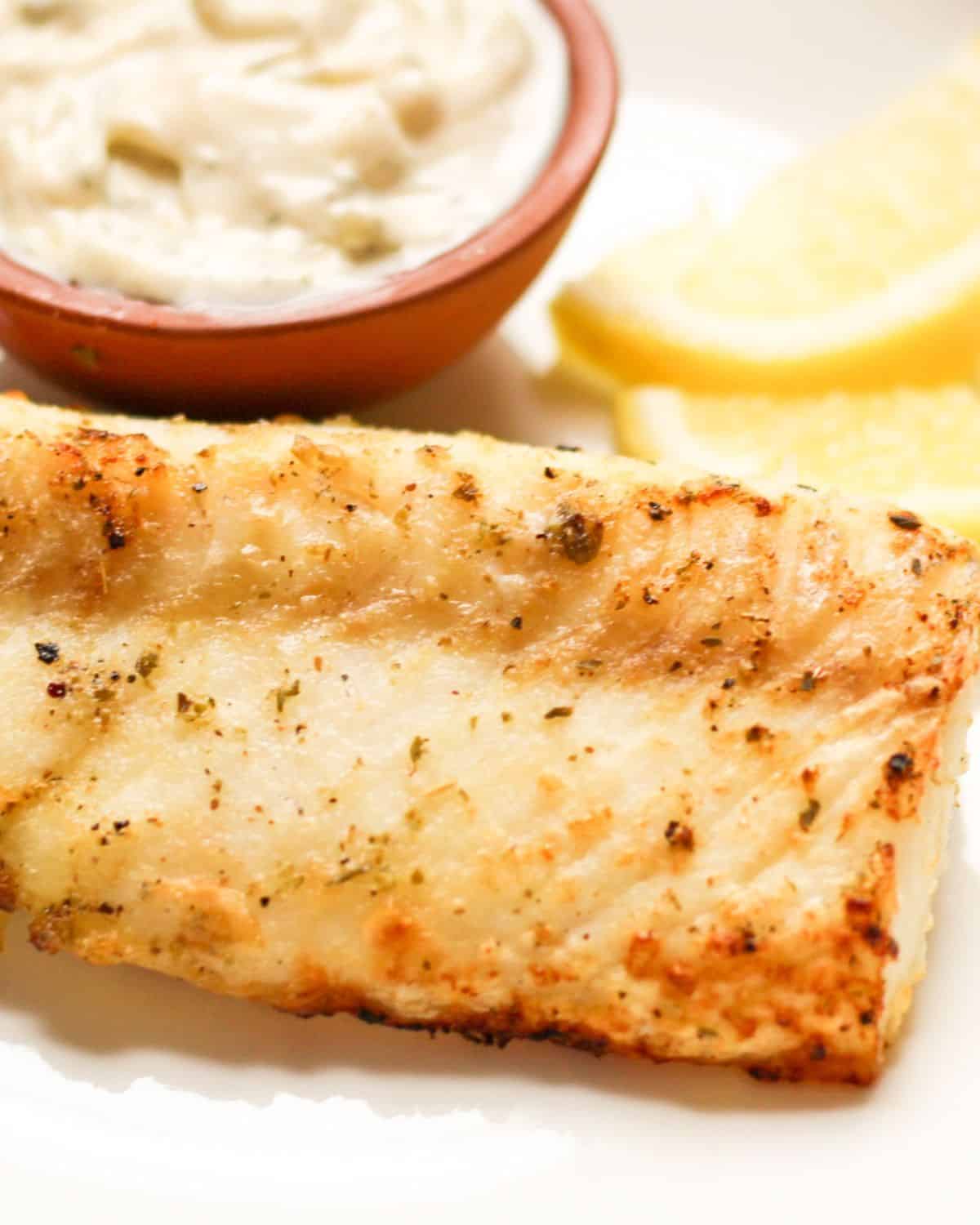
Step 7. Check for doneness. The fish should flake easily with a fork and reach an internal temperature of 145°F. If you don't have a thermometer, just cut into the thickest part. It should be opaque all the way through and separate into clean flakes.
Step 8. Let the fish rest for 1 to 2 minutes before serving. This lets the juices settle so the fillet holds together better when you plate it.
That's it. Eight simple steps, and you have restaurant-worthy fish on the table in less than 20 minutes.
Best Cooking Times and Temperatures for Different Frozen Fish
Not all fish cook the same way. Here's a handy chart based on my own testing and what tends to work best in most air fryers. Adjust based on your specific model and the thickness of your fillets.
Frozen Cod Fillets: 400°F for 10 to 12 minutes. Cod is delicate and flaky, so handle it gently when flipping. It goes from perfect to overdone fast, so check it at the 10-minute mark.
Frozen Salmon: 380°F for 10 to 14 minutes. Salmon has more fat, so a slightly lower temperature prevents the outside from drying out before the inside cooks through.
Frozen Tilapia: 400°F for 8 to 10 minutes. Tilapia fillets are usually thin, so they cook quickly. Anything more than 12 minutes and they dry out.
Frozen Haddock: 400°F for 10 to 12 minutes. Haddock is similar to cod but a little meatier. It holds up well to seasonings and stays moist even at higher temps.
Frozen Pollock: 400°F for 9 to 11 minutes. Pollock is what most fish sticks and breaded fillets are made from, so it's very forgiving and easy to cook.
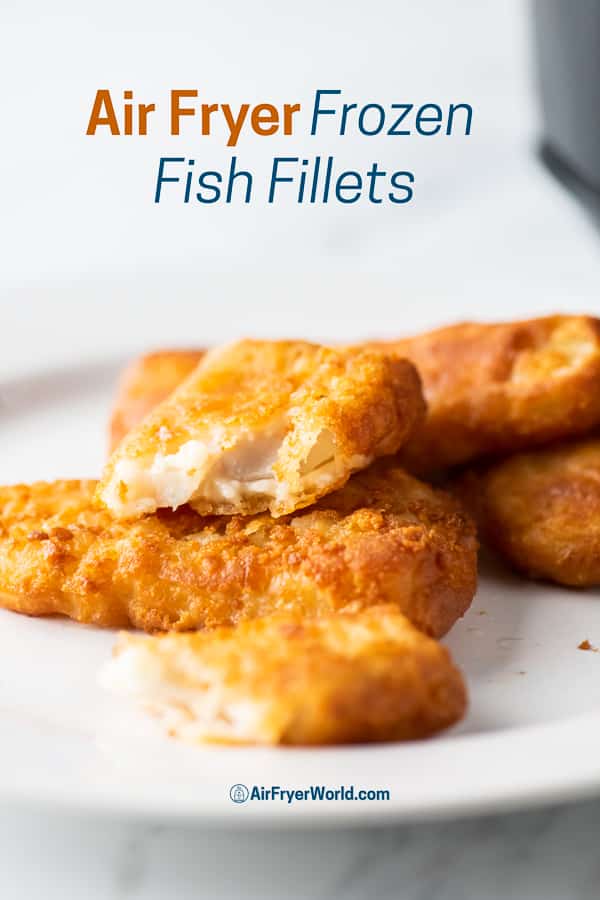
Frozen Fish Sticks: 380°F for 6 to 8 minutes. These cook fast, so check them early. Flipping isn't always necessary.
If your fillet is thicker than about one inch, add 2 to 3 minutes to the total cooking time. If it's thinner than half an inch, subtract 2 minutes. Always check for an internal temp of 145°F to be safe.
Common Mistakes to Avoid When Cooking Frozen Fish in an Air Fryer
I've made all of these mistakes at some point, so learn from my errors. These are the most common things that go wrong and how to fix them.
Mistake 1. Thawing the fish first. This is the biggest mistake people make. Thawed fish releases a lot of water in the air fryer, which makes the outside soggy. Cook it straight from the freezer for the crispiest result.
Mistake 2. Skipping the preheat. A cold basket means the fish sits in its own moisture for the first few minutes. That steam prevents browning and leads to a rubbery texture. Always preheat.
Mistake 3. Overcrowding the basket. If you pile fish on top of each other, the air can't circulate, and you'll end up with steamed, unevenly cooked fillets. Cook in batches if you need to.
Mistake 4. Using too much oil. A heavy hand with oil might seem like it would make things crispier, but it actually does the opposite. It weighs down the fish and creates a greasy, soggy coating. A light spritz is all you need.
Mistake 5. Not flipping the fish. Yes, you can cook fish without flipping in an air fryer, but flipping halfway through gives you even browning on both sides. It only takes a second and is worth the effort.
Mistake 6. Cooking at too high a temperature. Cranking the air fryer to 425°F or higher might seem like it would crisp the fish faster, but it usually burns the outside before the inside is cooked. 400°F is the sweet spot for almost all frozen fish.
Mistake 7. Not checking for doneness. Fish goes from perfect to overcooked in about a minute. Set a timer and check it a couple of minutes before you think it's done.
Avoid these mistakes, and you'll get perfect results almost every single time.
Tips for Getting Extra Crispy Frozen Fish
If you want that golden, crunchy crust that rivals fried fish, try these extra tricks.
Tip 1. Pat the fish dry before seasoning. Even though you're not thawing it, you can remove excess surface ice by quickly rinsing the fillet under cold water and drying it with paper towels. This makes a noticeable difference in crispiness.
Tip 2. Use a wire rack insert if you have one. Some air fryers come with a rack that lets air circulate underneath the fish. This is great for getting both sides crispy without flipping.
Tip 3. Lightly dust the fish with cornstarch or almond flour before spraying with oil. This creates an extra-crispy coating that tastes amazing. Just a thin layer is all you need.
Tip 4. Spray the basket with oil before adding the fish. This prevents sticking and adds a little extra crispness. Avocado oil works best because it has a high smoke point.
Tip 5. Finish with flaky salt and fresh lemon right after cooking. The acid in lemon brightens up the flavor, and flaky sea salt adds a satisfying crunch.
Tip 6. Don't open the air fryer too often. Every time you open the basket, you lose heat and extend the cooking time. Trust the process and only open it once to flip.
I started using the cornstarch trick a few months ago, and now my air fryer fish tastes almost as good as the deep-fried version at the seafood shack near my house. It's a small step that makes a big difference.
How to Store and Reheat Air Fryer Fish
If you have leftovers, store them in an airtight container in the fridge for up to 3 days. Fish doesn't keep as long as other proteins, so try to eat it within a couple of days.
When it comes to reheating, the air fryer is your best friend again. Preheat to 350°F and heat the fish for 3 to 4 minutes. This brings back the crispiness without drying it out. Avoid the microwave at all costs. It turns fish into rubber.
You can also eat leftover fish cold on a salad or in a sandwich. Cold air fryer fish is surprisingly tasty, especially salmon.
Delicious Seasoning Combos to Try
Plain salt and pepper is great, but if you want to mix things up, here are some easy seasoning combos that work beautifully with frozen fish.
Lemon Herb: Lemon zest, garlic powder, dried thyme, salt, and pepper. Bright, fresh, and perfect for cod or tilapia.
Cajun Blackened: Paprika, garlic powder, onion powder, cayenne, oregano, salt, and pepper. Spicy and smoky. Great on salmon or haddock.
Mediterranean: Dried oregano, basil, garlic powder, lemon zest, salt, and pepper. Pairs well with a side of roasted veggies.
Taco Style: Cumin, chili powder, paprika, garlic powder, salt, and pepper. Serve in tortillas with slaw for fish tacos.
Asian Inspired: Ginger powder, garlic powder, sesame seeds, salt, and pepper. Serve with soy sauce or teriyaki.
I like to keep little jars of these blends ready to go. It makes weeknight dinners feel fancy without any extra effort.
Health Benefits of Cooking Frozen Fish in an Air Fryer
Air fryer fish isn't just delicious. It's also one of the healthiest ways to prepare seafood. The air fryer uses up to 80 percent less oil than deep frying, which means significantly fewer calories and far less fat.
Fish itself is packed with nutrients. It's loaded with omega-3 fatty acids, which support heart and brain health. It's also an excellent source of lean protein, vitamin D, and B vitamins. Eating fish twice a week is associated with lower risk of heart disease, according to nutrition research.
Cooking from frozen also helps preserve nutrients. Some vitamins in fish start to break down when fish is thawed and stored. Going straight from freezer to air fryer means more nutrients stay intact.
For anyone watching their weight, cutting back on oil, or just trying to eat more protein, air fryer frozen fish is a perfect option. It's quick, easy, healthy, and tastes amazing.
Frequently Asked Questions About Cooking Frozen Fish in an Air Fryer
Do I need to thaw frozen fish before air frying?
No, you don't need to thaw frozen fish before air frying. In fact, cooking it straight from the freezer gives you better texture. The high heat quickly evaporates the surface moisture, which creates a crispy outside without making the fish soggy. Thawing first can lead to uneven cooking and a rubbery texture.
What temperature should I set my air fryer for frozen fish?
The best temperature for cooking frozen fish in an air fryer is 400°F for most white fish like cod, tilapia, and haddock. For fattier fish like salmon, drop the temperature slightly to 380°F to prevent the outside from overcooking. Always preheat the air fryer for 3 to 5 minutes before adding the fish.
How long does it take to cook frozen fish in an air fryer?
It takes about 10 to 14 minutes to cook frozen fish in an air fryer at 400°F, depending on the thickness of the fillet. Thin fillets like tilapia cook in about 8 to 10 minutes, while thicker cuts like salmon or cod can take 12 to 14 minutes. Flip the fish halfway through for even browning.
Can I cook frozen battered fish in an air fryer?
Yes, you can cook frozen battered fish in an air fryer, but the breading might fly around the basket. To prevent this, lightly spray the battered fish with oil before cooking and avoid stacking pieces. Use a lower temperature of around 380°F and check the basket every few minutes to make sure the coating isn't blowing around.
How do I know when frozen fish is done in the air fryer?
Frozen fish is done when it reaches an internal temperature of 145°F and flakes easily with a fork. The outside should be golden and crispy, and the inside should be opaque and moist. If you don't have a thermometer, cut into the thickest part of the fillet. It should separate into clean flakes and look fully opaque, not translucent.
Final Thoughts
Cooking frozen fish in an air fryer is one of those simple kitchen wins that makes life easier. No thawing, no mess, no guesswork. Just crispy, flaky, restaurant-quality fish in about 15 minutes.
Once you master the basics, you can play around with seasonings, sauces, and sides to create endless meal possibilities. Fish tacos, fish salads, fish and rice bowls, or just a simple fillet with lemon and veggies. The possibilities are endless.
If you give this method a try, I'd love to hear how it turns out for you. Drop a comment below with your favorite seasoning combo or any questions you have. And if you have other air fryer recipes you'd like to see, let me know. Happy cooking!