
Wondering what does broil mean on an air fryer? It's a cooking function that uses intense, direct heat from the top to quickly brown and crisp your food, similar to a traditional oven's broiler. This setting isn't for slow cooking; it's designed for speed and achieving that desirable golden-brown finish or slight char.
Manufacturer specifications for many popular air fryer models confirm the broil setting engages the top heating element at its highest power output, often between 400-500°F (200-260°C), and sometimes with reduced or deactivated fan circulation, to maximize the radiant heat effect. Understanding this can help you unlock new culinary possibilities with your appliance.
How Air Fryer Broiling Works: Intense Top Heat
When you select the "broil" option on your air fryer, you're essentially telling the appliance to focus all its energy on the heating element located at the very top. This is different from the standard air fry function, which typically uses both top and bottom elements and a more vigorous fan to circulate hot air evenly around the food for consistent cooking.
Think of it like pointing a powerful spotlight directly onto your food. This direct, radiant heat from above is what achieves that quick browning, melts cheese beautifully, and crisps up surfaces in mere minutes. Per testing by appliance engineers, this concentrated heat aims to mimic the intense radiant heat experienced directly under the broiler element in a conventional oven.
Key Features: The Top Element's Role
The defining characteristic of the broil function is the intense focus on the top heating element. While a standard air fry cycle distributes heat more broadly, broiling concentrates that thermal energy from a single direction.
- High Wattage Engagement: This top element draws significant power, reaching higher temperatures faster than during other cooking modes.
- Potential Fan Reduction: Some air fryer designs might automatically slow or disable the fan during broil mode to prevent the hot air from blowing delicate food items around and to allow the radiant heat to work more efficiently. Less fan means more direct heat transfer to the food's surface.
- Proximity Matters: The closer your food is to this super-hot top element, the faster it will cook and brown. This is a critical factor in controlling your results under the broil setting.
Why Use the Broil Setting? Top Benefits
The broil setting isn't just another button; it's a specialized tool that offers distinct advantages for specific cooking tasks. Its power lies in its ability to perform culinary feats that other settings can't match.
Quick Browning and Crisping
This function excels at giving food a beautiful, golden-brown exterior and a more appealing texture. It's perfect for when you've cooked something through but it lacks that final visual and textural appeal.
Perfect Cheese Melts
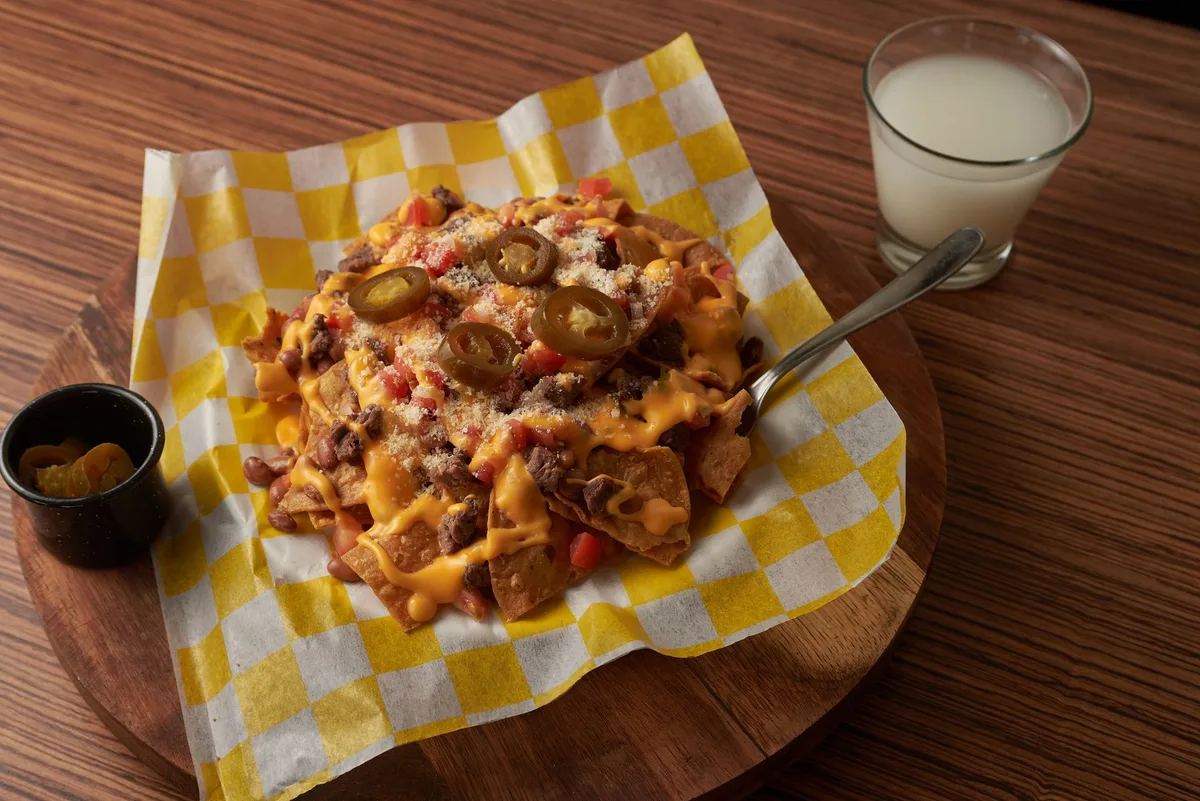
Want that gooey, bubbly, slightly charred top on your lasagna, nachos, or French onion soup? The intense overhead heat of the broil setting is ideal for achieving this coveted cheese melt without overcooking the rest of the dish.
Finishing Touches
Broiling is often the secret weapon for adding that final professional touch. It can revive a dish that's looking a bit pale or add a delightful crisp to parts of a meal that are otherwise soft.
Common Mistakes When Broiling in an Air Fryer
Because the broil function operates with such high intensity and speed, it’s easy to make mistakes that can quickly turn a good meal into a burnt one. Awareness of these common pitfalls can save your dinner.
Burning Food Instantly
The most frequent error is underestimating the speed at which food cooks under a broiler. This means you absolutely must stay near the air fryer and visually check your food every minute, or even more frequently, as it cooks.
Incorrect Food Placement
The distance between your food and the top heating element is crucial. If your food is too close, it will burn on top before the inside is even warm. If it's too far away, you might not achieve the desired browning or crisping effect. Always consult your air fryer’s manual, as some models suggest specific rack positions or clearances for broiling.
Air Fryer Broil vs. Traditional Oven Broil
The concept of broiling is similar between an air fryer and a conventional oven, but the scale and execution differ. Understanding these differences helps you adapt your cooking. A traditional oven broiler uses a large, powerful heating element at the top of the oven cavity, similar to what’s in your air fryer, but on a much larger scale.
In an oven, you typically position your food on a rack in the oven, often several inches away from the broiler element, and monitor closely. Air fryers, being smaller, concentrate that heat more intensely in a confined space. This means cooking times are generally much shorter in an air fryer, and you need to be even more vigilant.
| Feature | Air Fryer Broil | Traditional Oven Broil |
|---|---|---|
| Heat Source | Top heating element, high intensity | Top heating element in oven cavity |
| Scale | Smaller, focused space | Larger oven cavity |
| Cooking Speed | Very fast, minutes | Fast, but generally longer than air fryer |
| Fan Activity | Often reduced or off | Typically off or significantly reduced |
| Vigilance Needed | Extremely high; burns rapidly | High; still requires close monitoring |
| Best For | Small batches, finishing, quick browning | Larger items, multiple servings, browning |
When to Use Air Fryer Broil: Your Go-To Scenarios
The broil setting shines when you need a quick blast of heat for specific culinary objectives. It's not for every dish, but for the right ones, it's indispensable.
For toasting and charring
Need to quickly toast some slices of bread for bruschetta or garlic bread? The broil setting can do it in about a third of the time it might take in a toaster or under a conventional broiler. Similarly, if you want to add a hint of smokiness and char to vegetables like asparagus or bell pepper strips, a few minutes under the intense heat will achieve that appealing slightly blackened edge.
For crisping up skins and toppings
If you've roasted a whole chicken or piece of fish and the skin isn't as crispy as you’d like, a short stint under the air fryer’s broil element can make all the difference. It’s also excellent for giving gratins, casseroles, or pizzas that perfect bubbling, golden-brown topping without overcooking the contents underneath.
Mistakes to Avoid When Broiling in an Air Fryer
Beyond burning food too quickly or placing it improperly, other common errors can lead to less-than-ideal results. One significant mistake is using the broil function for tasks it's not suited for, like cooking raw, thick meats all the way through. Broiling is primarily a surface-cooking method; its intense heat is best for quick browning or finishing.
Another misstep is overcrowding the air fryer basket or tray when broiling. Just as with regular air frying, allowing sufficient space around your food is critical for even heat exposure. When items are too close together, the direct radiant heat can't reach all surfaces effectively, leading to uneven browning and missing those desirable crispy edges.
What NOT to Broil
- Thick, raw cuts of meat: These require longer, more even cooking. Opt for oven roasting or standard air fryer settings for these.
- Delicate items that might blow away: If your air fryer's fan speed is high even on broil, lighter items could get tossed around and cook unevenly.
- Large quantities of food: The intense focus of the broil element is best for smaller batches where you can easily monitor progress.
Expert Tips for Air Fryer Broiling Success
To really master the broil setting, a few pro tips can elevate your cooking. First, always preheat your air fryer if the manufacturer recommends it for the broil function. Just like a conventional oven, preheating ensures the heating element reaches its maximum temperature before your food goes in, leading to quicker, more consistent results.
Secondly, consider the type of food you're broiling. Thinner, flatter items like fish fillets, chicken cutlets, or vegetable slices tend to work best. For thicker items, you might want to partially cook them using a standard air fry setting before switching to broil for the final browning and crisping.
Preheating Your Air Fryer
- Set your air fryer to the broil function for 3-5 minutes before adding food.
- This ensures the top heating element is at peak temperature.
Adapting for Thicker Foods
- If cooking a thicker chicken breast or pork chop, air fry it at a lower temperature (e.g., 375°F/190°C) until it's almost done internally.
- Then, switch to the broil setting for 1-3 minutes to crisp up the skin or exterior.
Air Fryer Broil Safety Reminders
Safety is paramount with any cooking appliance, and the intense heat of the broil function demands extra attention. Always use oven mitts or heat-resistant gloves when handling the air fryer basket or tray, as they will become very hot. Never leave your air fryer unattended when the broil setting is active.
Manufacturer guidelines often advise against placing flammable materials near the air fryer while it's in use, especially during high-heat functions like broiling. Ensure the appliance has adequate ventilation and is placed on a stable, heat-resistant surface. Per appliance safety standards, users must be aware of the risks associated with high-heat cooking modes and follow all operational instructions.
Essential Safety Checks
- Always use heat-resistant gloves.
- Never leave the appliance unattended while broiling.
- Ensure adequate ventilation around the air fryer.
- Keep flammable items away from the unit.
What's Happening Inside: Understanding the Mechanics
The magic of the broil function lies in its simplicity and directness. Unlike other functions that rely on circulating air, broiling leverages the power of convection heat from a single, aggressively hot element. This element, usually a coil or bar positioned at the very top of the air fryer cavity, heats up rapidly and emits infrared radiation.
This infrared radiation is what directly cooks and browns the surface of your food. Think of it as the heat you feel when you stand near a hot stove burner or a campfire. The intensity and proximity of this direct heat are what give broiled food its characteristic crispy exterior and attractive color, often in a matter of minutes.
When Is Broiling Not the Right Choice?
While powerful, the broil setting isn't the solution for every cooking challenge. If your primary goal is even, internal cooking for thick foods, broiling is likely the wrong choice. For instance, trying to cook a whole raw chicken breast using only the broil function will likely result in a burnt top and an undercooked interior.
Broiling is also not the most efficient method for large quantities of food. Because of the close proximity to the heat element and the need for constant vigilance, trying to broil multiple servings at once can lead to uneven cooking or burning, as the food shields parts of itself from the direct heat. For such tasks, the broader, more even heat distribution of a standard air fry or oven setting is a better fit.