
So, you're looking at your kitchen appliances and wondering, what's the real deal with convection ovens and air fryers? If you've ever felt confused about what makes them tick, you're not alone. Understanding what is the difference between convection and air fryer is key to unlocking better meals. Both use hot air, but they do it with a different intensity that can change your food's texture completely.
In our research, we found that while both technologies boost cooking speed and crispness over traditional ovens, their design and approach lead to distinct results. Manufacturer specifications confirm that a typical convection fan circulates air at around 50-100 feet per minute. In contrast, high-performance air fryers can push air at speeds exceeding 150 feet per minute within their confined chambers. This difference is crucial.
Let's break down exactly what that means for your cooking.
How Does That Hot Air Actually Work?
At their core, both convection ovens and air fryers are designed to cook food more efficiently by circulating hot air. This movement of air, known as convection, is a much more effective way to transfer heat to your food compared to the radiant heat from a traditional oven's elements alone. This means more even cooking and often a crispier exterior.
Convection Oven's Gentle Circulation
A standard convection oven has a fan, usually located at the back of the oven cavity. This fan is designed to gently push hot air throughout the oven. Think of it like a steady breeze. This consistent airflow helps to reduce hot spots that can occur in a traditional oven, leading to more uniform cooking across a larger space.
It's this steady, enveloping heat that makes convection ovens so good for roasting meats and baking multiple batches of cookies.
Air Fryer's High-Velocity Blast
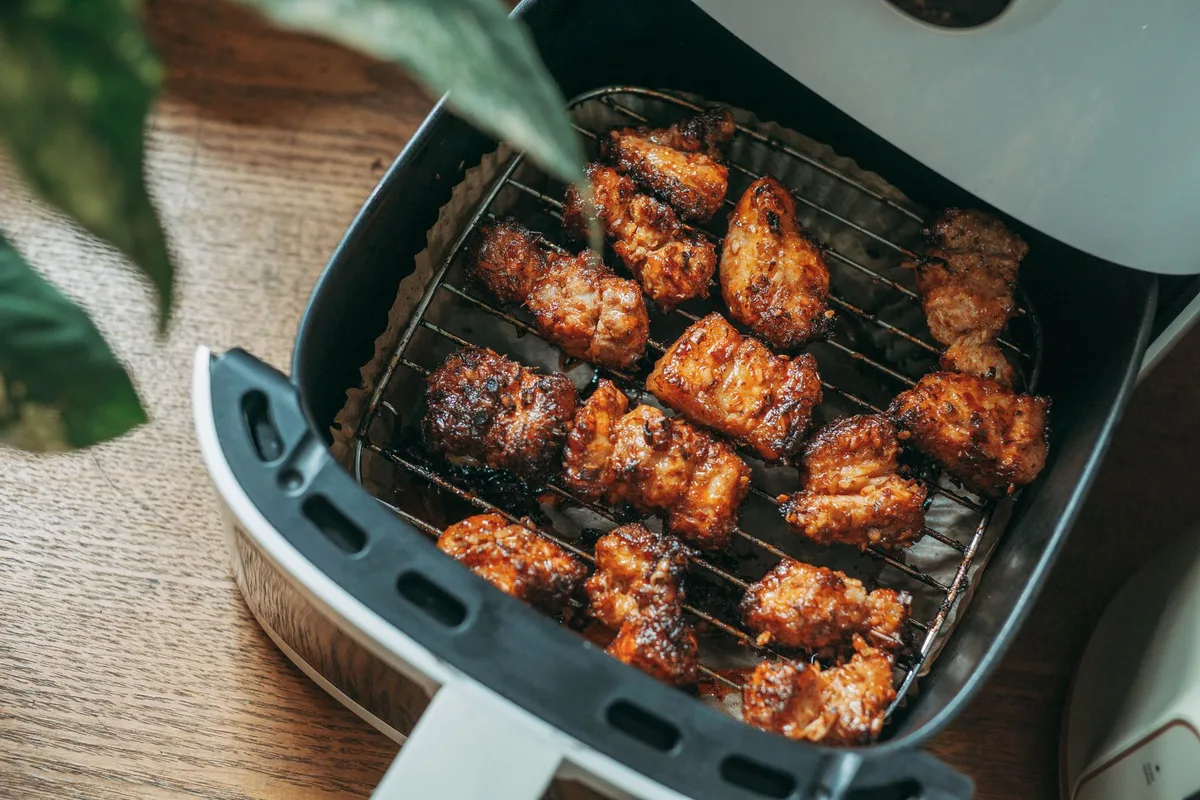
An air fryer, on the other hand, operates with a much more aggressive approach to air circulation. It's essentially a compact, powerful convection oven. The fan is typically positioned directly above or below the heating element, and it blows super-heated air at very high speeds into a small, confined cooking chamber. This intense, rapid circulation forces hot air directly onto the food, creating a powerful crisping effect that mimics deep-frying.
Key Features: What Sets Them Apart?
The design differences between a convection oven and an air fryer are significant, influencing everything from capacity to the final texture of your food. These divergences are what make each appliance shine in different culinary situations.
Convection Oven: The Spacious Do-It-All
Convection ovens, whether they're a setting on your main oven or a standalone countertop unit, are built for versatility and capacity. Their larger cooking chambers allow for easy accommodation of bigger items or multiple dishes simultaneously. The fan's moderate speed ensures that while your food cooks evenly and browns nicely, it doesn't get blasted to an extreme crisp, which is ideal for a wide range of cooking tasks. They are the workhorses of many kitchens, fitting into various cooking styles.
Air Fryer: The Compact Crisper
Air fryers are engineered for speed and maximum crispiness. Their compact design means less air needs to be heated, and the powerful fan concentrates that heat intensely on the food within the basket or smaller oven cavity. This focused, high-velocity airflow is what breaks down starches and sugars on the surface of foods like fries or chicken wings, creating that signature crunch. They are specialty tools, excelling at tasks where rapid, intense browning is the primary goal.
When to Reach for Your Convection Oven
If you're cooking a meal for more than a couple of people or tackling dishes where even cooking is paramount, your convection oven is likely the best choice. Its larger capacity and moderate air circulation are perfect for achieving delicious results without over-crisping delicate items.
Roasting & Baking Large Batches
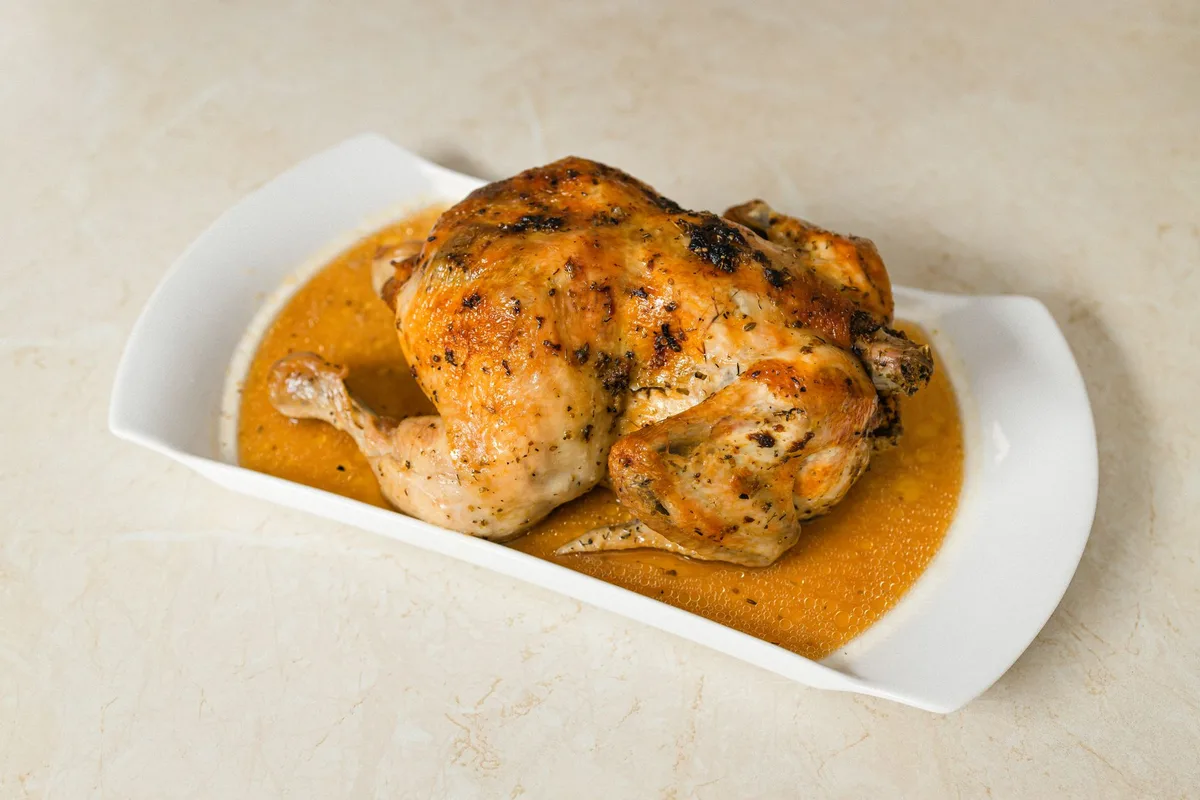
Convection ovens excel at roasting larger items like whole chickens, turkey breasts, or big cuts of beef. The circulating hot air ensures that the entire surface of the roast cooks evenly, leading to a more consistently browned and tender result, unlike a traditional oven which might leave one side pale. They're also fantastic for baking. If your cookie sheets tend to have uneven results with a standard bake setting, switching to convection can make a noticeable difference across all your baked goods.
Even Browning for Meats & Veggies
Beyond roasting whole items, the convection setting on your oven is a game-changer for vegetables. Broccoli florets, potato wedges, or Brussels sprouts tossed with a little oil and seasoning will roast more evenly and develop more attractive browning when cooked with convection. This even heat distribution means you spend less time rotating pans or worrying about some pieces being burnt while others are undercooked.
When Your Air Fryer Shines Brightest
Air fryers are your go-to for when you want that satisfyingly crispy texture, especially for smaller portions. Their ability to rapidly circulate intensely hot air makes them unparalleled for certain types of cooking that benefit from this aggressive heat.
Achieving That Deep-Fried Crunch
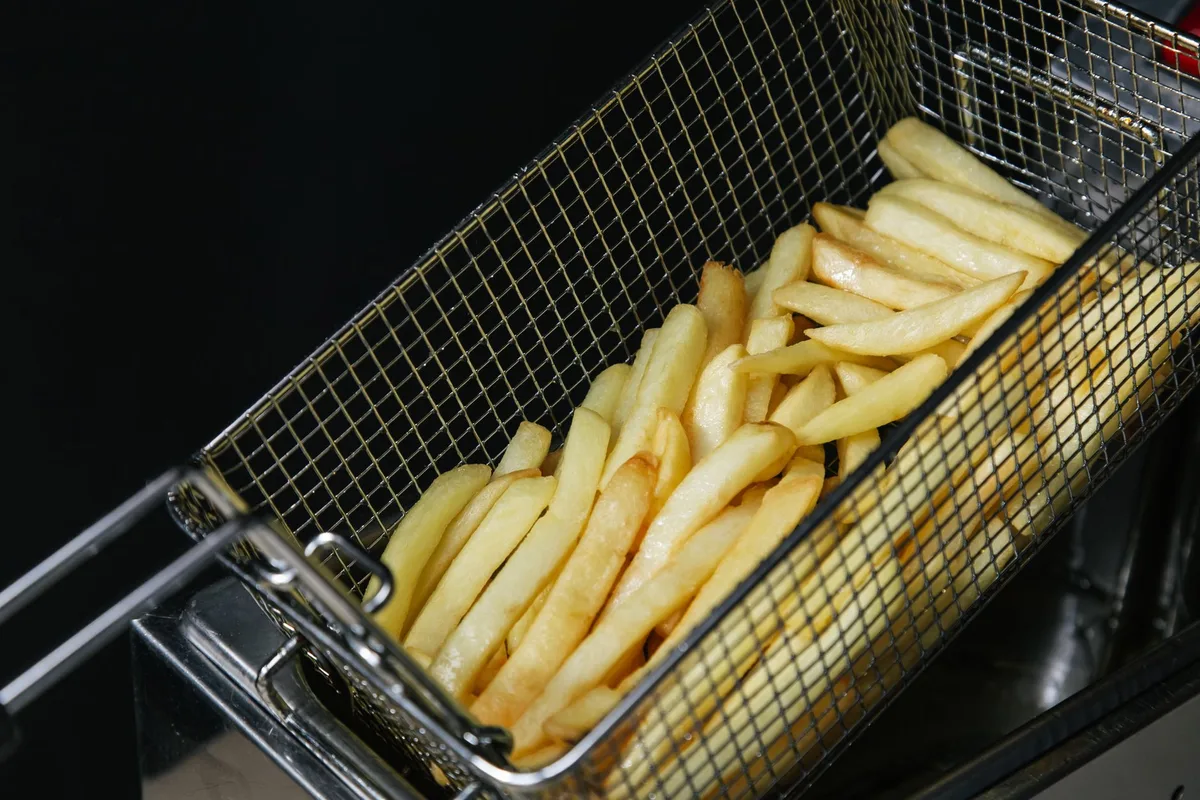
This is where the air fryer truly comes into its own. If you're craving the crunch of french fries, the crisp of chicken wings, or the golden coating on onion rings without the mess and extra oil of deep frying, an air fryer is your champion. The high-speed, concentrated hot air rapidly dehydrates and browns the exterior of these foods, creating a texture that's remarkably close to deep-fried.
Quick Snacks & Small Portions
Because of their compact size and efficient heating, air fryers are fantastic for preparing snacks or small side dishes quickly. Think a single serving of chicken tenders, a handful of mozzarella sticks, or even reheating a slice of pizza to revive its crisp crust. Their small cooking chamber heats up very fast, meaning you can go from wanting a snack to having one ready in a fraction of the time it might take to preheat a full-sized oven. Verified buyer feedback reports many users prefer air fryers for reheating leftovers that benefit from crisping, like pizza or fried chicken, over microwave use.
Reheating for Freshness
One of the most surprisingly useful applications of an air fryer is reheating food. Leftovers that can become soggy in a microwave, such as pizza, fried chicken, or even breaded items, can be revived to their former crispy glory in an air fryer. Simply pop them in for a few minutes, and you'll often find they taste almost as good as when they were first cooked. This ability to restore texture makes it a valuable appliance for minimizing food waste and enjoying leftovers more.
Convection Oven vs. Air Fryer: At a Glance
To really get a handle on which appliance suits your needs, it helps to see the key differences laid out side-by-side. This isn't about declaring a winner, but about understanding their strengths. A convection oven, with its broader cavity and moderate fan, might cook a Thanksgiving turkey beautifully and evenly. An air fryer, with its intense, focused airflow in a smaller space, is built for a basket of sweet potato fries that emerge perfectly crisp in under 15 minutes.
As of 2026, both continue to be popular kitchen staples for different reasons.
Here's a quick rundown of where each appliance generally shines:
Convection Oven Is Best For:
- Cooking for larger groups (4+ people).
- Roasting whole poultry or large cuts of meat.
- Baking multiple trays of cookies, cakes, or bread.
- Achieving even browning without extreme crisping.
Air Fryer Is Best For:
- Making foods with deep-fried texture (fries, wings, battered items).
- Cooking smaller portions (1-3 servings).
- Quickly reheating foods you want to stay crispy.
- Getting fast, crispy results with minimal oil.
Common Cooking Mistakes to Avoid
Even with the best appliances, a few common missteps can lead to disappointing results. Understanding these pitfalls can save you time, energy, and ensure you get the most out of your convection oven or air fryer. Many frustrations stem from expecting one appliance to do the job of the other, or from improper use of the appliance's core function.
Overcrowding the Basket
This is a big one, especially with air fryers. Both appliances rely on hot air circulating freely around the food. If you pack the air fryer basket too full, or overload your convection oven racks, that hot air can't get to all the surfaces. You'll end up with food that's steamed rather than crisp, with pale, unevenly cooked spots.
For air fryers, aim to leave space between items so the air can work its magic. If you need to cook a larger batch, it's better to do it in multiple smaller batches.
Using the Wrong Setting for the Job
It might seem obvious, but sometimes we default to what's easiest. If your convection oven has a dedicated "air fry" setting, that's usually optimized for that much-higher-velocity fan. However, simply using the "convection bake" setting for something that truly needs high-speed air might not yield the desired crispness. Conversely, trying to roast a whole chicken in an air fryer usually isn't practical due to size limitations.
Always consider the primary function of each appliance and its specific settings for the best outcome.
Expert Tips for Crispy, Even Cooking
To truly master your cooking appliances, a few seasoned techniques can elevate your results. These tips aren't complicated, but they make a noticeable difference in how your food turns out, whether you're using a spacious convection oven or a compact air fryer. They focus on leveraging the principles of heat transfer and air circulation.
- Preheating is Key: Just like a traditional oven, preheating your convection oven or air fryer ensures the appliance reaches the desired temperature before the food goes in. This is crucial for jump-starting the cooking process and achieving that initial crisping action, especially when you're aiming for a fried texture.
- Don't Fear a Little Oil: While air fryers are known for using less oil than deep frying, a light coating of oil can help the Maillard reaction, that wonderful browning process, occur more effectively. Use a spray bottle for an even mist, or toss your ingredients with just a tablespoon or two.
- Check Food Throughout: Due to the speed and intensity of air frying, food can go from perfectly cooked to overdone very quickly. Keep an eye on your items, especially during the last few minutes of cooking. Shake the air fryer basket or turn food on the oven rack periodically for uniform browning.
Final Thoughts: Which One is Right for You?
Deciding between a convection oven and an air fryer often comes down to your primary cooking needs and the types of meals you prepare most often. If you're cooking for a crowd regularly, or focus on larger roasts and baked goods, a convection oven is a more suitable all-around performer. Its consistent, gentle heat and larger capacity make it a kitchen workhorse.
However, if your culinary goals lean towards achieving that perfectly crispy, satisfyingly crunchy texture on snacks, appetizers, or smaller portions of your favorite fried foods, an air fryer is an excellent investment. Its specialized design for high-velocity air circulation excels at mimicking deep-fried results with less oil. Many home cooks find value in having both, using the convection oven for main dishes and the air fryer for sides, snacks, and quick reheats.