
You've got that air fryer humming and you're wondering if it's capable of more than just making things crispy. The answer is a resounding yes! It turns out, your air fryer can be a fantastic tool for dehydrating all sorts of foods, preserving them and turning them into healthy snacks or flavor boosters. It’s about understanding which items take well to this low-and-slow process.
In our research, we've found that many air fryers can achieve dehydration temperatures as low as 130°F (55°C), which is crucial for this method. This makes it a versatile appliance for both cooking and preserving. Let's dive into precisely what you can dehydrate.
Foods Best Suited for Air Fryer Dehydration
When you’re thinking about what can you dehydrate in an air fryer, it's not a free-for-all. Some foods surrender their moisture beautifully, while others need a bit more finesse or are better left alone. This section breaks down the top contenders and what to be mindful of.
The "Yes, Absolutely!" List: Fruits and Herbs
Many fruits and fresh herbs are practically made for air fryer dehydration. They transform into intensely flavored, shelf-stable treats or ingredients with minimal fuss.
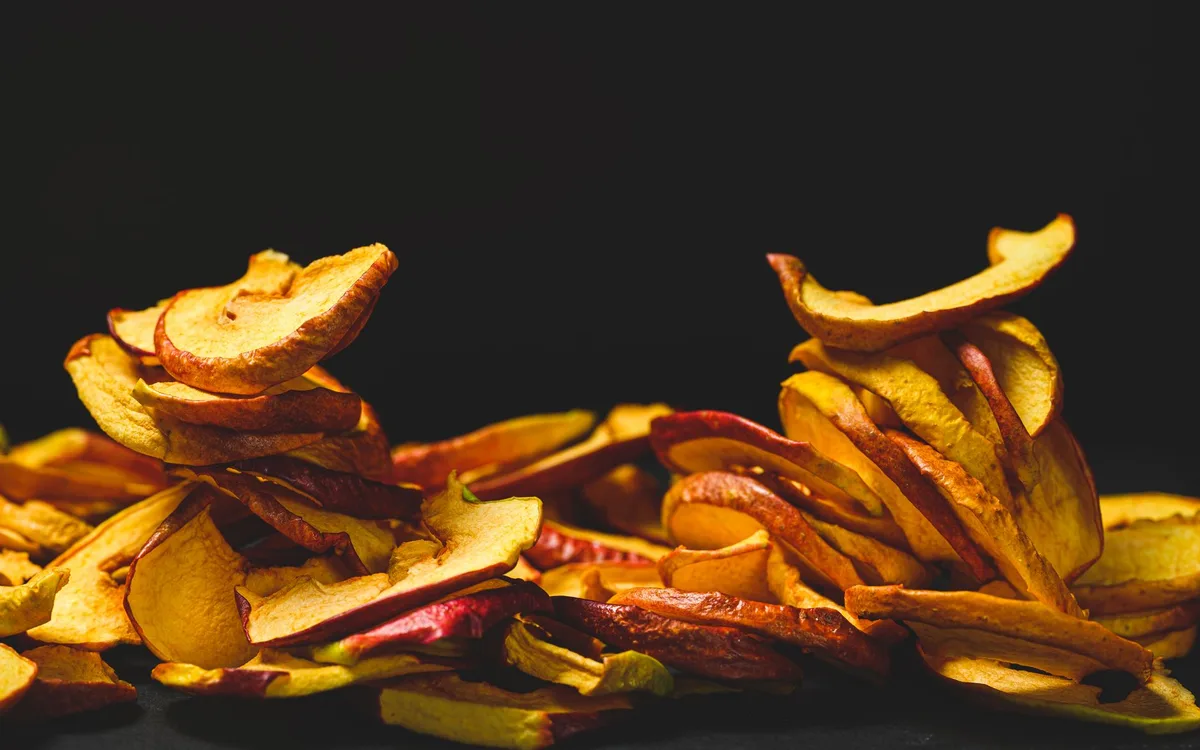
- Fruits: Think of thinly sliced apples turning into chips, or strawberries concentrating their sweetness.
- Apples: Slice them about 1/8-inch thick. Remove the core if you prefer chip-like pieces.
- Bananas: Use firm, ripe bananas, not overly soft ones. Cut them lengthwise or into thick coins.
- Berries: Strawberries are best sliced. Blueberries can be done whole, but watch them closely.
- Citrus (Oranges, Lemons, Limes): Thin rounds work well to create flavorful additions for drinks or baking.
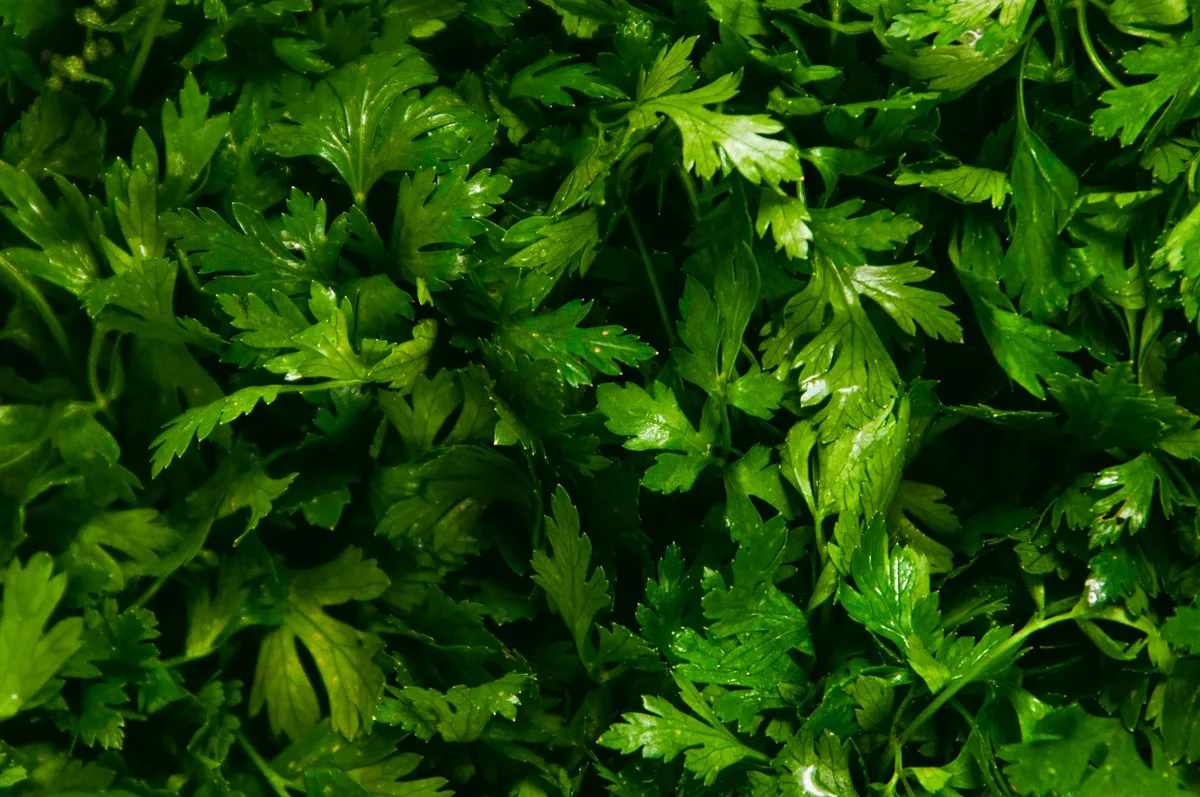
- Herbs: If you've got a surplus from the garden or grocery store, this is a prime use for them.
- Parsley, Cilantro, Basil, Mint, Oregano, Rosemary, Thyme: Ensure they are completely dry after washing, then lay them flat.
This method allows you to capture the peak flavor of your produce. As of 2026, preserving food at home is increasingly popular for cost savings and healthier eating.
Foods Requiring Extra Care: Meats and Certain Veggies
Some items can be dehydrated but need a more cautious approach or specific preparation. These aren't as straightforward as fruits and herbs.
- Lean Meats (for Jerky):
- This is achievable but requires strict attention to food safety. You'll need to use very lean cuts, slice them thinly (around 1/8 inch), and marinate them. Crucially, the meat must reach a safe internal temperature during the dehydration process to kill potential pathogens. Manufacturer specifications for jerky often suggest target temperatures and times that need to be carefully monitored.
- Vegetables (sturdier types):
- Tomatoes: Thinly sliced Roma or plum tomatoes become intensely flavorful, functioning as a homemade sundried tomato.
- Mushrooms: Cleaned and sliced thinly, they yield concentrated earthy flavors.
- Bell Peppers: Thin strips dehydrate well, retaining their sweetness.
- Onions: While possible, onions can be time-consuming and require very thin slicing to dry evenly.
For these items, the air fryer's ability to circulate hot air is key, but it's always best to consult your specific air fryer's manual for any recommendations or restrictions on dehydrating meats.
Foods Best Suited for Air Fryer Dehydration
When you're asking "what can you dehydrate in an air fryer," you're really asking about the foods that will succeed with this appliance's specific capabilities. The goal of dehydration is to remove moisture without cooking the food. Therefore, items with a higher moisture content, when sliced thinly, are generally good candidates. You're looking for foods that can shrink down and become pliable or crisp without becoming tough or gummy.
This means focusing on items with less dense flesh and a higher surface-area-to-volume ratio once sliced. The results you achieve primarily depend on the temperature control of your air fryer and how evenly you prepare your ingredients. Understanding these food types helps set realistic expectations for what your air fryer can accomplish.
Foods Requiring Extra Care: Meats and Certain Veggies
While many fruits and herbs are simple to dehydrate, venturing into meats and some tougher vegetables requires a bit more diligence. This isn't to say it's impossible, but it's where common mistakes can lead to poor results or, more importantly, food safety issues.
For jerky, using lean cuts is paramount because fat doesn't dehydrate properly and can become rancid, ruining your batch. Processing meat also necessitates ensuring it reaches a safe internal temperature, often around 160°F (71°C) for beef, to kill bacteria. If your air fryer can't reliably maintain this temperature for an extended period, it might not be the best tool for homemade jerky from raw meat. Always check your air fryer's manual for recommended temperatures; some suggest a minimum setting of 180°F (82°C) for such applications.
Regarding vegetables like root vegetables (carrots, sweet potatoes), they tend to have a denser structure and more complex carbohydrates. Achieving a desirable texture can be challenging without first blanching them. Blanching, a quick dip in boiling water followed by an ice bath, helps to soften them and can contribute to more even drying. Without it, they might remain stubbornly chewy or require excessively long drying times.
What to Skip for Air Fryer Dehydration
Not everything is a good candidate for air fryer dehydration. Some foods simply won't yield good results, or they pose risks.
- High-Fat Meats: As mentioned, the fat won't dehydrate and can go rancid. Stick to lean cuts for any meat products.
- Very Watery or Delicate Items: Thin leafy greens like spinach tend to just become brittle and powdery, not desirable. Overly ripe, mushy fruits can be difficult to handle and might just cook or burn.
- Purees or Sauces: Unless you're specifically aiming for fruit leather (which often requires special equipment or techniques), pureed foods are too dense and sugary. They tend to caramelize and burn at dehydration temperatures rather than drying out.
- High-Sugar Content Items: Foods with a lot of natural sugars, like very ripe grapes or corn, can also caramelize and burn if the temperature isn't precisely controlled and kept low.
The key here is to understand the moisture and fat content of what you're trying to dehydrate. If it's designed to break down or cook quickly, it's probably not a good candidate for a drying-only process in an air fryer.
Key Factors for Successful Air Fryer Dehydration
Getting good results when you dehydrate in an air fryer comes down to a few crucial techniques. It's less about the "magic" of the appliance and more about how you prepare and manage the food within it.
Thin & Even Slicing: Your First Step to Success
This is arguably the most critical factor. All pieces of food, whether they're apple slices or strips of beef, need to be cut to a uniform thickness. This ensures that they all dry at roughly the same rate. If your slices are uneven, you'll end up with some pieces that are perfectly dried (or even over-dried) while others are still moist and risk spoilage.
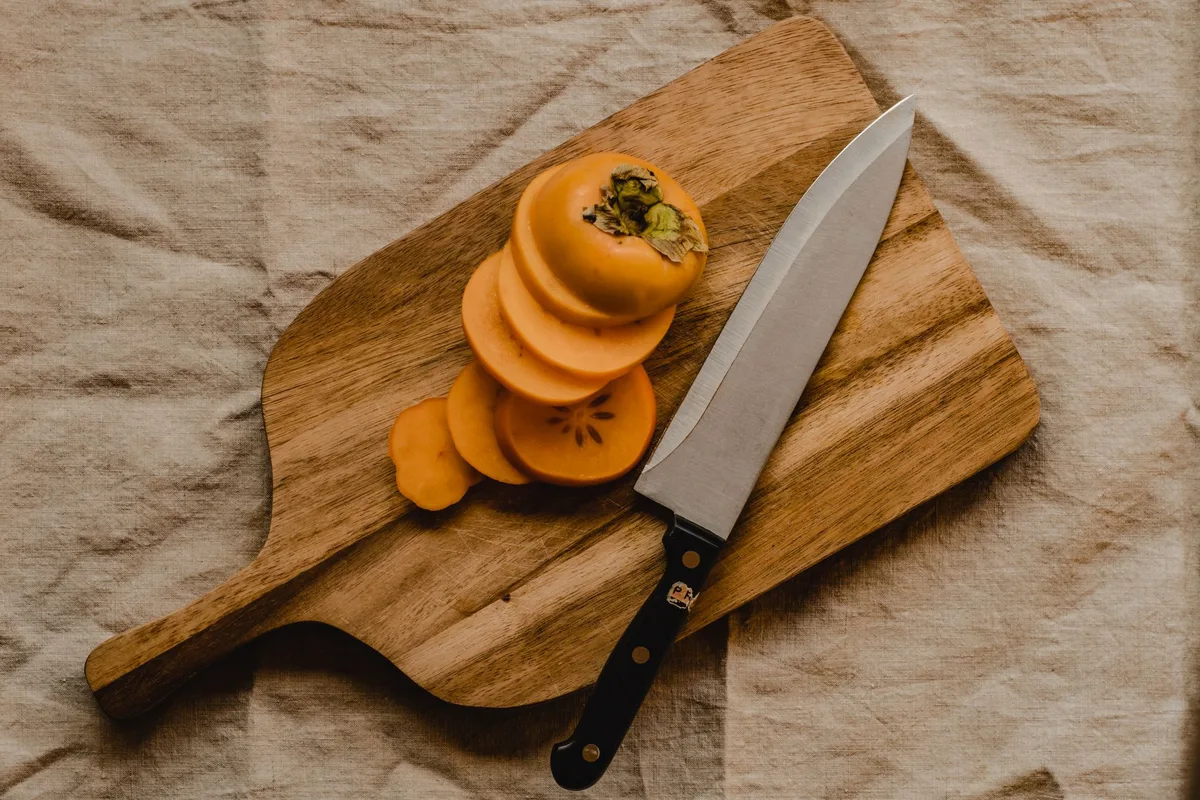
For fruits and vegetables, aim for about 1/8 to 1/4 inch thickness. For jerky, 1/8 inch is standard. A mandoline slicer can be an invaluable tool here, though a sharp knife and a steady hand will also work. Consistency is your best friend in the dehydration process.
Low & Slow: Mastering the Temperature
Dehydration is the opposite of cooking. You want to gently coax moisture out of the food, not bake it. This means using low temperatures. Manufacturer specifications for dedicated food dehydrators typically range from 125°F to 165°F (52°C to 74°C).
Many air fryers have a dedicated dehydrate setting that operates in a similar low range, often around 130°F to 160°F (55°C to 70°C).
If your air fryer has a wide temperature range, you'll want to select the lowest setting available. If the lowest setting is still too high (say, above 180°F or 82°C), you might need to experiment. Some users report success by setting their air fryer to its lowest temperature and propping the lid open slightly (if your model allows and it's safe to do so) to encourage moisture escape. However, always refer to your appliance's manual before attempting any modifications.
The goal is evaporation, not cooking.
Don't Overcrowd for Better Air Circulation
Air fryers work by circulating hot air. For dehydration, this circulation is even more vital because it's the air movement that carries away the moisture being released from the food. If you pack the air fryer basket too tightly, air can't flow freely. This leads to uneven drying, where some items might dry while others remain damp near the center or in between overcrowded pieces.
You want to arrange your food in a single layer, ensuring there's space between each slice or piece. Depending on the size of your air fryer and the amount of food you're dehydrating, you might need to work in batches. Think of it like how you'd arrange items on a baking sheet for roasting, they need their own space. This also applies if you're dehydrating something like herbs; lay them flat and give them room.
Monitoring and Drying Times
The exact time it takes to dehydrate food in an air fryer varies significantly. Factors include:
- Type of Food: Fruits with higher sugar content might dry faster than fibrous vegetables.
- Thickness of Slices: Thicker slices take longer.
- Moisture Content: Some foods are naturally more succulent than others.
- Air Fryer Model: Different appliances have varying efficiencies.
- Ambient Humidity: Humid environments can slow down the drying process.
Generally, you can expect times to range from 2, 10 hours for fruits and vegetables, and potentially longer for lean meats. It's always better to start checking your food about halfway through the estimated time. You're looking for a specific texture: fruits should be leathery or crisp (depending on what you're making), and meats should be dry and pliable, not bendable or sticky like raw meat. For herbs, they should be completely brittle and easily crumble.
Regular brand specifications often provide guideline times, but your own observation is key.
How to Dehydrate Foods in Your Air Fryer: A Workflow
Now that you know what can be dehydrated in an air fryer, let's walk through the process itself. Think of this as your step-by-step guide to turning fresh ingredients into long-lasting snacks and flavor savers.
Preparing Your Ingredients
This initial step is crucial for successful dehydration. Start by ensuring all produce is clean. Wash fruits and vegetables thoroughly under cool running water to remove any dirt or residue. For herbs, gently rinse them and then pat them completely dry with paper towels or a clean kitchen towel.
Excess surface water can hinder the drying process and potentially lead to mold.
Next, comes the slicing. As we've discussed, uniform thickness is key. If you're dehydrating pliable items like tomatoes or apples, aim for around 1/8 to 1/4 inch. For leaner meats intended for jerky, 1/8 inch is the standard.
This consistent size ensures that all items in the basket will dry at a similar pace, preventing some from overcooking or burning while others remain too moist.
Setting Up Your Air Fryer for Dehydration
Once your ingredients are prepped and sliced, it's time to set up your appliance. Most air fryers have a basket or trays where you arrange your food. Place your prepared slices in a single layer, making sure to leave a small gap between each piece. This spacing is absolutely vital for allowing hot air to circulate freely around every item.
If your air fryer has a specific dehydrate setting, select that. If not, choose the lowest temperature setting available, typically around 130°F to 160°F (55°C to 70°C). You may need to consult your air fryer's manual to confirm the low-temperature capabilities of your model. For some appliances, you might need to slightly prop the vent or lid open to facilitate moisture escape, but always prioritize safety and check your manual before attempting any such adjustments.
The Drying Process: Watchful Waiting
With your food arranged and the air fryer set, the dehydrating process begins. This is not a quick task; dehydration by nature takes time. For fruits and vegetables, this can range from 4 to 10 hours, and for lean meats intended for jerky, it could be even longer, sometimes up to 12 hours or more, depending on thickness and temperature.
It's essential to monitor the food periodically. You might want to check it every hour or two, especially as you get a feel for your appliance's performance. This allows you to catch any pieces that might be drying faster than others and can give you a sense of the overall progress.
Checking for Doneness
Knowing when your dehydrated food is ready is an art, but it's a learnable one. For fruits, the texture should be leathery and pliable, or crisp if you're aiming for chips. They shouldn't feel moist or sticky to the touch. If you press a piece of dehydrated fruit between your fingers, it should be dry all the way through.
Meats destined to become jerky should feel dry and tough but still slightly pliable. They should not be soft or squishy, nor should they snap easily like a cracker. A good test is to take a piece off the heat and let it cool for a moment; it will firm up slightly as it cools. For dried herbs, they should be completely brittle and crumble with minimal pressure.
Post-Dehydration: Cooling and Storage
Once your food has reached the desired level of dryness, it's important to cool it completely before storing. This prevents condensation from forming inside your storage containers, which can lead to spoilage. Lay the dehydrated items out on a wire rack or a clean paper towel-lined plate for about an hour.
After cooling, store your dehydrated foods in airtight containers. Glass jars with tight-fitting lids, vacuum-sealed bags, or good quality plastic containers all work well. Keep them in a cool, dark, and dry place. Properly stored dehydrated fruits and vegetables can last for several months, while jerky can last for weeks to months, depending on how thoroughly it was dried and stored.
Common Pitfalls and How to Avoid Them
Even with the best intentions, there are a few common mistakes people make when dehydrating in an air fryer. Being aware of these can save you time, ingredients, and disappointment.
Over-Drying or Burning Your Food
This usually happens when the temperature is set too high or when food is left in for too long without checking. If you're using a setting that's more like cooking than dehydrating, your food will simply burn or become excessively hard and brittle. Always err on the side of a lower temperature and start checking for doneness early. It's much better to add an extra hour or two to the drying time than to ruin an entire batch.
Uneven Results and What Causes Them
Uneven results are typically a direct consequence of inconsistent slicing or overcrowding the basket. If some pieces are thick and others are thin, the thin ones will dry out and potentially burn before the thick ones are even close to being done. Similarly, if the basket is packed too tightly, the air can't circulate effectively, leading to moist spots and uneven drying across all the pieces. Remember, single layers and consistent thickness are your guiding principles here.
Food Safety Concerns with Meats
Dehydrating meats, especially raw meats for jerky, carries the highest risk of foodborne illness if not done correctly. If the meat isn't lean enough, the fat can spoil. More critically, if the meat doesn't reach a safe internal temperature to kill off any bacteria like E. coli or Salmonella, consuming it can make you quite sick. This is why using a meat thermometer to verify internal temperatures and following established food safety guidelines is non-negotiable.
Never take shortcuts when dehydrating meat.
Air Fryer Dehydration vs. Dedicated Dehydrators
You might wonder if an air fryer is truly comparable to a dedicated food dehydrator. The short answer is, it can be, but with limitations. Dedicated dehydrators are designed specifically for this task, often featuring multiple trays for larger batches and precise temperature controls that are calibrated for dehydration. They typically offer more consistent airflow and temperature regulation over many hours.
An air fryer, on the other hand, is primarily a convection oven. While its convection capabilities lend themselves well to drying, its basket design often means smaller batch sizes. Also, not all air fryers maintain a consistent low temperature for extended periods as reliably as a specialized dehydrator. If you plan to dehydrate large quantities regularly, a dedicated unit might offer better efficiency and capacity.
However, for those looking to experiment or dehydrate smaller amounts, an air fryer is a perfectly viable and convenient option.
Air Fryer Dehydrated Foods: Use Cases and Benefits
The effort put into dehydrating in an air fryer pays off in a variety of ways, primarily through the creation of healthy, convenient, and flavorful food items. It’s a practical skill that enhances your kitchen's utility.
Healthier Snack Options
One of the biggest draws of dehydrating your own food is the ability to control exactly what goes into it. Store-bought snacks, especially dried fruits, can be loaded with added sugars, sulfites, and other preservatives. By dehydrating at home, you can create snacks like apple chips, banana coins, or vegetable crisps with no added sugars or artificial ingredients. This makes them a guilt-free option for you and your family, fitting well into various dietary preferences.
Preserving Your Harvest
If you find yourself with an abundance of produce from a garden or a great deal at the farmer's market, dehydration is an excellent way to preserve it. Instead of letting fresh herbs and fruits go to waste, you can dry them and store them for months. This allows you to enjoy the flavors of summer produce well into the fall and winter. Dried herbs, for instance, retain much of their aromatic potency when stored correctly.