
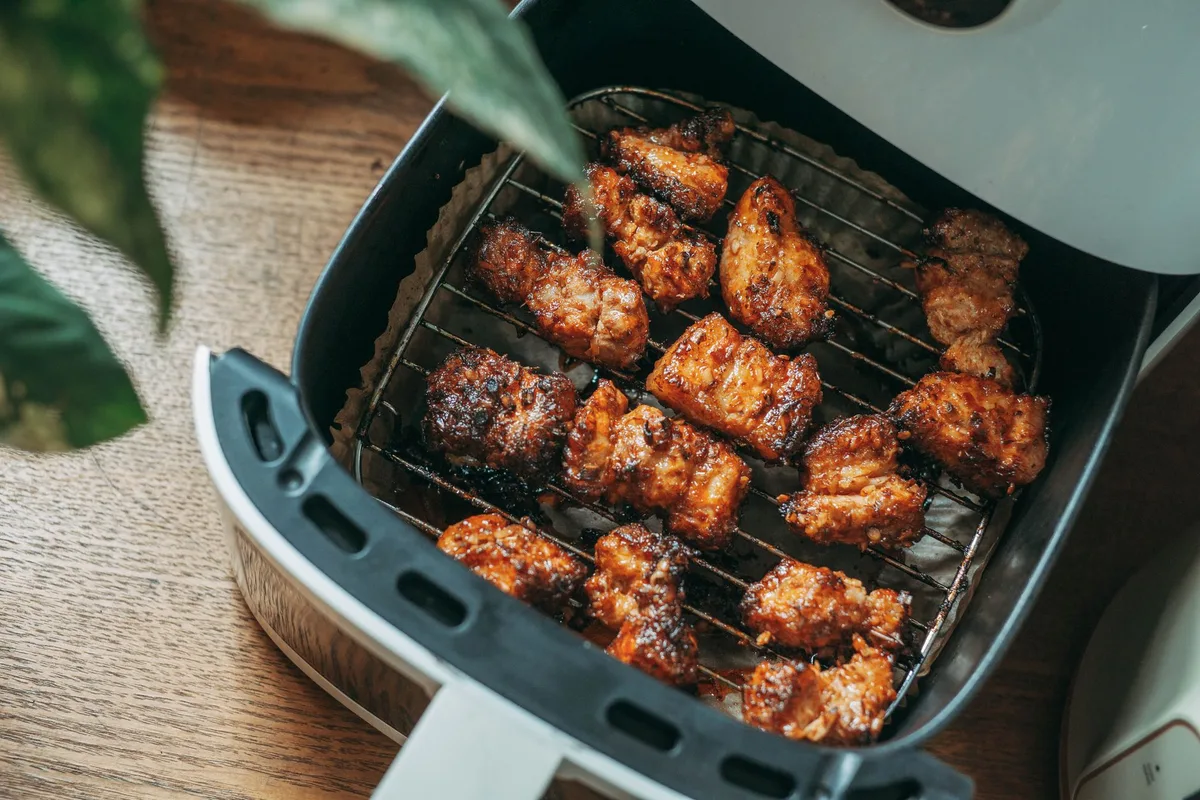
So, you're wondering what oil to use in your air fryer to get those perfectly crispy results without a smoky kitchen? It's a question many home cooks grapple with, and picking the right oil makes a world of difference. The appliance itself is designed to circulate hot air, mimicking deep frying with significantly less oil, but the type of oil you use can seriously impact the flavor, texture, and even the longevity of your appliance.
Manufacturer specifications often highlight the efficiency of these cooking devices, but they don't always detail the nuances of oil selection. For instance, while many cooking oils have a smoke point around 375°F (190°C) or higher, actual air fryer temperatures can push past 400°F (205°C), meaning the wrong oil will not only taste bad but can create problematic residue. Understanding these oil properties is key to unlocking your air fryer's full potential.
Why Your Oil Choice Matters in the Air Fryer
Your air fryer operates by blasting hot air around your food, creating that desirable crispiness. Because of this intense heat circulation, the oil you use needs to be able to withstand high temperatures without breaking down. When an oil's smoke point is exceeded, it begins to degrade, releasing acrid smoke and unpleasant flavors that can taint your food and leave a sticky film inside your air fryer. This residue can be quite challenging to clean and may affect future cooking.
Choosing an oil with a smoke point well above your typical air fryer cooking temperatures, often between 350°F and 400°F (175°C to 205°C), is therefore crucial for both delicious food and a well-maintained appliance.
Top Tier Oils That Handle the Heat (And Taste Great!)
When it comes to air frying, we're looking for cooking oils that bring a lot to the table without any of the drawbacks. These are the oils that can get nicely hot without turning into a smoky mess, and they do it without adding weird flavors to your chicken wings or roasted veggies. Think of them as workhorses that help achieve that perfect golden-brown crisp we all crave from our air-fried dishes.
Avocado Oil: The Unbeatable All-Rounder
Avocado oil is a true star for air frying, and for good reason. In our research, it consistently ranks high due to its exceptionally high smoke point, typically around 520°F (270°C). This makes it incredibly versatile; it can handle virtually any temperature your air fryer is set to without smoking or burning. Furthermore, its flavor is remarkably neutral and mild, meaning it enhances the natural taste of your food rather than competing with it.
This makes it an excellent choice for everything from delicate fish to robust pork chops.
Light Olive Oil: A Flavorful Contender
While extra virgin olive oil (EVOO) can be problematic, light or regular olive oil is a much better option for air frying. This refined type of olive oil has a higher smoke point, generally around 470°F (240°C), making it safe to use at typical air fryer temperatures. Although it retains a subtle olive flavor, it's far less pronounced than in EVOO, offering a pleasant taste that complements many savory dishes without overpowering them. It’s a good middle-ground if you enjoy a hint of that Mediterranean zest in your meals.
Canola & Grapeseed: Reliable & Neutral Choices
Canola oil offers a budget-friendly and widely available choice for air frying. It boasts a smoke point of about 400°F (205°C), which is more than adequate for most air fryer tasks. Its flavor is very neutral, making it a safe bet for any recipe where you don't want the cooking oil to influence the taste. Grapeseed oil is another excellent neutral option, with a smoke point around 420°F (216°C).
It’s lighter in texture and taste than canola, making it a favorite for achieving a delicate crisp without any oil flavor interference.
High Oleic Sunflower Oil: Another Solid Pick
When considering sunflower oil for air frying, it’s important to opt for the "high oleic" variety. This specific type has been bred to have a higher proportion of oleic acid, which makes it more stable at higher cooking temperatures. It generally has a smoke point around 450°F (230°C), providing a good buffer for the heat generated in an air fryer. Its flavor is mild and clean, making it suitable for a wide range of dishes, from seasoned vegetables to marinated chicken.
Oils to Approach With Caution (Or Skip Entirely)

Not all oils are created equal when it comes to the intense environment inside an air fryer. Some just aren't built for that kind of heat.
The Deal with Extra Virgin Olive Oil
Extra virgin olive oil (EVOO) is a kitchen staple for its wonderful flavor and health benefits, but its suitability for air frying is limited. EVOO has a lower smoke point, typically around 375°F (190°C). Since most air fryers operate at temperatures exceeding this, using EVOO can lead to burnt oil, a bitter taste on your food, and a significant amount of smoke. Manufacturer specifications for many air fryer models indicate temperatures that will quickly exceed EVOO's stable range.
For olive oil flavor, it's best to stick with refined olive oils for air frying.
Why Butter and Other Fats Don't Usually Cut It
While butter can add richness to cooked foods, its low smoke point and high content of milk solids make it a poor choice for directly cooking in an air fryer. Melted butter will burn rapidly at air fryer temperatures, creating a smoky mess and leaving behind stubborn, charred residue that's difficult to clean. Margarine, being similar in composition, presents the same issues. While clarified butter, or ghee, has a higher smoke point due to the removal of milk solids, using any of these fats in quantity with direct heat can still lead to uneven cooking and potential burning compared to dedicated cooking oils.
How Much Oil Do You Actually Need?
The beauty of air frying is its efficiency, and that extends to oil usage. Unlike traditional deep frying, where food is fully submerged, air frying relies on a thin coating of oil and hot, circulating air to achieve crispiness. Therefore, you rarely need more than a teaspoon or two of oil per batch of food. For instance, preparing about 1 pound of french fries might only require 1 to 2 teaspoons of your chosen oil for optimal crisping.
Over-oiling can lead to greasier results and can cause excessive smoking as the excess oil heats up and drips. A light coating is all that's needed.
Getting the Best Results: The Right Way to Oil Your Food
Achieving that perfect crisp and flavor in your air fryer often comes down to how you apply the oil. It’s not just about picking the right oil, but also using it effectively.
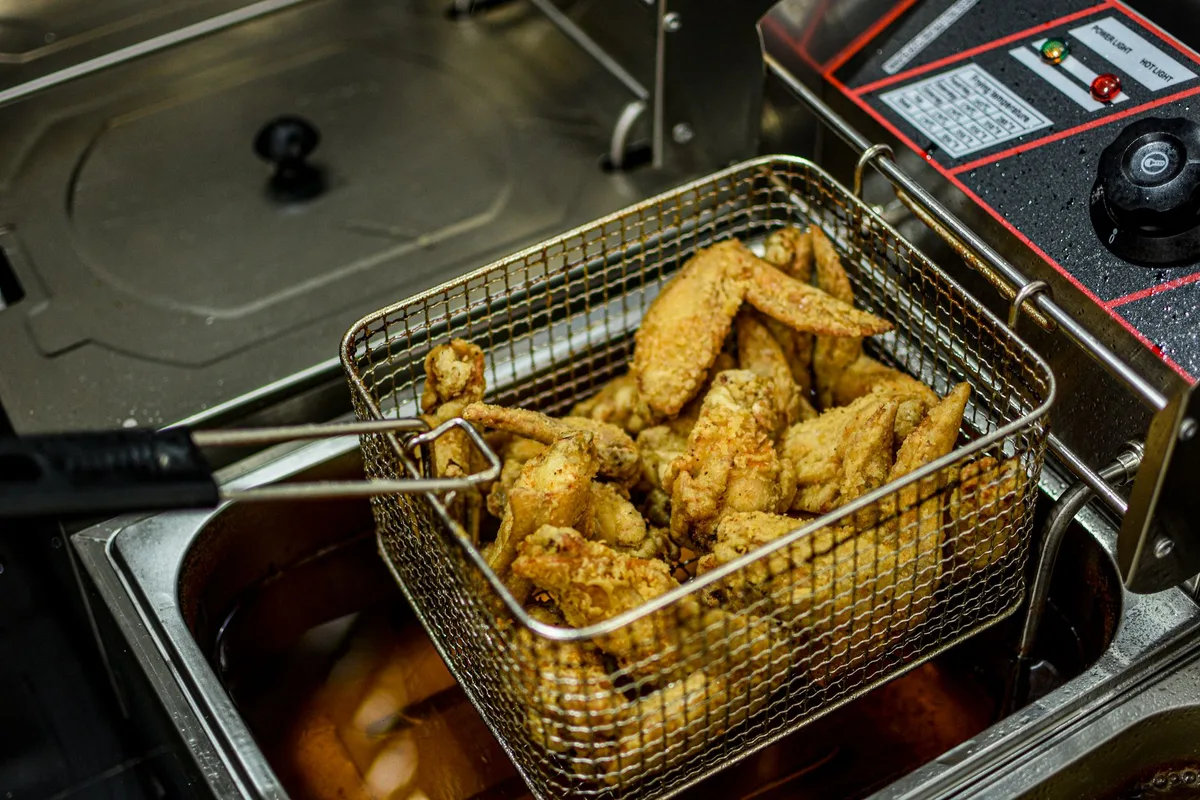
The most efficient method is to toss your food directly in a bowl with the oil and seasonings before placing it in the air fryer basket. This ensures that every piece gets an even, light coating. For example, if you’re making homemade potato wedges, adding them to a bowl with a tablespoon of avocado oil and your favorite spices, then tossing until thoroughly coated, will yield much better results than trying to drizzle oil over them once they're already in the basket. For pre-prepared items like frozen fries or pre-marinated meats, a quick spray from an oil mister or a light drizzle is usually sufficient.
Common Mistakes That Ruin Your Air Fryer Meals
Even with the right oil in hand, a few common missteps can derail your air frying success. One of the biggest culprits is overcrowding the air fryer basket. Manufacturer recommendations often advise leaving enough space for air to circulate freely around the food. If the basket is too full, your food won't crisp up properly, and you'll end up with a soggy or unevenly cooked batch.
Another prevalent error is not preheating the air fryer. Just like a conventional oven, preheating your air fryer for about 3, 5 minutes ensures it reaches the target temperature immediately upon adding your food. This initial blast of heat is critical for achieving that sought-after crispy exterior. Finally, neglecting to clean the air fryer regularly can lead to accumulated food particles burning, causing smoke and off-flavors in subsequent uses.
Choosing Your Oil: A Quick Comparison Guide
When you're standing in the oil aisle, or even just staring into your pantry, knowing which oil fits the bill for air frying can be tough. Let's quickly compare some of the top contenders to make that decision easier.
| Oil Type | Smoke Point (Approx.) | Flavor Profile | Best For | Notes |
|---|---|---|---|---|
| Avocado Oil | 520°F (270°C) | Neutral, Mild | Everything, especially high-heat cooking | Excellent all-rounder; can be pricier. |
| Light Olive Oil | 470°F (240°C) | Subtle Olive | Roasted vegetables, chicken, seafood | Avoid Extra Virgin; suitable for most dishes. |
| Canola Oil | 400°F (205°C) | Neutral | General cooking, fries, breaded items | Affordable and widely available. |
| Grapeseed Oil | 420°F (216°C) | Very Neutral, Light | Delicate dishes, marinades, crisping small items | Light texture, doesn't alter food flavor. |
| High Oleic Sunflower | 450°F (230°C) | Mild, Clean | General cooking, baking, pan-frying | Ensure it's the "high oleic" variety. |
| Extra Virgin Olive Oil | 375°F (190°C) | Robust Olive | Dressings, finishing, low-heat applications | Not recommended for air frying temperatures. |
When to Use Which Oil: Matching Oil to Your Meal
The choice of oil can subtly, or sometimes significantly, impact the final dish. Understanding how each oil's characteristics lend themselves to different foods can elevate your air fryer creations.
- For Maximum Crispiness & Neutral Flavor: Avocado oil and grapeseed oil are your go-to options. Their high smoke points and neutral taste make them perfect for achieving that deep-fried crunch on foods like french fries, onion rings, or even homemade kale chips without imparting any dominant oil flavor.
- For a Touch of Flavor: If you're air frying chicken breasts, pork chops, or roasted root vegetables, light olive oil can add a pleasant, subtle background note that complements the savory qualities of the food. It still offers good heat stability for these applications.
- For Everyday Cooking: Canola oil and high oleic sunflower oil serve as versatile, reliable options for a wide array of dishes. They are cost-effective and perform well at typical air fryer temperatures, making them suitable for everything from thawing and cooking frozen snacks to preparing marinated items.
Expert Tips for Your Air Fryer Oil Selections
Beyond just picking an oil, a few seasoned practices can ensure you get the most out of your air fryer. Consider using specialty misters or spray bottles that allow you to control the amount of oil more precisely than a typical aerosol can. These tools help you achieve a very light, even coating with far less oil, reducing excess smoke and grease. When working with ingredients that are naturally fatty, like bacon or certain cuts of meat, you might find you need little to no added oil at all.
The fat rendered during cooking can often provide enough lubrication and contribute to crisping. As of 2026, manufacturers continue to refine air frying technology, but these fundamental oil principles remain constant for optimal performance and taste.