
So, you're wondering, "What materials can I actually put in an air fryer?" It’s a super common question, and for good reason. Knowing what's safe and what's not keeps your food from getting contaminated and your appliance running smoothly. We're talking about materials that handle intense heat and circulating air without a hitch.
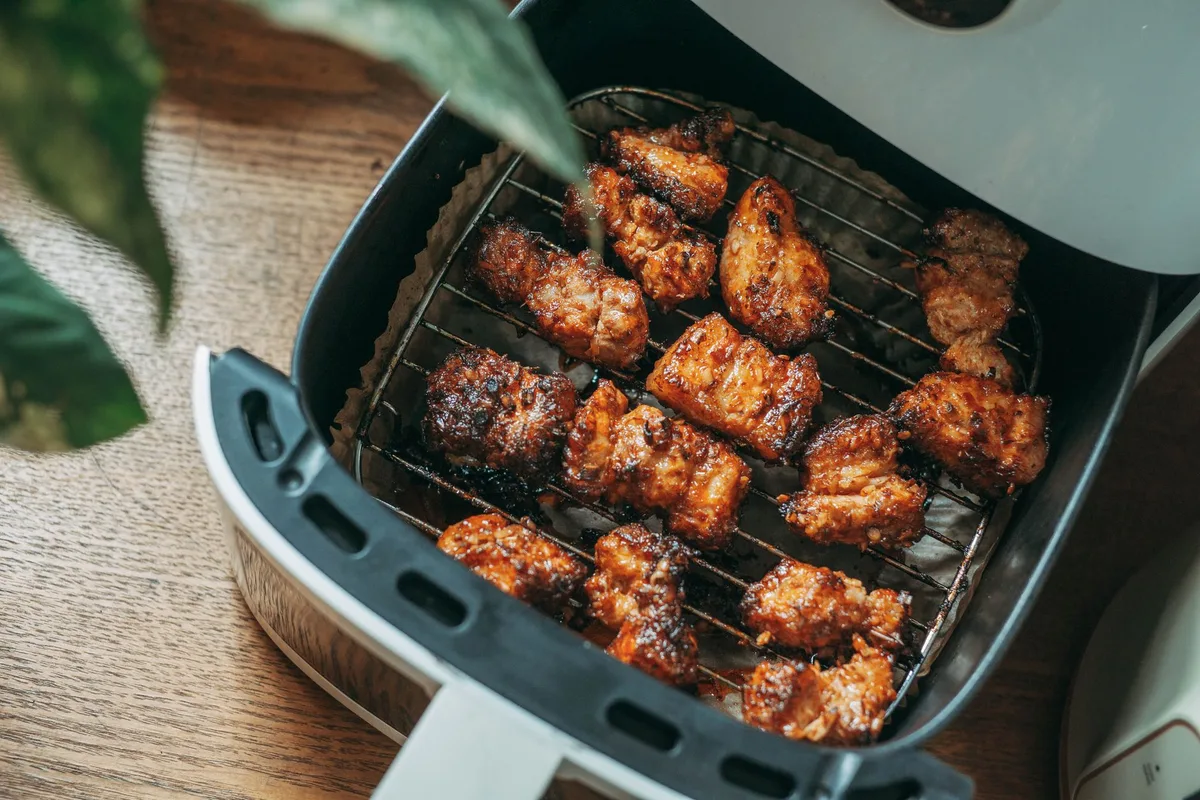
When you’re deciding what goes into that hot basket, think about heat tolerance and potential reactions. Manufacturer specifications often confirm that air fryers can reach temperatures upwards of 400°F (204°C), requiring materials designed for such conditions. Let's dive into the specifics.
The "Yes, Go For It!" Materials for Your Air Fryer
These are the materials that hold up great under the intense conditions inside an air fryer. They're your go-to options for baking, roasting, or just reheating.
Stainless Steel Savvy
Stainless steel cookware is a fantastic choice for air fryer use. It’s durable, heats relatively evenly, and won't react with most foods, even acidic ones. You can use small stainless steel skillets, baking pans, or even the original basket if you're looking to replace it.
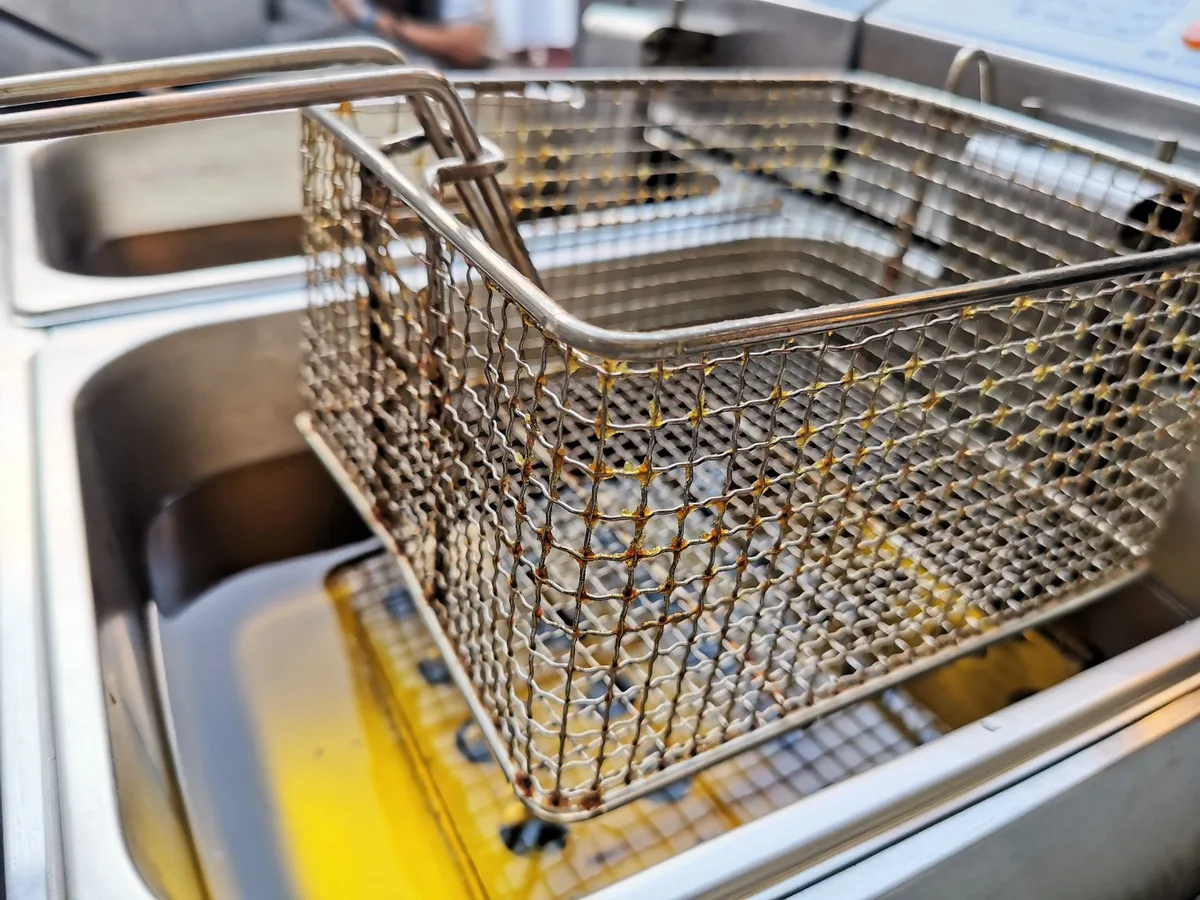
When choosing stainless steel, look for thicker gauges that will offer more even heat distribution and are less likely to warp. Ensure that whatever stainless steel item you use fits comfortably within your air fryer’s basket, allowing for ample air circulation around it. Manufacturer specifications for stainless steel cookware generally confirm its suitability for oven temperatures well above typical air fryer settings.
Cast Iron Capabilities
For those who love that superior heat retention and searing power, cast iron is a solid option. A smaller cast iron skillet or pan can absolutely go into your air fryer, perfect for searing steaks, cooking cornbread, or getting a nice crust on small batches of baked goods.
The key here is size and weight. Make sure the cast iron piece fits securely and that you can safely place it in and remove it from the basket without damaging the air fryer or yourself. Cast iron’s excellent heat retention means it can get very hot, very quickly, contributing to that desired crispy texture on food.
Oven-Safe Glass Options
If your glass bakeware is rated for oven use, it's generally safe for the air fryer. This includes items like Pyrex or similar brands. These are great for dishes like casseroles, frittatas, or baked oatmeal where you want contained cooking.
The most important factor with oven-safe glass is ensuring it’s designed to handle the sort of high, dry heat an air fryer generates, similar to a conventional oven. Always check the manufacturer’s recommendations. If a glass dish is microwave-safe but not explicitly oven-safe, don't risk it in the air fryer, as microwave glass isn't built for sustained high temperatures.
Silicone Bakeware Benefits
Silicone bakeware, like muffin cups, cake molds, or small loaf pans, is a popular choice for air fryers thanks to its flexibility and non-stick properties. They're easy to clean and can make removing delicate items a breeze.
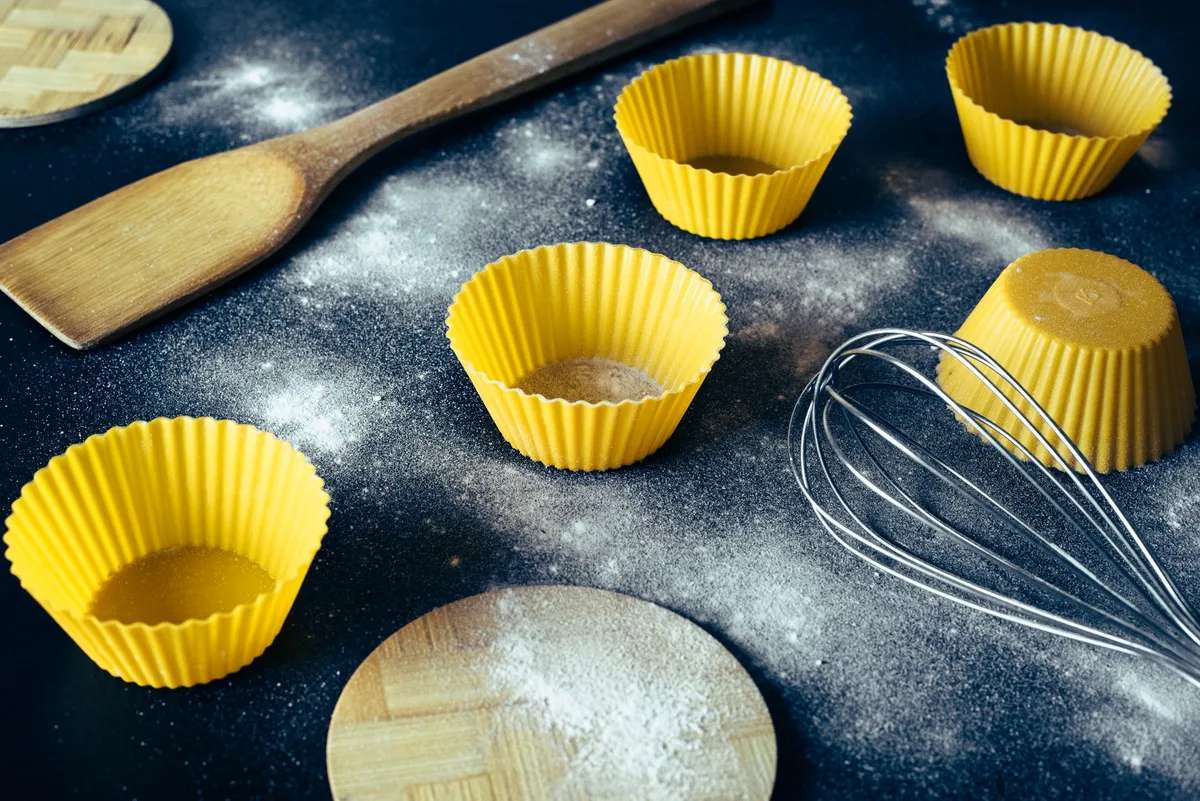
When using silicone, always opt for high-quality, food-grade silicone that’s specifically marked as oven-safe up to at least 400°F (204°C). Lower quality silicone might degrade or leach chemicals at these temperatures. Also, make sure the silicone item is heavy enough or filled with food so it doesn't get blown around by the strong convection currents inside the air fryer. If it's too light, it could end up against the heating element, posing a fire risk.
Parchment Paper Shines (Safely)
Parchment paper can be a lifesaver for cleanup, especially for sticky foods. However, it's crucial to use it correctly. Never use plain parchment paper unless it's weighed down by food, as it can easily get caught in the air fryer's heating element and ignite.
For best results, consider air fryer-specific parchment liners. These are often perforated to allow for optimal airflow, ensuring your food cooks evenly. If using a standard sheet, always place food on top of it to anchor it down. Avoid using it alone or with very light items that could lift it.
The National Fire Protection Association (NFPA) recommends extreme caution with flammable materials in contact with heating elements, underscoring the need for proper anchoring when using paper products.