
What exactly is a cloud kitchen? It’s a culinary setup designed purely for delivery, meaning no dine-in area, no waiters, and no tables for customers. Think of it as the silent engine behind many of the food orders you place through various apps. This model has really reshaped how food businesses operate, allowing for more focused production and wider reach without the traditional restaurant overhead.
Aggregate reviews report that a typical cloud kitchen can cost a fraction to set up compared to a conventional brick-and-mortar eatery, with some estimates showing startup costs for a cloud kitchen can be as low as $50,000 to $100,000, whereas a full restaurant can easily run into the millions. As of 2026, this approach offers a streamlined path for food entrepreneurs.
Who Needs to Know About Cloud Kitchens?
Whether you’re a hungry diner scrolling through delivery apps or an aspiring chef with a big culinary idea, understanding cloud kitchens is key. For customers, it means more food options delivered right to your door. For entrepreneurs, it represents a potentially more accessible entry point into the competitive food industry.
If you’re curious about the origins of your takeout meal, it’s likely come from one of these specialized kitchens. If you're considering starting a food business, this model might offer a way to bypass some of the biggest hurdles.
How Cloud Kitchens Work: The Behind-the-Scenes
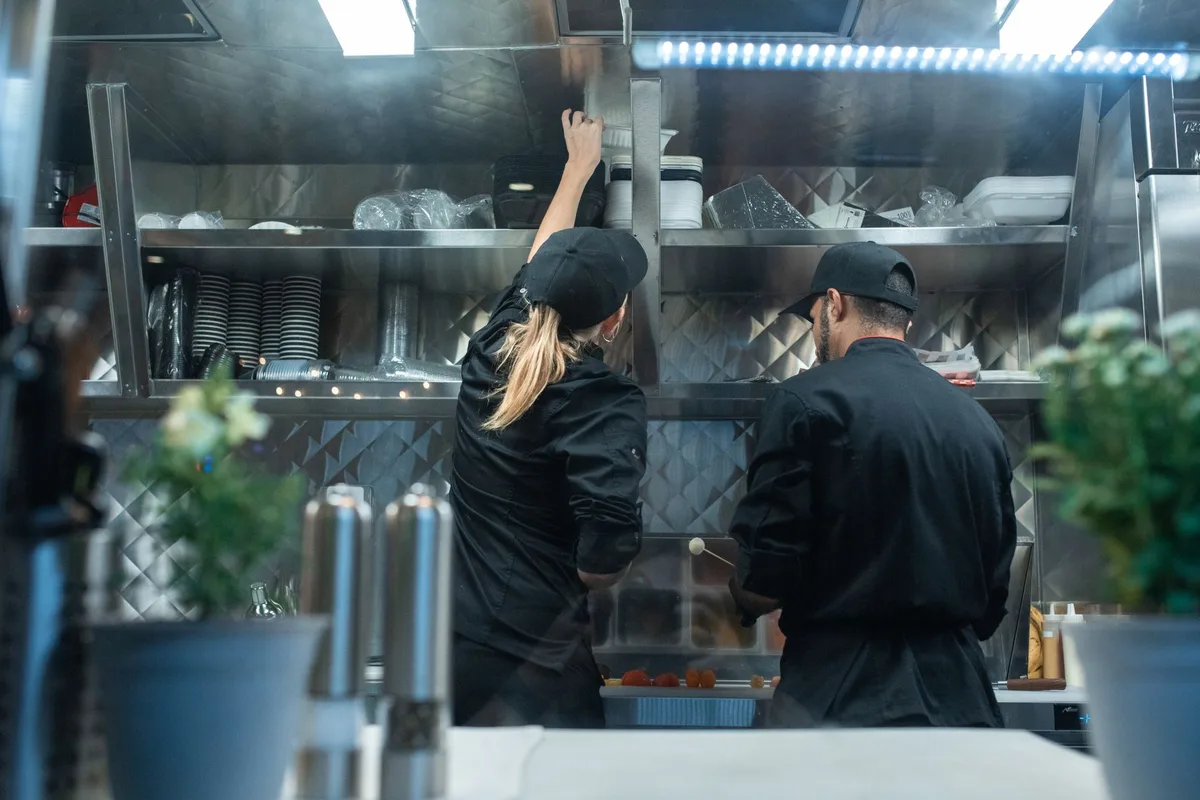
At its core, a cloud kitchen is a professional cooking facility solely dedicated to preparing food for delivery or takeout orders. Unlike a traditional restaurant, there’s no public-facing storefront. Instead, these kitchens are often located in areas with lower rent, sometimes industrial parks or shared kitchen spaces, optimizing for production efficiency rather than customer footfall.
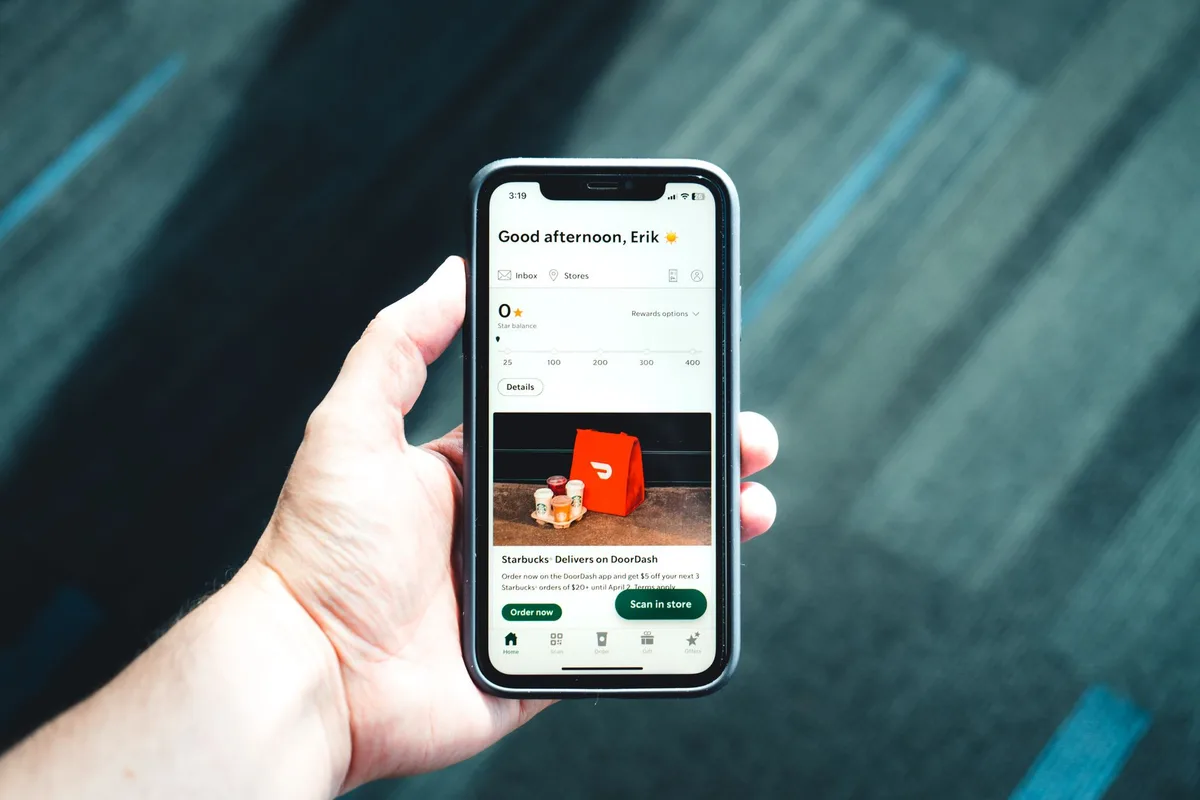
The operation usually involves partnerships with third-party food delivery platforms. When you place an order through an app, it’s routed to the cloud kitchen, where your meal is prepared and handed off to a delivery driver. Some cloud kitchens even house multiple "virtual" restaurant brands, all operating from the same physical space but offering distinct menus and brand identities online.
Perks of Going Cloud: The Big Wins
Launching a food business via a cloud kitchen model offers some significant advantages, particularly for those just starting out or looking to expand their reach. The financial and operational flexibility it provides can be a major draw. These benefits often make it a more attractive option than committing to a full-service restaurant.
Lower Startup Hurdles and Costs
The most compelling reason many explore cloud kitchens is the drastically reduced initial investment. You bypass the need for expensive interior design, customer seating areas, and prime retail locations. Renting space in a shared commercial kitchen facility or a dedicated cloud kitchen building is generally much more affordable than leasing and outfitting a traditional restaurant. This lower barrier to entry allows more entrepreneurs to test and grow their food concepts.
Flexibility and Wider Reach
Cloud kitchens offer unparalleled flexibility. Entrepreneurs can easily experiment with different menu items or even launch entirely new "virtual" restaurant brands without the costly physical changes required for a brick-and-mortar establishment. Furthermore, by leveraging multiple delivery platforms, a single cloud kitchen can serve a considerably wider geographical area than a traditional restaurant might with its immediate vicinity. This broadens the potential customer base significantly.
The Flip Side: Challenges and What to Watch For
While the benefits are compelling, operating a cloud kitchen isn't without its difficulties. Success hinges on smart strategies to overcome inherent challenges. It's essential to go into this with open eyes, understanding the potential pitfalls.
Navigating the Delivery App Maze
A significant portion of a cloud kitchen's business often relies heavily on third-party delivery apps like DoorDash, Uber Eats, or Grubhub. While these platforms offer access to a vast customer base, they also come with steep commission fees, sometimes eating up 15-30% of each order’s value. This can put a strain on profit margins. Control over customer data is also limited, making direct customer relationship building more difficult.
Furthermore, changes in app algorithms or policies can directly impact order volume and visibility.
Building a Name Without a Storefront
Without a physical location for customers to visit, building brand awareness and loyalty requires a different approach. You’re competing in a crowded digital marketplace where visibility often depends on strong marketing, attractive online menus, and consistent positive reviews. Developing a unique brand identity and ensuring a stellar online presence are critical. It’s harder to create that spontaneous discovery or word-of-mouth buzz that a bustling restaurant can generate.
Is a Cloud Kitchen Right for You? Key Considerations
Deciding if a cloud kitchen model fits your goals depends on what you're aiming for. It offers a distinct set of advantages and disadvantages, making it ideal for some but not for everyone. Consider these points carefully.
For the Diner: What to Expect
If you're a diner curious about your next takeout order, a cloud kitchen means access to more diverse food options, often at competitive prices due to lower overheads. You might be ordering from a brand you’ve never seen before, only to find out it’s prepared in the same facility as several other restaurants you’ve also ordered from. The quality of your experience will largely depend on the kitchen's efficiency and the delivery service’s speed and care.
For the Entrepreneur: A Practical Workflow
For someone looking to start a food business, a cloud kitchen offers a potentially less risky and more scalable path than a traditional restaurant. The workflow focuses heavily on efficient food preparation, order management through digital platforms, and coordination with delivery drivers. This model requires a strong focus on online marketing, operational efficiency, and consistent food quality that can withstand transit. If your primary goal is to serve food widely through delivery channels without the burden of managing a dining space, this could be a great fit.
Important Steps: Setting Up and Running a Cloud Kitchen
Getting a cloud kitchen off the ground involves several critical stages, from legalities to daily operations. It’s not just about cooking; it’s about building a system that’s efficient, compliant, and profitable in the digital food space. Think of it as setting up a specialized production line for food.
Getting Your Kitchen Legit: Permits and Rules
Before you even fire up a stove, sorting out the paperwork is non-negotiable. You’ll need to comply with local health department regulations, which usually involves obtaining a food service establishment permit. This usually means your kitchen space will be subject to inspections to ensure it meets standards for cleanliness, sanitation, and food storage. Beyond health permits, you'll also likely need a general business license.
Compliance checks often include:
- Food safety standards: Ensuring proper temperature control for storage and cooking.
- Sanitation procedures: Cleanliness of equipment, surfaces, and staff.
- Waste management: Proper disposal of food waste and other refuse.
- Water and plumbing: Access to clean water and approved wastewater disposal.
Making the Food and Getting It Out
Once your kitchen is compliant, the focus shifts to the daily hustle of preparing and dispatching orders. This involves meticulous inventory management to ensure you always have fresh ingredients on hand. Your kitchen workflow needs to be optimized for speed and accuracy because customer satisfaction hinges on timely delivery and correct orders.
Key operational steps include:
- Order reception: Systematically receiving orders from delivery platforms.
- Preparation and cooking: Cooking dishes to a consistent standard.
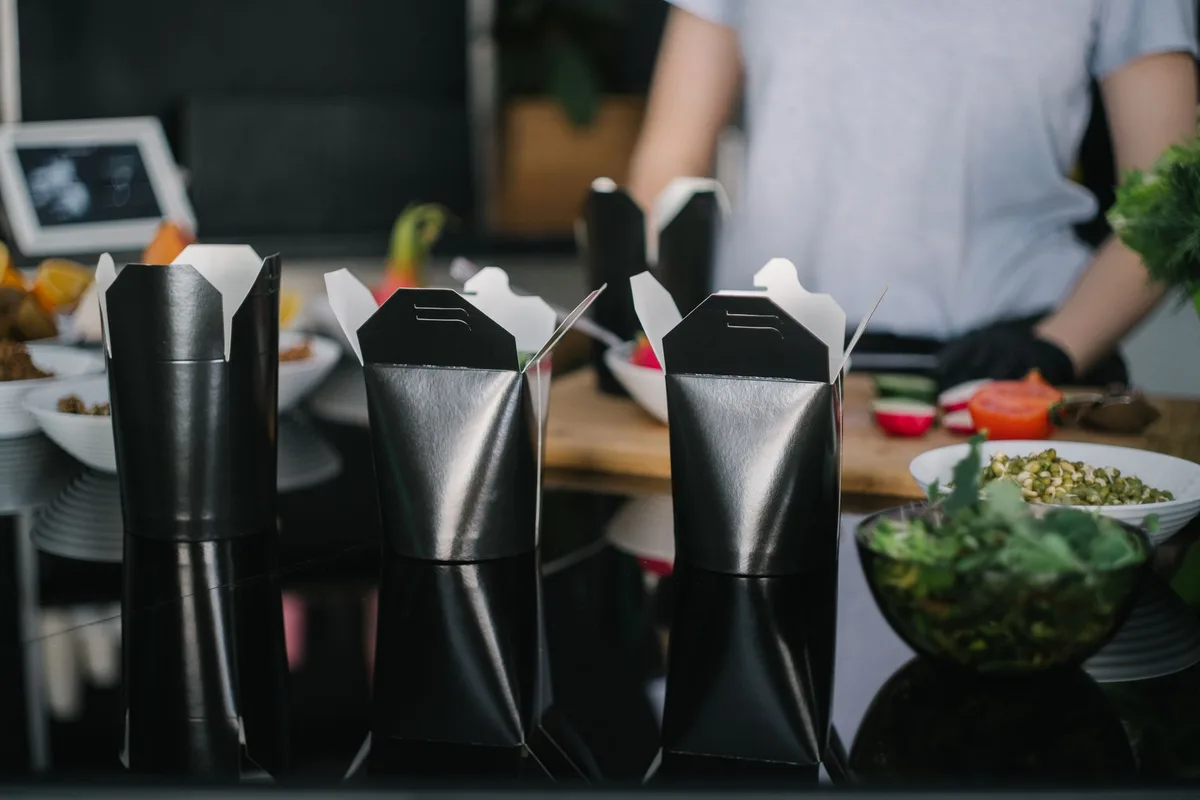
- Packaging: Using durable, food-safe packaging that maintains temperature and prevents spills. For instance, research indicates that certain types of insulated packaging can help maintain food temperatures for delivery durations of up to 45 minutes, which is crucial for customer satisfaction.
- Dispatch: Handing off packaged orders to delivery drivers efficiently.
Cloud Kitchens vs. Traditional Restaurants: What's Different?
The fundamental difference between a cloud kitchen and a traditional restaurant lies in their customer interface and operational focus. A traditional restaurant serves diners on-site, building a business around the dine-in experience, ambiance, and table service. Cloud kitchens, conversely, strip away the front-of-house operations entirely, concentrating solely on the back-of-house kitchen production and delivery logistics.
This distinction profoundly impacts everything from real estate choices to marketing strategies. For example, real estate for a cloud kitchen prioritizes functional kitchen space and accessibility for delivery drivers, often in industrial zones, whereas a traditional restaurant seeks highly visible, high-traffic locations with dining-suitable facades. This difference in focus allows cloud kitchens to operate with significantly lower overheads.
Common Cloud Kitchen Mistakes to Steer Clear Of
Many aspiring cloud kitchen operators stumble on a few key issues that can derail their business before it even gains traction. Awareness of these potential pitfalls is your first line of defense. One common error is underestimating the importance of effective digital marketing. Without a physical presence to attract walk-in customers, you're entirely reliant on being found and chosen online.
Other frequently seen mistakes include:
- Poor menu engineering: Offering too many complex items that slow down production or too few to attract diverse customers.
- Neglecting online reviews: Not actively monitoring and responding to customer feedback on delivery apps.
- Underestimating delivery platform fees: Failing to budget for commissions that can significantly impact profitability.
- Inconsistent food quality: Failing to maintain standards when production scales up quickly.
Cloud Kitchens vs. Traditional Restaurants: What's Different?
The fundamental difference between a cloud kitchen and a traditional restaurant lies in their customer interface and operational focus. A traditional restaurant serves diners on-site, building a business around the dine-in experience, ambiance, and table service. Cloud kitchens, conversely, strip away the front-of-house operations entirely, concentrating solely on the back-of-house kitchen production and delivery logistics.
This distinction profoundly impacts everything from real estate choices to marketing strategies. For example, real estate for a cloud kitchen prioritizes functional kitchen space and accessibility for delivery drivers, often in industrial zones, whereas a traditional restaurant seeks highly visible, high-traffic locations with dining-suitable facades. This difference in focus allows cloud kitchens to operate with significantly lower overheads, as confirmed by industry analyses.
Why Focus Matters: Kitchen vs. Dining Room
The success of a cloud kitchen is built on optimizing the cooking process and delivery chain. This means investing in efficient kitchen equipment, streamlined workflows, and robust packaging solutions designed to keep food fresh and hot during transit. For instance, specialized thermal packaging can maintain food temperatures within acceptable ranges for over 60 minutes. A traditional restaurant, however, must equally invest in customer experience elements like decor, seating comfort, and staff training for front-of-house service.
Common Cloud Kitchen Mistakes to Steer Clear Of
Many aspiring cloud kitchen operators stumble on a few key issues that can derail their business before it even gains traction. Awareness of these potential pitfalls is your first line of defense. One common error is underestimating the importance of effective digital marketing. Without a physical presence to attract walk-in customers, you're entirely reliant on being found and chosen online.
Other frequently seen mistakes include:
- Poor menu engineering: Offering too many complex items that slow down production or too few to attract diverse customers.
- Neglecting online reviews: Not actively monitoring and responding to customer feedback on delivery apps.
- Underestimating delivery platform fees: Failing to budget for commissions that can significantly impact profitability.
- Inconsistent food quality: Failing to maintain standards when production scales up quickly.
Is a Cloud Kitchen Right for You? Key Considerations
Deciding if a cloud kitchen model fits your goals depends on what you're aiming for. It offers a distinct set of advantages and disadvantages, making it ideal for some but not for everyone. Consider these points carefully.
For the Diner: What to Expect
If you're a diner curious about your next takeout order, a cloud kitchen means access to more diverse food options, often at competitive prices due to lower overheads. You might be ordering from a brand you’ve never seen before, only to find out it’s prepared in the same facility as several other restaurants you’ve also ordered from. The quality of your experience will largely depend on the kitchen's efficiency and the delivery service’s speed and care.
For the Entrepreneur: A Practical Workflow
For someone looking to start a food business, a cloud kitchen offers a potentially less risky and more scalable path than a traditional restaurant. The workflow focuses heavily on efficient food preparation, order management through digital platforms, and coordination with delivery drivers. This model requires a strong focus on online marketing, operational efficiency, and consistent food quality that can withstand transit. If your primary goal is to serve food widely through delivery channels without the burden of managing a dining space, this could be a great fit.