
Ever stood in a friend's kitchen and just felt… right? You might be leaning on the counter, chopping veggies, or simply resting your arms, and it feels perfectly natural. That often comes down to the standard kitchen countertop height, a simple measurement that makes a huge difference in how comfortable and functional your cooking space is. Getting this just right can turn everyday kitchen tasks from a chore into a breeze.
Our research confirms that the most common standard kitchen countertop height in the US is 36 inches (91.4 cm) from the floor to the top surface. This specification, widely adopted by cabinet manufacturers, aims to provide an ergonomic experience for the majority of adults as of 2026. It's the benchmark that kitchen designers, builders, and homeowners have relied on for decades.
The Standard Kitchen Countertop Height: The Magic Number
The widely accepted standard for kitchen countertop height is 36 inches from the floor. This measurement typically includes the thickness of the countertop material itself, whether you're dealing with granite, quartz, laminate, or something else entirely. This consistent height is foundational in kitchen design because it’s engineered to work with standard base cabinets, which are usually 34.5 inches tall.

This 36-inch standard isn't arbitrary. Manufacturer specifications and ergonomic studies point to it as the optimal height for a broad range of kitchen activities. It’s the result of a long history of design and practical application, aiming to strike a balance that suits most people most of the time.
Why This Height Works For Most Homeowners
This 36-inch standard height hits a sweet spot for several key reasons, making it the backbone of modern kitchen design. It's all about creating a comfortable and efficient working environment.
Optimal Elbow Angle for Prep Work
When you stand at a 36-inch counter, your elbows naturally fall at roughly a 90-degree angle when your forearms are parallel to the counter surface. This specific angle is ideal for many common kitchen tasks, such as chopping, dicing, mixing, and kneading dough.
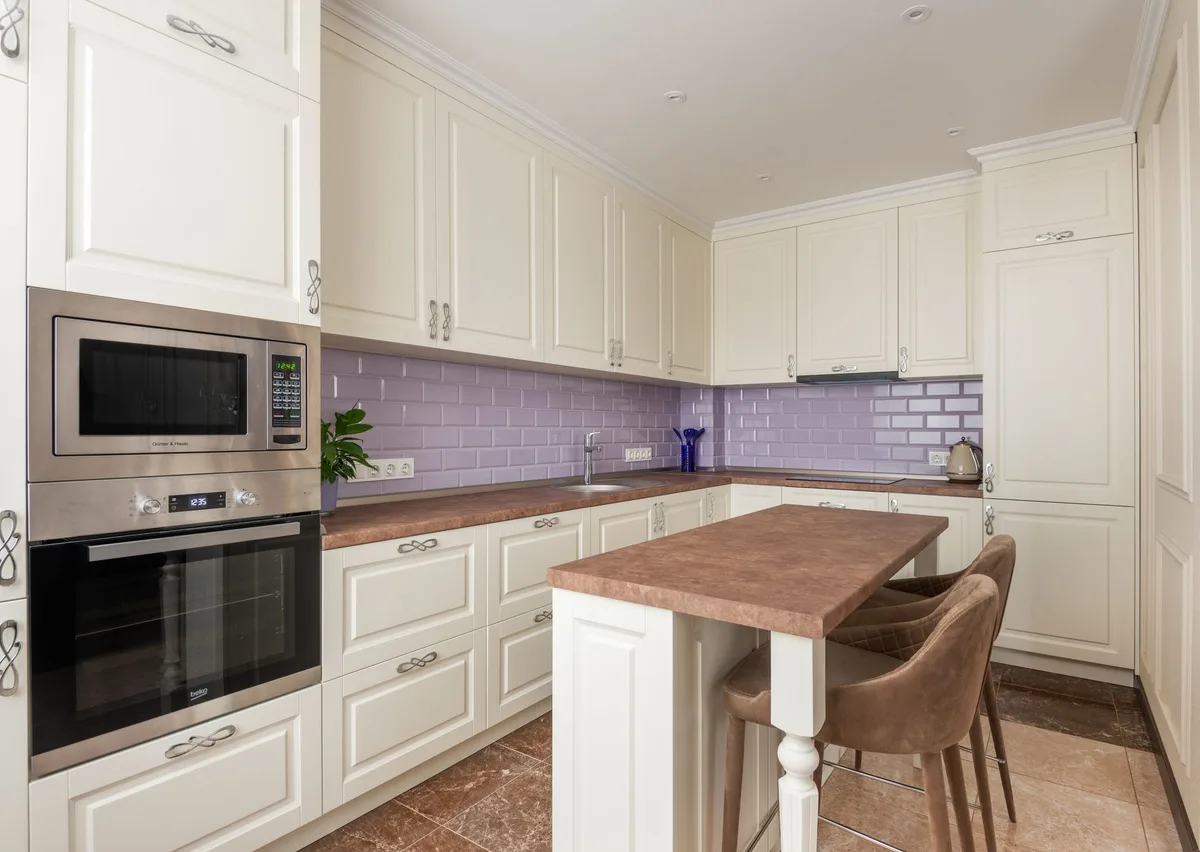
Maintaining this relaxed elbow position reduces strain on your shoulders, arms, and wrists. If the counter is too high, you might find yourself shrugging your shoulders or bending your elbows too sharply, leading to fatigue. Conversely, if it's too low, you might have to hunch, putting extra pressure on your back. The 36-inch benchmark aims to prevent these common ergonomic issues.
Reaching Upper Cabinets Comfortably
A standard countertop height also influences the placement and accessibility of upper cabinets. With a 36-inch counter, the typical gap between the countertop surface and the bottom of the upper cabinets usually falls between 15 and 18 inches. This spacing is generally sufficient for most adults to comfortably reach into the cabinets without excessive stretching or needing a step stool for everyday items.
This also allows adequate clearance for common kitchen appliances like stand mixers or toasters to sit on the counter without bumping into the overhead cabinets when they're in use. It's a thoughtful consideration that balances access to storage with usable workspace.
Standard Appliance Integration
The 36-inch countertop height is intrinsically linked to the standard dimensions of built-in kitchen appliances. Base cabinets, typically 34.5 inches tall, are designed with this countertop height in mind. This allows for standard dishwashers to slide neatly underneath, with their controls hidden behind a custom panel or integrated directly.
Similarly, standard wall ovens and freestanding ranges are designed to integrate smoothly with this setup. The height ensures that the oven door opens without hitting the counter, and the cooking surface of a range is at a convenient level relative to the counter. This seamless integration is crucial for a cohesive and functional kitchen layout.
When the Standard Height Doesn't Feel Right
While 36 inches is the standard, it's built for the "average." If you've ever felt persistently uncomfortable in a kitchen, it's likely because your personal stature or how you use your kitchen doesn't quite align with that average. Recognizing this is the first step to creating a space that truly works for you.
Feeling Too Short or Too Tall at Your Counters
If you're significantly taller or shorter than the average person, the standard 36-inch counter height can lead to chronic discomfort. Taller individuals might find themselves constantly bending, leading to backaches, while shorter individuals may feel they're constantly reaching up, straining their shoulders and neck. This discomfort isn't just minor annoyance; it can impact the enjoyment and frequency of cooking.
For instance, research into musculoskeletal disorders in kitchen environments highlights how repetitive, awkward postures can contribute to long-term injuries. What might feel slightly off for a casual cook can become a significant hurdle for someone who spends hours in the kitchen daily, like those in culinary professions.
Customizing for Your Height Needs
If you've identified that the standard height isn't working for you, customization is absolutely an option. Modern kitchen design allows for flexibility, and adjusting countertop height is one of the most impactful changes you can make for improved ergonomics. This is a key consideration for anyone planning a renovation or a new build.
For taller individuals, increasing the counter height by 1-3 inches can make a significant difference. This might mean using taller base cabinets or adding a thicker countertop material. Conversely, shorter individuals can benefit from lowering the countertop height, perhaps to 34 or 35 inches, to reduce strain.
Beyond the Standard: Exploring Custom Countertop Heights
The 36-inch standard is a fantastic baseline, but it's not the law. For those who don't fit the "average" mold, opting for custom countertop heights can dramatically improve kitchen usability and comfort. This is where thoughtful design really pays off, making your kitchen work for you, not against you.
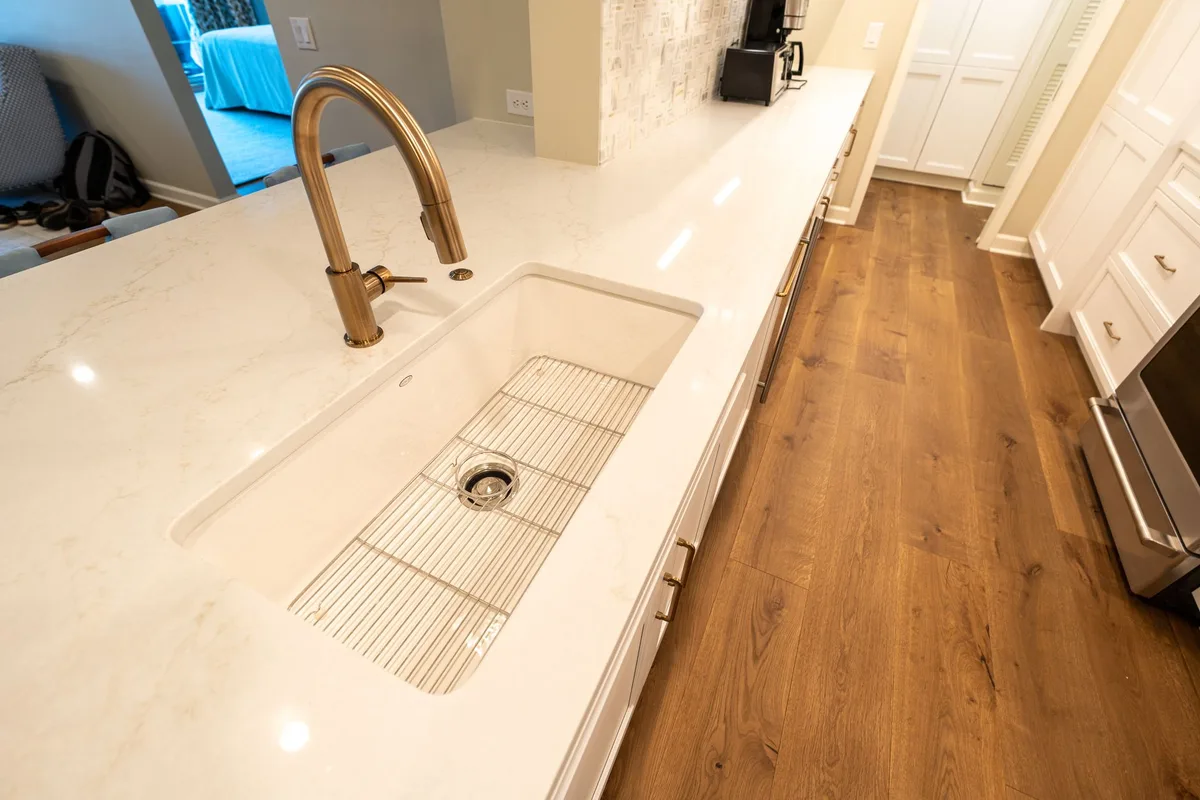
Custom heights aren't just for extreme cases; they can benefit anyone who feels the standard height is a compromise. It’s about tailoring your environment to your physical needs, ensuring that cooking and kitchen activities are as pleasant as possible.
Benefits of Custom Heights
The primary benefit of a custom countertop height is enhanced ergonomics. When the counter is at the perfect level for your height, it reduces strain on your back, shoulders, and wrists during repetitive tasks like chopping or mixing. This translates to less fatigue and a greater ability to enjoy your time in the kitchen.
Furthermore, custom heights can improve efficiency. If you’re able to work comfortably without needing to adjust your posture constantly, you can often move more quickly and with greater precision. It also allows for better integration of specific kitchen zones; for example, a lower baking station can make kneading dough feel effortless.
Considerations Before You Customize
While appealing, custom heights do require careful planning. You need to ensure they complement the rest of your kitchen design and function. For instance, if you lower your countertops, you might need to adjust the height of your upper cabinets or select a lower backsplash to maintain visual balance and accessibility.
Also, consider how custom heights might affect standard appliance installations. Most appliances, like dishwashers and ovens, are designed for a 36-inch standard height. If you opt for a significantly different counter height, you might need to look into specialized appliance models or cabinet modifications to ensure a clean fit. Always check manufacturer specifications for appliance dimensions.
For instance, Bosch dishwashers, like many other brands, are engineered to fit within standard cabinet openings.
Base Cabinet Height: The Crucial Partner
Base cabinets are the unsung heroes supporting your countertops, and their height is directly tied to the final counter height. Standard base cabinets typically measure 34.5 inches in height before a countertop is added. When you top these with a standard 1.5-inch thick countertop, you arrive at the 36-inch benchmark.
This relationship is critical during kitchen planning. If you decide on a custom countertop height, you'll almost certainly need custom base cabinets to match. Simply placing a thicker or thinner countertop on standard cabinets will alter the overall height, potentially disrupting your kitchen's ergonomics and appliance fit. Always consider the cabinet before the counter.
Appliance Fit: Don't Forget the Details
The standard 36-inch countertop height is a critical factor for integrating appliances seamlessly into your kitchen design. Most standard dishwashers, for example, are designed to fit within a 34.5-inch cabinet opening, allowing for a slight gap above for leveling and then the countertop. If you deviate from the standard, you might run into issues where the appliance door can't open fully or the unit doesn't sit flush.
This is also true for freestanding ranges and ovens. Their heights are calibrated to work with standard countertops, providing a level cooking surface and a surface to slide pots and pans onto. Before committing to custom heights, it's essential to consult the specification sheets for any appliances you plan to install, ensuring they will still fit and function correctly.
Common Mistakes to Avoid with Countertop Height
Making the wrong choice about countertop height can lead to long-term frustration and even physical discomfort. Awareness of common pitfalls can save you a lot of headaches down the line and ensure your kitchen is a joy to use.
Ignoring Personal Ergonomics
The biggest mistake people make is defaulting to the standard height without considering their own bodies. Assuming that 36 inches will be comfortable for everyone is a flawed approach. If you’re noticeably taller or shorter than average, or if you have specific physical needs such as a bad back, sticking to the standard can lead to daily strain.
It’s easy to overlook how much time we spend in the kitchen, and small ergonomic issues compound over time. Our research indicates that users who report frequent back or shoulder discomfort often find that adjusting their countertop height is one of the most impactful solutions for their kitchen experience.
Forgetting About Appliance Dimensions
Another frequent misstep is not checking appliance specifications before finalizing custom countertop heights. While you might dream of a super-low baking station, you must confirm that your dishwasher will still fit beneath it. Or if you opt for a higher counter, will your oven remain at a comfortable cooking height?
Appliance manufacturers design their products for standard kitchen dimensions. Deviating too far from these can necessitate specialized, often more expensive, appliance models or complex cabinet modifications. Always consult the technical data sheets provided by appliance brands, such as GE Appliances, to confirm exact dimensions and installation requirements. For example, checking the installation manual for a GE dishwasher will provide precise measurements for its integration.
Choosing the Right Height for Your Kitchen
Deciding on the perfect countertop height boils down to who uses the kitchen and how. It's not just about aesthetics; it's about creating a functional workspace tailored to your needs.
For the Average User
If you and the primary users of your kitchen fall within the average height range (roughly 5'5" to 6'0"), the standard 36-inch countertop height is likely your best bet. This height offers a good balance for most common kitchen activities, from food preparation to simply resting your arms. You can generally trust this standard unless you or your household members have specific ergonomic concerns.
This is the simplest route, requiring less specialized planning. It ensures compatibility with standard base cabinets and most stock appliances, making the renovation or building process more straightforward.
For Taller Kitchen Users
For individuals who are 6 feet tall or more, a standard 36-inch counter can feel quite low, leading to a need to bend or hunch. In these cases, raising the countertop height is often recommended. Increasing the height by 1 to 3 inches, to 37, 38, or even 39 inches, can provide significant relief.
This adjustment would typically involve ordering custom base cabinets that are taller than the standard 34.5 inches. Alternatively, using a thicker countertop material (e.g., a 2-inch thick slab instead of a typical 1.5-inch slab) can also contribute to reaching a more comfortable, raised counter height.
For Shorter Kitchen Users
Conversely, individuals who are below average height, let's say under 5'4", might find a 36-inch counter too high. This can cause strain in the shoulders and neck as they reach upwards. Lowering the counter height, perhaps to 34 or 35 inches, can create a much more comfortable and accessible workspace.
Achieving this lower height would similarly involve custom base cabinets that are shorter than the standard 34.5 inches. It’s important to ensure that any appliances intended to fit underneath, like dishwashers, can still be installed correctly within these modified cabinet dimensions.
For Specific Kitchen Tasks
Sometimes, a single countertop height doesn't suit all needs. Many kitchens benefit from varied heights to optimize different activities. A common scenario is a lower baking station, often set at around 30-32 inches. This provides a perfect height for kneading dough or rolling out pastry, allowing you to put your body weight into the task without straining.
Another consideration is a counter height designed for seating, typically around 36 inches if you plan to use standard counter stools. However, some prefer a bar height of 42 inches for a more elevated surface. Planning these zones thoughtfully can elevate the practicality of your kitchen.