
Ever find yourself leaning over the kitchen counter a bit too much, or reaching awkwardly to chop veggies? Yeah, me too. It turns out there's a reason for that. Kitchen countertop height isn't just pulled out of thin air; it's based on a pretty standard measurement that works for most people.
Let's break down what that standard is and why it matters.
The most common, go-to height for kitchen countertops across North America and many other regions is 36 inches from the finished floor to the top of the surface. This dimension is so ingrained that manufacturer specifications for base kitchen cabinets usually account for it precisely.
The Magic Number: 36 Inches
So, what's the most common height you'll find for kitchen countertops? It's pretty much universally 36 inches from the finished floor to the top of the countertop.
Think of it this way: Standard base cabinets are typically constructed to be 34.5 inches tall. When you add a standard countertop material, which is usually about 1.5 inches thick, you arrive at that familiar 36-inch mark. This height is designed to be comfortable for the average adult to stand at, work on, and reach into sinks without straining their back or arms too much. It’s a sweet spot that balances accessibility for a wide range of people.
It's one of those fundamental measurements that makes a kitchen feel right.

Why This Standard Height Works So Well
It all comes down to ergonomics, basically, designing things to be easy and efficient for people to use. That 36-inch height allows most people to stand with their elbows at roughly a 90-degree angle when performing tasks like chopping or washing dishes. This posture is key for reducing strain on your shoulders and back.

This comfortable working posture makes a significant difference in how long you can spend in the kitchen without fatigue. It also makes it easier to access the countertop itself, as well as the drawers and cabinets below. Furthermore, standard under-counter appliances, like dishwashers, are designed to fit flush with this countertop height, ensuring a seamless integration into your kitchen layout. For most home cooks, this is the ideal setup, making tasks feel less like a chore and more like a natural flow.
Research conducted by ergonomic specialists often highlights this 36-inch benchmark for general kitchen tasks.
When You Might See Different Heights
While 36 inches is the standard, you'll sometimes see variations, and for good reason. These adjustments usually cater to specific needs or preferences that go beyond the average.
Adjusting countertop height can be a game-changer for individuals who find the standard height uncomfortable. If you're exceptionally tall, you might opt for a custom height of 37 or even 38 inches. This allows for that 90-degree elbow bend without having to hunch over. Conversely, if you're on the shorter side, custom cabinetry that results in a 34 or 35-inch countertop can prevent reaching strain.
Customization for Your Stature
Customizing your countertop height is a direct way to tailor your kitchen to your body. It’s less common in a builder-grade home but a significant consideration during custom kitchen remodels or new builds. Think about your primary users. If multiple people with significantly different heights will regularly use the kitchen, compromises might need to be made, or creative solutions like multi-level workspaces could be explored.
Specialty Areas and Other Uses
You'll sometimes find lower countertop heights around dedicated baking stations. This allows users to leverage their body weight for kneading dough more effectively. On the other hand, a slightly higher countertop can sometimes be incorporated for a built-in desk area, providing a comfortable perch for working on a laptop or paying bills. These specialized zones acknowledge that not all kitchen activities require the same working surface.
What About Kitchen Islands?
Kitchen islands can be a bit more flexible than your main countertop. While many islands stick to the 36-inch standard to maintain a consistent look and provide a continuous workspace, they often incorporate different functionalities that warrant height adjustments. This flexibility is one reason islands are so popular in kitchen design.
Bar Seating at the Island
If you're planning for bar stool seating at your island, you'll almost certainly want a higher countertop. Typically, this means aiming for a height of around 42 inches. This elevated surface provides a comfortable space for casual dining while ensuring enough legroom is available underneath the overhang.
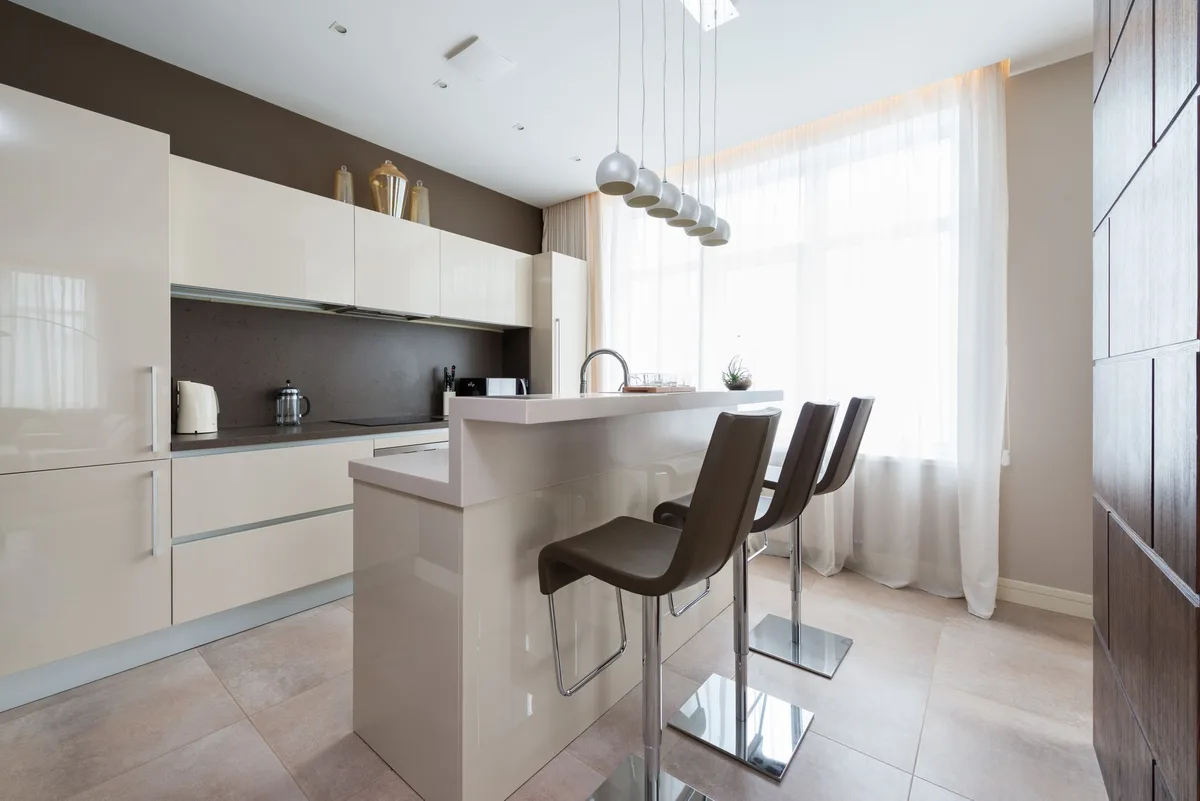
This 42-inch height is widely recognized as the standard for bar-style seating. It creates a distinct zone on the island that's perfect for quick meals, chatting with the cook, or serving appetizers. The transition from a standard prep height to a bar height needs to be carefully considered during the design phase to ensure both areas function well.
Creative Island Height Variations
Some islands creatively use different levels to serve multiple purposes. You could have a standard 36-inch section for prep work, a higher 42-inch section for seating, or even a lower section around 30 inches designed for children's activities or crafting. These varied heights can break up the visual monotony of a large island and enhance its functionality for different family members and uses. Such multi-level designs make the island a dynamic hub for the kitchen.
Key Takeaways for Your Kitchen Space
For most kitchens, the standard 36-inch countertop height is the established benchmark. It’s a well-tested dimension that offers a great balance of comfort, practicality, and compatibility with other kitchen elements. This standard measurement ensures most people can prepare food and perform kitchen tasks without undue physical strain.
This universal height is the result of decades of design evolution and ergonomic study. It’s the default for a reason, as it accommodates the widest range of users and kitchen layouts. When setting up a new kitchen or planning a renovation, sticking to this standard will usually provide the most comfortable and functional workspace for general use.
When you're outside the typical user profile, though, custom adjustments become important. If you or others who use the kitchen regularly are significantly taller or shorter than average, consider discussing custom cabinet and countertop heights with your designer or contractor. A small, thoughtful adjustment can greatly enhance your comfort and efficiency in the kitchen.