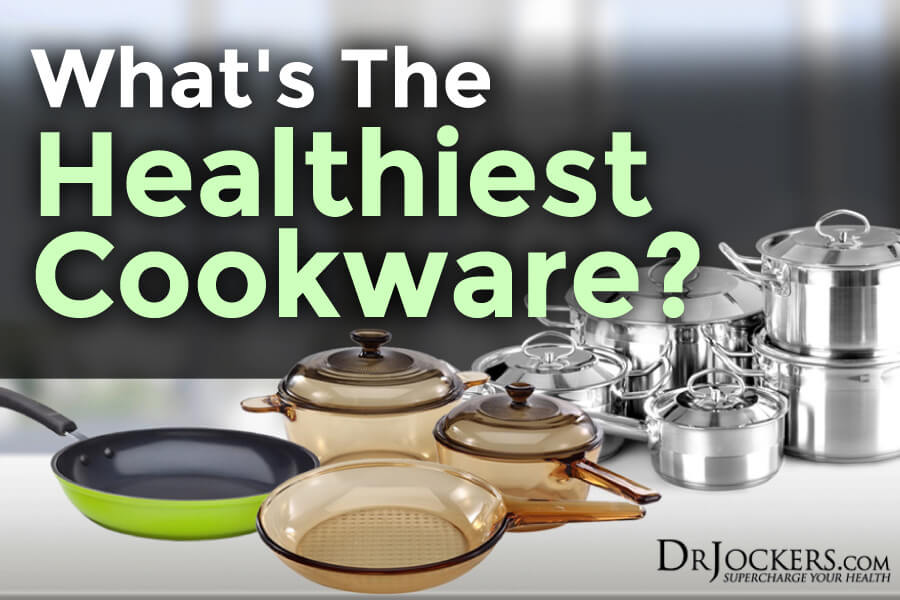
stainless steel, cast iron, glass, and sound enameled cast iron are among the healthiest cookware choices for most American homes when used correctly.
When you cook dinner in an American kitchen, the pan you choose can affect more than how well your food browns. It can also affect how much metal or coating material may enter your meal, how easily food sticks, and how safely you can manage high heat. The good news is that you do not need a costly cookware set to make sensible choices.
For most households in the United States, uncoated stainless steel offers a useful balance of durability, versatility, and simple care. Cast iron works well for searing and baking, while glass is useful for oven dishes and food storage. Enameled cast iron adds a smooth cooking surface, and a well-made nonstick pan can help with delicate foods when used within its heat limits.
There is no single healthiest pan for every meal. The right choice depends on your cooking habits, the food you prepare, your budget, and any personal sensitivity to certain metals. This guide explains the main materials, their trade-offs, the coatings worth understanding, and the habits that help keep cookware safe.
For everyday cooking, uncoated stainless steel is a strong starting point for most people. It works on many stovetops, handles a wide range of cooking tasks, and does not rely on a synthetic nonstick layer. A quality pan can serve a household for many years, which also reduces the need to replace worn cookware often.
However, stainless steel is not the only sensible option. Cast iron and enameled cast iron can handle high heat, glass is useful for oven cooking, and ceramic-coated pans can make eggs and other delicate foods easier to release. Each material has a different set of benefits and limits.
Healthier cookware should mean cookware that suits the food, temperature, and cooking method without creating avoidable exposure or safety risks. It should also be easy enough to clean and maintain that you will use it correctly. No material eliminates every possible hazard, and no cookware label can guarantee a health benefit on its own.
Source: Dr. David Jockers
Best general-purpose option
Uncoated stainless steel is a versatile choice for sautéing, boiling, simmering, browning, and many other daily cooking tasks.
Best for high-heat searing
Cast iron and suitable stainless steel pans can be useful for browning meat and vegetables, provided the cookware and cooking method are appropriate.
Best for oven dishes
Oven-safe glass and sound enameled cast iron are useful for casseroles, baked meals, and slow-cooked dishes.
Best for easy food release
A well-maintained nonstick pan can reduce sticking and the need for extra cooking fat, but it requires careful temperature control.
Does the healthiest cookware have to be chemical-free?
The phrase chemical-free is not scientifically accurate because all cookware materials consist of chemicals, including glass, iron, and stainless steel. A more useful question is whether a material can release substances into food under normal use and whether those exposures matter at the levels involved.
For example, stainless steel contains metals such as iron, chromium, and often nickel. Cast iron can release iron into some foods. Nonstick coatings have different chemical properties and temperature limits. Safety depends on the specific material, its condition, and how you use it, not simply on whether a label says natural.
Look for material details
Check whether the cooking surface is bare metal, enamel, glass, or a coated nonstick layer.
Read the care instructions
The stated heat limit, cleaning method, and replacement advice can matter more than broad marketing claims.
The Main Cookware Materials Compared
The easiest way to choose cookware is to compare the cooking surface, heat tolerance, upkeep, and possible material exposure. A low-cost pan that fits your daily routine may be more useful than an expensive set with features you never need.
The table below summarizes common options for American home kitchens. These are general material characteristics, not laboratory test results or a ranking of every product on the market. Construction quality, exact alloy or coating, and manufacturer instructions can change how a specific pan performs.
Source: stonefryingpans.com
Stainless steel
Versatile and durable, but food can stick without enough heat control and suitable cooking fat. Some grades contain nickel.
Cast iron
Excellent heat retention and useful for searing, but heavy and capable of adding iron to food.
Enameled cast iron
A smooth glass-like enamel layer covers the iron, reducing direct contact between food and bare iron when the enamel is intact.
Glass
Nonreactive for common baking tasks, but can break or suffer thermal shock if used outside its temperature and handling limits.
Ceramic-coated nonstick
Usually has a metal base with a thin coating marketed as ceramic. It releases food easily but may lose nonstick performance over time.
PTFE-coated nonstick
Offers easy food release at suitable temperatures, but must not be overheated and should be used according to the manufacturer’s instructions.
Copper
Transfers heat quickly and evenly, but exposed copper can react with food. Most cooking surfaces need a suitable lining.
Aluminum
Lightweight and a good heat conductor. Anodized, coated, or lined versions can reduce direct contact between food and the base metal.
How should you use this comparison?
Start with your most common meals. If you regularly make soups, pasta, rice, and pan sauces, stainless steel may cover most of your needs. If you often sear steaks or bake cornbread, cast iron may earn a place in your kitchen.
If you mainly want to cook eggs with little sticking, a small nonstick skillet may be more practical than replacing every pan you own. A mixed set of materials often gives you more useful options than a complete set made from one material.
For daily versatility
Choose a well-constructed stainless steel skillet and saucepan.
For oven use
Check the maximum oven temperature for the entire pan, including the lid, handle, and any coating.
For special dietary needs
Consider possible iron or nickel exposure and ask a qualified health professional if you have a relevant medical condition or confirmed sensitivity.
Why Stainless Steel Is a Strong Everyday Choice
Stainless steel is one of the most practical materials for a home kitchen because it combines strength, versatility, and a cooking surface that does not depend on a nonstick coating. It can be used for browning, boiling, simmering, and deglazing, and many stainless steel pans are compatible with induction cooktops.
Stainless steel is an alloy, meaning it combines iron with other elements. Common cookware grades may contain chromium and nickel, although the exact composition varies. Chromium helps the steel resist corrosion, while nickel is used in many grades to improve corrosion resistance and other properties.
Small amounts of metals can migrate from stainless steel into food, particularly under certain cooking conditions. Research has found that nickel and chromium release can increase when new stainless steel cookware is used to cook acidic foods for long periods. Release generally changes with cookware age and use, so the material should not be described as having zero metal transfer.
Source: healthytasteoflife.com
Advantages
It is durable, handles a broad range of cooking tasks, and usually needs no special seasoning or coating replacement.
Limitations
Food can stick, and some grades contain nickel that may matter to people with a known nickel sensitivity.
Buying tip
Look for clear material and construction information. A multi-ply pan can distribute heat more evenly than a thin pan, depending on its design.
How to cook safely with stainless steel
Preheat the pan at a moderate setting rather than leaving it empty over high heat. Add a suitable cooking fat when the recipe calls for it, then add the food once the pan is ready. This can reduce sticking without forcing you to use excessive heat.
For tomato sauce, vinegar-based dishes, or other acidic recipes, avoid unnecessarily long cooking in a brand-new stainless steel pan if you are concerned about metal exposure. Use a sound pan, follow its care instructions, and choose another suitable cooking vessel when your dietary needs call for extra caution.
Avoid overheating
Excessive heat can discolor stainless steel and damage food or nearby surfaces, even when the pan itself remains structurally sound.
Clean after use
Remove food residue with a suitable cleaner and avoid methods that can damage the finish.
Is Cast Iron Healthy to Cook With?
Cast iron is a durable choice for people who want a pan that can move from the stovetop to the oven when its handle and design permit it. It holds heat well, which makes it useful for searing meat, frying potatoes, baking cornbread, and cooking foods that benefit from a steady temperature.
Unlike stainless steel, bare cast iron can release iron into food. The amount varies with the food’s acidity, moisture, cooking time, and the condition of the pan. Acidic foods cooked for long periods may pick up more iron than dry or brief cooking tasks.
Iron is an essential nutrient, but more is not always better. People with certain iron-overload conditions, including hereditary hemochromatosis, may need to limit excess iron intake under medical guidance. Cast iron should not be used as a replacement for prescribed treatment for iron deficiency.
Source: kitchenbap.com
Advantages
It is sturdy, retains heat well, and can last for decades when maintained properly.
Limitations
It is heavy, can rust if left wet, and needs seasoning to maintain a useful cooking surface.
Best use
Use it for searing, roasting, frying, and other recipes that benefit from heat retention.
What is seasoning, and why does it matter?
Seasoning is a thin layer formed when oil undergoes heat-driven changes and bonds to the iron surface. It helps protect the pan from rust and can improve food release. Seasoning is not the same as a factory-applied synthetic nonstick coating.
To maintain bare cast iron, clean it after use, dry it fully, and apply a thin layer of cooking oil when appropriate. Follow the manufacturer’s instructions because some pans have different care requirements. Avoid leaving wet food or acidic liquids in the pan for long periods.
For new users
Choose a pan size you can lift safely, since cast iron can be much heavier than aluminum or stainless steel.
For tomato-heavy recipes
Use a suitable stainless steel or intact enameled pan for long acidic cooking, especially when the cast iron seasoning is new or weak.
Enameled Cast Iron and Glass: Useful Low-Reactivity Options
Enameled cast iron combines an iron body with a hard, glass-like coating. When the enamel is intact, food contacts the enamel rather than bare iron, making the cookware useful for soups, stews, tomato sauces, and slow braises. It also avoids the need to season the cooking surface like bare cast iron.
The main drawback is the risk of damage. A chipped or cracked cooking surface can expose the base material and create areas that are difficult to clean. Follow the manufacturer’s guidance about continued use, and stop using a pot for food preparation if the cooking surface is damaged in a way the maker considers unsafe.
Glass cookware is another useful option, especially for oven dishes, baked pasta, casseroles, and reheating food in an oven-safe container. Glass generally does not react with ordinary acidic foods, but not every glass container is designed for every temperature or cooking method.
Source: stonefryingpans.com
Choose intact enamel
Inspect the cooking surface and rim for chips, cracks, or exposed metal before use.
Use glass for suitable tasks
Choose oven-safe glass with clear manufacturer instructions rather than assuming every glass dish can go on a stovetop.
Prevent thermal shock
Avoid sudden temperature changes, such as placing a hot glass dish on a cold or wet surface or pouring cold liquid into hot glass.
Can you cook on the stovetop with glass cookware?
Only use glass cookware that is specifically designed for that purpose. Many familiar glass baking dishes are intended for oven use and must not be placed directly over a burner. Direct heat can create uneven temperature changes that cause the glass to break.
Check the product’s label and manual for stovetop, microwave, oven, freezer, and dishwasher compatibility. These are separate uses, and approval for one does not establish approval for another.
Oven-safe does not mean burner-safe
Never put ordinary glass bakeware directly on a gas flame or electric burner unless its maker expressly permits that use.
Handle hot dishes carefully
Use dry heat-resistant protection and place hot cookware on a surface suitable for the temperature.
Are Ceramic and Nonstick Pans Safe?
Ceramic-coated nonstick pans and PTFE-coated nonstick pans are not the same thing. Ceramic-coated cookware commonly uses a metal base with a thin coating made from inorganic materials, while traditional nonstick pans often use polytetrafluoroethylene, or PTFE. Both are designed to reduce sticking, but their composition, performance, and care needs differ.
The term ceramic can also refer to solid ceramic cookware rather than a thin coating. A product described as stone, granite, or mineral-coated may still use a manufactured nonstick coating over metal. Read the material details rather than relying on the product name or a natural-looking finish.
PTFE cookware can be used safely when the pan is in good condition and the manufacturer’s temperature instructions are followed. The main concern is overheating. At high temperatures, especially when an empty pan is left over strong heat, PTFE coatings can break down and release fumes that may cause flu-like symptoms in people and can be extremely dangerous to pet birds.
Ceramic-coated pans can also be useful for everyday cooking, especially eggs and delicate fish. However, the coating may lose its food-release performance with wear, heat, and improper cleaning. A pan marketed as ceramic is not automatically safer than every other material, and the label does not establish that the entire product contains no substances of concern.
Source: longroadhomeproject.com
Advantages
Nonstick surfaces can make cooking and cleanup easier and may reduce the need for added fat.
Limitations
Coatings can wear, and some products have strict temperature and utensil limits.
Best use
Use nonstick pans for low- to medium-heat tasks such as eggs, pancakes, and delicate foods.
Replacement sign
Replace a pan when its coating is peeling, flaking, badly scratched, or otherwise damaged in a way the manufacturer identifies as unsafe.
What does PFOA-free or PFAS-free mean?
PFOA is one specific chemical in the larger PFAS family. It was historically used in some processes associated with fluoropolymer production, but it is not the same substance as PTFE. A claim that a pan is PFOA-free does not automatically mean the product is free of all PFAS.
PFAS is a broad group of substances with different properties and uses. If avoiding PFAS is your priority, look for a clear statement about the complete cooking surface and coating chemistry. Ask the manufacturer for details when the label is unclear. Uncoated stainless steel, bare cast iron, intact enamel, and suitable glass avoid the need for a synthetic nonstick cooking surface.
Read the full claim
PFOA-free and PFAS-free are not interchangeable statements.
Avoid unsupported promises
Terms such as green, natural, healthy, and stone do not independently prove that a pan is safer.
How to use nonstick cookware safely
Use low or medium heat unless the manufacturer clearly permits a higher setting for that product. Do not leave an empty nonstick pan heating unattended, and do not use it for intense searing if the maker advises against that use.
Ventilate your kitchen while cooking and use utensils that will not damage the surface. Follow the cleaning directions, and do not keep using a pan with a failing coating just because food can still be cooked in it.
Keep birds away from cooking fumes
Birds have highly sensitive respiratory systems. Never overheat PTFE cookware, and move pet birds away from kitchen fumes as a precaution.
Do not assume every scratch has the same risk
The significance depends on the coating and damage. Follow the product’s replacement guidance instead of relying on a universal scratch rule.
What About Aluminum, Copper, and Other Metals?
Aluminum is light, affordable, and effective at conducting heat. It is used in many cookware bases and is often covered with a coating, anodized layer, or stainless steel lining. Uncoated aluminum can transfer more material into food under certain conditions, especially when cooking acidic or salty dishes for extended periods.
Anodized aluminum has a treated surface designed to improve durability and reduce reactivity. The condition of that surface matters, so follow the manufacturer’s instructions and stop using cookware with substantial surface damage. A stainless steel-lined aluminum pan can offer good heat distribution while keeping food away from the exposed aluminum base.
Copper responds quickly to heat changes, which makes it valuable in some cookware designs. However, unlined copper can react with acidic foods and may release copper into a meal. Many copper pans therefore have a stainless steel or other suitable lining, which must remain intact.
Carbon steel is another option that works much like cast iron but is often lighter. It usually needs seasoning and careful drying, and it can react with acidic food if its protective seasoning is weak. These metals are not automatically unsafe, but their construction and use matter.
Source: cookwarelab.com
Aluminum
Consider anodized or lined cookware if you want to reduce direct food contact with aluminum.
Copper
Choose lined cookware and inspect the interior for wear. Do not cook acidic foods in exposed copper unless the product is specifically designed for that use.
Carbon steel
Maintain its seasoning and keep it dry to reduce rust and improve cooking performance.
Does aluminum cookware cause Alzheimer’s disease?
Current evidence does not establish that normal use of aluminum cookware causes Alzheimer’s disease. Aluminum exposure can come from many sources, and the presence of aluminum in a material does not prove that ordinary cooking with it causes a particular illness.
People who want to reduce aluminum transfer can choose anodized, coated, or stainless steel-lined cookware and avoid long cooking or storage of highly acidic or salty foods in worn, uncoated aluminum. These are practical exposure-reduction choices, not proof that ordinary aluminum cookware causes dementia.
Focus on actual use
The food, cooking time, cookware surface, and product condition influence the amount of material that may transfer.
Avoid fear-based claims
A claim that a cookware material causes a disease needs reliable evidence beyond the fact that the material can be detected in food.
How to Choose Healthy Cookware for Your Household
The best cookware choice starts with your actual meals, not a marketing label. A household that makes soups, pasta, and stir-fries needs different tools from one that mainly bakes casseroles or cooks eggs. Buying a few suitable pans often makes more sense than replacing every item in a kitchen at once.
Think about your cooktop, your ability to lift heavy cookware, your cleaning routine, and any dietary needs. Induction stoves require cookware with a magnetic base, while oven use depends on the temperature limits of the entire item. If you have a nickel allergy or an iron-related medical condition, the material itself may deserve extra attention.
Source: cookwarelab.com
For most everyday meals
Start with a stainless steel saucepan and skillet, then add other materials only when a clear cooking need arises.
For delicate foods
A small nonstick skillet can be useful for eggs, pancakes, and fish when used within its heat limits.
For searing and baking
Cast iron or suitable stainless steel may suit high-heat stovetop tasks, while oven-safe glass or enamel suits baked meals.
For limited strength or mobility
Consider lighter stainless steel or aluminum-based cookware and handles that provide a secure grip.
A simple cookware shopping checklist
Before buying, check the exact cooking-surface material and confirm that the pan suits your stove. Look for a stable base, comfortable handles, and a lid that fits securely if the recipe calls for covered cooking.
Read the care instructions before you buy. A pan that needs frequent seasoning or delicate handwashing may not fit your routine, even if its material has attractive features. For online purchases, review the manufacturer’s full specifications rather than relying only on a short product title.
Confirm the surface
Identify whether the food touches bare metal, enamel, glass, PTFE, a ceramic-based coating, or another material.
Check heat limits
Confirm stovetop, oven, broiler, and dishwasher suitability separately.
Inspect the construction
Look for a stable base, secure handles, and no cracks, chips, or loose components.
Choose a manageable size
A pan should be easy to lift, clean, and store without strain.
Common Cookware Safety Mistakes to Avoid
Even a suitable material can become a problem when it is damaged or used outside its design limits. Many avoidable cookware risks come from excess heat, unsuitable utensils, poor cleaning, or sudden temperature changes. Simple habits can help you get more use from your pans while reducing avoidable hazards.
You do not need to throw away every older pan just because it has scratches or discoloration. The right response depends on the material, the type of damage, and the manufacturer’s guidance. A stained stainless steel pan is different from a pan with a peeling nonstick surface or a cracked glass dish.
Source: artofit.org
Do not overheat empty nonstick cookware
Excess heat can damage coatings and may release harmful fumes, especially from overheated PTFE.
Do not use damaged enamel automatically
Check the manufacturer’s advice for chips, cracks, and exposed base material. Replace cookware when damage makes safe use uncertain.
Do not expose glass to sudden temperature changes
Thermal shock can cause glass cookware to crack or break.
Do not leave food in reactive cookware unnecessarily
Long storage or cooking of acidic and salty foods can increase material transfer from some unlined metals.
Do not ignore loose handles
A loose handle can cause spills, burns, or dropped cookware. Repair or replace the pan before further use.
When should you replace a pan?
Replace cookware when its structural condition makes it unsafe or when its maker says a damaged surface should no longer be used. A pan with a loose handle, a cracked glass body, or a badly damaged cooking surface needs attention before the next meal.
Ordinary discoloration on stainless steel does not necessarily mean the pan is unsafe. Likewise, a seasoned cast iron pan may look uneven without being damaged. Identify the material and the type of change before deciding whether replacement is necessary.
Replace or stop using
Cookware with cracks, unstable handles, sharp damaged edges, or coating failure that makes safe use uncertain.
Inspect and clean
Stainless steel with heat tint, ordinary food residue, or harmless surface marks may need cleaning rather than replacement.
Does Healthy Cookware Make Food More Nutritious?
Cookware can affect the amount of certain materials that enter food, but it does not automatically make a meal healthy. The nutrients in a meal depend more on the ingredients, portion sizes, cooking method, and overall diet than on a simple label such as non-toxic or natural.
Cast iron may add some iron to food, but the amount is variable and should not be treated as a reliable dose. Stainless steel, glass, and intact enamel do not make vegetables more nutritious simply by being used to cook them. Cooking technique, such as avoiding unnecessary charring and preserving nutrients through suitable cooking times, remains important.
A nonstick pan can help someone prepare eggs or vegetables with less added fat if that fits their dietary goals. But a nonstick surface does not make a meal healthy by itself, and using too much heat can create other concerns. The healthiest approach combines sound cookware with a varied diet and safe cooking practices.
Source: www.pinterest.com
Focus on the food first
Choose a range of vegetables, fruits, whole grains, legumes, and suitable protein sources according to your needs.
Use the right heat
Avoid burning food and follow the cookware’s temperature limits.
Do not use cookware as treatment
If you have a nutrient deficiency or a condition that affects mineral intake, seek medical advice instead of relying on cookware to change your levels.
Can cookware replace supplements or dietary changes?
No. Although some cookware can change the amount of a mineral in food, the transfer is inconsistent and depends on many conditions. A pan cannot provide a predictable therapeutic dose of iron or any other nutrient.
If you have been advised to take a supplement or change your diet, discuss any concerns with your health professional. Do not stop prescribed treatment or try to correct a deficiency by switching cookware alone.
For iron deficiency
Follow a clinician’s guidance on diet, testing, and treatment.
For iron overload
Ask your clinician whether limiting iron transfer from cookware is relevant to your care plan.
A Practical Starter Set for a Health-Conscious Kitchen
You can build a useful kitchen without buying a large matching set. Three or four well-chosen pieces may cover most daily tasks while keeping cost, storage, and upkeep under control. This approach also lets you replace one worn item without discarding cookware that still works well.
For many American households, a stainless steel saucepan, a stainless steel skillet, and an oven-safe baking dish make a practical foundation. Add a cast iron skillet if you regularly sear food or bake in the pan, or choose a small nonstick skillet if easy food release is a priority.
Source: Dr. David Jockers
One stainless steel saucepan
Use it for oatmeal, pasta, rice, vegetables, sauces, and soups.
One stainless steel skillet
Use it for sautéing, browning, pan sauces, and many everyday meals.
One oven-safe glass or enameled dish
Use it for casseroles, baked vegetables, and other oven recipes within its stated limits.
One optional cast iron or nonstick pan
Choose cast iron for heat retention and searing, or nonstick for delicate foods and easier release.
How much should you spend?
There is no fixed price that makes cookware healthy. A higher price may reflect thicker construction, better heat distribution, a more complex design, or a brand premium, but it does not automatically prove that the pan is safer.
Spend first on sound construction and a cooking surface that fits your needs. A simple, well-made pan that you maintain correctly can be more useful than a costly set that contains pieces you rarely use. If a product makes health claims, look for specific material disclosures and reliable supporting evidence.
Prioritize essentials
Buy the pan sizes you use most often before adding specialty cookware.
Consider lifetime use
Durability, repair options, cleaning needs, and replacement costs all affect long-term value.
Frequently Asked Questions
Q
What is the safest cookware for everyday use?
Uncoated stainless steel is a practical everyday choice for many households because it is durable, versatile, and does not require a synthetic nonstick cooking surface. Sound cast iron, intact enameled cast iron, and suitable glass are also useful options. The safest choice for you depends on your cooking method, cookware condition, and any relevant medical sensitivities.
Q
Is stainless steel healthier than nonstick cookware?
Neither material is automatically healthier in every situation. Stainless steel avoids a synthetic nonstick cooking surface but can release small amounts of nickel and chromium under certain conditions. PTFE nonstick cookware can be used safely when it is in good condition and not overheated. If you want to avoid fluoropolymer coatings, uncoated stainless steel is a straightforward alternative.
Q
Is ceramic cookware safer than Teflon?
Ceramic-coated cookware and PTFE-coated cookware use different coating technologies, so the answer depends on the exact product and how it is used. Ceramic-coated pans may lose their nonstick performance over time, while PTFE pans require careful temperature control. The term ceramic does not prove that a product is free of every substance of concern, and both types should be used according to the manufacturer’s directions.
Q
Should I throw away scratched nonstick pans?
Check the manufacturer’s guidance and the extent of the damage. A pan with peeling, flaking, or badly deteriorated coating should generally be replaced, especially if the maker says the surface is no longer suitable for cooking. Do not assume that every small mark has the same health significance, but avoid overheating or continuing to use cookware with a clearly failing surface.
Q
Is cast iron safe for people with anemia?
Cast iron can transfer some iron into food, but the amount varies with the recipe and cooking conditions. It is not a dependable treatment for anemia and should not replace testing, prescribed supplements, or medical care. People with anemia should ask a qualified health professional about the cause of the condition and the right treatment.
Q
What cookware should people with nickel allergies choose?
Some stainless steel cookware contains nickel, and the amount and potential release vary by grade and use. People with a confirmed nickel allergy who react to cookware or food contact should discuss suitable options with a clinician. Depending on the specific sensitivity and cooking needs, intact enamel, suitable glass, or other cookware with a compatible cooking surface may be worth considering.
Q
Are PFAS-free pans always the healthiest choice?
A PFAS-free claim can help people who want to avoid that broad chemical family, but it does not establish that a pan is safer in every other respect. Construction quality, heat tolerance, food-contact materials, durability, and correct use still matter. If avoiding PFAS is your priority, seek clear manufacturer disclosures and consider uncoated stainless steel, bare cast iron, intact enamel, or suitable glass.
✦ Wrapping Up
Conclusion
The healthiest cookware to use is cookware that fits your meals, has a suitable cooking surface, remains in good condition, and is used within its heat limits. For most people, uncoated stainless steel is a sensible starting point because it is versatile and durable. Cast iron, enameled cast iron, glass, and carefully used nonstick pans can also serve useful roles in a balanced kitchen.
Do not let labels such as natural, green, stone, or non-toxic make the decision for you. Check the actual material, understand its limits, and consider whether iron or nickel exposure matters for your personal health. A few reliable pans and good cooking habits are often all you need.
💡 Key Takeaway
Start by checking the condition and material of the pans you already own. Choose uncoated stainless steel for general use, add glass or intact enamel for oven cooking, and keep nonstick pans at suitable temperatures. Replace cookware when damage makes safe use uncertain, and seek medical advice if you have a condition that affects iron intake or a confirmed metal sensitivity.