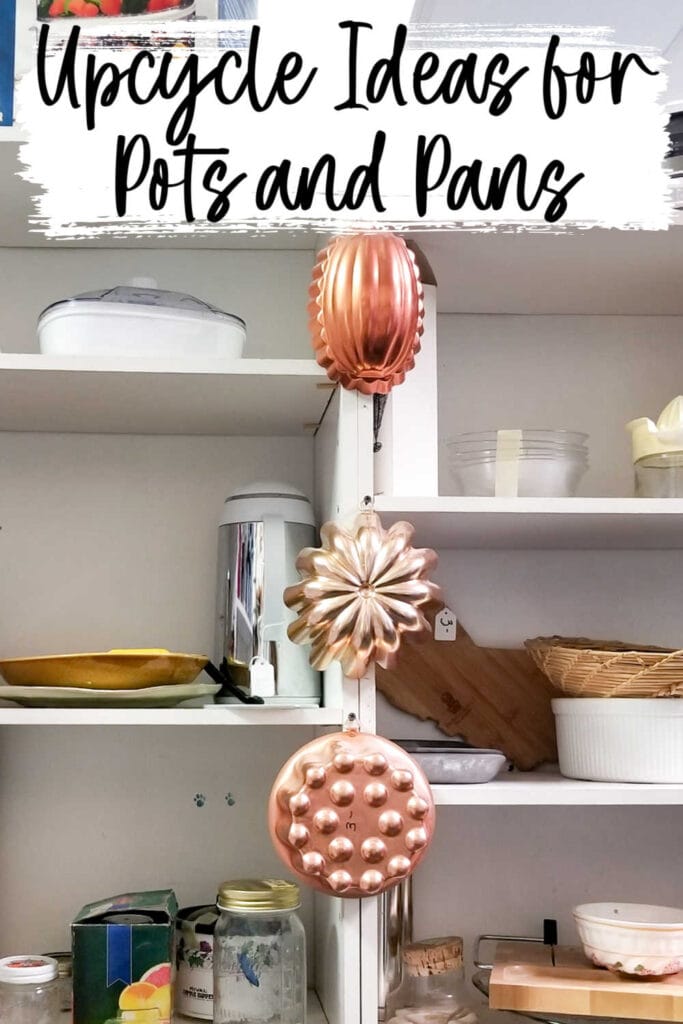
Donate usable pots and pans, recycle accepted metal cookware, repurpose damaged pieces, or dispose of unsafe items through local waste services.
When cleaning out an American kitchen, old pots and pans can quickly fill a donation box, a cabinet, or a trash bag. A worn skillet may still cook well, while a peeling nonstick pan or a badly warped pot may no longer be suitable for food. The best next step depends on its condition, material, and local disposal rules.
You do not have to throw every old pan in the trash. Some cookware can go to a new home, some can become a planter or storage tray, and some metal items may be accepted by a scrap yard or recycling program. The key is to check what each item is made of and choose an option that is both useful and safe.
Before deciding what to do with old cookware, inspect each piece. A pan that looks old may still be useful, while a newer pan with a damaged cooking surface may need to be retired. Start with the handle, base, rim, interior coating, and any visible cracks.
The safest choice depends on the damage. Surface stains and ordinary discoloration do not always mean a pan is unsafe. Peeling coatings, sharp broken edges, loose handles, and serious structural damage are stronger reasons to stop using it for food.
Source: cycookery.com
Good condition
The pan is stable, has a secure handle, and has no serious cracks or coating damage. Consider continued use, donation, or resale.
Worn but usable
The cookware has cosmetic marks or discoloration but remains structurally sound. Check the material and care instructions before deciding whether it can still cook safely.
Damaged or unsafe
The cooking surface is peeling, the handle is loose, the pan has sharp breaks, or the base is badly warped. Stop using it for cooking and assess recycling, craft reuse, or disposal.
How to Tell Whether a Nonstick Pan Should Be Replaced
Nonstick pans need a closer inspection because their coating can wear over time. If the surface is flaking, peeling, or deeply damaged, retire the pan rather than continuing to cook with it. A pan with a loose handle or a distorted base should also be replaced if the defect affects safe use.
Small scratches do not all mean the same thing. Their significance depends on the coating, the depth of the damage, and the manufacturer’s guidance. If the coating is visibly coming away, do not scrape it, sand it, or try to restore it with a household repair.
Do not donate damaged nonstick cookware
A donation should not pass a safety problem to another household. Keep visibly peeling or badly damaged pans out of food-use donation boxes.
Do not assume every nonstick coating is identical
Coatings vary by product and age. Follow the specific manufacturer’s instructions when they are available.
Check for Loose Handles, Cracks, and Warping
A loose handle can make a hot pot difficult to control, and a cracked vessel can fail under heat. A badly warped frying pan may wobble on the stove or heat unevenly. Do not rely on a pan for cooking if its condition creates a burn, spill, or breakage risk.
Loose handles
Do not carry hot food in a pan with a handle that shifts or cannot be secured as intended.
Cracks and broken edges
Keep cracked cookware out of food use. Protect yourself from sharp edges while preparing it for recycling or disposal.
2. Donate Cookware That Is Still in Good Condition
Donation is often the best option when your old pots and pans still work well. A household that needs basic kitchen supplies may benefit from cookware you no longer use. Clean, usable items can also help students setting up their first apartment, families furnishing a home, or community programs serving people in need.
Donation centers do not all accept the same goods. Some take cookware, while others focus on clothing, furniture, or small appliances. Contact the organization before dropping off a box, and describe any wear honestly.
Source: cookingtopgear.com
Local thrift stores
Ask whether the store accepts used pots, pans, lids, and bakeware. Bring only items that meet its condition rules.
Shelters and community organizations
Some programs furnishing homes may need basic cookware. Confirm current needs and accepted items before making a donation.
College and student groups
Students moving into apartments may welcome clean, simple cookware that is ready to use.
Buy Nothing and neighborhood groups
Offer usable cookware through local sharing groups. Show clear photos and describe scratches, wear, and missing lids.
Prepare Cookware Before Donating It
Wash each piece with a suitable dish soap and dry it fully. Remove loose food residue and check that any included lid fits the correct pot. Pack pieces so sharp rims and heavy bases cannot damage other items.
Do not donate cookware that needs an unsafe repair before someone can use it. If you would not feel comfortable cooking with the item because of a defect, it is usually better to recycle or dispose of it instead.
Clean and dry
Avoid sending greasy, moldy, or food-covered cookware to a donation center.
Keep useful sets together
Match lids to pots where possible and group compatible pieces to make the donation easier to use.
Describe defects honestly
Do not present a damaged pan as ready for cooking. Only offer it for a clearly stated non-food craft purpose if the recipient wants it.
3. Find Out Whether Old Pots and Pans Can Be Recycled
Many pots and pans contain recyclable metals, but that does not mean every curbside recycling program accepts them. Local programs often have different rules for household scrap, mixed materials, coated cookware, and items that do not fit sorting equipment. Check your city or county recycling website before placing a pan in a bin.
Metal cookware may be accepted by a scrap metal dealer, a recycling center, or a special household collection event. The correct route depends on the metal, attached parts, coatings, and local facility rules. Never assume that a recycling symbol on another item or a general claim about metal recycling applies to your particular pan.
Source: cookingtopgear.com
Contact your local recycling program
Ask whether it accepts pots and pans, which materials are allowed, and whether the items belong in curbside collection or at a drop-off site.
Check scrap metal facilities
A local scrap dealer may accept certain metal cookware. Ask about mixed-material handles, attached lids, and any minimum quantity requirements.
Separate accepted materials only when advised
Do not remove rivets, coatings, or handles unless the facility requests it and the task can be done safely.
Keep nonmetal parts out of metal-only loads
Plastic knobs, glass lids, and other components may need separate handling, depending on the facility.
Can Stainless Steel Pots and Pans Be Recycled?
Stainless steel cookware may have value as scrap metal, but the facility must confirm that it accepts the item. A stainless steel pan may include aluminum layers, a bonded base, plastic parts, or other materials that affect sorting.
If the pan is clean and the recycling center accepts it, follow the center’s preparation instructions. Do not put it in curbside recycling unless your local program specifically allows cookware.
Best next step
Search your local waste authority’s guidance for metal cookware or call a scrap metal facility.
Can Cast Iron Cookware Be Recycled?
Cast iron is a metal and may be accepted by scrap metal dealers. However, a cast iron skillet in good condition may be more useful to another cook than as scrap. Consider donation, resale, or a local reuse group before recycling it.
If the pan is cracked or otherwise unsuitable for cooking, ask a scrap dealer whether it accepts cast iron cookware. Cast iron is heavy, so handle it carefully and avoid placing it where it could fall or injure someone.
Reuse first when practical
A sound cast iron skillet can have a long useful life with proper care.
Confirm acceptance
Scrap metal rules vary, so check before transporting a heavy pan to a facility.
What About Aluminum and Copper Cookware?
Aluminum and copper may be recyclable through suitable metal recovery channels. The challenge is that cookware can combine several metals, have bonded bases, or include nonmetal handles. A recycling center or scrap dealer can tell you how it wants those items prepared.
Copper cookware may have scrap value, but its appearance alone does not establish its composition. Some copper-colored pans use another metal beneath a surface finish. Check the product markings or ask a qualified buyer before assuming what metal you have.
Identify the material
Look for manufacturer markings or product information when available.
Do not strip coatings at home
Avoid grinding, burning, or using harsh chemicals to separate materials. Ask the facility what it accepts in its original condition.
4. How to Dispose of Nonstick Cookware
Old nonstick cookware can be harder to recycle than a simple metal pan because the coating and base may be made of different materials. Some local programs or scrap facilities accept these items, while others do not. Ask the facility directly instead of assuming that the metal underneath makes the whole pan recyclable.
If the pan is peeling or damaged, stop using it for cooking. Follow local solid waste rules if no suitable recycling option exists. Do not burn the pan to remove its coating or try to melt, sand, or scrape the coating off as a home recycling method.
Source: www.pinterest.com
Does Teflon-Coated Cookware Belong in the Recycling Bin?
Teflon is a brand name associated with certain nonstick coatings, not a general term for all cookware. A coated pan may contain a metal body and a separate nonstick layer. Whether it can be recycled depends on the local program’s accepted materials and the processing available at the facility.
Check the exact disposal instructions for the pan if the manufacturer provides them. If you cannot find a suitable recycling route, use the disposal method recommended by your local waste authority.
Do not put it in curbside recycling without checking
Household recycling bins are designed for specific accepted items. A pan can be rejected even if part of it is metal.
Do not burn off the coating
Heating cookware to destroy or remove a coating can release hazardous fumes or damage the item and surrounding materials.
What If the Nonstick Pan Is Still in Good Shape?
A usable nonstick pan may be donated if the receiving organization accepts it and the cooking surface is intact. Clean it, inspect the handle, and be honest about its age and wear. If the coating is coming away or the pan is otherwise unsafe, do not pass it to another household for cooking.
Donate only if it is suitable for food use
A working pan should have a sound cooking surface and stable handle.
Recycle or dispose of damaged items
Choose an accepted recycling route when available, or follow local waste rules.
5. Give Old Cookware a New Purpose at Home
Repurposing is a practical choice when a pan no longer belongs on the stove but still has a useful shape. A pot can hold garden tools, a baking tin can organize small items, and an old skillet can become a decorative display. The best project is one that suits the item’s condition and does not create a new hazard.
Before starting a craft, clean the cookware and check for sharp edges, unstable parts, rust, and loose handles. Avoid using cookware with an unknown coating for projects involving food, drinking water, children, or pets. If you plan to cut or drill metal, use suitable protective gear and get help when you lack the right tools.
Source: www.pinterest.com
Create a planter
Use a sound pot or pan as a decorative planter. Add suitable drainage only if you can make holes safely, and use an inner nursery pot when drilling would be difficult or risky.
Make a storage container
Use a clean pot to hold garden tools, paintbrushes, or craft supplies. Keep sharp-edged or flaking cookware away from children.
Build a decorative display
Hang a lightweight pan or arrange vintage bakeware on a shelf. Use secure mounting hardware rated for the item’s weight.
Organize a workshop
A sturdy old saucepan can hold screws, washers, or other small parts. Label the container and keep it separate from food equipment.
Reuse as a drip tray
A sound, clean pan can catch water beneath plant pots or serve as a tray for messy craft work. Do not use it later for cooking if it has been exposed to chemicals.
Turn an Old Pot Into a Garden Planter
A pot can become a planter for flowers, herbs, or decorative greenery. First, check that it can hold soil and water without breaking or tipping. If it has no drainage holes, use an inner nursery pot or another safe arrangement that lets excess water drain away from the plant’s roots.
Place the planter on a stable surface and consider its weight after filling it with wet soil. Metal can heat up in direct summer sun, so watch soil moisture and plant needs. Do not assume that a pot with an unknown coating is suitable for growing edible plants.
Choose the right location
Keep the planter stable and account for rain, wind, and summer heat.
Protect the surface below
Use a suitable tray or stand to catch water and reduce rust stains.
Use Old Bakeware for Storage and Crafts
Old muffin tins, loaf pans, and baking trays can help organize buttons, beads, screws, or art supplies. Their sections and shallow shape make small objects easier to sort. Clean the pieces well and keep any damaged or rusted surfaces away from food and items that children might put in their mouths.
A baking tray can also serve as a base for a craft display or a catchall near a workbench. If you paint or seal the item, follow the product label and allow it to cure fully before use. Keep painted cookware out of food preparation.
Sort small supplies
Use muffin tins for craft pieces, fasteners, or other small items that need separate compartments.
Create a display tray
Decorate an old baking pan for non-food use and add felt or another suitable base to protect furniture.
6. Sell or Give Away Valuable Vintage Cookware
Some old cookware is worth more as a reusable item than as scrap metal. Vintage cast iron, copper pieces, older enamelware, and discontinued cookware can attract buyers or collectors when the condition and maker are desirable. Age alone does not guarantee value, so identify the item before pricing it.
Look for a maker’s mark, model number, country of manufacture, and any label on the base or handle. Search for completed sales of the same model and compare its condition with the examples you find. A listing price is only an asking price; it does not prove that buyers are paying that amount.
Source: cookingtopgear.com
Online resale marketplaces
List clean, usable pieces with clear photos, dimensions, brand details, and an honest description of wear.
Local antique and vintage shops
Ask whether the shop buys cookware of that type. Some stores accept items only on consignment or focus on specific brands.
Community yard sales
Sell working cookware locally to avoid the cost and difficulty of shipping heavy pots and fragile lids.
Collectors and enthusiast groups
A group focused on a specific material or brand may help identify an item. Verify information before relying on a claimed value.
Check Vintage Cookware for Safety Before Selling
Older cookware can have unknown coatings, damaged enamel, or other concerns that are not obvious in a photo. Some vintage ceramic, pottery, or decorative pieces may contain lead in glazes or decorations. A visual inspection cannot reliably rule out lead, and a simple home test may not settle every question about an item’s suitability for food use.
If you cannot establish that a vintage item is suitable for cooking, describe the uncertainty honestly and do not market it as safe for food use. Buyers should understand the condition, known repairs, and any uncertainty about the material or coating.
Describe condition accurately
Mention cracks, chips, rust, coating damage, replacement handles, and other known defects.
Avoid unsupported safety claims
Do not call an item lead-free or food-safe without reliable evidence that supports the specific claim.
7. Handle Glass Lids, Ceramic Cookware, and Mixed Materials Carefully
Not every item in a cookware set can follow the same disposal route. A metal saucepan, glass lid, ceramic baking dish, and plastic handle may require different handling. Separate parts only when it is safe and useful to do so, and follow the receiving facility’s instructions.
Tempered glass cookware and glass lids are not always accepted with bottles and jars. Their heat resistance and composition can differ from ordinary container glass, which can interfere with glass recycling. Ask the local program before putting them in a glass collection bin.
Source: retrokitchenrevival.com
Glass lids
Check whether your local program accepts cookware lids. Wrap broken glass securely according to local disposal guidance.
Ceramic and enamel cookware
These items are not automatically accepted by household glass or metal recycling. Reuse sound pieces or ask your waste authority about disposal.
Plastic and wooden handles
Attached handles can affect recycling acceptance. Do not dismantle them unless the facility requests it and the work can be done safely.
Mixed-metal cookware
Bonded stainless steel and aluminum bases may need specialized handling. Ask the facility how it wants the item sorted.
What to Do With Broken Glass Lids
A broken lid can leave sharp fragments that cause cuts. Keep people and pets away from the area, use appropriate tools to collect the pieces, and place them in packaging suitable for sharp waste under your local rules. Do not donate a broken lid or place loose shards in a bag that can easily tear.
If a recycling facility accepts intact lids but not broken glass, follow its specific instructions. Never assume that a glass lid belongs in the same bin as beverage bottles.
Prevent cuts
Use suitable protection and a rigid container when collecting sharp fragments.
Check local disposal rules
Packaging and collection rules for broken glass vary by community.
8. Compare Your Options Before You Throw Cookware Away
The best disposal method depends on condition, material, local rules, and the effort needed to prepare the item. A sound skillet may be worth donating, while a broken pan with a peeling coating may have no practical reuse value. Use the table below to choose a sensible first step.
The table gives general guidance for common cookware types in the United States. It does not guarantee acceptance by a specific recycling program or donation center. Always confirm local requirements before making a trip or putting an item in a collection bin.
Source: cycookery.com
Best for usable items
Donate, sell, or give away cookware that is clean, stable, and suitable for its intended use.
Best for recyclable material
Ask a local scrap dealer or recycling center about metal cookware and any preparation requirements.
Best for items with no reuse route
Follow local solid waste instructions instead of putting an unaccepted item into curbside recycling.
Old Cookware Disposal Decision Table
Use this comparison as a starting point. When two options are possible, choose the one that keeps a safe, useful item in service without creating extra risk or unnecessary travel.
Stainless steel pot in good condition
First choice: donate or sell. Alternative: ask a scrap metal dealer or local recycling center.
Cast iron skillet in good condition
First choice: reuse, donate, or sell. Alternative: check local scrap metal acceptance.
Peeling nonstick frying pan
First choice: stop using it for food. Alternative: confirm specialized recycling acceptance or use local disposal guidance.
Cracked ceramic baking dish
First choice: stop using it for cooking. Alternative: repurpose only if safe, or follow local disposal rules.
Intact glass pot lid
First choice: reuse or donate with its matching pot. Alternative: check the local program’s glass-lid rules.
Old muffin tin
First choice: donate if food-safe and usable. Alternative: use it for craft storage or check metal recycling acceptance.
Vintage pot with unknown glaze
First choice: identify the material and assess its condition. Do not assume it is safe for food use; consider decorative reuse or informed resale.
9. Common Mistakes to Avoid When Getting Rid of Old Cookware
A few simple checks can prevent wasted trips, rejected recycling loads, and unsafe hand-me-downs. The most common mistake is assuming that every metal item belongs in a curbside recycling bin. Another is donating a pan that looks acceptable from the outside but has a damaged cooking surface or unstable handle.
Treat each item as a separate decision. You may donate the pot, recycle an accepted metal lid, and dispose of a broken glass insert through another route. That small amount of sorting can save effort and keep unusable cookware out of someone else’s kitchen.
Putting cookware in curbside recycling without checking
Some programs do not accept pots and pans, even when they are metal. Verify the local rules first.
Donating damaged cookware
Do not pass on peeling nonstick surfaces, cracked vessels, or loose handles as cooking equipment.
Burning or stripping coatings
Do not use fire, harsh chemicals, or abrasive power tools to remove a coating at home.
Assuming glass lids are recyclable with bottles
Cookware glass can differ from container glass. Check the local facility’s accepted materials.
Overlooking local disposal rules
Rules can vary between cities, counties, and private waste services. Use the guidance for the location where the item will be discarded.
Making unsupported claims about vintage items
Do not claim that old cookware is lead-free, non-toxic, or safe for food without reliable support.
A Simple Four-Step Plan for Clearing Out Your Kitchen
You can sort a cupboard of old cookware without making the task complicated. Gather the items in one place, inspect each piece, and group them by condition and material. Then check donation and recycling rules before deciding what leaves the house.
Keep the process practical. A useful pot should go to someone who can use it, a recyclable pan should reach a facility that accepts it, and a damaged item should not be passed off as a bargain.
Step 1: Inspect
Check the surface, handles, base, cracks, and any signs of peeling or severe damage.
Step 2: Sort
Make separate groups for reuse, donation, resale, recycling, and disposal.
Step 3: Verify
Contact the donation center or waste facility and confirm what it accepts.
Step 4: Prepare
Clean usable items, protect sharp or broken pieces, and follow the destination’s handling instructions.
10. How to Find Local Cookware Recycling and Donation Options in the USA
The fastest way to find a suitable option is to start with your local government waste website. Search for your city or county name with terms such as household recycling, scrap metal, household waste, or bulky-item disposal. The official local page is usually more useful than a general recycling list because it can explain the rules for your actual collection service.
If the website does not mention cookware, call the recycling center or waste service and ask directly. Describe the material, coating, and attached parts. For donation, contact the organization before driving there, since acceptance rules and current needs can change.
Use your city or county waste directory
Look for accepted materials, drop-off locations, collection schedules, and rules for sharp or broken items.
Ask a scrap metal dealer
Explain whether the item is cast iron, stainless steel, aluminum, copper, or a mixed-material pan.
Check reuse networks
Local sharing groups and community organizations may accept usable cookware that would otherwise be discarded.
Confirm before traveling
Ask about fees, hours, material limits, and preparation so you do not make an unnecessary trip.
Questions to Ask Before You Drop Off Cookware
A short phone call can clear up most uncertainty. Facilities may have different rules for bare metal, coated cookware, glass lids, and attached plastic parts. Ask about those details rather than simply asking whether they recycle metal.
Does your facility accept pots and pans?
Name the material and whether the item has a nonstick coating.
Must handles or lids be removed?
Follow the facility’s instructions and avoid unsafe dismantling.
Are there fees or quantity limits?
Check whether household scrap or drop-off loads carry charges.
How should broken items be packed?
Ask how to protect workers and other residents from sharp metal or glass.
Frequently Asked Questions
Q
Can I put old pots and pans in my curbside recycling bin?
Not unless your local recycling program specifically accepts them. Many curbside systems are designed for certain containers and packaging, not general household metal objects. Check the city or county recycling guide or ask the waste service whether pots, pans, and metal lids are accepted.
Q
Where can I donate old pots and pans?
Try local thrift stores, community organizations, household furnishing programs, student groups, or neighborhood sharing networks. Donate only clean items that remain suitable for cooking, and contact the organization first to confirm that it accepts cookware.
Q
Should I throw away a scratched nonstick pan?
The answer depends on the depth and type of damage. Minor marks are not always the same as a peeling or flaking coating, but a badly damaged surface is a reason to stop using the pan and follow the manufacturer’s guidance. Check whether a local facility accepts the item for recycling; otherwise, follow local disposal rules.
Q
Can old cookware be worth money?
Yes, some vintage or collectible cookware can have resale value, especially when the brand, model, material, and condition appeal to buyers. Look for maker’s marks and compare completed sales of similar items. Do not assume that age or a high asking price proves an item’s market value.
Q
Can I use an old frying pan as a planter?
You can repurpose a sound pan as a decorative planter if it is stable and suitable for outdoor use. Use an inner nursery pot if you cannot safely create drainage holes. Avoid using cookware with an unknown or deteriorating coating for edible plants, and protect the surface beneath the planter from water and rust.
Q
Can scrap metal yards take nonstick cookware?
Some facilities may accept certain coated pans, while others may reject them because of their coatings or mixed materials. Call first and explain the pan’s construction. Do not burn, grind, or scrape off a nonstick coating to prepare the pan for scrap.
Q
What should I do with old glass pot lids?
If the lid is intact, consider keeping it with its matching pot or donating it if the recipient wants it. Glass lids are not always accepted with ordinary bottle and jar recycling. For broken lids, protect against cuts and follow local rules for packaging and disposal of sharp glass.
Q
Is it safe to donate vintage cookware?
It can be, if the cookware is in suitable condition and its intended use is clear. Inspect the item for cracks, chips, damaged coatings, and unstable handles. If an old ceramic or coated item has an unknown composition, do not claim that it is safe for food use without reliable evidence.
✦ Wrapping Up
Conclusion
Knowing what to do with old cookware starts with a simple check: can the item still be used safely? If it can, donation, resale, or a neighborhood giveaway may give it a second life. If it cannot, look for a suitable reuse project or a recycling facility that accepts its specific material.
Recycling rules differ across the United States, so do not assume that a metal pan belongs in a curbside bin. Check local guidance, keep damaged cookware out of food use, and handle broken glass or sharp metal with care. A little sorting can turn a cluttered cabinet into a useful donation, a practical craft, or a more responsible disposal plan.
💡 Key Takeaway
Today, gather your old pots and pans, separate safe and usable pieces from damaged ones, then contact a local donation center or recycling facility to confirm the right next step for each item.