
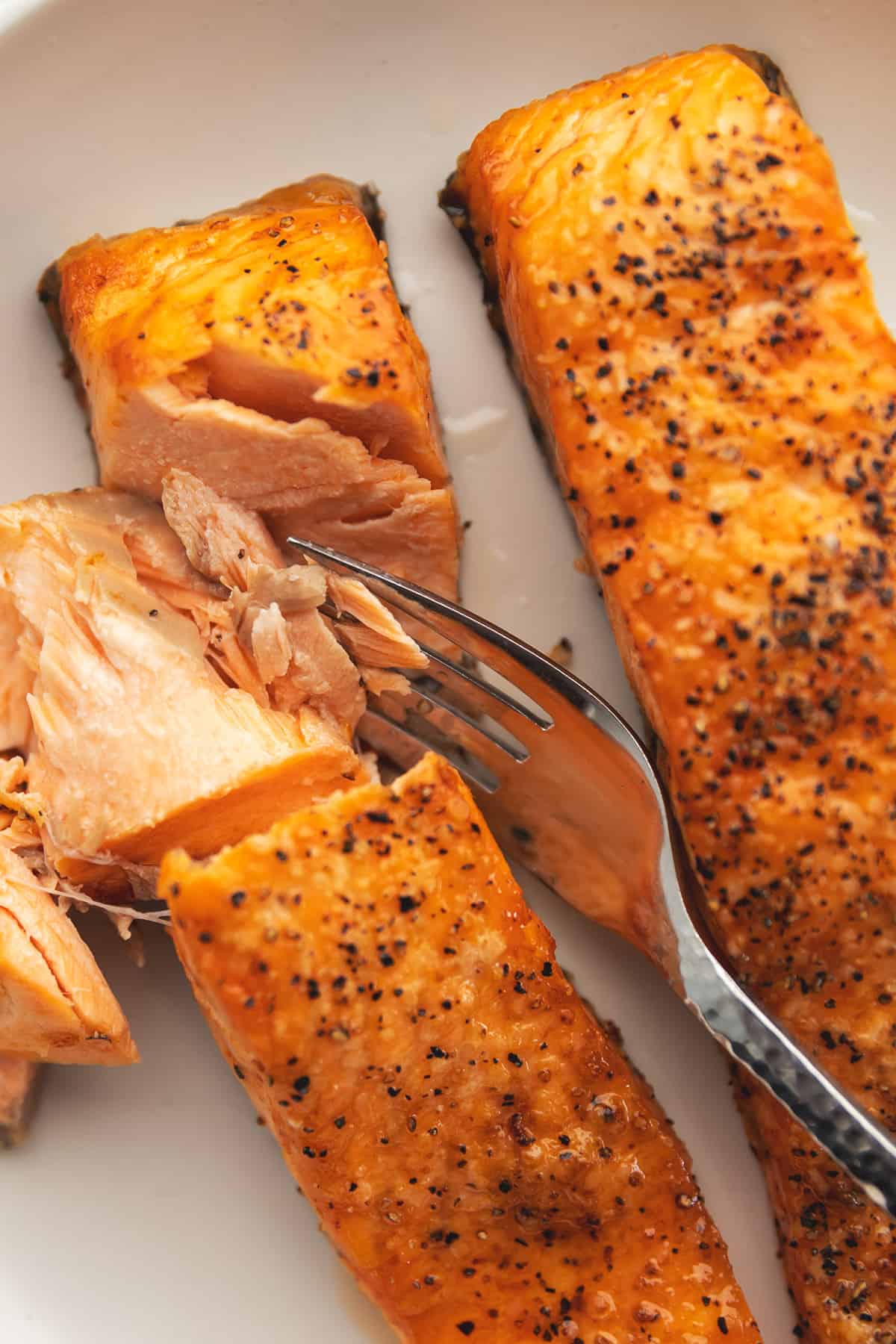
Cooking frozen salmon in an air fryer takes about 12 to 15 minutes at 380°F, depending on the thickness of the fillet. This method delivers a tender, flaky interior with a lightly crisp exterior, all without the long thaw time.
If you've ever pulled salmon from the freezer and wondered whether you can skip the thaw and still get a great meal, the answer is yes. The air fryer has quietly become one of the best tools for cooking fish straight from frozen, and salmon might be the most rewarding protein to use it on. With just a few minutes of prep and zero pre-planning, you can have a dinner that tastes like you spent way more effort than you actually did.
I've been cooking frozen salmon in my air fryer for years, both out of convenience and curiosity. The first time I tried it, I honestly expected dry, rubbery fish. Instead, I got a fillet that was moist, flavorful, and ready faster than the rice I had on the stove. Since then, it's become my go-to method for weeknight dinners when I forget to plan ahead.
Why the Air Fryer Works So Well for Frozen Salmon
The air fryer is a game changer for frozen proteins, and salmon is no exception. Unlike an oven, which can take 20 minutes just to preheat, an air fryer reaches temperature in under five. That means your fish spends less time waiting and more time cooking, which helps preserve moisture.
Another reason it works so well is the circulation of hot air. It creates a slight sear on the outside of the salmon while the inside gently steams in its own juices. You get the texture contrast of pan-seared fish without the need to hover over a skillet. Plus, there's no oil splatter to clean up, which is always a win in my kitchen.
Best Temperature and Time for Frozen Salmon in the Air Fryer
The sweet spot for frozen salmon in an air fryer is 380°F. At this temperature, the fish cooks evenly without drying out, and the outside gets just enough color to look appetizing.
Here's a general guide based on fillet thickness:
- Thin fillets (under 1 inch): 10 to 12 minutes
- Medium fillets (1 to 1.25 inches): 12 to 15 minutes
- Thick fillets (over 1.5 inches): 15 to 18 minutes
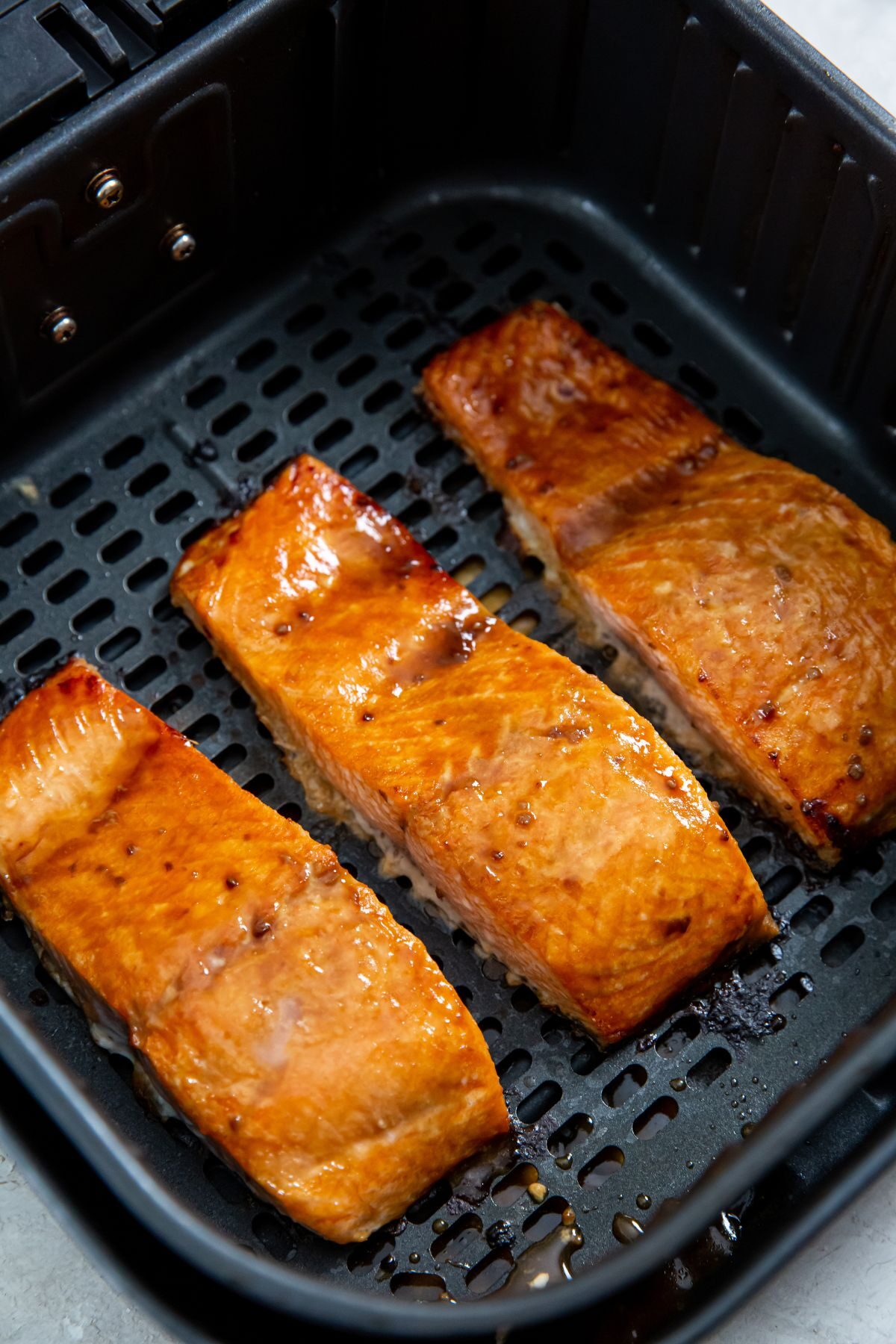
If you're cooking from frozen, there's no need to flip the fillet halfway through. The air circulates well enough on both sides. Just make sure the fillets aren't stacked or overlapping in the basket, as that can lead to uneven cooking.
I always recommend checking the internal temperature with a meat thermometer. Salmon is perfectly done at 125°F to 130°F for a slightly translucent center, or 145°F if you prefer it fully opaque. The FDA recommends 145°F for safety, but many chefs and home cooks pull it earlier for better texture.
How to Season Frozen Salmon for the Best Flavor
One of the biggest myths about cooking fish from frozen is that it won't absorb flavor. In reality, frozen salmon takes seasoning just as well as fresh, especially when you give the spices a few minutes to settle on the surface before cooking.
Here's my favorite simple seasoning blend:
- 1 tablespoon olive oil or avocado oil
- 1 teaspoon garlic powder
- 1 teaspoon smoked paprika
- Half a teaspoon of salt
- Half a teaspoon of black pepper
- A squeeze of fresh lemon juice
Brush the oil on the frozen fillet, then sprinkle the spices on top. The oil helps the seasoning stick and also promotes browning. If you have time, let the seasoned fillet sit for five minutes before placing it in the air fryer. This small step makes a noticeable difference in flavor.
You can also experiment with other flavor profiles. Try teriyaki sauce, maple mustard, lemon dill, or a simple butter and herb combo. Just avoid heavy, sugary glazes at the start, as they can burn before the fish is cooked through. If using a glaze, apply it in the last two minutes of cooking.
Should You Thaw Salmon First?
This is a question I get all the time, and the honest answer is no, you don't have to. The air fryer was practically designed for cooking from frozen. That said, thawing can slightly improve texture and reduce cooking time by two to three minutes.
If you do want to thaw, the safest method is overnight in the refrigerator. Quick-thaw methods like cold water or microwave thawing can work but may affect the texture, especially if the fish starts cooking unevenly.
In my experience, the difference between thawed and frozen salmon in the air fryer is minimal. The convenience of skipping the thaw usually outweighs the slight edge in texture. On busy nights, frozen wins every time.
Common Mistakes to Avoid When Air Frying Frozen Salmon
Even though the process is simple, a few common missteps can ruin an otherwise great piece of fish. Here are the mistakes I made early on so you don't have to:
- Skipping the oil: Dry salmon is sad salmon. A light coat of oil helps with browning and prevents sticking.
- Overcrowding the basket: Air needs to circulate. Cook in a single layer with space around each fillet.
- Cooking at too high a temperature: Above 400°F, the outside can burn before the inside cooks.
- Not checking internal temperature: Guessing doneness is a recipe for dry fish. A thermometer takes the guesswork out.
- Forgetting to preheat: A preheated air fryer gives you more accurate timing and better texture.
What to Serve with Air Fryer Frozen Salmon
One of the best things about salmon is how well it pairs with just about anything. Since the air fryer cuts down on cooking time, I usually pick sides that can multitask while the fish cooks.
Some easy pairings include:
- Roasted vegetables like broccoli, asparagus, or Brussels sprouts
- A simple green salad with lemon vinaigrette
- Quinoa, couscous, or wild rice
- Mashed sweet potatoes or baby potatoes
- Steamed green beans with garlic and almonds
If you want a true one-appliance meal, some air fryers come with grill pans or skewers that let you cook veggies alongside the fish. Just make sure the veggies are cut small enough to cook in the same amount of time as the salmon.
Storage and Reheating Tips
If you happen to have leftovers, store them in an airtight container in the fridge for up to three days. Salmon reheats surprisingly well in the air fryer. Just set it to 275°F for three to four minutes, and it comes out almost as good as the first round.
I try to avoid microwaving salmon, as it can turn rubbery and release an unpleasant fishy smell. The air fryer is a much gentler option that preserves the moisture.

Frequently Asked Questions About Cooking Frozen Salmon in an Air Fryer
Can I cook frozen salmon without thawing it first?
Absolutely. The air fryer is designed to handle frozen foods, and salmon is one of the best candidates. You may need to add a few extra minutes compared to thawed fish, but the results are just as delicious.
Do I need to remove the skin before air frying frozen salmon?
No, and I actually recommend keeping the skin on. It acts as a natural barrier that protects the flesh from direct heat, and it gets deliciously crispy in the air fryer. You can always remove it after cooking if you prefer skinless salmon.
How do I know when frozen salmon is done in the air fryer?
The most reliable way is to use an instant-read thermometer. Insert it into the thickest part of the fillet. Salmon is done at 145°F for a fully opaque texture, or you can pull it at 125°F to 130°F for a slightly pink, buttery center.
Can I use parchment paper or foil in the air fryer with frozen salmon?
Yes, but make sure the paper is perforated to allow airflow. Avoid using parchment without food on it, as the circulating air can send it flying into the heating element. Foil works well too, just leave the edges open for ventilation.
Can I cook frozen salmon from a glaze or marinade in the air fryer?
You can, but apply the glaze in the last two to three minutes of cooking. Sugary marinades can burn quickly at high temperatures, so it's best to add them toward the end for the best flavor and texture.
Wrapping Up: Your New Go-To Method for Salmon Night
Cooking frozen salmon in an air fryer is one of the easiest ways to get a healthy, flavorful meal on the table in under 20 minutes. With a temperature of 380°F and a cook time of 12 to 15 minutes, you can have perfectly cooked salmon that rivals any restaurant version.
The beauty of this method is its flexibility. You can keep things simple with salt, pepper, and lemon, or get creative with global flavor profiles. Once you try it a few times, you'll likely find yourself skipping the grocery store trips for fresh fish altogether.
If you found this guide helpful, try it out the next time you're staring at a pack of frozen fillets. And feel free to drop a comment below with your favorite seasoning combo. I'd love to hear how it turns out.